Children

The best for your child

Aura Rhythmics

Competitive and Recreational Rhythmic Gymnastics

Aura Rhythmics trains athletes ages 4 and up across three Lower Mainland locations, from first-time recreational classes to competitive programs built for municipal, provincial, and international competition. The coaching staff includes multiple Canadian National Coach of the Year honorees and former national-level competitors, giving every athlete access to genuinely elite-level instruction, whatever level they are starting from.
More details

Graham Montessori School

Montessori Daycare and Preschool

Graham Montessori School Royal Avenue campus has been serving New Westminster families since 2009 with a full range of programs for children ages 2.5 to 12, including daycare, preschool, Montessori daycare, and out-of-school care. Led by founder Olga Gorenshtein, an AMI-certified Montessori educator with over 30 years of experience, the program blends academics with French, music, science, and art. Russian language and literature lessons are offered twice weekly for Russian-speaking children.
More details

Graham Montessori School

Before and After School Care in Burnaby

Graham Montessori Burnaby location, based at John Knox Elementary, provides before- and after-school care for children ages 5 to 12, with morning drop-off from 7am and afternoon care until 6pm. Kids get tutorial support from subject specialists and occasional field trips to educational venues, giving working families a safe, enriching option outside school hours. The program draws families from Burnaby, New Westminster, Surrey, Coquitlam, and Queensborough.
More details

Graham Montessori School

Montessori Daycare in Victoria Hill

Graham Montessori School Jamieson Court campus has served the Victoria Hill neighborhood of New Westminster since 2012, offering full Montessori daycare for children ages 2.5 to 6. The program combines the Montessori method with French, music, geography, and science, giving young children a warm, structured environment to grow in. Russian language and literature lessons are available twice weekly for Russian-speaking children.
More details

Lynn Valley Music

Private Music Lessons for All Ages

Lynn Valley Music has offered private lessons in piano, guitar, saxophone, flute, clarinet, voice, theory, and drums in North Vancouver since 2003. Lessons are built around each student's own goals, whether that's playing professionally, joining a band, preparing for Royal Conservatory exams, or simply enjoying music more. Instruction is available in English and Russian.
More details

Olympia Rhythmic Gymnastics

Rhythmic Gymnastics Club for Girls

Olympia Rhythmic Gymnastics has trained girls age 4 and up in Vancouver since 2009, with recreational and competitive programs led by championship-level coaching across three locations in Marpole, Collingwood, and False Creek. A free introductory lesson makes it easy to see if your daughter loves it before committing.
More details

Olympia Rhythmic Gymnastics

Rhythmic Gymnastics in Downtown Vancouver

Olympia Rhythmic Gymnastics offers classes for girls age 4 and up at False Creek School, giving downtown Vancouver families access to championship-level coaching and a program running strong since 2009. A free introductory lesson lets your daughter try a class before you decide.
More details

Olympia Rhythmic Gymnastics

Rhythmic Gymnastics in East Vancouver

Olympia Rhythmic Gymnastics runs classes for girls age 4 and up out of Collingwood Neighbourhood House on Joyce Street, bringing championship-level coaching and a proven program - active in Vancouver since 2009 - right into the East Vancouver community. A free introductory lesson makes it easy to try before committing.
More details

Origami Rhythmics

Rhythmic Gymnastics in Burnaby

Origami Rhythmics runs rhythmic gymnastics classes for girls of all ages out of the Serbian Centre in Burnaby, bringing the same recreational-to-competitive programming as its Port Coquitlam home club directly into the Burnaby and New Westminster area. Girls train in ballet-influenced movement and apparatus work with ribbons, hoops, and balls, with pathways open to Provincial and National-level competition for those who want to go further.
More details

Origami Rhythmics

Rhythmic Gymnastics in Langley

Origami Rhythmics brings rhythmic gymnastics for girls of all ages to Langley, extending its recreational-to-competitive program to families in Langley and the surrounding Fraser Valley. Classes combine ballet-inspired movement with apparatus work using ribbons, hoops, and balls, and gymnasts who want to compete have a clear path toward Provincial and National-level programs.
More details

Origami Rhythmics

Rhythmic Gymnastics Club for Girls

Origami Rhythmics offers recreational and competitive rhythmic gymnastics for girls of all ages, with locations across Port Coquitlam, Burnaby, and Langley. Programs range from first-time beginners to Provincial and National-level competitors, blending ballet, dance, and apparatus work like ribbons, hoops, and balls, with a Summer Day Camp and seasonal shows rounding out the year.
More details

Palme Theatre Studio

Russian Theatre and Performing Arts for Kids

Palme Theatre Studio has been giving Vancouver kids ages 5 to 13 a stage to sing, dance, and act on since 1996, running a full season of shows, festivals, and concerts every year from September through June. Classes are taught in Russian, making it a natural fit for families who want their children performing and building confidence in their native language.
More details

Planet Rhythmics

Rhythmic Gymnastics in North and West Vancouver

Planet Rhythmics brings its rhythmic gymnastics program to the North Shore, with classes at Planet Studio in North Vancouver and the West Vancouver Community Centre for girls ages 3 to 16. Training draws on Russian and Ukrainian coaching methodology and has produced a Canadian National Champion, with programs ranging from first-time beginners to serious competitors.
More details

Planet Rhythmics

Rhythmic Gymnastics Club for Girls

Planet Rhythmics has trained girls ages 3 to 16 across Vancouver, North Vancouver, and West Vancouver since 2000, blending Russian and Ukrainian coaching methodology to build flexibility, artistry, and real competitive results - the club is home to a Canadian National Champion. Beginners and future competitors alike are welcome, and every year Planet Rhythmics hosts its own International Invitational, drawing over 350 gymnasts from Canada and abroad.
More details

Dynamo Fencing Club

Premier High-Performance Fencing Club

Dynamo Fencing has trained fencers in Richmond since 1998, growing into the only High-Performance Training Center in Western Canada, officially recognized by the Canadian Fencing Federation. Founded by Maître Victor Gantsevich, current Head Coach of Canadas Senior Men's Team, the club has sent nearly 30 athletes to Canadas National Teams over the past decade, offering programs for children, adults, and competitive fencers at its state-of-the-art Richmond headquarters, plus locations in North Vancouver and Gastown.
More details

E2-e4! Chess for Kids

Chess Lessons for Kids and Adults

E2-e4! Chess for Kids offers private and group online chess lessons taught by Konstantin Pyryaev, connecting with students over Google Meet or Zoom from anywhere. Lessons cover real game theory, not just the rules, building the kind of thinking, patience, and pattern recognition that carries over well beyond the board.
More details

LATEST ARTICLES AND INSIGHTS

Eyes on the Future: How to Protect the Vision in a World of Screens
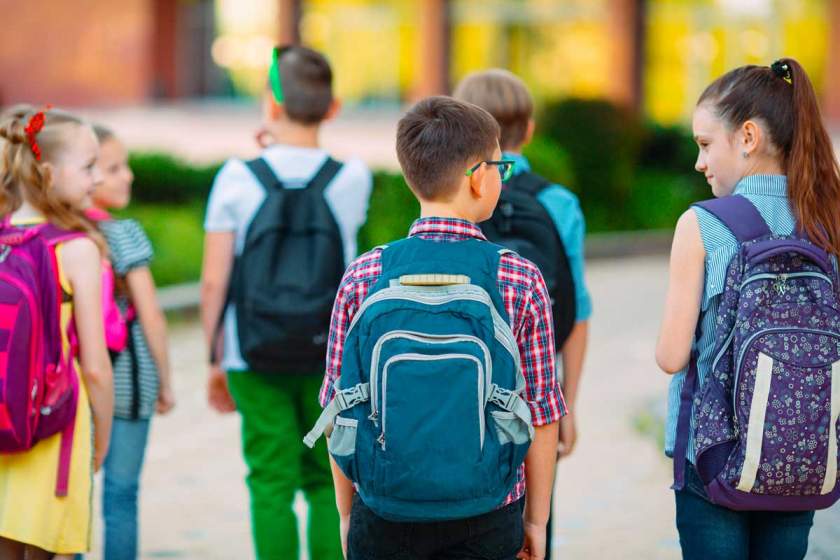
Eyes on the Future: How to Protect the Vision in a World of Screens

Childrens eyes today are working under conditions no previous generation has ever faced. School, homework, tablets, smartphones, online classes, video games, short-form video, group chats, presentations, e-books - from early childhood onward, a childs visual system lives under a state of near-continuous close-range demand. If parents once worried about a child sitting too close to the television, today the question is far larger: how do you protect vision in a world where screens have become the medium of learning, communication, and play? The answer is not in a bottle of supplements. It is in a set of habits - consistent, unglamorous, and within reach of every family.
More details
How to teach children to think if AI already writes for them
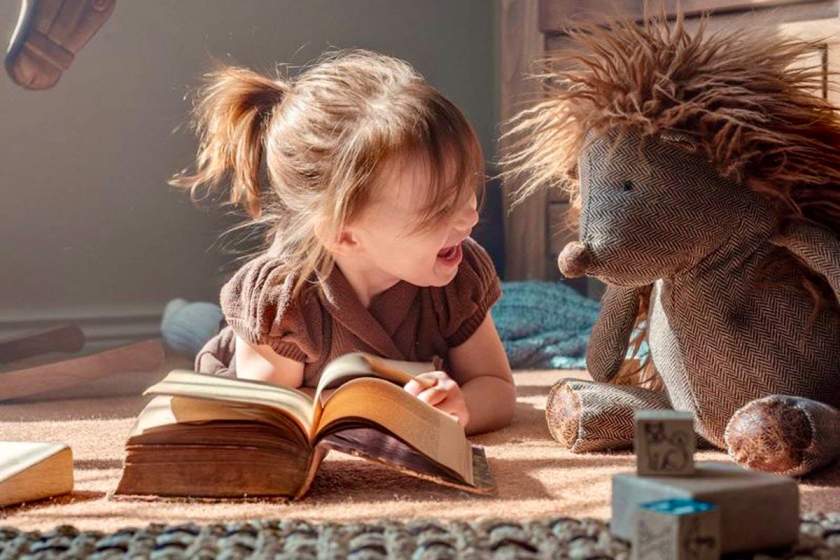
How to teach children to think if AI already writes for them

The central question in education is no longer whether students should be allowed to use artificial intelligence. That stage has, in practice, already passed. The question is now far more serious: how do we preserve the human habit of thinking independently when a machine increasingly offers fast, polished and convincing answers? The real danger of AI is not that it can help someone write a text. The danger is that it can quietly replace the very process through which thought is formed.
More details
Zero 20 Kids: Children Clothing for Special Occasions and Everyday Life
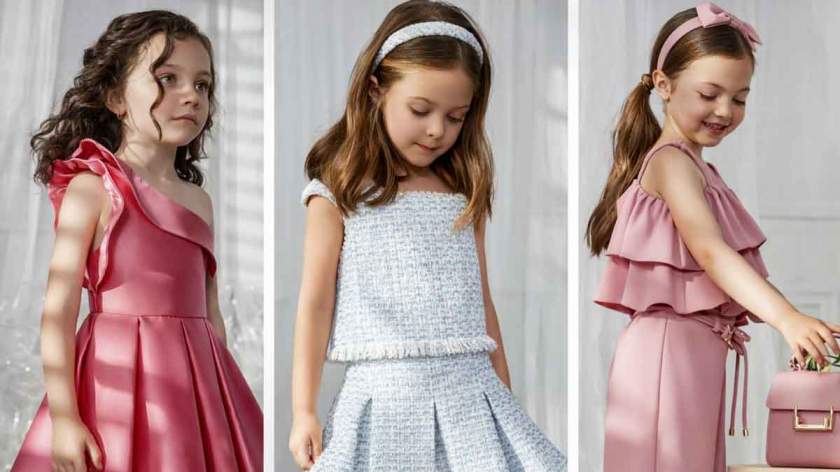
Zero 20 Kids: Children Clothing for Special Occasions and Everyday Life

In every familys life, there are moments worth remembering for years to come: weddings, religious ceremonies, important celebrations, and family gatherings. For such occasions, childrens clothing must be appropriate for the event, look refined, and still remain comfortable. This is exactly the area in which the Zero 20 Kids boutique, located in Vaughan, Ontario, has specialized for more than forty years.
More details
How to teach a child to play on their own
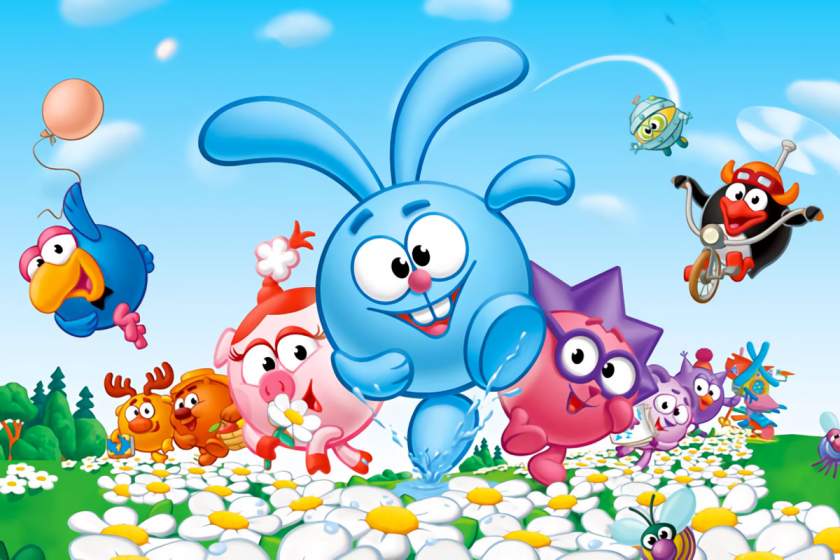
How to teach a child to play on their own

A child discovers the world through play. To an adult, it may look like simply moving blocks around, talking to a toy or endlessly building a house out of cushions. But for a young child, play is serious inner work: it develops speech, imagination, social skills, the ability to invent, choose, try and make mistakes. That is why independent play is not just a convenience for parents. It is an important stage of growing up.
More details
Why a stubborn child can be a good thing
Why a stubborn child can be a good thing

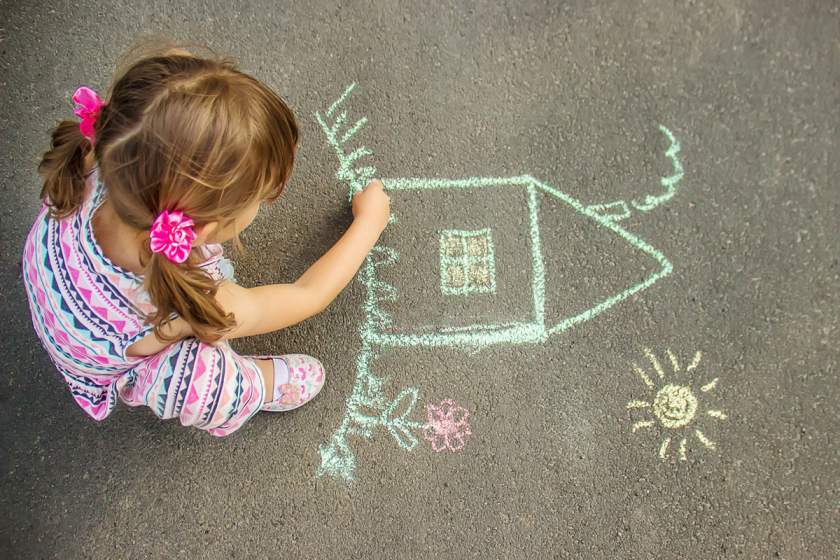
A stubborn child can push even the calmest and most patient parents to the edge. They argue, resist, demand explanations, refuse to give in at the first request and seem to test adult boundaries with remarkable persistence. But behind this difficult behavior there is often not a bad character, but strong will, independence and an early attempt to protect a sense of self. The task of parents is not to break this quality, but to help the child learn how to use it wisely.
More details
How to read a childs drawing

How to read a childs drawing

Maybe he is trying to tell you something

A childs drawing is rarely just a picture. To an adult, it may look like a house, a sun, a mother, a father and a few figures with uneven arms. To the child, it may be a way of describing a world they cannot yet explain in words. A drawing can contain joy, fear, jealousy, a need for attention, a sense of safety or, on the contrary, inner tension. But childrens drawings must be read with great care: not as a diagnosis and not as a ready-made psychological code, but as an invitation to look more closely at the child and speak with them more gently.
More details
Tom and Jerry: a few facts about the cartoon

Tom and Jerry: a few facts about the cartoon

That taught the world to laugh
Some cartoons belong to their own time, and some seem to fall outside time altogether. Tom and Jerry belongs to the second category. You can watch it as a child, then as an adult, then show it to your own children - and still understand why a cat, a mouse, a piano, a frying pan, a door, a staircase and one perfectly timed pause can make people laugh without a single explanation. The first short was released in 1940, yet the duo still lives in global culture because its language is almost universal: movement, music, rhythm, pain, revenge, triumph and comedy refined to a jewellers precision.
More details
Elite Swimming School in Vaughan

Elite Swimming School in Vaughan

Would You Like to Learn Yourself, or Teach Your Children and Grandchildren to Feel Light, Natural, and Confident in the Water?
More details
How to teach children to be happy

How to teach children to be happy

The biggest mistake in modern parenting is not that we have given children too many screens, too many choices or too much softness. The more dangerous mistake is this: we have taught them that happiness is the normal state of a human being, almost the required background of life. If you are not happy, something must be wrong with you. You must have missed something, failed to achieve something, failed to buy something, failed to build something, failed to become the “best version of yourself.” This beautiful, convenient and deeply false idea is making many young people anxious, disappointed and inwardly fragile.
More details
How to teach a child to appreciate what they have
How to teach a child to appreciate what they have

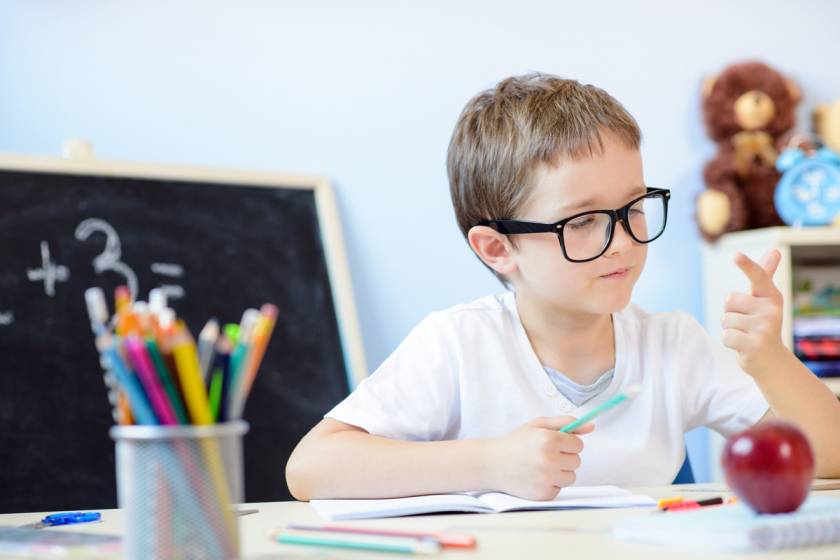
Gratitude does not begin with the word Thank you! The word matters, of course, but on its own it guarantees very little. A child may know the rules of politeness perfectly and still take everything good around them for granted: toys, trips, good food, parental time, help, comfort and safety. Real gratitude goes deeper than good manners. It is the ability to notice the value of what is already present, understand the efforts of other people and not live with the constant feeling that happiness begins only after the next purchase.
More details
What is important to know about the stages of a childs development
What is important to know about the stages of a childs development

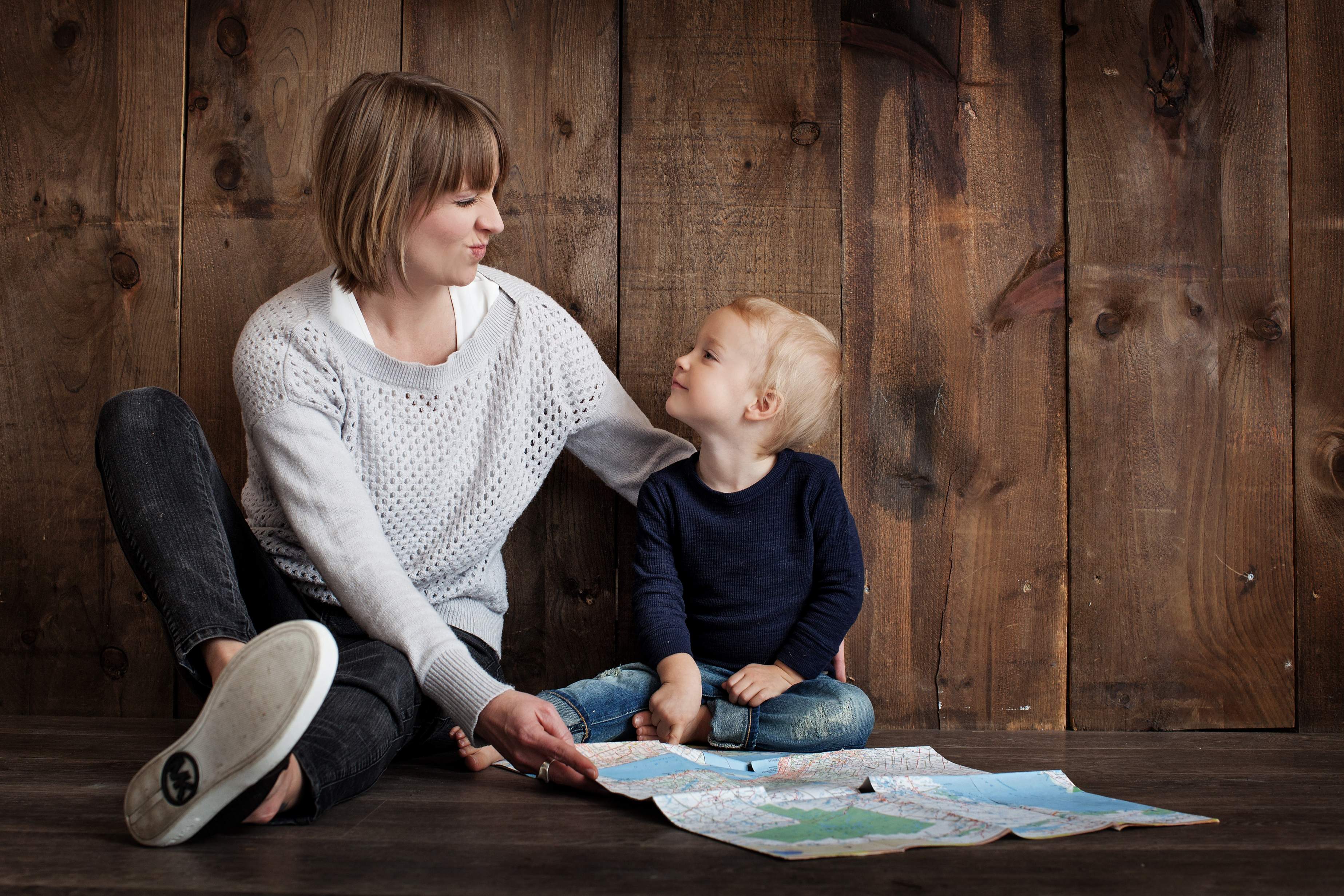
A childs brain does not develop according to a school calendar or a parents wishes. It matures gradually: first the systems responsible for basic movement, sensation and perception become stronger; later, speech, attention, memory, self-control, planning and the ability to understand consequences become more complex. That is why expecting adult logic from a four-year-old is as unrealistic as expecting a teenager to show the emotional steadiness of an experienced adult. This is not simply about bad behaviour or character. In many ways, it is about the development of the nervous system.
More details
How to instill the high values in a child
How to instill the high values in a child

If you want your child to grow into a person worthy of respect, begin not with lectures, but with your own example. Children observe our actions far more closely than they listen to our words. They see how we speak to loved ones, how we treat money, how we respond to difficulty, whether we keep promises, whether we admit mistakes and how we care for those who are weaker. That is why the first and most important advice to parents is simple: continue developing yourself. You cannot demand maturity, honesty and inner strength from a child if those qualities are not visible in the familys daily life.
More details
She Walked on the Moon Before Neil Armstrong

She Walked on the Moon Before Neil Armstrong

65 Years of Reinventing Barbie

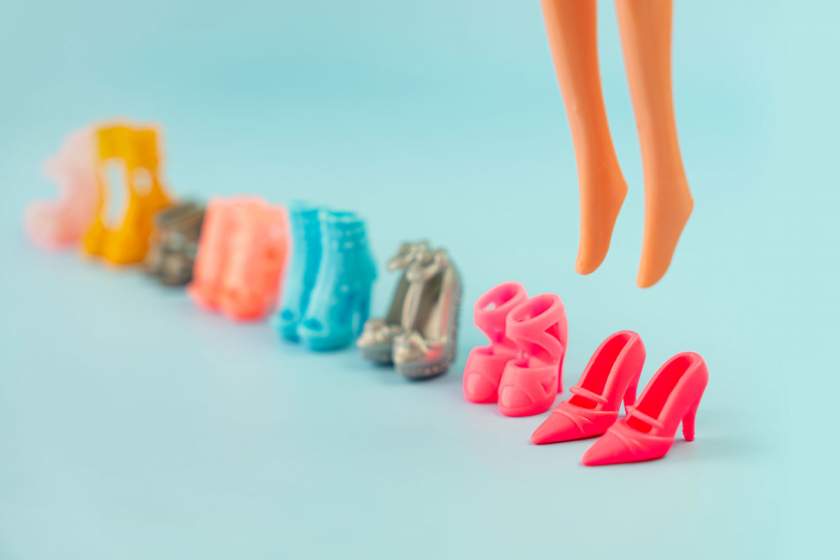
Barbie made it to the moon in 1965 - four years before Neil Armstrong. The doll was not the first female astronaut in reality - she was simply Mattels bet on where a little girl's imagination should be allowed to go, years before NASA itself would let a woman anywhere near a spacecraft. That single detail says more about Barbies actual staying power than any sales figure could. Across 65 years and more than 250 distinct careers, the brand that has outlasted nearly every toy of its era has never survived by staying the same - it has survived by being willing, again and again, to visibly redesign itself in response to a changing world, sometimes gracefully and sometimes only after real public pressure forced its hand.
More details
How to raise children without burning yourself out
How to raise children without burning yourself out

Modern parenting often feels like life between two extremes: on one side, the desire to raise a strong, independent and emotionally healthy child; on the other, exhaustion, irritation, lack of time and an endless sense of guilt. We want to be calm adults, but sometimes we lose our temper. We want to give children freedom, but we are afraid of losing boundaries. We want to raise them without yelling and punishment, but we do not always know what should replace old-fashioned strictness. That is why a more mature conversation about discipline matters so much today: not discipline as control over a child, but discipline as a way to help a child grow into an internally steady person.
More details
How to help a child cope with anger and nervousness
How to help a child cope with anger and nervousness

A childs tantrum is rarely just bad behaviour. More often, behind the crying, shouting, stubbornness or sudden rage is not a whim, but overload: a desire that feels too strong, too much fatigue, too many impressions, too few words to explain what is happening inside. A young child does not yet regulate emotions the way an adult does. The nervous system is still learning how to pause, wait, switch direction, ask, accept refusal and live through disappointment. This is exactly where an adult must be not a judge, but a calm guide.
More details
How to teach a child not to interrupt adults
How to teach a child not to interrupt adults

Young children rarely keep their thoughts politely in line. They need to tell you right now what they saw, imagined, remembered or suddenly found important. Most of the time, this is not rudeness or bad manners. A child usually interrupts not because they disrespect adults, but because they are still learning how to wait, notice another conversation and manage an impulse. The good news is that this can be taught - calmly, gently and without endless reminders to “stop interrupting.”
More details
The day I stopped rushing my child

The day I stopped rushing my child

At some point, adult life begins to sound like one endless command: hurry. Answer faster, get dressed faster, leave faster, eat faster, go to bed faster, keep up, move on, do more. It feels as if the entire day will fall apart if we loosen our grip for even one minute. But sometimes a child who moves more slowly than we do is not falling behind. She is simply seeing what we have forgotten how to notice without rushing past it.
More details
Why do our children go to school?

Why do our children go to school?

At first, the question seems almost too simple. Of course, children go to school to learn. To gain knowledge, earn grades, receive a diploma, continue their education, choose a profession and build a future. But if we stop at that answer, we miss the most important part. School is no longer simply a place where children receive a set of facts. In the modern world, it is a space where a child develops a relationship with knowledge, with effort, with mistakes, with other people and with their own future.
More details
10 reasons to send your child to music school

10 reasons to send your child to music school

Why does your child need music classes?
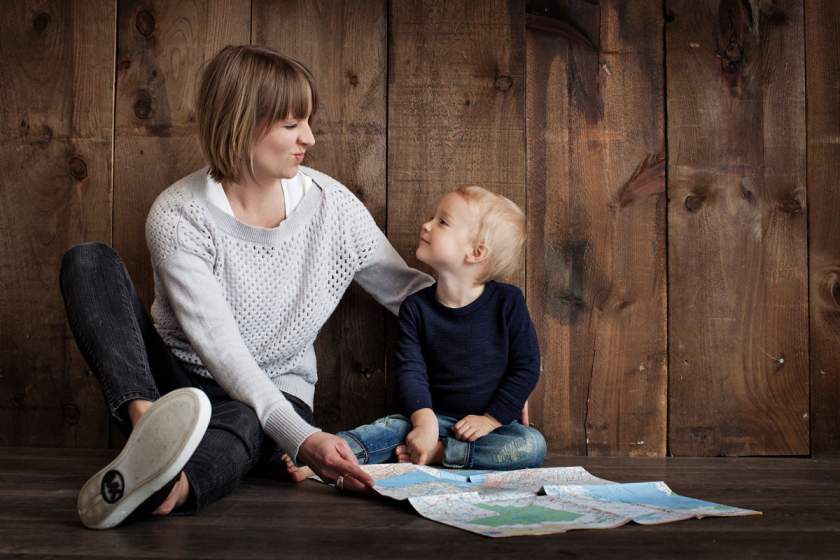
Music school does not have to turn a child into a future pianist, violinist or opera star. And that is good news for parents. The main value of music today is not only in concerts, exams and impressive certificates, but in the qualities it trains far beyond the classroom: attention, discipline, memory, listening, speech, coordination, performance skills, the ability to work through mistakes and the habit of finishing what has been started.
More details
7 parenting styles and their influence on a childs future

7 parenting styles and their influence on a childs future

Parenting does not begin with methods, charts or perfect rules. It begins with relationships. A child grows not only under the influence of what adults say, but also through how they speak, how conflicts are resolved at home, how adults deal with stress, keep promises, admit mistakes and show love. That is why a good parent, while raising a child, inevitably raises themselves as well.
More details
Russian Advertising Magazine
Russian Flyers
Mobile Spravochnik Apps
Stunning Media - SEO, Web Design, Maps Marketing, Video and Content Production