Fashion
Sales and alterations
European Tailors and Cleaners
Tailor Shop and Dry Cleaner with Same-Day Service
European Tailors and Cleaners is a Chicago tailor shop and dry cleaner offering sewing, alterations, and same-day dry cleaning. They work with everything from everyday clothing to wedding dresses.
More detailsMy Best Friends Closet
Designer Consignment Boutique in Highland Park
My Best Friends Closet in Highland Park was the first designer consignment boutique in town, curating authentic luxury pieces since 2010 from brands like Gucci, Chanel, Dior, Prada, Louis Vuitton, Burberry, Valentino, and Chloe. In-store personal stylists help put together looks from bags, shoes, jewelry, and accessories.
More detailsRoksolana Boutique
Leather, Shearling, and European Flair
Roksolana is a Buffalo Grove boutique where European style meets real leather and shearling. It is for anyone looking for a piece with character instead of mass-market basics - from a leather jacket to a tunic finished off with matching accessories and perfume.
More detailsStar Distributors
Discount Warehouse Store for Home and Gift Items
Star Distributors on Milwaukee Avenue in Chicago is a warehouse store open to the general public for over 50 years. Shoppers can find kitchenware, home goods, and party supplies at wholesale prices, and retailers and restaurants can set up a wholesale account.
More detailsLATEST ARTICLES AND INSIGHTS
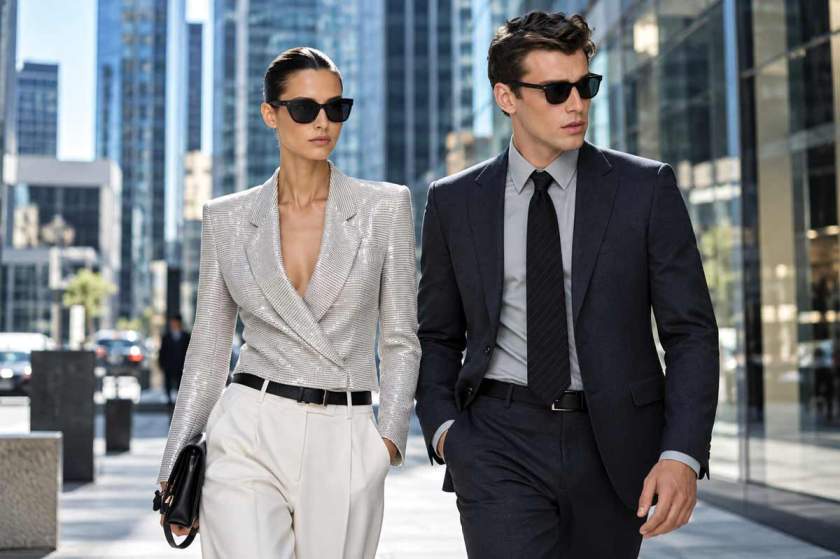
The Intelligent Provocateur: How to Look Elegant Without Looking Obedient

Real elegance stopped being a synonym for perfect compliance a long time ago. There was an era when dressing well meant dressing correctly - suit to occasion, shoe to suit, shirt to tie, bearing to status. A man was supposed to look right, and in that rightness, his upbringing, taste, and position were all legible at a glance. That era is over. The world no longer trusts images that are too smooth. Absolute precision can read not as elegance but as the absence of a personal voice. A flawless suit without character sometimes says less than a good jacket worn with something unexpected. Restraint still matters - but it needs an edge. Appropriateness is still essential - but it cannot become tedium. This is where the intelligent provocateur enters: a man who knows the rules well enough to break them beautifully.
More detailsMore Than Fabric: The Secret History of the Swimsuit
How to Choose One That is Actually Yours
Here is something worth knowing before your next trip to the beach: nearly every swimsuit style you've ever worn exists because a woman, at some point, broke a law to wear less fabric than the previous generation thought was decent. The swimsuit is one of the only garments in fashion history that evolved almost entirely through confrontation - arrests, court rulings, Vatican condemnations, and one designer who named a piece of fabric after an atomic bomb test. Understanding that history changes how you shop for one. A swimsuit was never meant to be a costume you apologize for. It was built, generation after generation, by women who refused to apologize for their bodies at all.
More detailsHow to Choose Sunglasses That Actually Suit You
More Than Just An Accessory

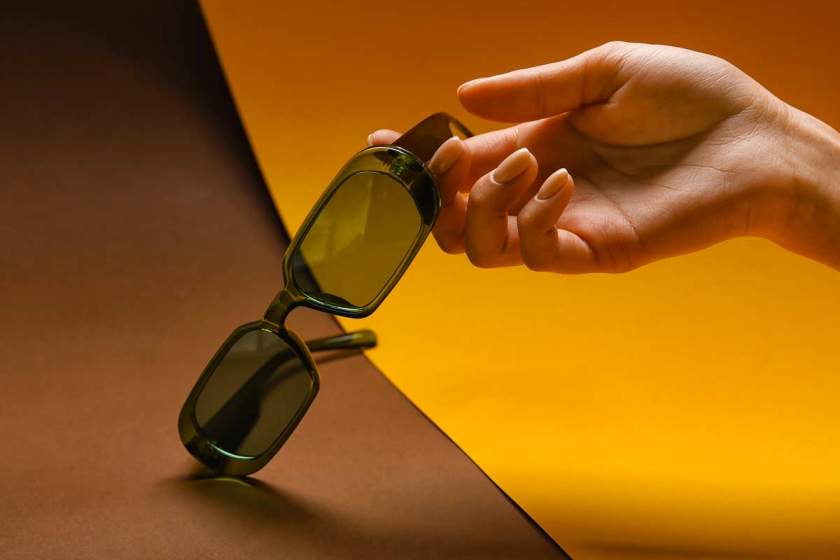
Here's a fact that tends to stop people mid-sentence: the first true sunglasses on record weren't designed to block the sun at all. They were designed to hide emotion. In 12th-century China, magistrates wore lenses ground from smoky quartz during court proceedings - not because the light bothered them, but so that no one in the room could read their face while they decided someones fate. Fourteen centuries later, this is still, in a strange way, exactly what a good pair of sunglasses does. It gives you a face the world can not fully read. Understanding that history changes how you think about buying a pair - because the right glasses aren't a costume you borrow from a celebrity. They're an instrument, built out of centuries of very practical human problems, that happens to also make you look extraordinary when it fits correctly.
More detailsThe Polo Shirt: A History of Elegant Rebellion
Here is a strange little fact almost nobody knows: the shirt called a "polo" has almost nothing to do with polo. The two most famous polo shirts in history - the one with the crocodile and the one with the horseman - were designed by two men who barely played the sport at all. One was a tennis obsessive who hated his uniform. The other was a tie salesman from the Bronx who understood something rare about the American imagination. Between them, they took a piece of clothing born out of irritation and turned it into one of the only garments on earth that means something different depending on who is wearing it, and says nothing at all when worn correctly.
More detailsZero 20 Kids: Children Clothing for Special Occasions and Everyday Life

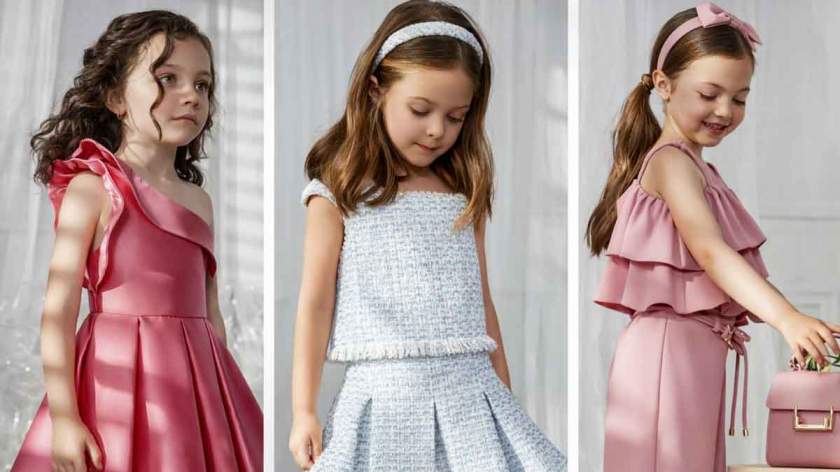
In every familys life, there are moments worth remembering for years to come: weddings, religious ceremonies, important celebrations, and family gatherings. For such occasions, childrens clothing must be appropriate for the event, look refined, and still remain comfortable. This is exactly the area in which the Zero 20 Kids boutique, located in Vaughan, Ontario, has specialized for more than forty years.
More detailsThe Anatomy of Choosing Right
Lingerie by Body Type, Skin Tone, and Color

Lingerie is the one garment layer nobody else sees, which is exactly why most people choose it worst. There is no mirror check from a friend, no fitting-room daylight, no social pressure correcting a bad decision - just a drawer full of things bought on impulse that either don't fit or don't flatter. The same logic that governs a well-chosen swimsuit or a well-cut blazer applies here just as precisely: proportion, undertone, and structure matter more than trend or price tag.
More detailsHow to wear a bandana with style
A bandana is one of those small accessories that can change an entire outfit faster than a new jacket or an expensive bag. A square of cotton may seem simple, almost accidental, but behind it stands a surprisingly long cultural biography: shepherds, cowboys, workers, bikers, hippies, hip-hop, skaters, runways, resort collections and modern street style. That is the power of the bandana. It can be practical, rebellious, romantic, relaxed or almost aristocratic - depending entirely on how you wear it.
More detailsHow to wear a blazer in summer without suffering from the heat
A summer blazer should not be a test of endurance. It should be a matter of intelligent choice. The mistake many men make is trying to wear in July the same jacket that worked perfectly in October: dense fabric, full lining, stiff construction, dark colour - and within ten minutes business elegance turns into survival. A modern summer wardrobe works differently. It allows you to look polished, expensive and appropriate even in the heat, provided you understand what actually makes a jacket comfortable.
More detailsHow to choose mens shorts: 5 Yes and 3 Never
What should mens shorts look like if you want them to fit well, feel modern and not turn a summer outfit into a random collection of things? At first glance, shorts seem like the simplest part of a wardrobe: buy them, put them on and go. But this is exactly where men often make mistakes. Too long, and they make the body look heavy. Too wide, and they look sloppy. Too tight, and they feel inappropriate. Too many pockets and decorative details, and the outfit instantly moves toward cottage weekend, fishing trip or teenage style.
More detailsCapsule Wardrobe From Scratch
The Real History and a Plan That Actually Works

Here's a detail that surprises most people who assume the capsule wardrobe is a recent minimalism trend: the concept's most famous public debut opened with models walking out in nothing but black bodysuits and tights, then progressively layering on piece after piece until a complete outfit emerged in front of the audience. It wasn't an accident or a gimmick - it was a designer proving a philosophical point about clothing in real time. Understanding where this idea actually came from changes how you think about building one for yourself, because the whole concept was never really about owning less. It was about needing considerably less mental energy to get dressed.
More detailsThe Red Dress, the Red Lipstick
Why One Color Has Signaled Desire for Millennia
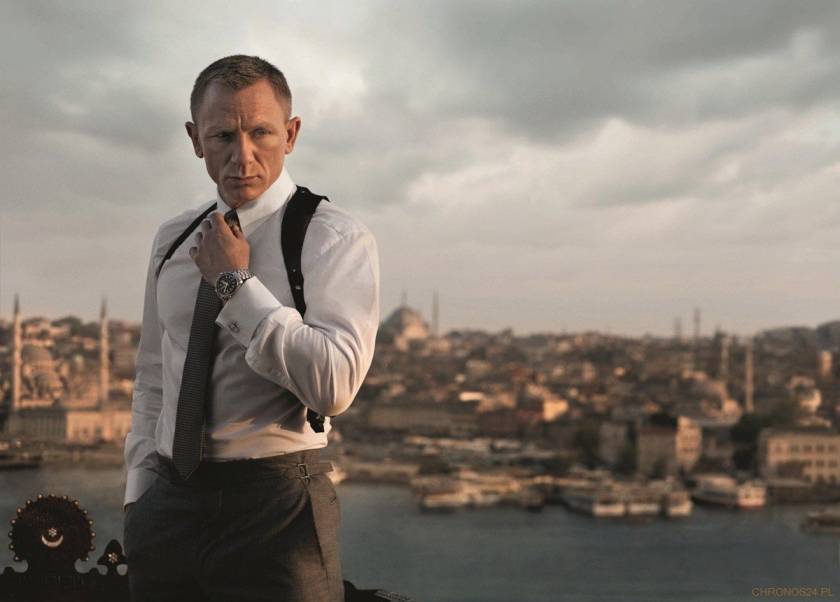
From the red ochre used in prehistoric rituals to the red-light district and the red rose on Valentine's Day, one color has carried an outsized cultural charge across nearly every civilization on record. For most of history, that connection was treated as pure symbolism - a cultural coincidence with no real mechanism behind it. Then, in 2008, two University of Rochester psychologists actually tested it in a laboratory. What they found was more specific, more measurable, and more scientifically contested than the popular version of this story usually admits.
More detailsHow to choose a right shirt?
How do you choose the right mens shirt? This question matters not only to men themselves, but also to women: the tradition of giving a man something for his wardrobe has stood the test of time. It is important to understand that mens shirts are almost a science of their own - but one that can be mastered quite quickly, as long as you know the basic rules.
More detailsWhy you should not fasten the bottom button of your blazer

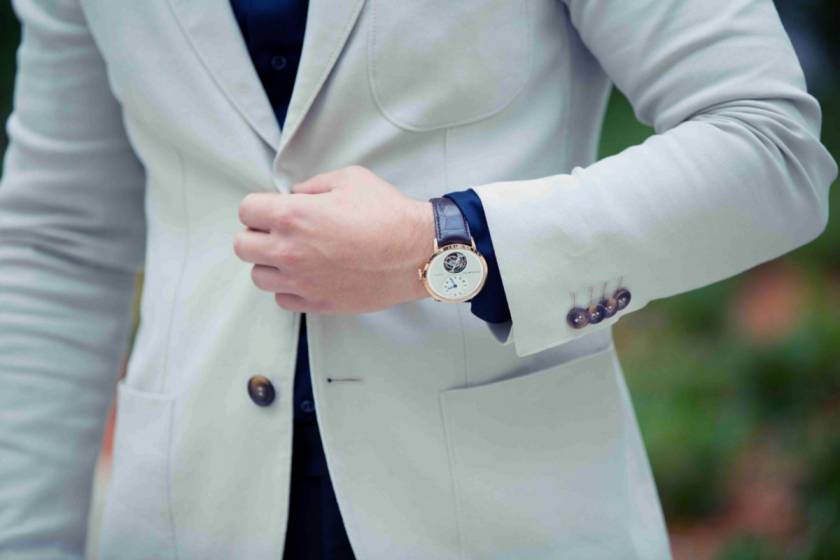
The basic rule for wearing a mens three-button jacket is almost a formula: sometimes, always, never. The top button may be fastened sometimes, the middle button should be fastened always, and the bottom button should never be fastened. If the jacket has two buttons, only the top one is buttoned. A similar rule applies to a classic single-breasted waistcoat: the bottom button is usually left undone. This is one of the enduring standards of mens style, although womens tailoring is generally less restricted by such rigid conventions. In fact, many modern mens jackets and waistcoats are cut with the expectation that the bottom button will remain open. The garment sits better, the fabric does not pull, and the silhouette looks more natural.
More detailsWardrobe That Actually Works From −20C to +20C
The North American Shoulder-Season Capsule

Anyone who's commuted through a Canadian April knows the specific problem: minus five in the morning, plus fifteen by mid-afternoon, and back down to freezing after sunset, all in a single day that technically counts as "spring." Most wardrobe advice simply doesn't account for this kind of swing, because most wardrobe advice is written for climates that don't have it. The military, however, has been solving exactly this problem for decades, with genuine engineering rigor rather than style-blog guesswork - the U.S. Army's current cold-weather clothing system is explicitly built to function across a range from 4°C down to minus 51, using the same core principle that, translated into ordinary civilian clothing, is the actual foundation of a capsule wardrobe built for Canadian shoulder seasons.
More detailsThe Mens Capsule Wardrobe
25 Pieces Instead of 200
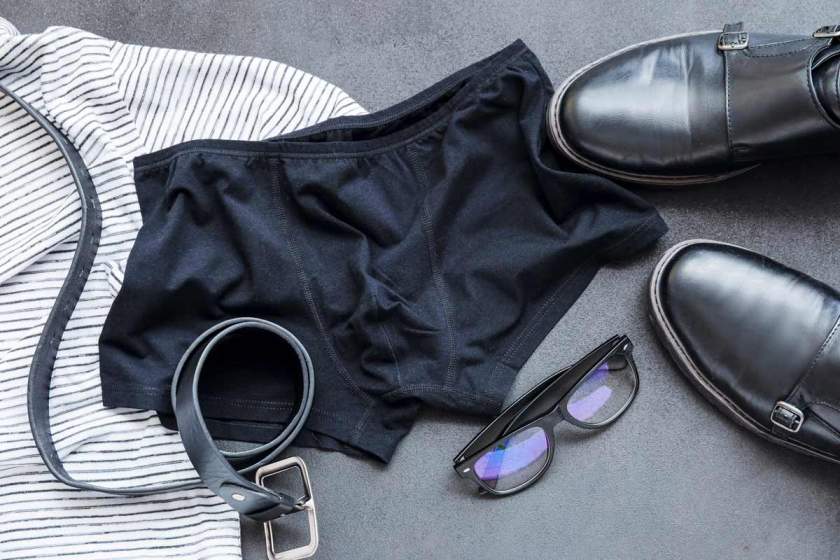
The popular version of the Steve Jobs story goes like this: he didn't care about clothes, so he wore the same black turtleneck every single day and saved his brainpower for changing the world. The actual story is considerably more useful, and almost the opposite: Jobs cared enormously about how he looked, and specifically hired designer Issey Miyake to think about his wardrobe with real intensity - once - so that he would never have to think about it again each morning. That distinction matters enormously if you're building your own minimalist wardrobe, because it separates a genuinely smart system from a joyless uniform, and it's the entire difference between a capsule wardrobe that works and one that just looks austere.
More detailsMens Underwear Had a Revolution
It Just Started With a Bicycle

Almost nobody thinks of mens underwear as having a real history, but it does - and the origin story is far less glamorous than anything happening in a lingerie boutique. It starts with a Chicago sporting goods company, a genuinely painful problem involving 19th-century cobblestone streets, and a chain of accidental inventions that eventually produced the boxer, the brief, and everything in between. None of it was designed with seduction in mind. All of it, eventually, became exactly that.
More detailsUnderwear Quiet Tech Revolution
What Is Actually New

For most of the twentieth century, underwear innovation meant a new elastic or a new color. That era is over. The intimate apparel industry is now one of the more active proving grounds for genuine textile science - silver-ion antimicrobial fibers, moisture-sensing period wear, size-free stretch fabrics, and construction methods that didn't exist a decade ago. None of this is marketing gloss. It is a direct response to real, physical problems that generations of women and men were simply told to tolerate.
More detailsMen Have a Typing System Too
It Is Just Rarely Talked About
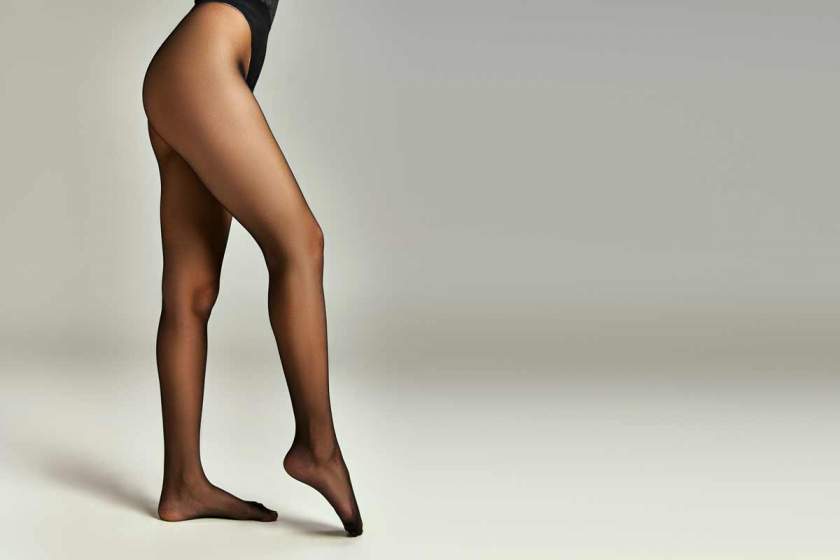
Nearly every conversation about body typing and style - Kibbe, seasonal color, the fruit-shape charts - centers on women, as if men simply show up in a well-cut suit and the question resolves itself. It doesn't, and it never really has. Men have had their own parallel typing system for almost as long, rooted in 1940s psychology, still used today by fitness professionals and tailors alike - it's just rarely discussed with the same depth or seriousness. Understanding it explains something genuinely useful: why the exact same jacket can look sharp on one man and slightly wrong on another of similar height, and what to actually do about it.
More detailsThe Quiet Revolution
How Shapewear Became a Billion-Dollar Confidence Machine

In 1998, a 27-year-old fax machine saleswoman in Florida cut the feet off a pair of pantyhose because she couldn't find anything smooth to wear under white slacks. She had no fashion background, no business training, and five thousand dollars to her name. That single, unglamorous act of frustration became Spanx - and, decades later, helped fuel a broader cultural shift in which shapewear stopped being something women hid and started being something they openly credit for how their clothes fit. The story of how that happened says a great deal about who actually gets to invent things, and why.
More detailsWhat Actually Leaves the Closet After 30, 40, 50
And What Genuinely Replaces It

A British survey recently claimed 55 was roughly the age when women stop looking good in current fashion - and the backlash was immediate, loud, and entirely justified. There is no expiration date on style, and the fashion industry itself has spent the past two years proving it, casting women well into their seventies and eighties for major campaigns and runway shows. But something real does still shift in most people's closets across the decades - not because of arbitrary rules about what you're "allowed" to wear, but because of two genuine forces: how your actual body changes, and how your relationship with clothing itself evolves. Understanding both is considerably more useful than any list of things you're supposedly too old for.
More detailsNot Just Kibbe
An Honest Comparison of Every Major Style-Typing System

Somewhere between a TikTok quiz and a genuine century-old theory of visual harmony, style typing has splintered into at least three competing systems, each with its own vocabulary, its own devoted online community, and its own claims about what will actually make you look better. Fruit shapes. Kibbe archetypes. Seasonal color analysis. They get treated online as interchangeable, or worse, as competing truths you have to pick a side on. They're not competing at all - they're answering entirely different questions, with wildly different levels of actual evidence behind them. Knowing which is which changes where you should spend your time, and your money.
More detailsHow the Kibbe System Actually Works
And Why It is More Than Just Know Your Body Shape

Here's a detail that surprises most people who've only heard the name in passing: Marilyn Monroe and Madonna - two women whose public images could hardly look more different - are both classified as the same "pure" type under one of fashion styling's most enduring frameworks. That's not a contradiction. It's actually the entire point of a system built in 1987 that quietly outlasted the fruit-shaped body charts (apple, pear, hourglass) most of us grew up with, precisely because it was never really about size or curves in the first place.
More detailsThe Woman Who Invented the Bra From Two Handkerchiefs
In 1913, a 19-year-old New York socialite named Mary Phelps Jacob was getting dressed for a debutante ball when her whalebone corset ruined the look of her sheer new evening gown - the rigid bones kept poking visibly through the fabric at her plunging neckline. Rather than accept it, she called for her maid, two silk handkerchiefs, and some pink ribbon. What she stitched together that evening would eventually be worn, in one form or another, by most of the women on Earth. She sold the patent for $1,500. The company that bought it made more than $15 million from the design over the following decades. This is the actual story - and the story of the myth that grew up around it decades later.
More details