How to choose a right shirt?
How do you choose the right mens shirt? This question matters not only to men themselves, but also to women: the tradition of giving a man something for his wardrobe has stood the test of time. It is important to understand that mens shirts are almost a science of their own - but one that can be mastered quite quickly, as long as you know the basic rules.
Mens clothing is generally more stable and less subject to sudden changes in fashion, and shirts are no exception. So the first thing to understand is this: why are you buying the shirt? In other words, what will you wear it with, where will you wear it, and in what setting? With a suit or without one? Tucked into trousers or jeans, or worn untucked? These are key questions, and they matter. So how do you choose a men’s shirt wisely?
Forget About Silk
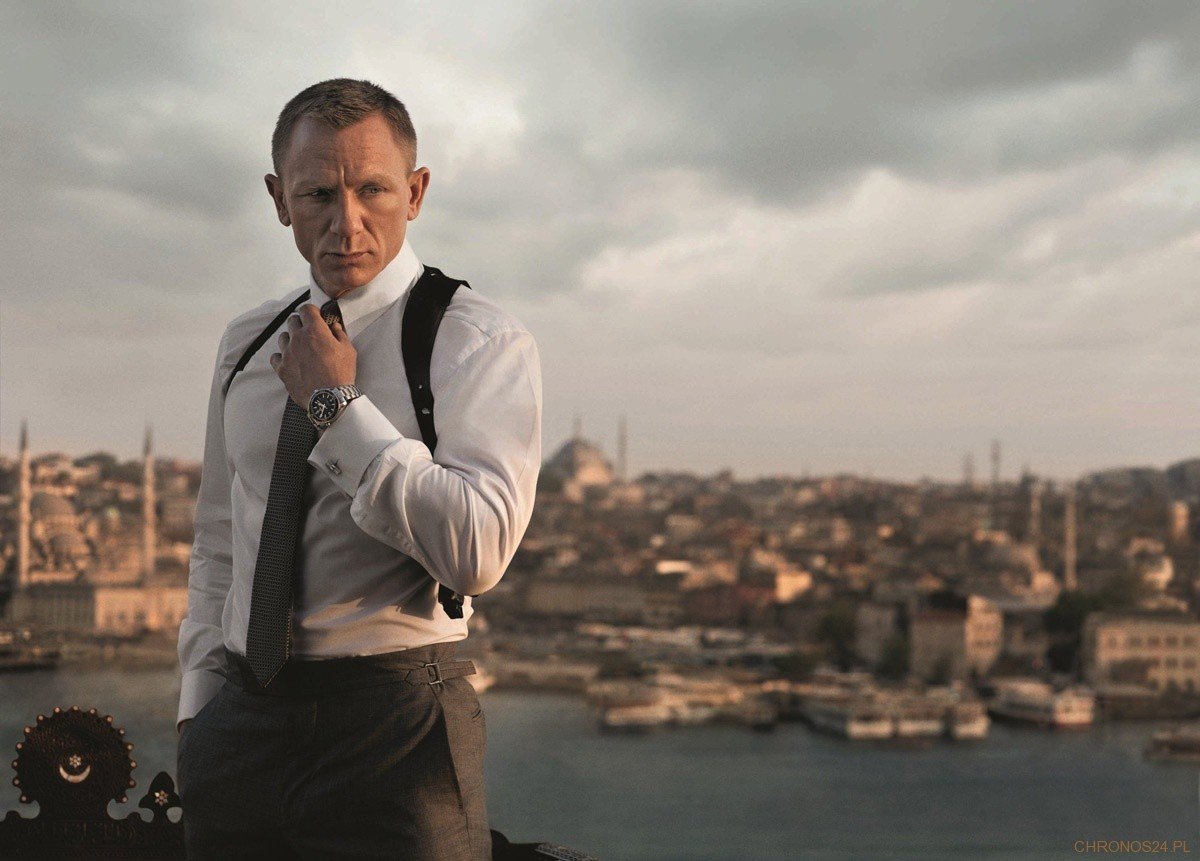
If we are talking about a suit - a formal suit worn, as they say, for business - then you need a classic dress shirt. It should have long sleeves, no pockets, and a structured collar. It should also be in a light colour. One more important detail: the stiffness of the collar is directly connected to the formality of the look. The stiffer the collar, the more formal the style. Choose a shirt made of cotton. The percentage of synthetic fibres should be minimal - no more than 5 percent. This way, you can be reasonably confident that the shirt will be less prone to wrinkling. Forget about silk or linen: for the office, these fabrics are too casual and too carefree. And if we are talking about stylish men’s shirts, remember: no undershirts or T-shirts under a dress shirt. Absolutely not.
The Classic Colour
Now let’s talk about colour. Here, the rule is simple: do not experiment. With a solid black or grey suit, a shirt in almost any restrained colour will work well. Avoid bright colours and, at the other extreme, black. The shirt should be lighter than the jacket - that is rule number one. A classic shirt should be chosen by the collar size, because such shirts are worn fully buttoned, which means they must be comfortable. When all buttons are fastened, there should be at least one centimetre between your neck and the collar stand. It is also worth remembering that fabric can shrink after washing, so it is better to choose a collar with a little extra room. The shoulder seam should sit exactly at the edge of the shoulder. The sleeve should cover the wrist, and the cuffs may show from under the jacket sleeves by about one centimetre.
Beyond the Office
Now let’s move on to shirts worn outside the office. They can vary widely, but the key point is the cut: relaxed or fitted. A relaxed shirt will suit almost any man, especially if he carries extra weight or, on the contrary, is very slim. Accordingly, men in either of these categories should avoid fitted shirts under any circumstances.
Men’s Shirt Size
Choosing the correct size of a men’s shirt is not complicated. Sizes depend mainly on neck circumference and sleeve length. We have already discussed the neck: add one centimetre - or even one and a half - to your measurement, and the collar will feel comfortable and easy. As for sleeve length, bend one arm at the elbow, then raise it to shoulder level so that the bent arm is parallel to the floor. Now measure from the base of the neck along the arm to the elbow, then from the elbow to the wrist, down to the base of the thumb. Accurate measurements will help you avoid disappointment with how the shirt looks on you.