
The Quiet Revolution
How Shapewear Became a Billion-Dollar Confidence Machine
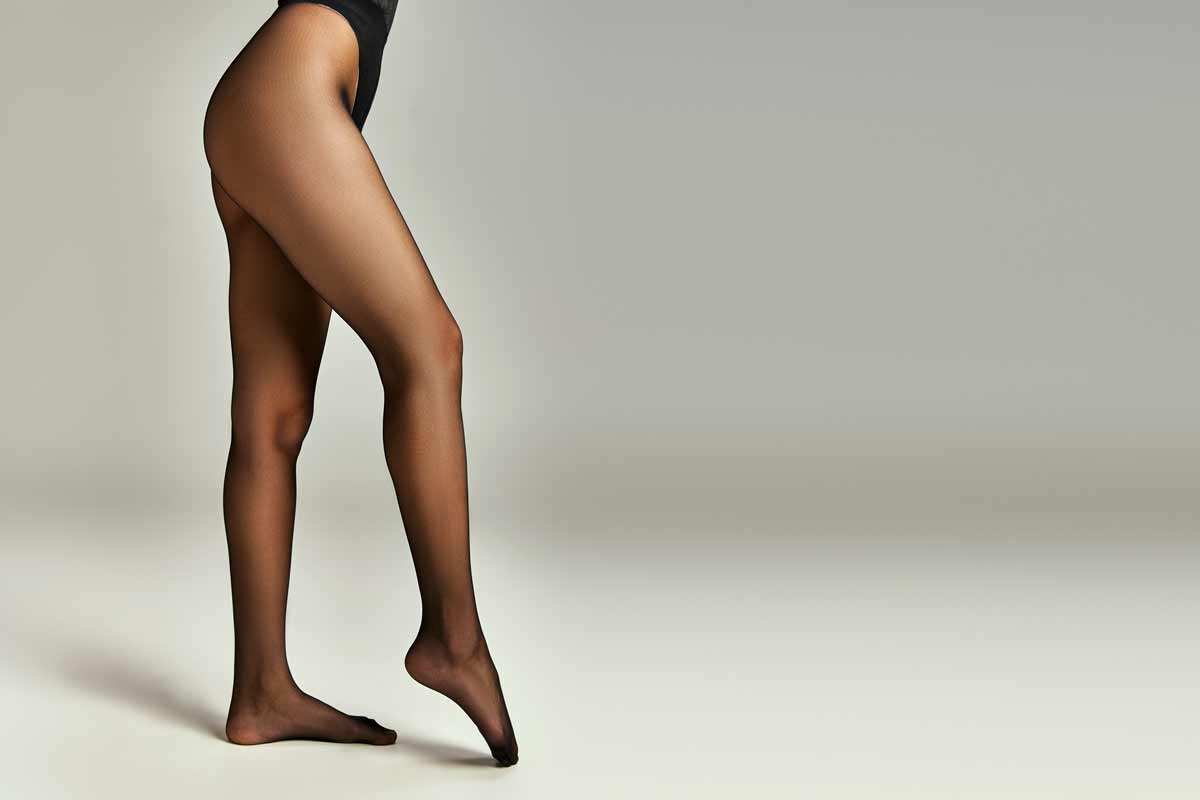
In 1998, a 27-year-old fax machine saleswoman in Florida cut the feet off a pair of pantyhose because she couldn't find anything smooth to wear under white slacks. She had no fashion background, no business training, and five thousand dollars to her name. That single, unglamorous act of frustration became Spanx - and, decades later, helped fuel a broader cultural shift in which shapewear stopped being something women hid and started being something they openly credit for how their clothes fit. The story of how that happened says a great deal about who actually gets to invent things, and why.
The Idea Came From Her Own Closet
Sara Blakely's white pants had hung unworn in her closet for eight months because she couldn't achieve the smooth silhouette she wanted underneath them without the bulk of a traditional girdle. Her solution - cutting the feet off control-top pantyhose to wear under the pants - was so simple that she later joked she might be the only woman in the world grateful for her own cellulite. She wrote her own patent application herself, had her artist mother sketch the prototype, and named the company Spanx specifically because made-up words trademark more easily and a name containing an "x" tends to grab attention.
What she discovered next was more revealing than the product itself: every manufacturer she approached to produce it was run by men, and every one of them turned her down. "It had never dawned on me as a consumer, but everybody making our shapewear and hosiery were men," she later said. "The people making it were not wearing it." She eventually convinced a hosiery mill in North Carolina to run a small batch, and a buyer at Neiman Marcus, sold on her live before-and-after demonstration, put the product in seven stores.
Oprah Changed Everything
The turning point was Oprah Winfrey naming Spanx one of her "Favorite Things" in 2000 - a single endorsement that let Blakely quit her sales job and go all-in. She never took a dollar of outside investment for the first two decades of the company's existence, and Spanx didn't spend money on formal advertising until 2016, relying instead on word of mouth and Blakely's own media appearances. In 2012, Forbes named her the youngest self-made female billionaire in the world. In late 2021, private equity firm Blackstone acquired a majority stake in the company at a valuation of $1.2 billion, and Blakely celebrated by giving every one of her roughly 750 employees $10,000 in cash and two first-class plane tickets to anywhere they wanted to go.
Shapewear Stopped Being a Secret
For most of the twentieth century, foundational garments like girdles were something women wore and rarely discussed - an invisible architecture nobody was supposed to notice. The cultural shift Blakely helped accelerate was making shapewear something people openly credit, discuss, and even display: control-top leggings worn as regular pants, sculpting bodysuits worn under sheer fabric on purpose, and a resurgence of visible corset-inspired silhouettes on runways and red carpets - a trend fashion press now shorthand as "corsetcore." The aesthetic borrows the historical corset's structured waistline and boned silhouette, but rebuilt in stretch fabrics and worn as a statement piece rather than an invisible foundation, which is a genuinely different cultural posture than the garment it references.
Why the Category Keeps Growing
The broader shapewear and lingerie market has continued expanding well past Spanx's original niche, driven by the same forces reshaping all of intimate apparel: better fabric technology, more size-inclusive ranges, and a growing acceptance that structural support and personal confidence aren't contradictory ideas. Blakely herself hasn't stopped inventing - in 2024 she launched Sneex, a heeled-sneaker hybrid brand solving a different, equally unglamorous problem: shoes that look like heels but don't hurt to stand in all day.
The Real Point of the Story
What makes Blakely's story worth telling isn't just the billion-dollar outcome. It's that an entire category of garment - one directly touching millions of women's bodies every day - had, until she got involved, been designed almost entirely without the input of anyone who actually wore it. That gap, more than any single product, is the real history of shapewear's quiet revolution.