
Children in Quebec
The best for your child
Elite College
Tutoring in Brossard and Saint-Hubert
Elite College South Shore campus brings the same tutoring and exam-prep programs to Brossard and Saint-Hubert, so families on this side of the river are not stuck driving into Montreal every weekend. Classes run Wednesdays and Saturdays, covering the same core subjects and secondary entrance exam prep as the main campus, plus summer camp programming.
More detailsElite College
Tutoring School in Saint-Laurent
This is Elite College Saint-Laurent campus, a short walk from Côte-Vertu metro, built around weekend classes for families who can not do weekday tutoring. The focus here is squarely on secondary school entrance exams - French, math, and logic for Grade 4 and 5 students, plus the grammar, reading, and writing work that actually shows up on those tests - alongside the school's summer and winter camp programs.
More detailsElite College
Tutoring School in Montreal
Elite College has been preparing Montreal students for over twenty years, from preschool through secondary school, with a specific focus on getting kids into the city's top schools through entrance exam prep. Beyond the core subjects - French, English, math, science, and art - the school has kept pace with what actually matters now, adding robotics, coding, and 3D design to its programs, along with adult vocational training and international student placement services.
More detailsNadine Dance Academy
Stretch, Belly Dance, and Kids Acrobatics
Dance Academy Nadine, sharing its Jean-Talon studio with Pro Stretch MTL, runs classes for flexibility and posture, belly dance, and acrobatic gymnastics for kids - a boutique, woman-owned space where classes stay small enough that the instructor actually knows your name by the second session.
More detailsPetite Planete
Home-Based Family Daycare in Roxboro
Petite Planète is a family-run home daycare in Roxboro built around one idea: your child gets the same attention and care as one of the family's own. The day is filled with varied play and learning activities designed to keep things interesting and help kids settle into daycare comfortably, not just pass the time.
More detailsPetkova Petkova
Dentist with Experience in Bulgaria and Canada
I am a general dentist with experience in both Bulgaria and Canada, a member of the Ordre des dentistes du Québec, treating adults and children near Henri-Bourassa and Acadie metro. Beyond routine care, I focus especially on orthodontics for kids of any age - because a childs smile is worth investing in early, not fixing later.
More detailsGramota School
Oldest Russian School, Since 1995
Founded in 1995, Gramota was Canada's first general-education Saturday school built on the Russian curriculum. Thirty years later, its main campus meets inside Pensionnat du Saint-Nom-de-Marie in Outremont, one of three locations serving roughly 700 students across Montreal and the South Shore, from early childhood groups through high school, plus Russian-as-a-foreign-language classes for adults.
More detailsGramota School
Russian School Branch on South Shore
This is the South Shore campus of Russian school Gramota, Montreals oldest Russian Saturday school, meeting inside Collège Notre-Dame-de-Lourdes near Longueuil metro - bringing the same curriculum to Russian-speaking families on the South Shore without the trip into the city.
More detailsGramota School
Russian School Branch in Saint-Laurent
This is the Saint-Laurent campus of Русская школа Грамота, Montreal's oldest Russian Saturday school, meeting inside École secondaire Saint-Laurent near Côte-Vertu metro. Same curriculum, same thirty-year track record, closer to home for families on the island's west side.
More detailsNoire pointée
Music, Theater, and Arts School
École de musique Noire pointée opens the door to music, theater, and the arts for children from early childhood through their early teens, with instruction available in both French and Russian. Musical theater, storytelling-based group music classes, individual instrument lessons (violin, guitar, ukulele, piano, recorder), and visual arts, all built around curiosity, confidence, and the sheer joy of making something.
More detailsMechta School
Russian Language and Culture School
Mechta has taught Russian language and culture to children in the Montreal area since 2001, running classes three times a week alongside creative activities, student competitions, and cultural programming. The center partners with the Embassy of Russia in Canada and holds membership in MAPRYAL, the international association for teachers of Russian language and literature.
More detailsLATEST ARTICLES AND INSIGHTS
Quiet Anxiety
What Todays Teenagers Are Afraid Of
Teenagers rarely talk about their fears directly. They might slam a door, disappear into a phone, snap at an ordinary question, stop mentioning school, spend days on end preparing for exams, or, conversely, suddenly lose interest in everything. Adults often see only the surface: laziness, rudeness, phone addiction, a difficult personality, mood swings. But behind all of this there is frequently anxiety - deep, viscous, poorly articulated, and therefore especially heavy to carry.
More details
Eyes on the Future: How to Protect the Vision in a World of Screens
Childrens eyes today are working under conditions no previous generation has ever faced. School, homework, tablets, smartphones, online classes, video games, short-form video, group chats, presentations, e-books - from early childhood onward, a childs visual system lives under a state of near-continuous close-range demand. If parents once worried about a child sitting too close to the television, today the question is far larger: how do you protect vision in a world where screens have become the medium of learning, communication, and play? The answer is not in a bottle of supplements. It is in a set of habits - consistent, unglamorous, and within reach of every family.
More details
How to teach children to think if AI already writes for them
The central question in education is no longer whether students should be allowed to use artificial intelligence. That stage has, in practice, already passed. The question is now far more serious: how do we preserve the human habit of thinking independently when a machine increasingly offers fast, polished and convincing answers? The real danger of AI is not that it can help someone write a text. The danger is that it can quietly replace the very process through which thought is formed.
More details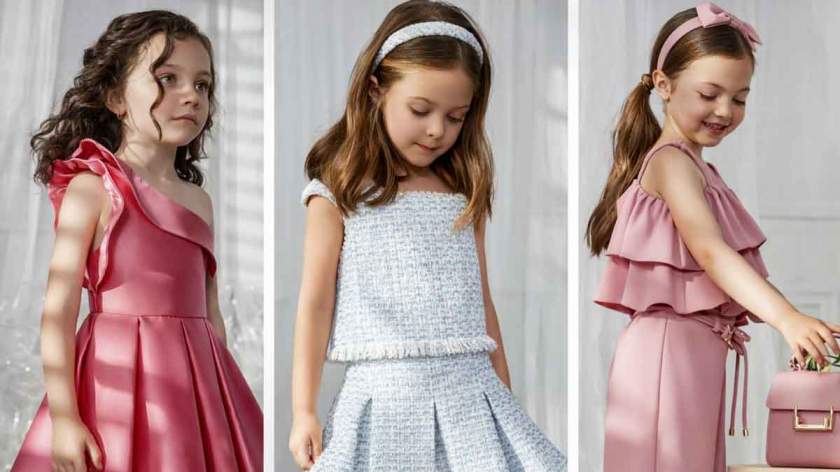
Zero 20 Kids: Children Clothing for Special Occasions and Everyday Life
In every familys life, there are moments worth remembering for years to come: weddings, religious ceremonies, important celebrations, and family gatherings. For such occasions, childrens clothing must be appropriate for the event, look refined, and still remain comfortable. This is exactly the area in which the Zero 20 Kids boutique, located in Vaughan, Ontario, has specialized for more than forty years.
More details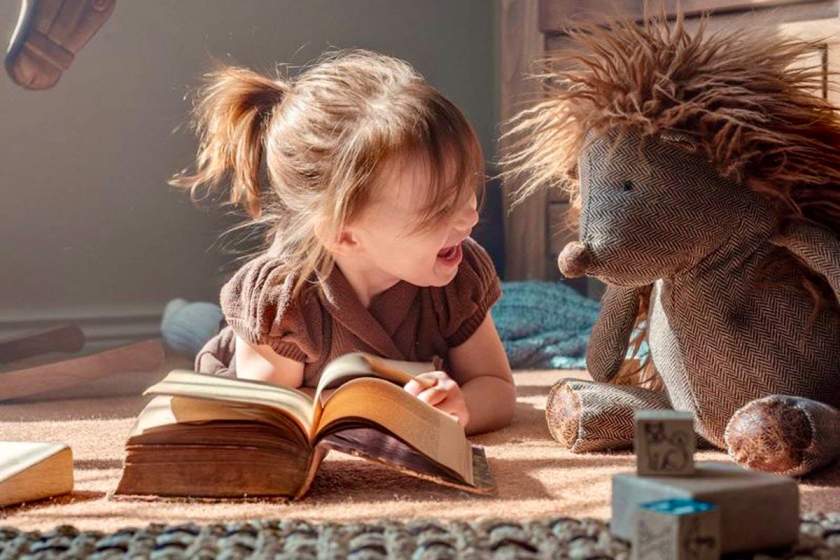
How to teach a child to play on their own
A child discovers the world through play. To an adult, it may look like simply moving blocks around, talking to a toy or endlessly building a house out of cushions. But for a young child, play is serious inner work: it develops speech, imagination, social skills, the ability to invent, choose, try and make mistakes. That is why independent play is not just a convenience for parents. It is an important stage of growing up.
More details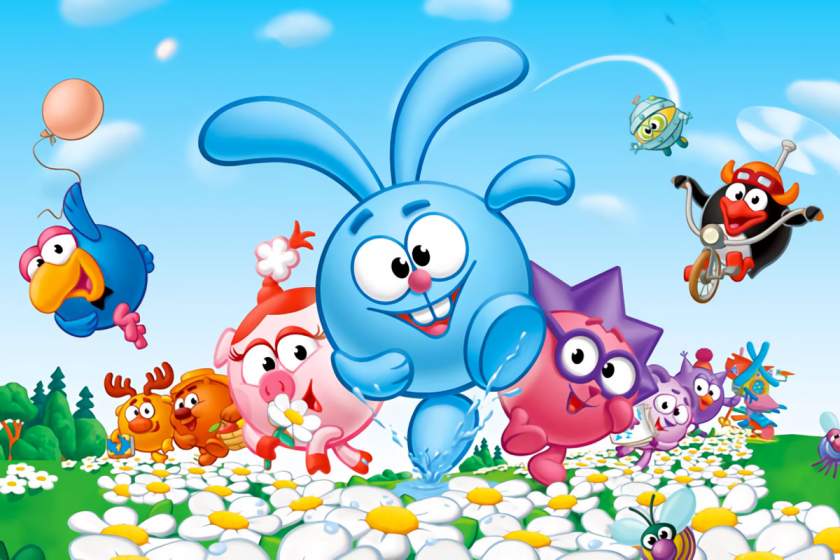
How the cartoon about round animals became an international brand
The success story of the cult series
The first episodes of KikoRiki appeared on television in the early 2000s, and since then the round characters created by artist Salavat Shaykhinurov have become part of the childhood of millions of viewers. What began as a bold idea from a small group of enthusiasts gradually turned into one of the most recognizable brands in Russian animation. Today, KikoRiki is known far beyond Russia: under the names KikoRiki, GoGoRiki and other localized versions, the series has been shown in more than 90 countries, and its international audience has become a major part of its success. Its expansion into China proved especially significant, giving the characters a new life and a vast viewer base.
More details
Why a stubborn child can be a good thing
A stubborn child can push even the calmest and most patient parents to the edge. They argue, resist, demand explanations, refuse to give in at the first request and seem to test adult boundaries with remarkable persistence. But behind this difficult behavior there is often not a bad character, but strong will, independence and an early attempt to protect a sense of self. The task of parents is not to break this quality, but to help the child learn how to use it wisely.
More details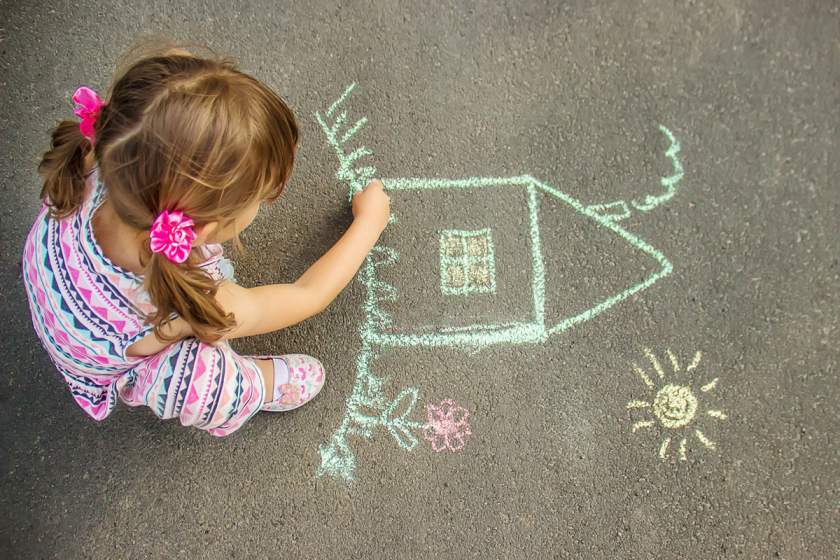
How to read a childs drawing
Maybe he is trying to tell you something
A childs drawing is rarely just a picture. To an adult, it may look like a house, a sun, a mother, a father and a few figures with uneven arms. To the child, it may be a way of describing a world they cannot yet explain in words. A drawing can contain joy, fear, jealousy, a need for attention, a sense of safety or, on the contrary, inner tension. But childrens drawings must be read with great care: not as a diagnosis and not as a ready-made psychological code, but as an invitation to look more closely at the child and speak with them more gently.
More details
Tom and Jerry: a few facts about the cartoon
That taught the world to laugh
Some cartoons belong to their own time, and some seem to fall outside time altogether. Tom and Jerry belongs to the second category. You can watch it as a child, then as an adult, then show it to your own children - and still understand why a cat, a mouse, a piano, a frying pan, a door, a staircase and one perfectly timed pause can make people laugh without a single explanation. The first short was released in 1940, yet the duo still lives in global culture because its language is almost universal: movement, music, rhythm, pain, revenge, triumph and comedy refined to a jewellers precision.
More details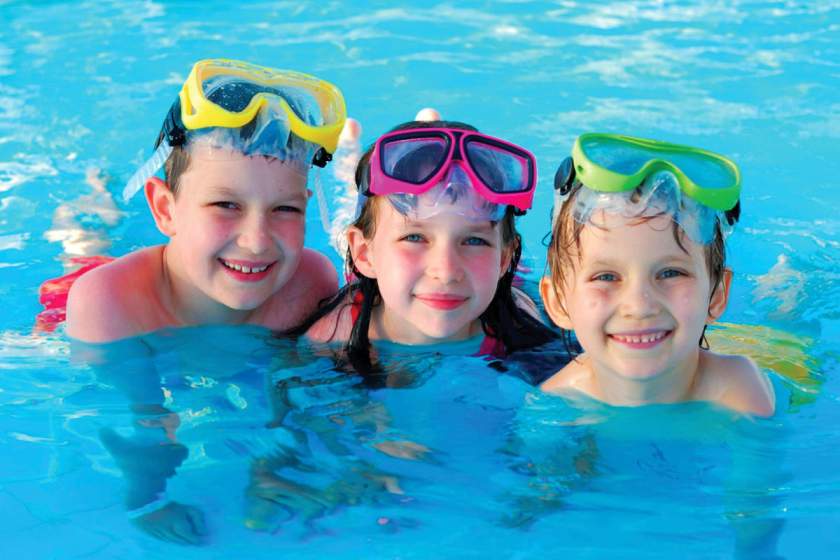
Elite Swimming School in Vaughan
Would You Like to Learn Yourself, or Teach Your Children and Grandchildren to Feel Light, Natural, and Confident in the Water?
More details
How to teach children to be happy
The biggest mistake in modern parenting is not that we have given children too many screens, too many choices or too much softness. The more dangerous mistake is this: we have taught them that happiness is the normal state of a human being, almost the required background of life. If you are not happy, something must be wrong with you. You must have missed something, failed to achieve something, failed to buy something, failed to build something, failed to become the “best version of yourself.” This beautiful, convenient and deeply false idea is making many young people anxious, disappointed and inwardly fragile.
More details
How to teach a child to appreciate what they have
Gratitude does not begin with the word Thank you! The word matters, of course, but on its own it guarantees very little. A child may know the rules of politeness perfectly and still take everything good around them for granted: toys, trips, good food, parental time, help, comfort and safety. Real gratitude goes deeper than good manners. It is the ability to notice the value of what is already present, understand the efforts of other people and not live with the constant feeling that happiness begins only after the next purchase.
More details
What is important to know about the stages of a childs development
A childs brain does not develop according to a school calendar or a parents wishes. It matures gradually: first the systems responsible for basic movement, sensation and perception become stronger; later, speech, attention, memory, self-control, planning and the ability to understand consequences become more complex. That is why expecting adult logic from a four-year-old is as unrealistic as expecting a teenager to show the emotional steadiness of an experienced adult. This is not simply about bad behaviour or character. In many ways, it is about the development of the nervous system.
More details
How to instill the high values in a child
If you want your child to grow into a person worthy of respect, begin not with lectures, but with your own example. Children observe our actions far more closely than they listen to our words. They see how we speak to loved ones, how we treat money, how we respond to difficulty, whether we keep promises, whether we admit mistakes and how we care for those who are weaker. That is why the first and most important advice to parents is simple: continue developing yourself. You cannot demand maturity, honesty and inner strength from a child if those qualities are not visible in the familys daily life.
More details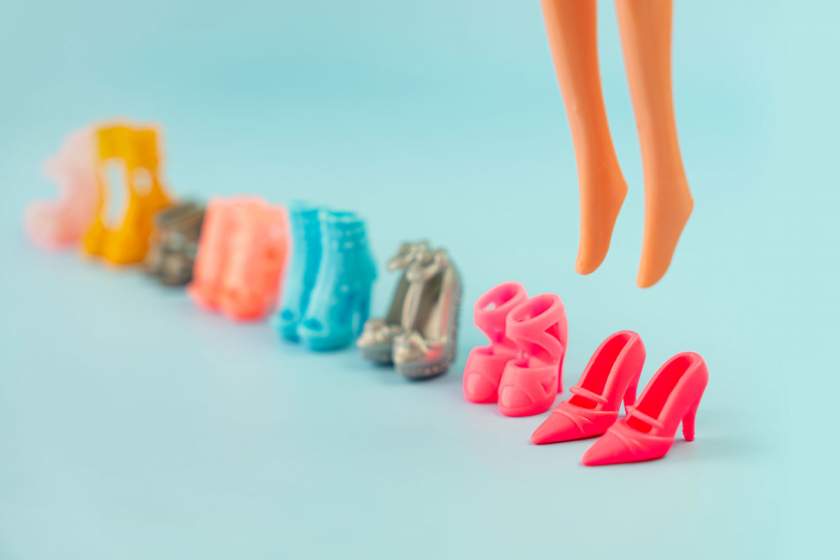
She Walked on the Moon Before Neil Armstrong
65 Years of Reinventing Barbie
Barbie made it to the moon in 1965 - four years before Neil Armstrong. The doll was not the first female astronaut in reality - she was simply Mattels bet on where a little girl's imagination should be allowed to go, years before NASA itself would let a woman anywhere near a spacecraft. That single detail says more about Barbies actual staying power than any sales figure could. Across 65 years and more than 250 distinct careers, the brand that has outlasted nearly every toy of its era has never survived by staying the same - it has survived by being willing, again and again, to visibly redesign itself in response to a changing world, sometimes gracefully and sometimes only after real public pressure forced its hand.
More details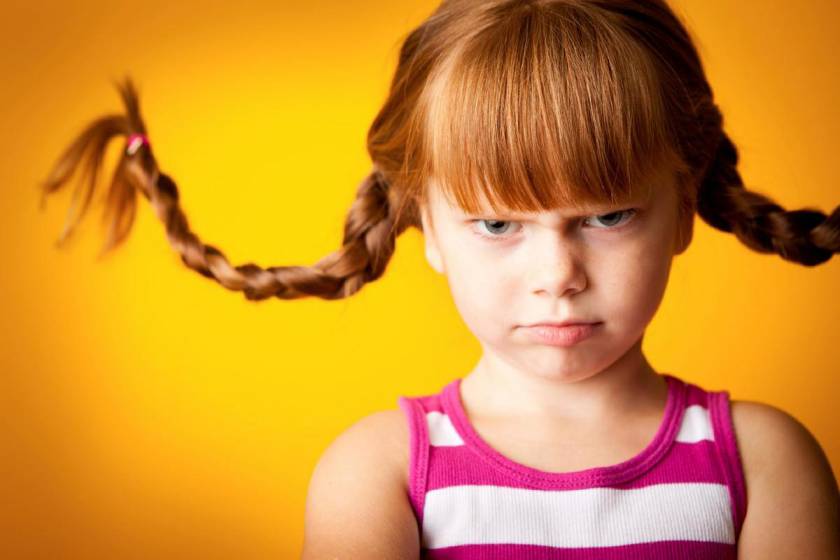
How to raise children without burning yourself out
Modern parenting often feels like life between two extremes: on one side, the desire to raise a strong, independent and emotionally healthy child; on the other, exhaustion, irritation, lack of time and an endless sense of guilt. We want to be calm adults, but sometimes we lose our temper. We want to give children freedom, but we are afraid of losing boundaries. We want to raise them without yelling and punishment, but we do not always know what should replace old-fashioned strictness. That is why a more mature conversation about discipline matters so much today: not discipline as control over a child, but discipline as a way to help a child grow into an internally steady person.
More details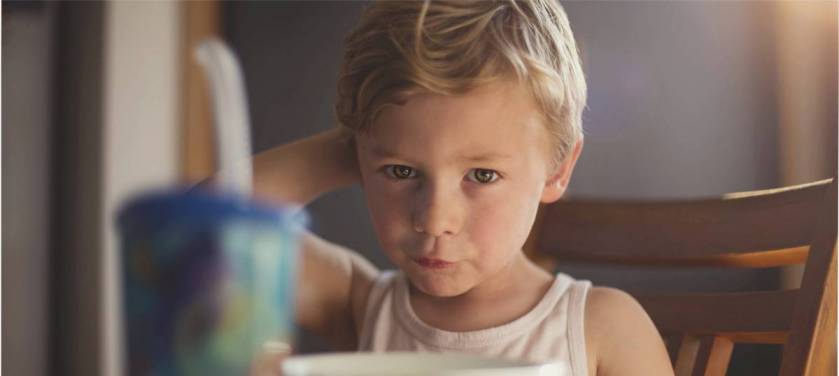
How to help a child cope with anger and nervousness
A childs tantrum is rarely just bad behaviour. More often, behind the crying, shouting, stubbornness or sudden rage is not a whim, but overload: a desire that feels too strong, too much fatigue, too many impressions, too few words to explain what is happening inside. A young child does not yet regulate emotions the way an adult does. The nervous system is still learning how to pause, wait, switch direction, ask, accept refusal and live through disappointment. This is exactly where an adult must be not a judge, but a calm guide.
More details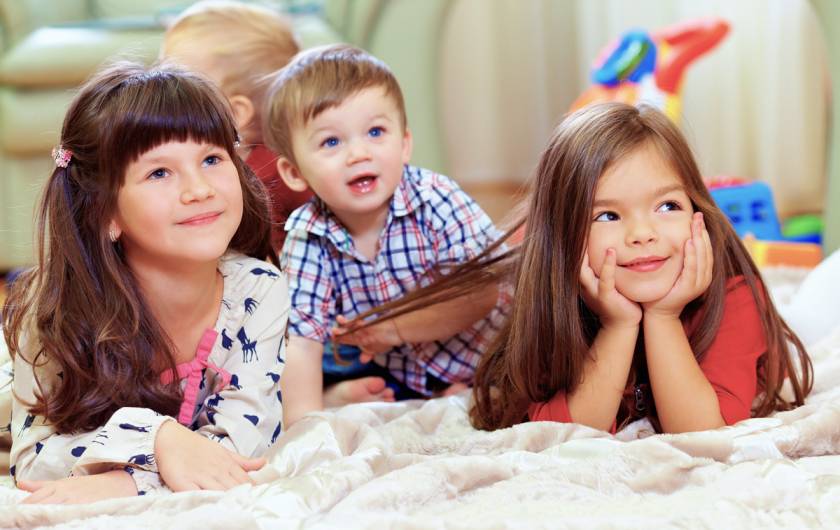
How to teach a child not to interrupt adults
Young children rarely keep their thoughts politely in line. They need to tell you right now what they saw, imagined, remembered or suddenly found important. Most of the time, this is not rudeness or bad manners. A child usually interrupts not because they disrespect adults, but because they are still learning how to wait, notice another conversation and manage an impulse. The good news is that this can be taught - calmly, gently and without endless reminders to “stop interrupting.”
More details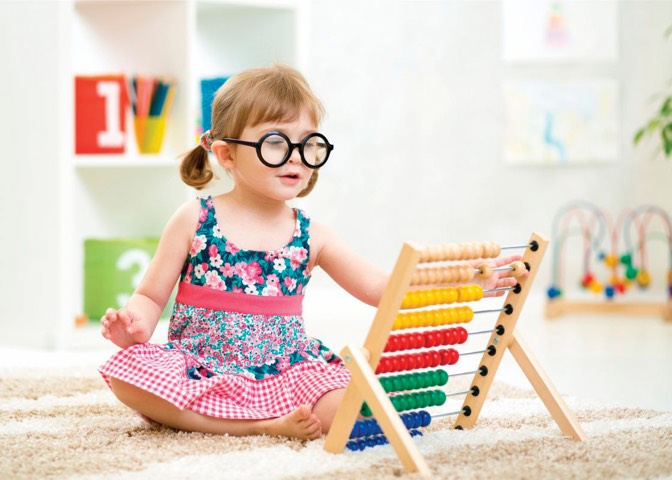
The day I stopped rushing my child
At some point, adult life begins to sound like one endless command: hurry. Answer faster, get dressed faster, leave faster, eat faster, go to bed faster, keep up, move on, do more. It feels as if the entire day will fall apart if we loosen our grip for even one minute. But sometimes a child who moves more slowly than we do is not falling behind. She is simply seeing what we have forgotten how to notice without rushing past it.
More details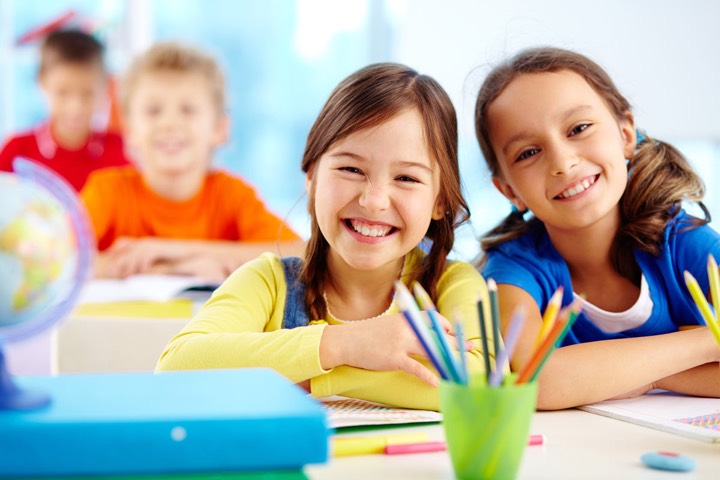
Why do our children go to school?
At first, the question seems almost too simple. Of course, children go to school to learn. To gain knowledge, earn grades, receive a diploma, continue their education, choose a profession and build a future. But if we stop at that answer, we miss the most important part. School is no longer simply a place where children receive a set of facts. In the modern world, it is a space where a child develops a relationship with knowledge, with effort, with mistakes, with other people and with their own future.
More details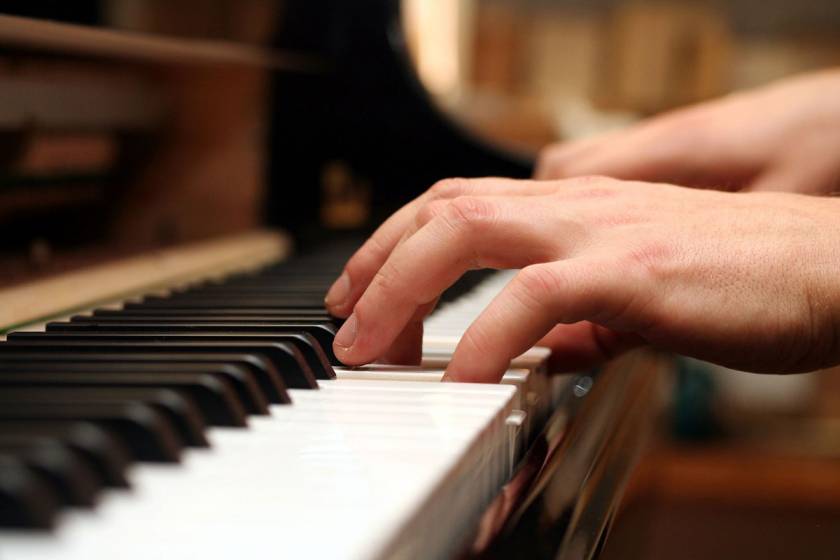
10 reasons to send your child to music school
Why does your child need music classes?
Music school does not have to turn a child into a future pianist, violinist or opera star. And that is good news for parents. The main value of music today is not only in concerts, exams and impressive certificates, but in the qualities it trains far beyond the classroom: attention, discipline, memory, listening, speech, coordination, performance skills, the ability to work through mistakes and the habit of finishing what has been started.
More details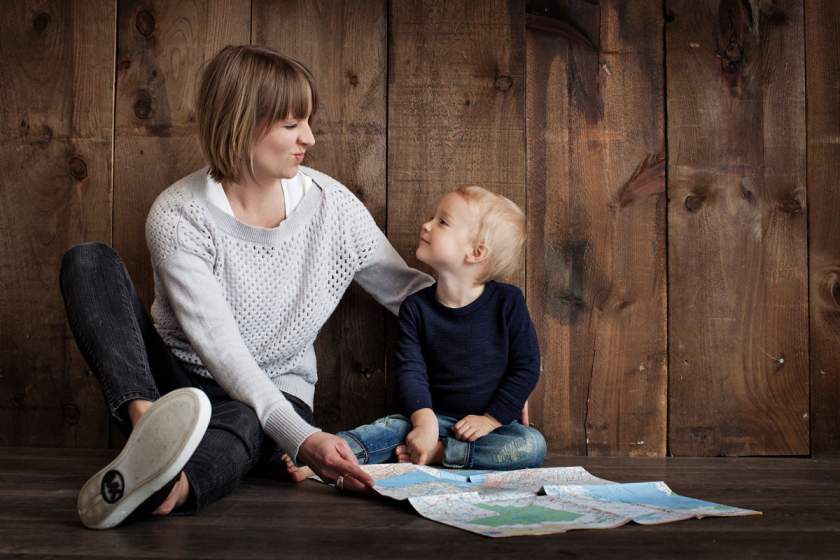
7 parenting styles and their influence on a childs future
Parenting does not begin with methods, charts or perfect rules. It begins with relationships. A child grows not only under the influence of what adults say, but also through how they speak, how conflicts are resolved at home, how adults deal with stress, keep promises, admit mistakes and show love. That is why a good parent, while raising a child, inevitably raises themselves as well.
More details


