
At least take the horse off it
The internet mocked the first electric Ferrari. Then it sold out.
On May 26, 2026, Ferrari shares on the New York Stock Exchange fell almost eight percent. Not because of a recall. Not because of a disappointing quarter. Not because a key engineer had defected to Mercedes. The reason was simpler, and more humiliating: the day before, the company had shown the world its first fully electric car - and the world did not like what it saw.
Bloomberg's headline came down to two words: brutal reviews. Within the first forty-eight hours, analysts counted 163 notable articles and breakdowns; 62 percent of them attacked the design outright, with no diplomacy at all. And in seventy-eight percent, one name kept surfacing - Jony Ive, the man who gave the iPhone its face.
The most quoted reaction came not from social media but from Luca di Montezemolo, who chaired Ferrari for more than two decades and in large measure built the very company whose shares were now sliding. He said he hoped they would "at least take the horse off it."
Five months pass. The car is sold out. Every one of them. The entire 2026 production plan was spoken for by the end of July; the Chinese launch on June 27 closed in a single day, with every car allocated to that market sold; and the first owners are collecting their keys right now.
Between those two facts - a total public drubbing and a total commercial triumph - lies the most interesting automotive story of the year. And it isn't about electricity.
A Slow Undressing in Three Acts
Ferrari did not show this car all at once, but piece by piece, over eight months. It was not indecision. It was strategy, and the sequence is worth reconstructing, because it explains a great deal.
Act one: October 9, 2025, Capital Markets Day in Maranello. Journalists were shown the chassis, the battery, the electric motors, the architecture - the bare technical anatomy, with no body and no name. The engineering press was enthralled: the numbers were exceptional even by the standards of a company used to living at the edge of the possible.
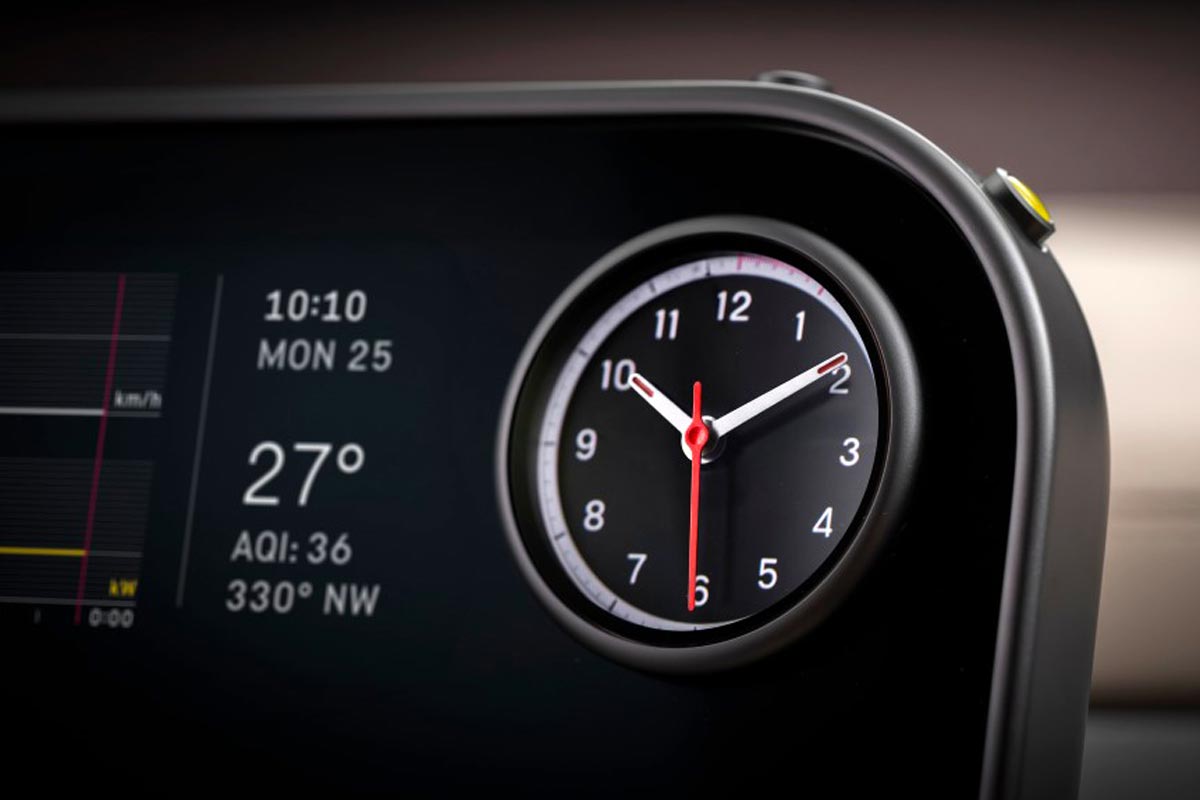
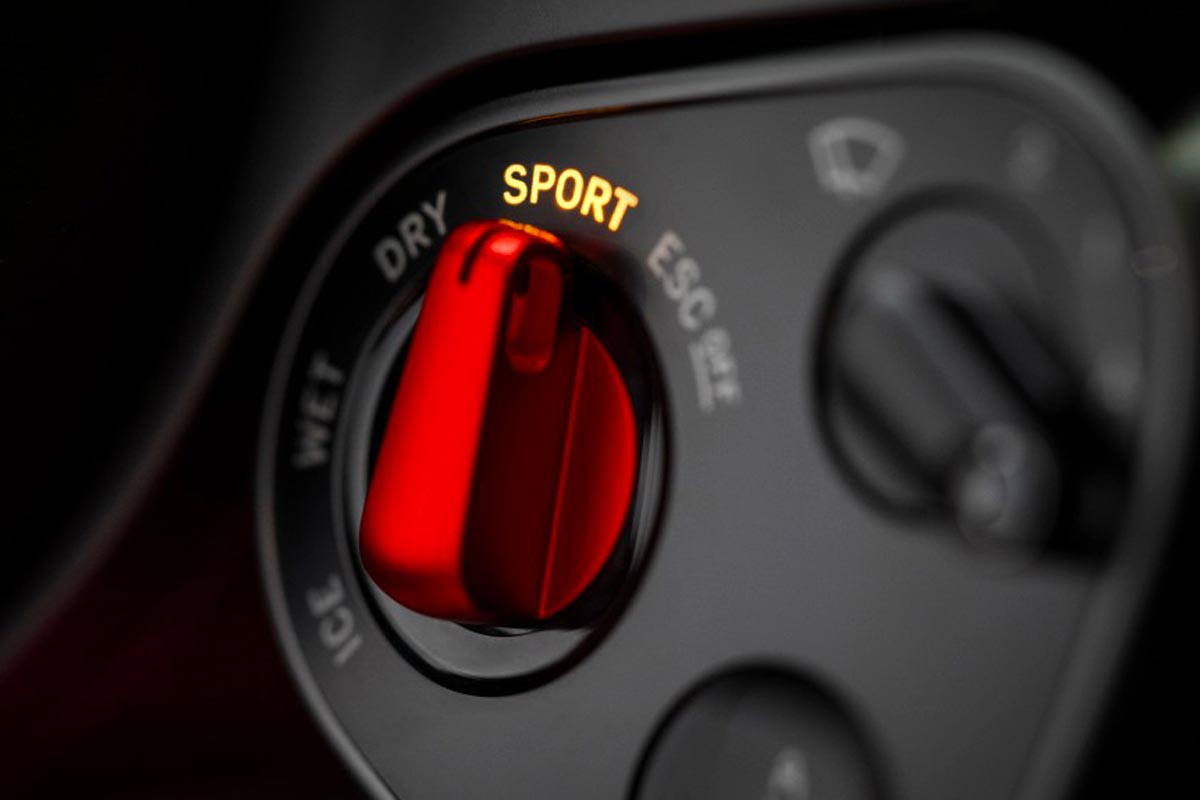
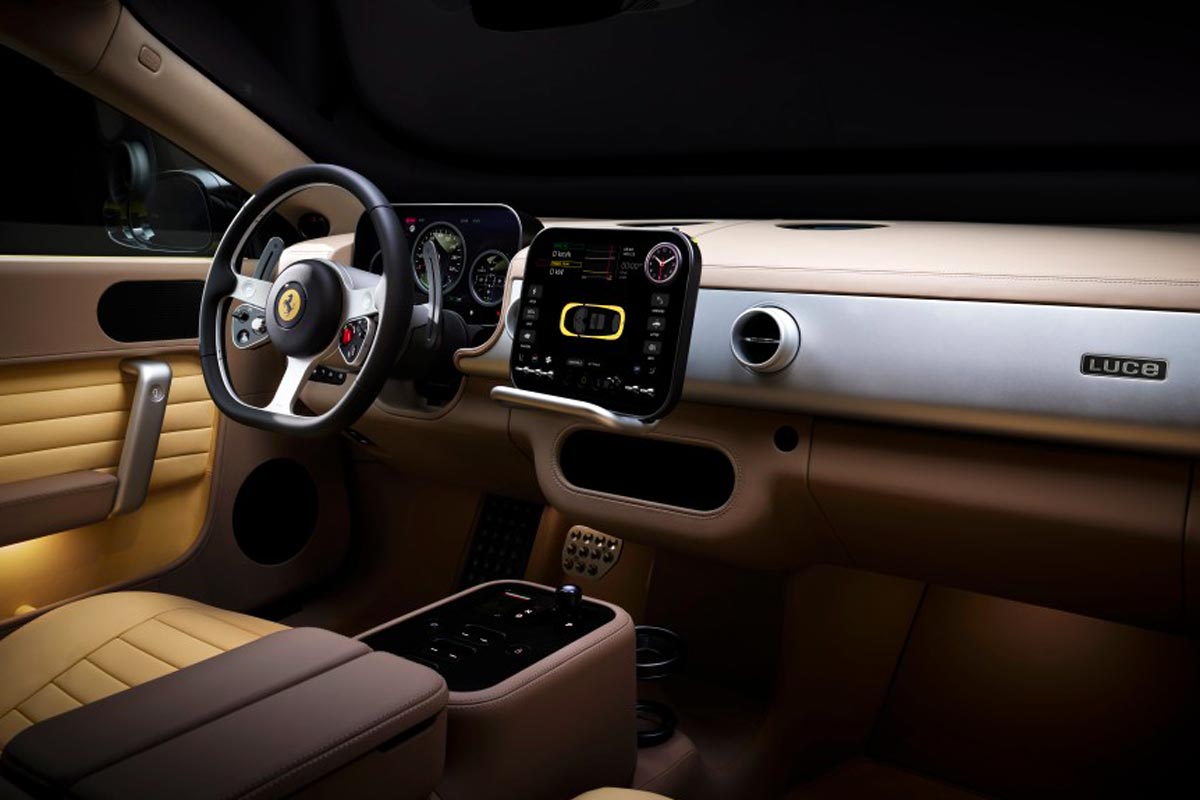
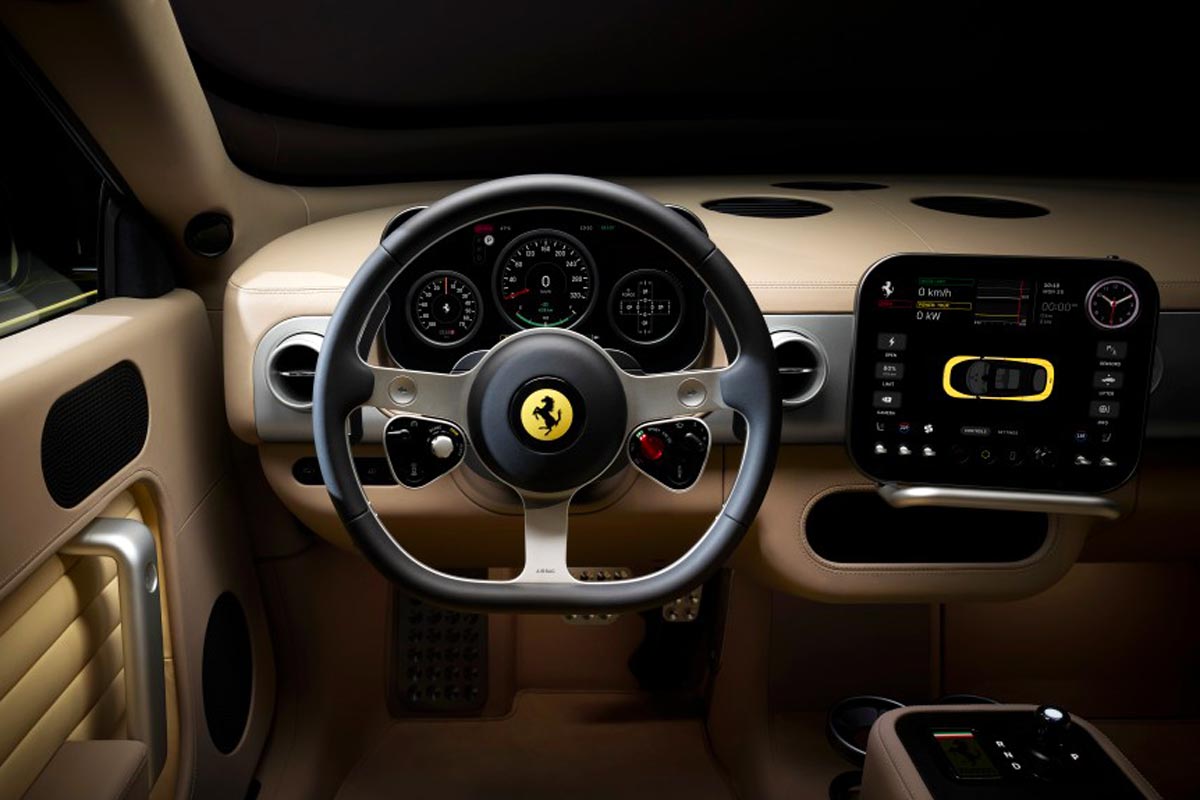
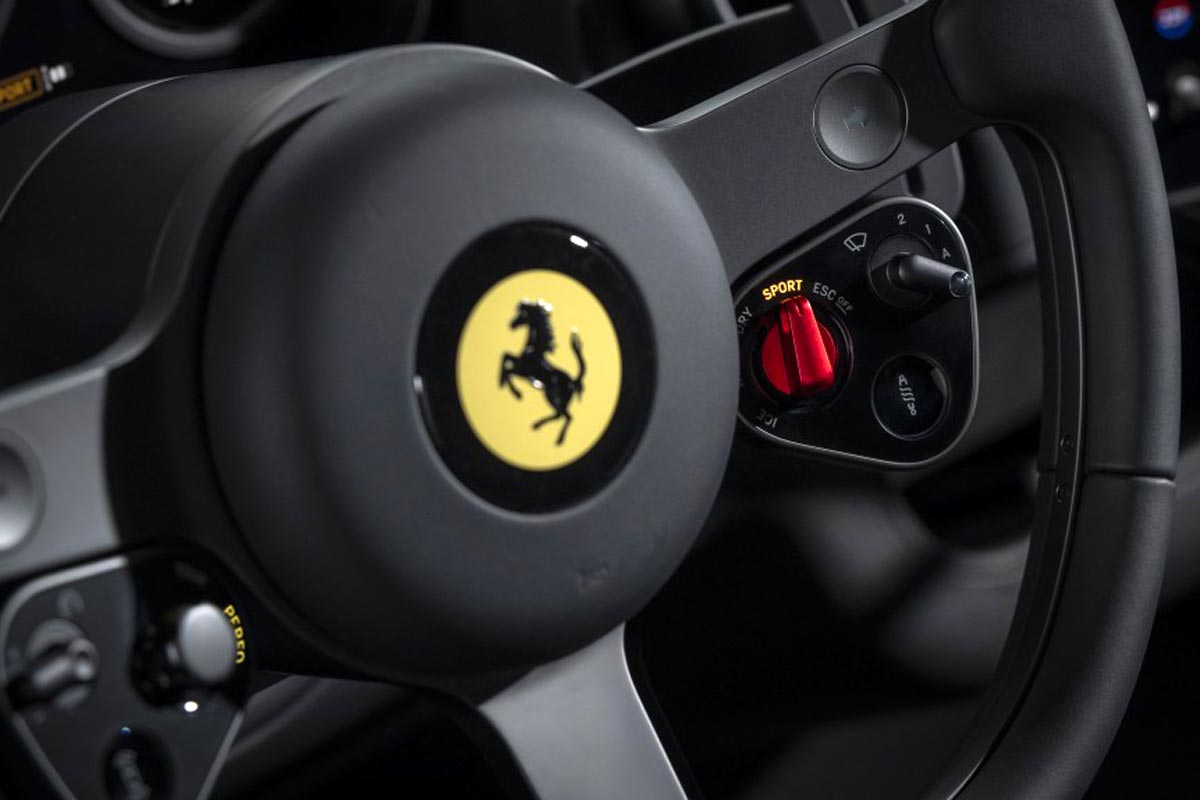
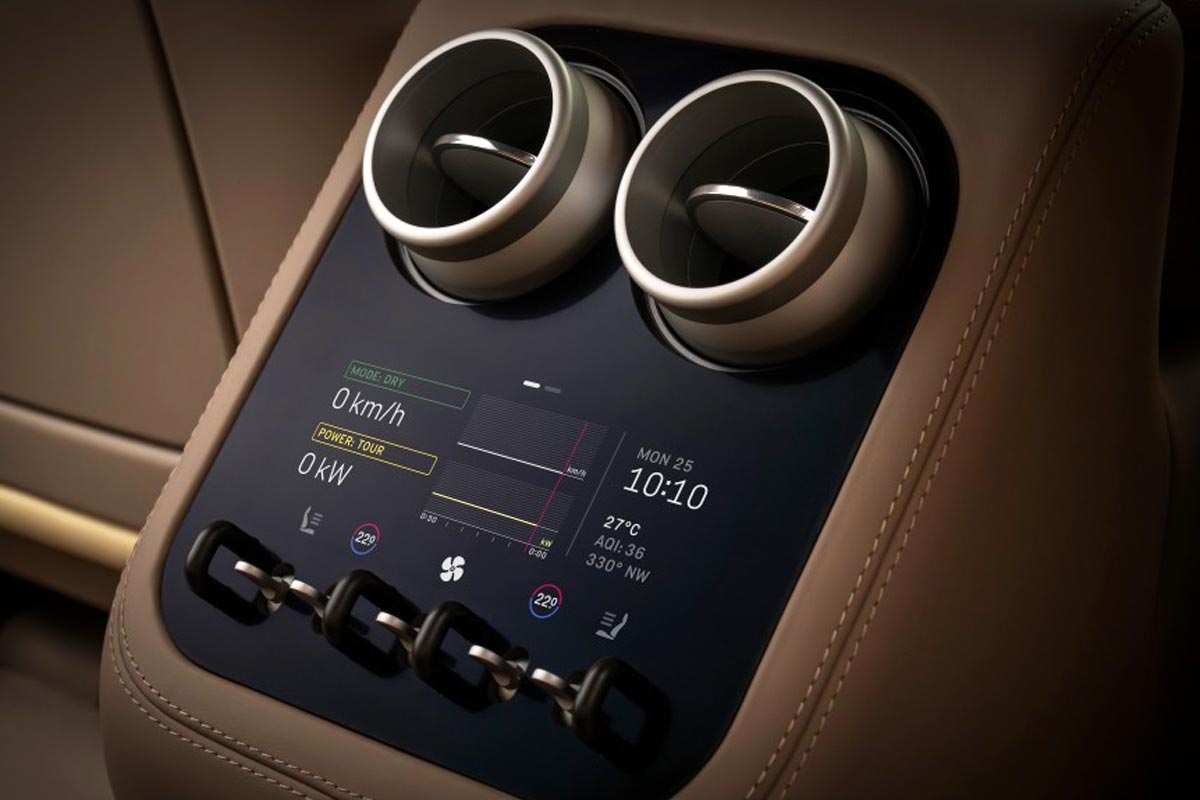
Act two: February 2026, San Francisco. Not Italy - California. There the interior was revealed, and there, for the first time, the name: Luce. Light. Elettrica, the name the car had gone by for two years, had been a working designation, never a name. The interior was received warmly, almost unanimously: calm, tactile, with real physical switches at a time when the entire industry has drowned its controls in touchscreens. Many reviewers called it a breath of fresh air.
Act three: May 25, 2026, Calatrava's "Sail" outside Rome. The body. The exterior. All of it. And that is when everything came crashing down.
What People Saw
You have to understand what they were expecting. Over seventy-eight years, Ferrari has trained the public into an almost reflexive expectation of form: low, wide, two seats, a long hood or an engine behind the driver's back, an aggressive stance you can read from a kilometre away. The expectation runs so deep that people don't experience it as an expectation. They experience it as a definition.
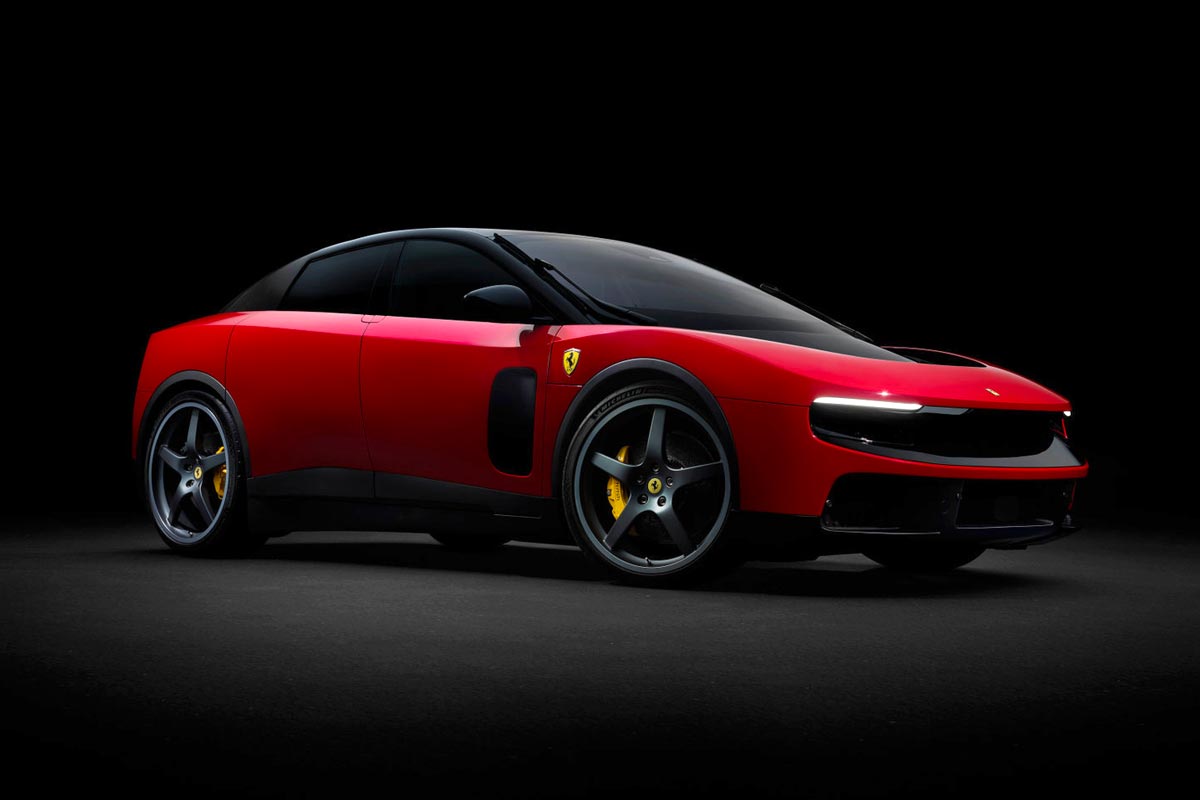
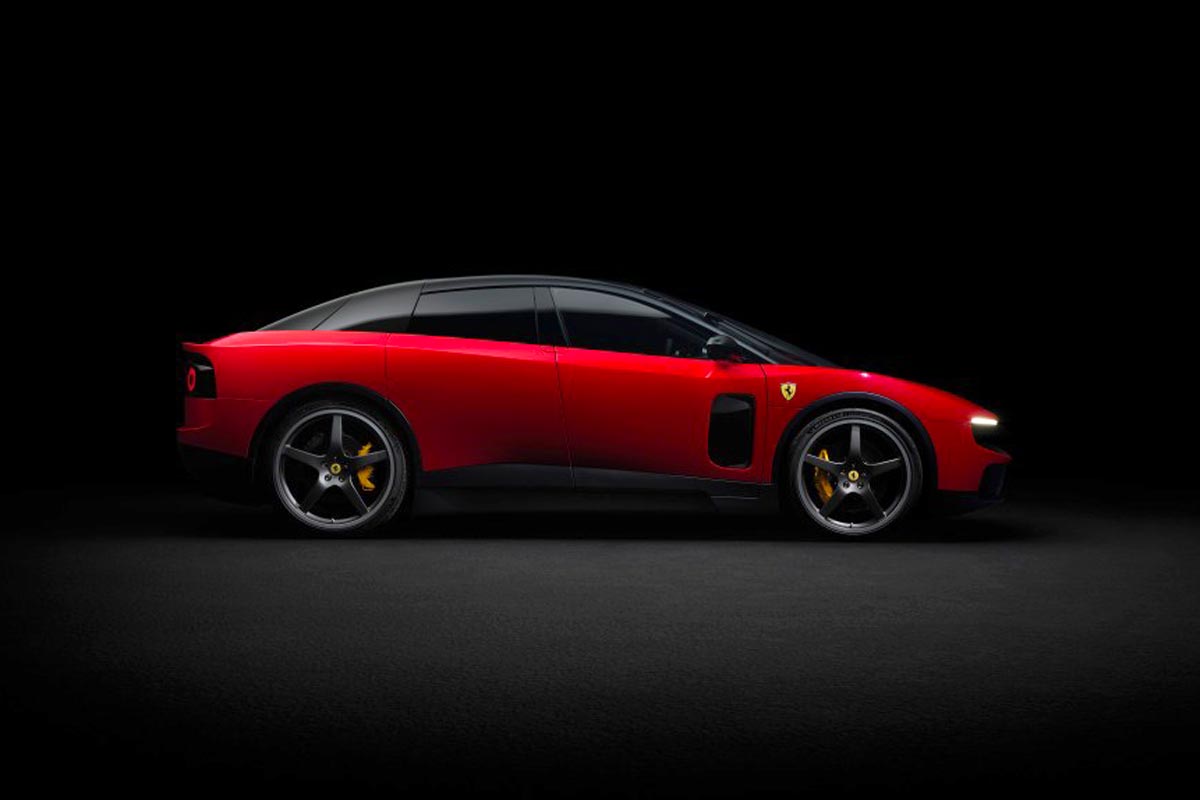
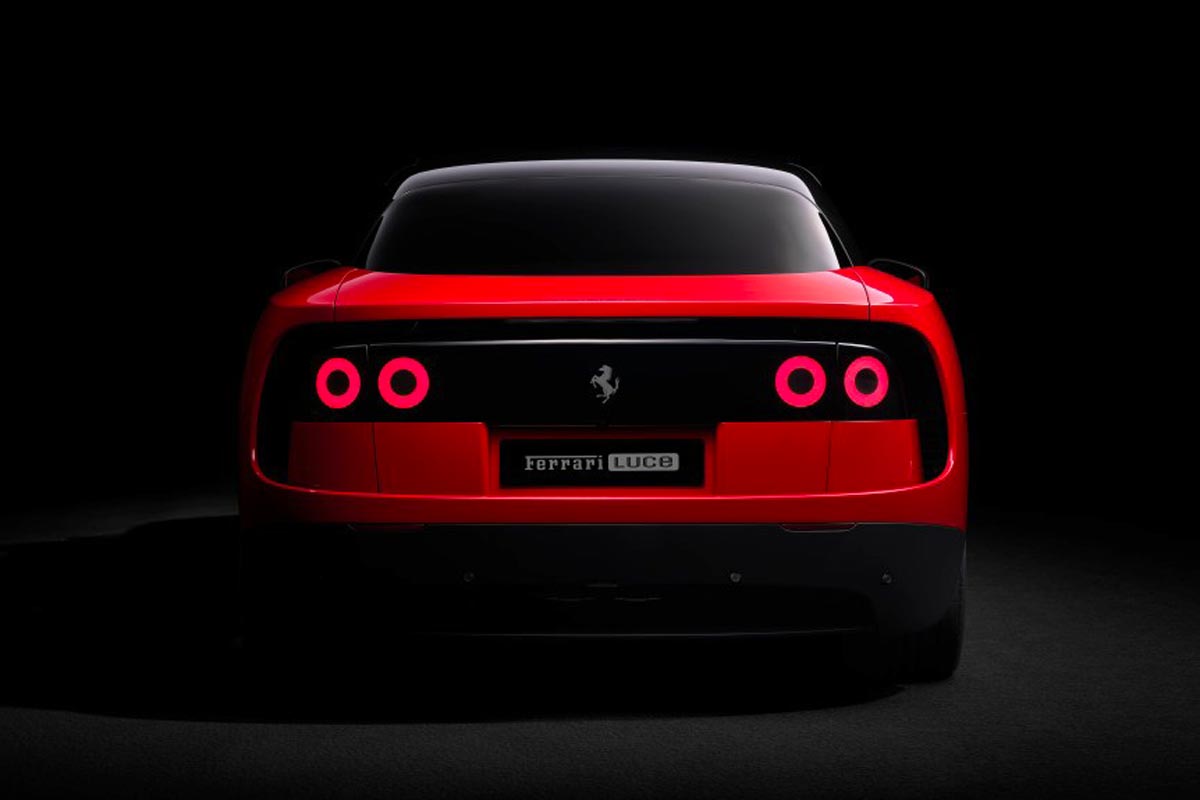
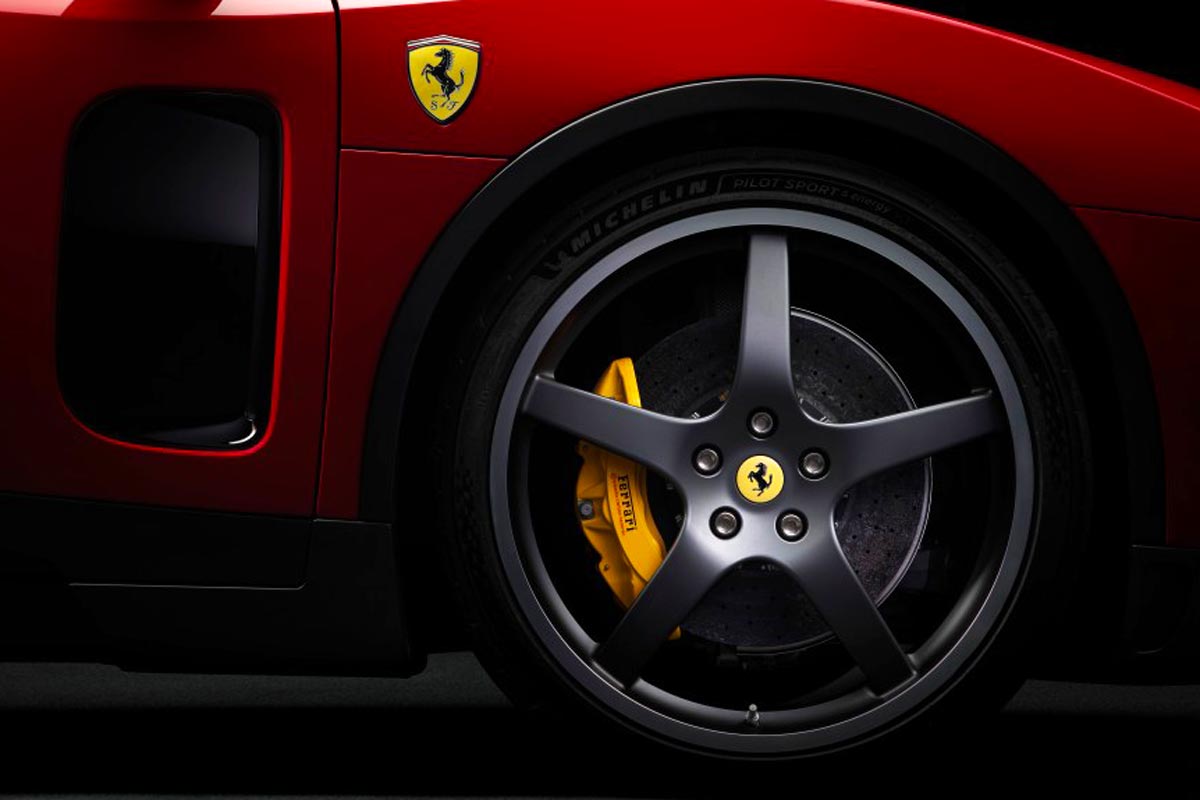
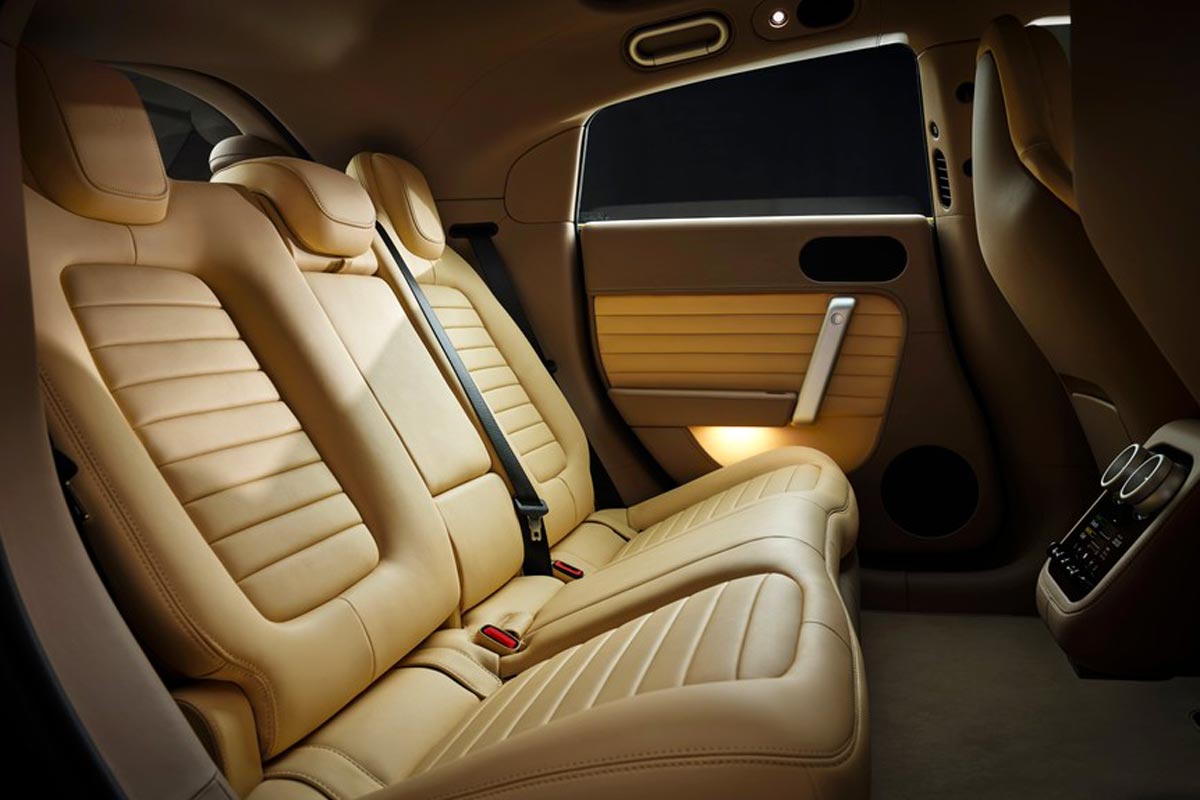
The Luce is a four-door, five-seat grand tourer. Five seats! For the first time in Ferrari's history, three people in the back. This is not a supercar that happens to have gone electric. It is a different kind of car, granted the right to wear this badge for the first time in the marque's history. And its proportions follow: a high roofline, a long wheelbase, a generous rear that has to house both people and a 122-kilowatt-hour battery.
The reaction was instant and merciless. "Enzo is turning in his grave." "It looks like a LEAF with a bad body kit." Within hours, these lines had travelled the entire internet.
Emanuele Carando, Ferrari's global chief marketing officer, later said something more candid than any press release: we expected a strong reaction, a very polarizing reaction, but we did not expect this scale. In other words, Maranello knew there would be a scandal. It simply hadn't imagined how big.
The Man Who Was Pulled Into It
Now to the heart of the matter. Seventy-eight percent of the criticism led back to a single name, and it is not an Italian one.
The Luce was designed by LoveFrom - the studio of Jony Ive and Marc Newson. The partnership with Exor and Ferrari was announced back in September 2021, but just how deeply LoveFrom reached into this project has only now become clear. In Ferrari's own words, the studio was given "creative space to define the design direction of the project from the outset."
From the outset. Not "helped with interior details." Not "consulted on the user interface." Defined the direction.
For a company with its own Centro Stile and a seventy-year tradition of Italian coachbuilding, the decision bordered on sacrilege. And it was made by John Elkann - Ferrari's chairman, head of Exor, a scion of the Agnelli family.
Elkann's reasoning is well known, and it is not foolish. He considered the Apple Watch "probably the most successful example" of digitally reimagining an analog object. The watch had existed for five hundred years as a mechanical device. Ive made it digital in a way that left people feeling nothing had been lost. Elkann looked at his own challenge - reimagining a car that for fifty years had been defined by the sound of its pistons - and saw the same problem.
The critics saw something else: a man from Cupertino entrusted with the most Italian object on earth.
In fairness, the interior, which Ive shaped to a large degree as well, was precisely what the public praised. Tactile toggles, a minimum of screen worship, a sense of calm within. It turned out people were happy to see Ive's hand inside the car and unwilling to see it outside. It is a subtle distinction, and it says a great deal about exactly where our line of the acceptable runs.
The Hardware Almost No One Talked About
Amid all of this, one thing nearly got lost: technically, the car is outstanding. And it deserves a closer look, because the engineering here is more interesting than the design.
The battery: 122 kilowatt-hours, with an energy density of 195 watt-hours per kilogram. That is a high figure - Ferrari built the pack in-house rather than buying an off-the-shelf module. An 800-volt architecture, charging at up to 350 kilowatts. A range of more than 530 kilometres.
Output: over a thousand horsepower, roughly 830 kilowatts. Zero to 100 km/h in two and a half seconds. Top speed: 310 km/h. In 2026, these numbers no longer astonish on their own; cars at a quarter of the price can reach 100 in two and a half seconds. What is more interesting is how Ferrari has organized that power.
Four electric motors, one per wheel, are packaged into two electric axles of Ferrari's own design. The rotors use a Halbach magnet array - a configuration taken straight from the Formula 1 program, where it extracts more power from less mass. The active suspension is carried over from the F80, the company's latest hypercar. The centre of gravity sits 80 millimetres lower than in an equivalent car with a combustion engine.
Four independently controlled motors mean a fundamentally different level of command over a car. In the conventional layout, the driver presses the pedal and the engine sends torque through the transmission and differentials, each system with its own inertia and its own limits. Here, torque at each wheel can be varied individually, a thousand times a second. The car stops being a machine that reacts to the road and becomes a machine that interprets it.
How to Give an Electric Car a Voice
The real problem with an electric Ferrari is not speed. It is silence.
The internal combustion engine is imperfect, and that is precisely why it is emotional. It breathes, climbs through the revs, changes character, sometimes resists. It has a sense of drama. The electric motor is almost too good: press, and you receive. Clean, linear, predictable. In urban transport, that is a virtue. In a car that sells an experience, it is a catastrophe.
The Luce's cleverest solution lies right here, and it deserves to be better known than the LEAF jokes.
Ferrari chose not to synthesize a sound. The market is full of electric cars piping a composer-written roar through their speakers, and the result is always faintly embarrassing - karaoke in place of a concert.
Instead, accelerometers are mounted on the rear axle. They capture the real mechanical vibration of the powertrain - the genuine sound of the motors, the reduction gear, the suspension under load - and that signal is amplified into the cabin. What the driver hears physically exists. It is neither a recording nor a synthesis. It follows the same logic by which an acoustic guitar sounds through its body: the source is real; the body simply makes it audible.
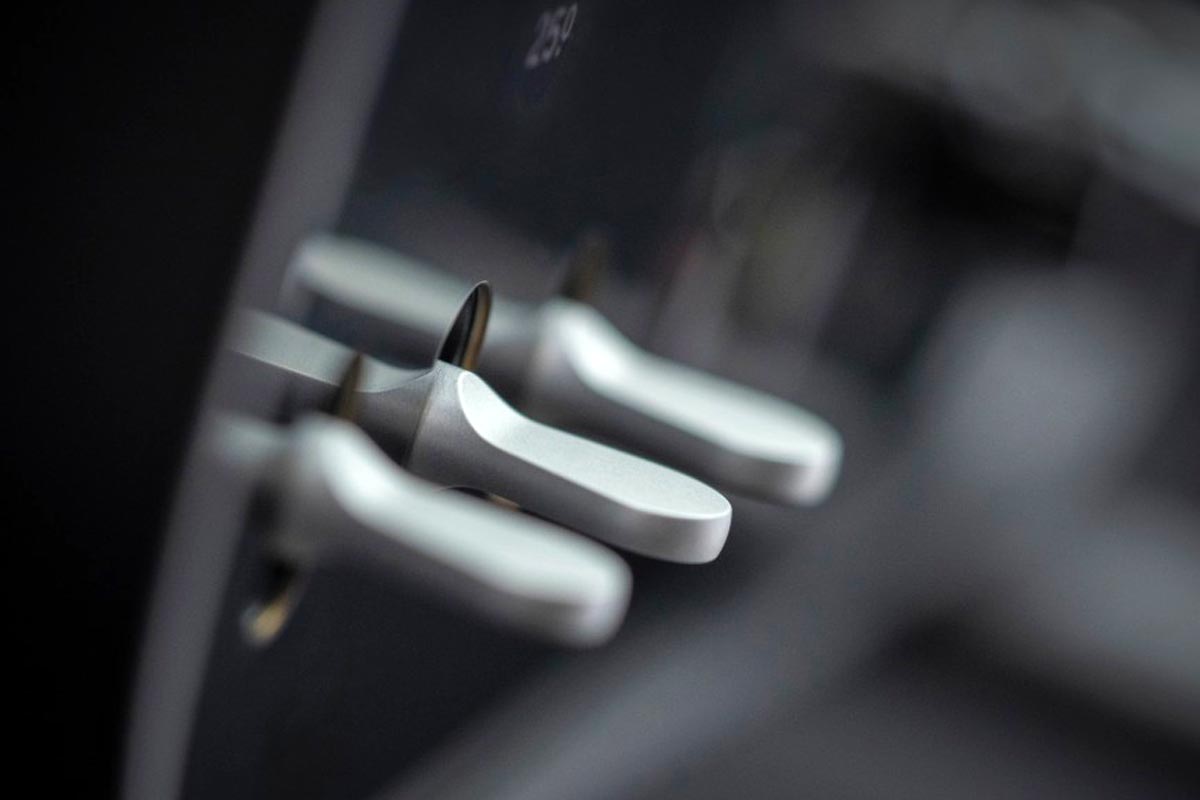
The second solution is simpler and more debatable. The paddles behind the wheel, technically unnecessary in a car without a gearbox, have been kept - and tied to a set of preset power and torque curves. Flicking them, the driver changes not a gear but the character of the delivery.
Critics will call it stagecraft. They are partly right. But the sports car has always been a little bit of theatre - the open gate, the click of the selector, the manettino on the wheel. The question is not whether it is artificial. The question is whether it is convincing.
Why They Bought It Anyway
And this is where the story turns.
Every car allocated to the Chinese market sold on launch day, June 27. By the end of July, the entire year's production plan was gone. Benedetto Vigna, the chief executive, puts it with restraint: he is "very pleased with how orders are going."
One crucial detail deserves its own moment: Ferrari confirmed that the Luce would not be tied to its allocation system. The company has an unspoken but well-known practice whereby access to the rarest models goes to clients with a purchase history. Many assumed the Luce would be pressed on those hoping for something more coveted: buy the electric one, and we'll talk about the next hypercar.
That did not happen. The Luce sells on its own merits. Prices run from roughly half a million dollars for a base car to seven hundred and twenty-five thousand for a well-specified one. Which means hundreds of people with that kind of money looked at a car the internet had likened to a LEAF and wrote a cheque. Not out of ignorance - they had read the same reviews. And not out of a collector's bet that the first electric Ferrari would become a historic rarity: that bet might explain the first hundred buyers, but not an entire year's production.
The Gap
So what actually happened here?
What happened was a rather stark demonstration that public opinion about Ferrari and the Ferrari market are two almost unrelated phenomena.
Millions of people discussed the Luce. A few thousand in the world can buy it. They are not the same people, and they do not share the same criteria. For the first group, Ferrari is an image assembled from race broadcasts, posters, video games and forty years of cultural baggage. That image has two seats, sits low and is loud - and the Luce offends it.
For the second group, Ferrari is something you use. And here four doors, five seats, 530 kilometres of range and a silent cabin stop being a betrayal. They become something the lineup has never had: a Ferrari that takes the whole family - all five of them.
The critics argued over whether the Luce had the right to be a Ferrari. The buyers were answering a different question - whether they wanted such a car. These are different questions, and their answers are under no obligation to match.
It is worth noting, too, that the eight percent drop in the shares was itself a public reaction rather than a market one in the narrow sense. Investors were weighing not the car but the likelihood that the brand had been damaged. Two months later, it turned out there was no damage. It is a useful illustration of how today's information space works: the speed of reaction has long since outrun the speed of understanding.
What It's Really About
It would be easy to read this story as a victory of corporate calculation over the taste of the crowd. That would be too convenient, and not entirely true.
The critics were not wrong in what they observed. The Luce really does not look like a Ferrari in the sense that word has carried for seventy-eight years. When Montezemolo asked for the horse to come off, he was not talking nonsense - he was saying that a symbol stands for something specific, and if anything at all begins to be built beneath it, the symbol wears thin. It is a serious argument, and it has a long history: the same was said of the first Porsche Cayenne, and said in vain as far as Porsche's accountants were concerned, but not in vain as far as what the word "Porsche" means today.
On the other hand, Elkann was not wrong either. A company that sells nothing but reproductions of its own past eventually stops being a company and becomes a museum with a production line. Ferrari has stood at this fork before: when it began building comfortable grand tourers for wealthy clients rather than only machines for racing, purists said exactly the same thing.
The difference is that such an argument once played out over a decade in the motoring magazines, and both sides had time to think. Now it fits into forty-eight hours and eight percent of market capitalization.
And then autumn arrives, and the cars simply drive off to their owners.
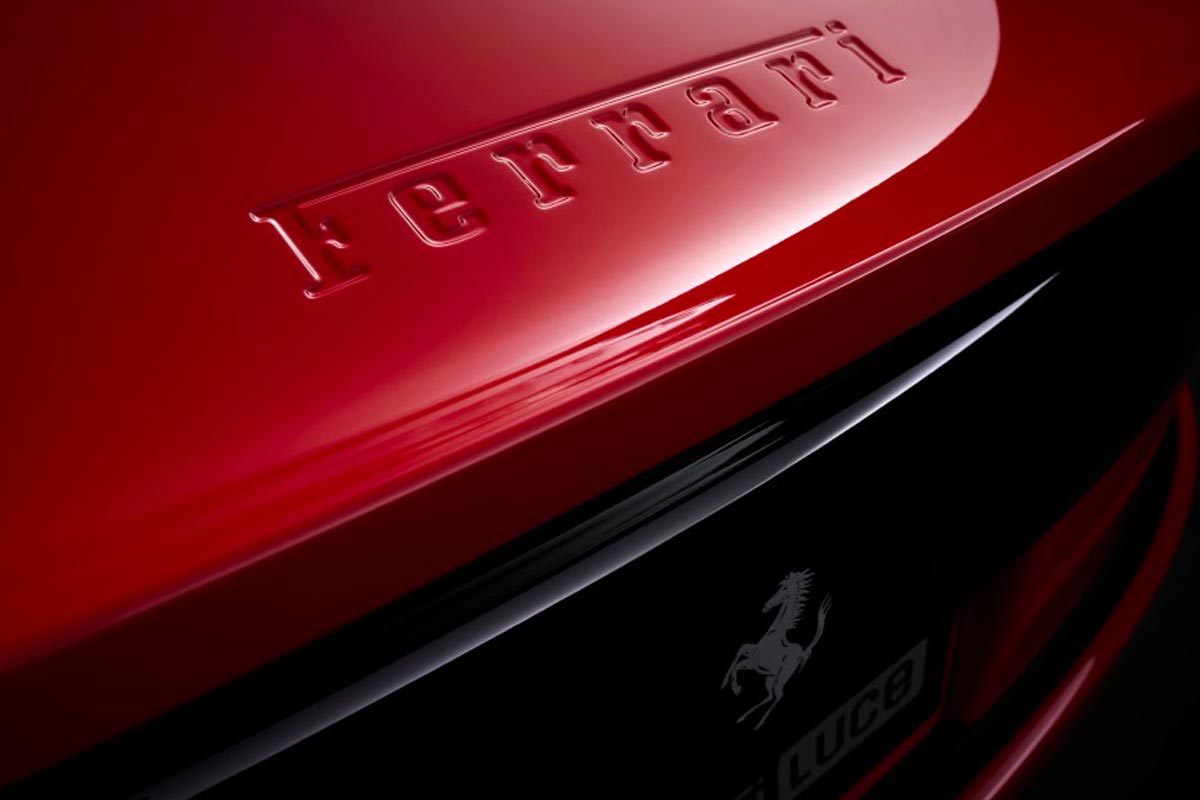
There is a lovely coincidence in the name. Luce means light. A company whose identity rested for half a century on sound named its first silent car after something that makes no sound at all.
Someone in Maranello clearly knew exactly what they were doing.