
The moment when skeptics keep silence
Porsche Cayenne Electric
Electrification in the world of premium SUVs is no longer an experiment. It is an inevitability. Yet even against this backdrop, the new Porsche Cayenne Electric feels like more than another step in the evolution of the model range. It feels like a genuine turning point. This is the brands third fully electric vehicle after the Porsche Taycan and Porsche Macan Electric - and perhaps the most important one for Porsches future.
The context is complicated. The electric Macan has received strong reviews, but the premium SUV market remains cautious: buyers are still comparing EVs with familiar gasoline models, and Porsche continues to balance its traditional sporting DNA with a new electric reality. Against this background, the Cayenne Electric arrives as an answer to the central question: can a large electric SUV truly be a Porsche?
The answer is yes. And more than that.
The Cayenne Electric is built on a modern electric architecture with 800-volt technology, adapted for a large premium SUV. In format, it remains unmistakably a Cayenne: spacious, practical, powerful and prestigious, but now underpinned by an entirely different technological foundation. Compared with the Macan Electric, it is noticeably larger and feels not like a compact sporty crossover, but like a full-size flagship electric SUV.
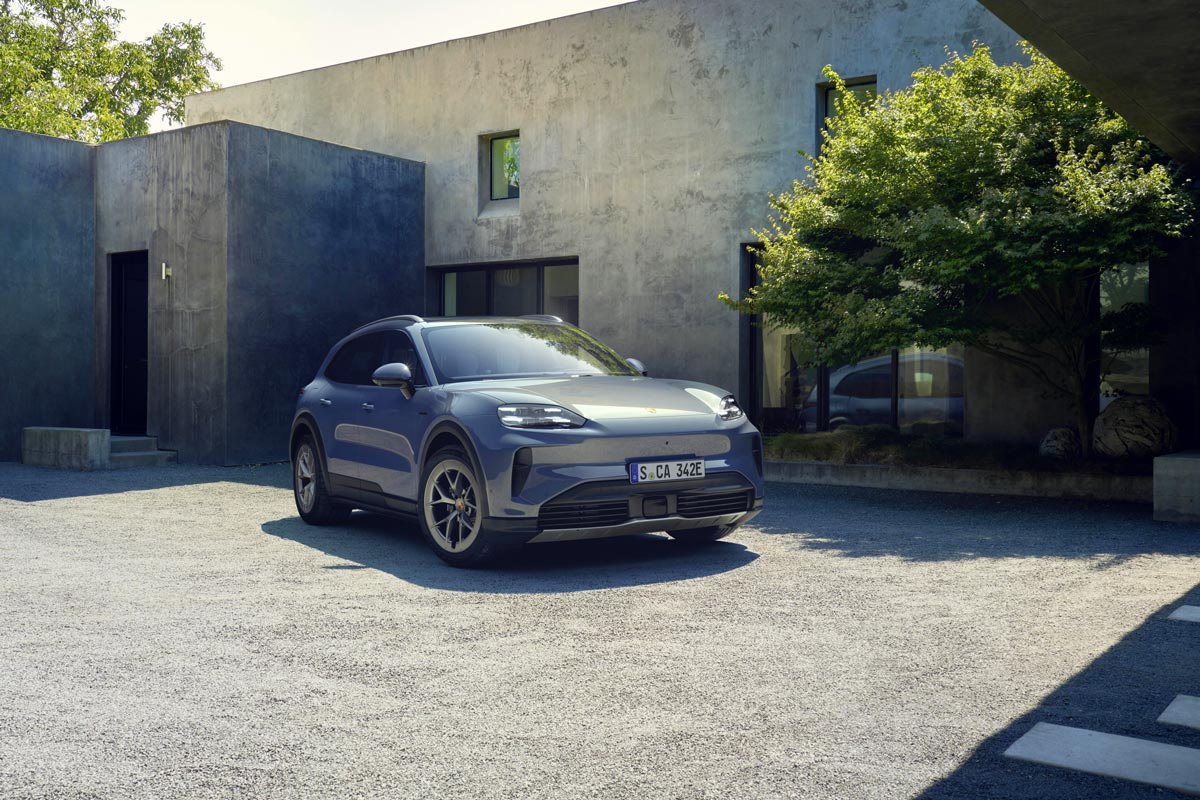
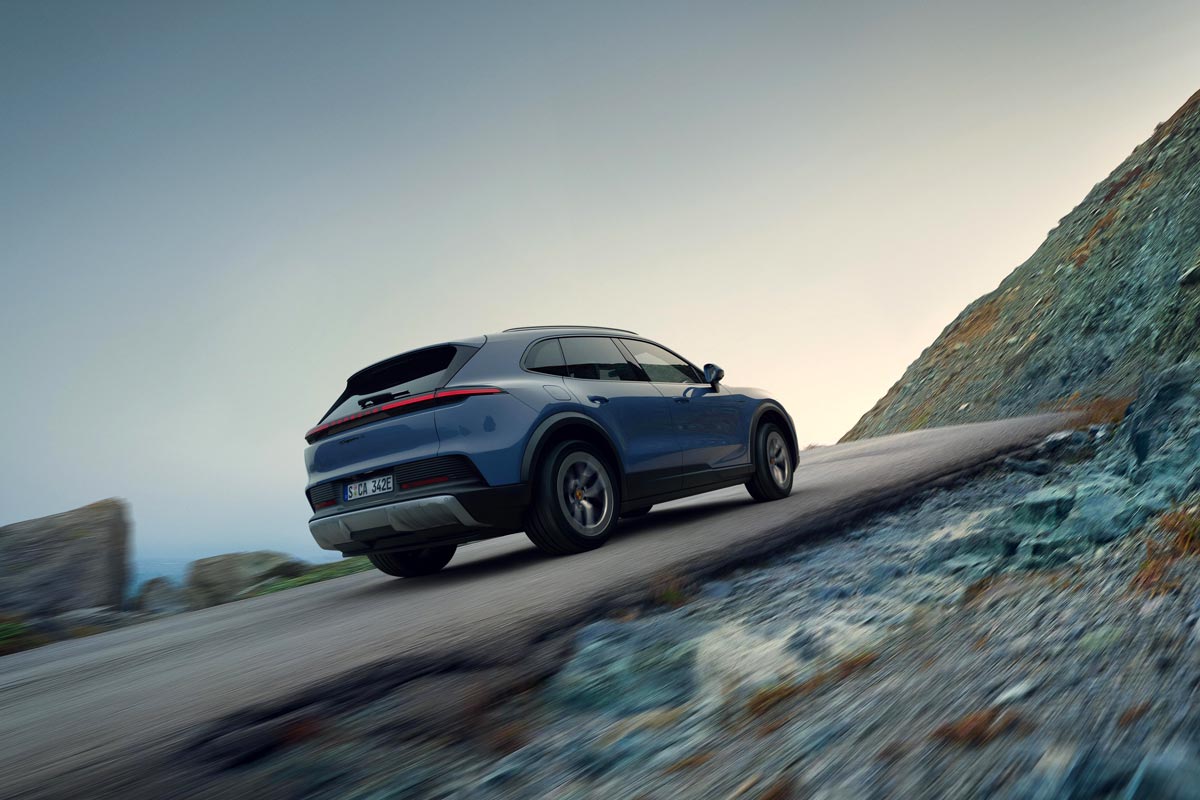
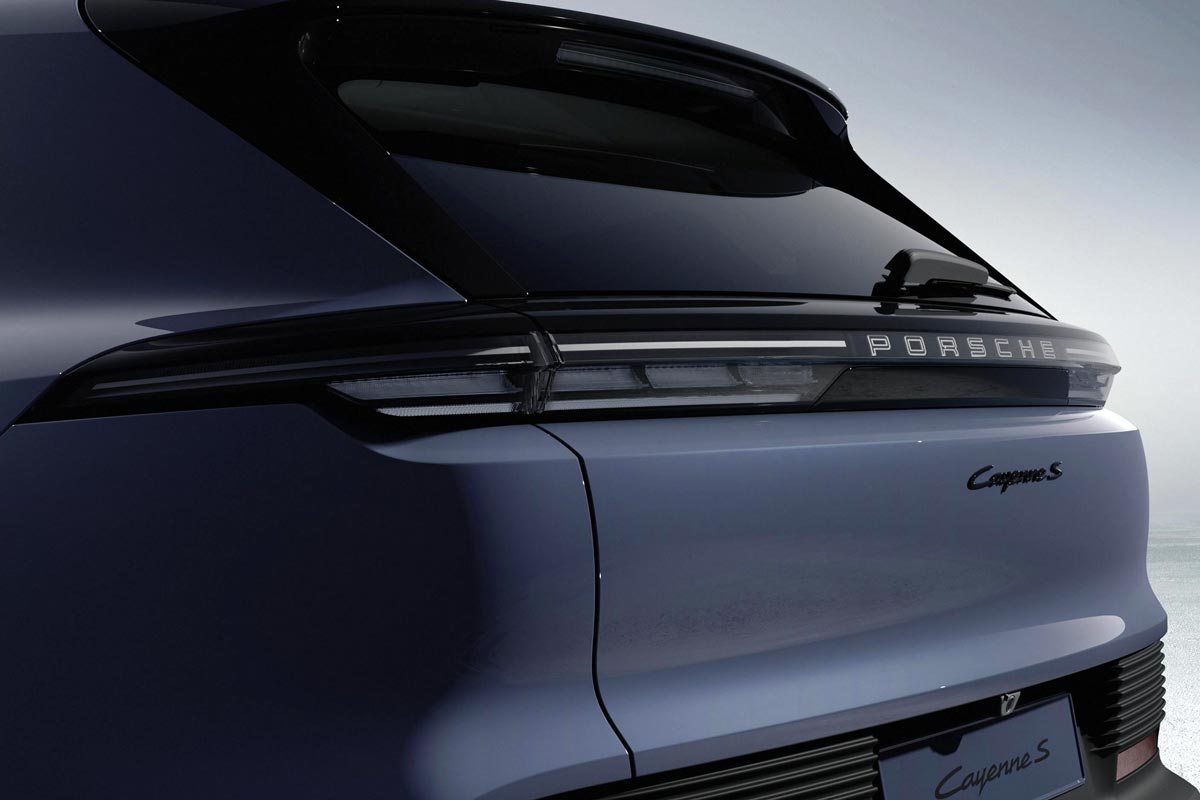
Visually, this is an evolution of Porsche’s design language. At the front, there are clear echoes of the smaller Macan Electric, but the overall silhouette is more classic, with an emphasis on traditional SUV geometry. The most expressive angle is from the rear: widened arches, a diffuser and a full-width light bar give the vehicle a more planted, powerful and aggressive presence. This is not an attempt to hide the car’s electric nature, but neither is it futurism for its own sake. The Cayenne Electric looks like a Porsche that has simply moved into a new era.
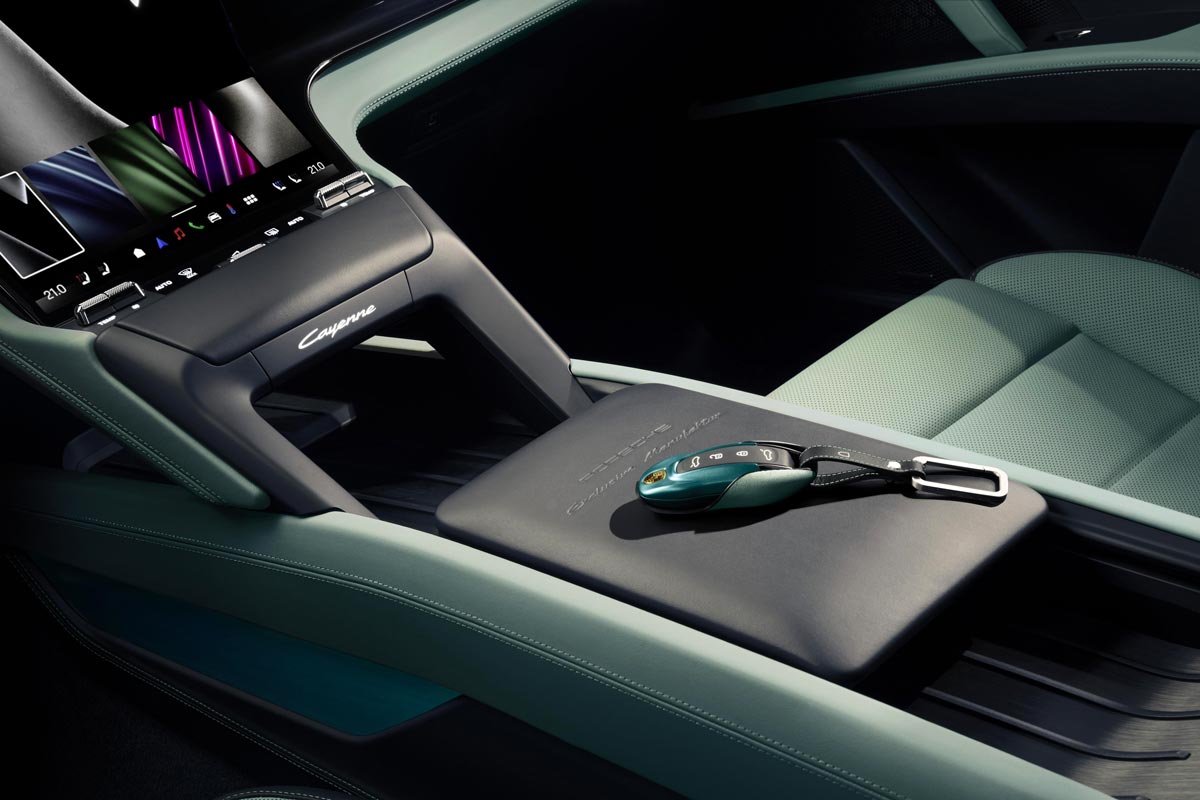
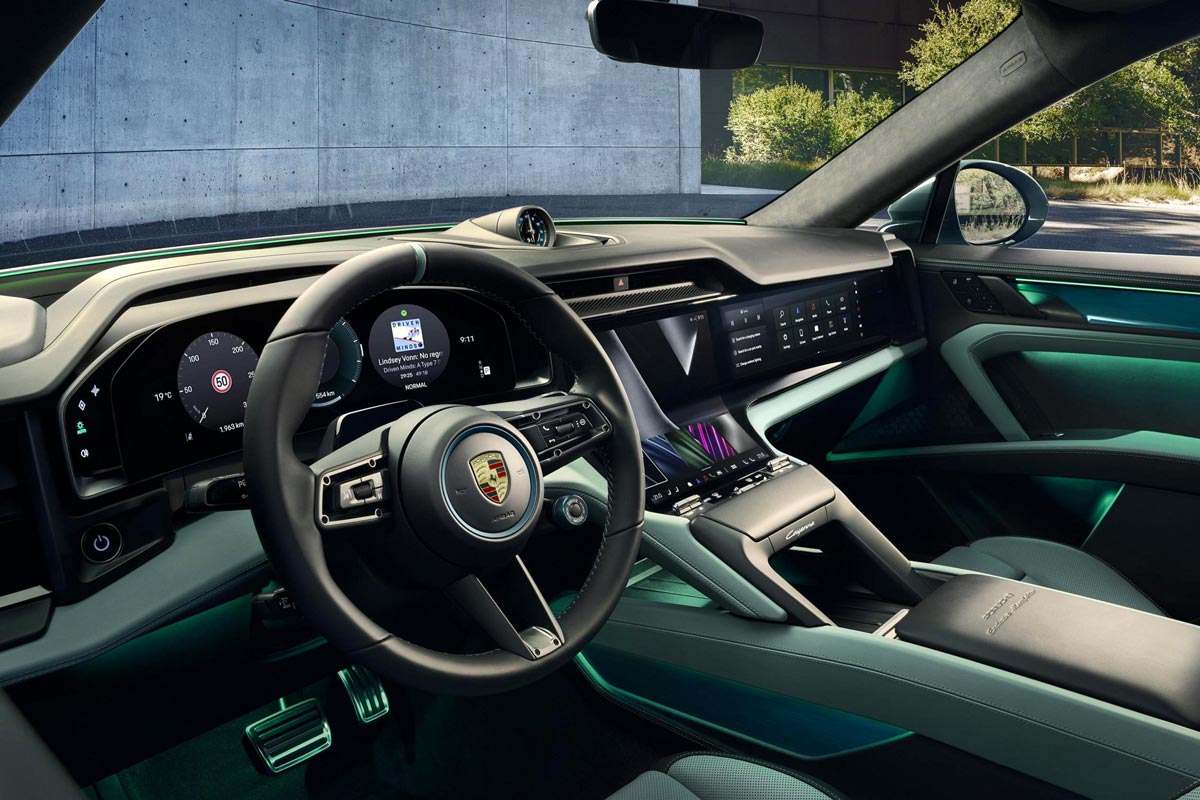
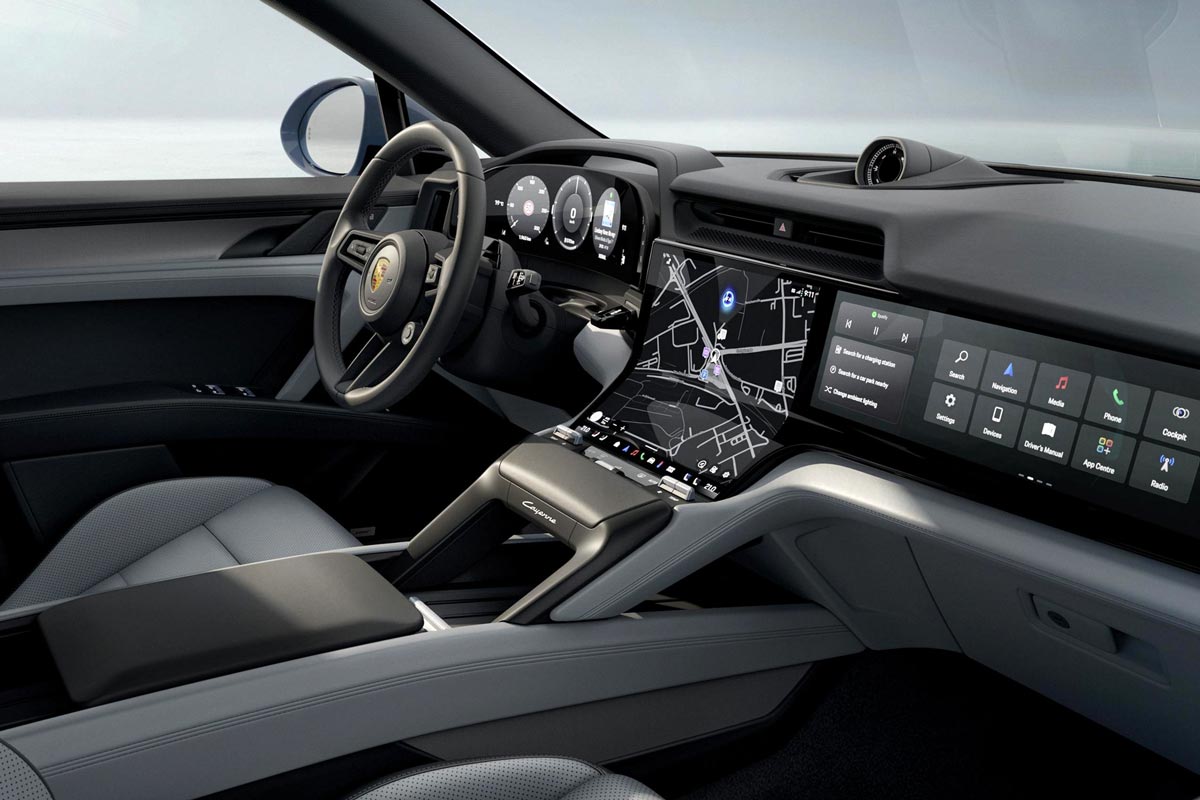
The interior is a technological environment, but not one that tips completely into gadgetry. In front of the driver is a large digital instrument cluster, accompanied by a central display, while a separate passenger screen is available. Together, they form Porsche’s modern curved Driver Experience architecture. Yet ergonomics have not been sacrificed for visual drama: important functions remain logically organized, and physical controls for key tasks help preserve the feeling of command.
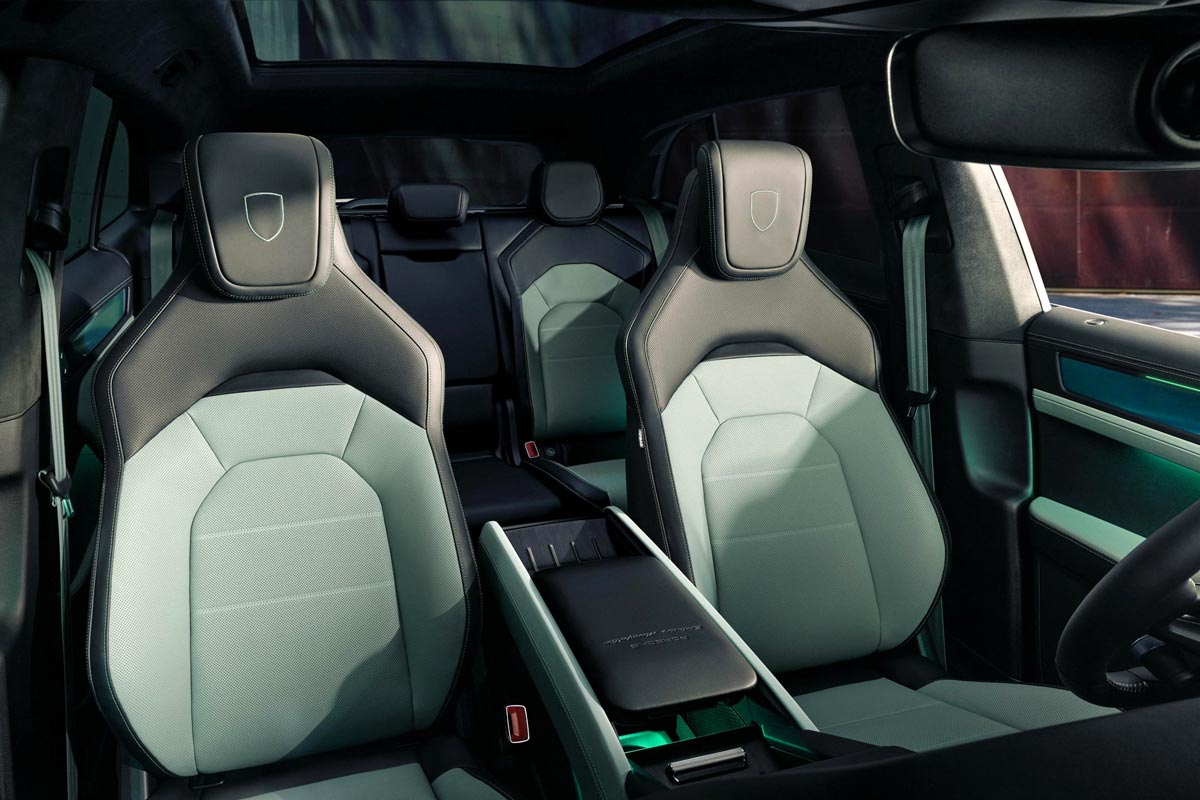
Importantly, Porsche has managed to preserve the familiar sense of space. Even with a large battery and electric motors, the Cayenne Electric remains a practical family SUV. The rear luggage compartment is complemented by a front storage area, while the seating position keeps the brand’s signature balance: sporty and focused, but comfortable over long distances.
But the main story here is not the design, and it is not the screens.
The main story is how it drives.
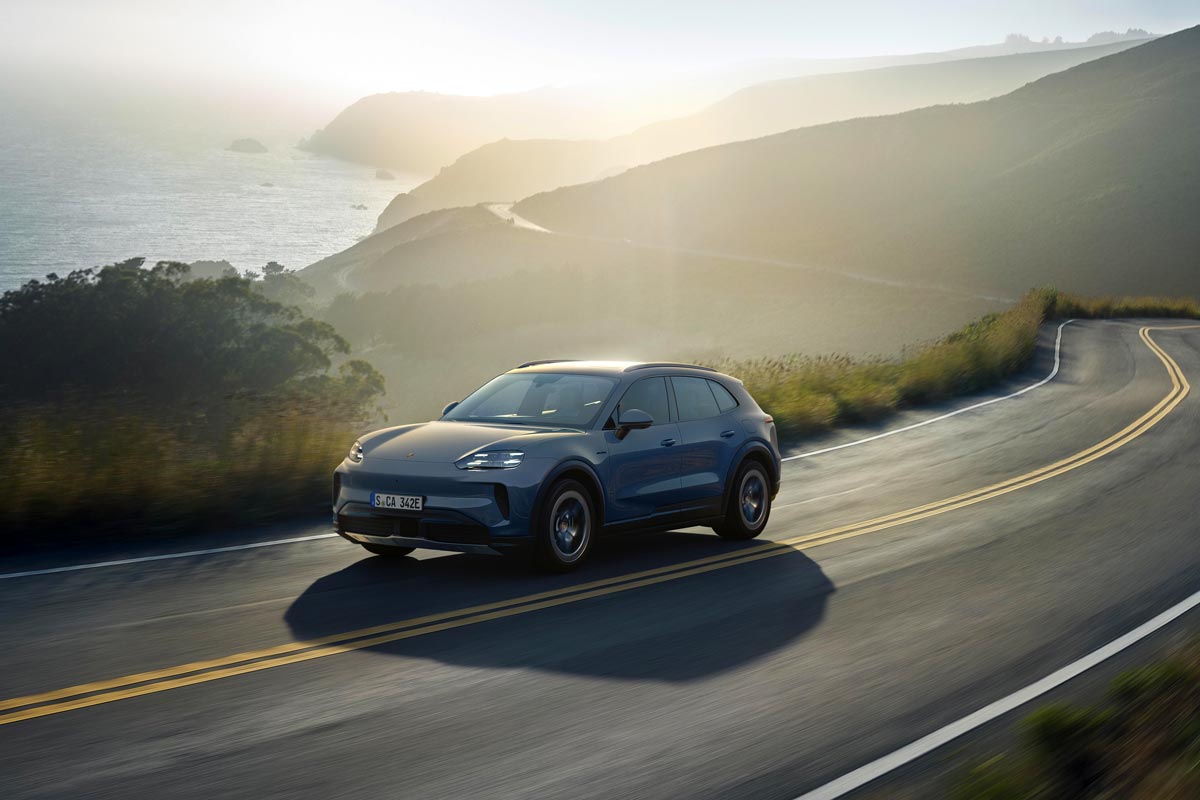
The flagship Cayenne Turbo Electric produces up to 1,139 hp in overboost with Launch Control. It accelerates to 60 mph in around 2.4 seconds and to 100 km/h in about 2.5 seconds. The numbers are astonishing, but what matters even more is how that power is delivered. Unlike many EVs, where acceleration can feel abrupt, one-dimensional and tiring, the response of the accelerator here is finely judged and predictable. The handling remains precise, composed and unmistakably Porsche.
This is where the Cayenne Electric breaks the biggest stereotype about large electric vehicles.
The secret lies in the chassis technology, especially Porsche Active Ride, available on the higher versions. This active suspension does not merely absorb bumps; it counteracts roll, pitch and body movement in real time. The body is effectively held in a stable position, even when the vehicle’s mass and speed should be far more noticeable.
In practice, the effect feels almost unreal. A vehicle weighing more than 2.4 tonnes corners with minimal body roll and smooths out road imperfections as if the surface itself had improved. Speed bumps, asphalt waves and sudden changes in pavement are handled with remarkable composure. This is one of those rare cases where technology changes not only the figures on paper, but the actual sensation of driving.
Range and charging also match the level of the vehicle. The Cayenne Electric uses a large battery of around 113 kWh and supports ultra-fast charging at up to 400 kW. Under suitable conditions, charging from 10 to 80 percent can take less than 16 minutes. For home charging, Porsche also offers an 11 kW wireless inductive charging system - a rare feature for a production electric vehicle. At the same time, the Cayenne remains a true SUV: it can tow up to 3,500 kg, making it a serious choice even for those who use an SUV for more than city driving and highway cruising.
Of course, all of this comes at a price. In the United States, the base Cayenne Electric starts at approximately USD 111,350 including destination charge, while the Cayenne Turbo Electric starts at around USD 165,350. With options, the final price can easily climb well beyond USD 200,000. This is not merely premium territory. It is true ultra-luxury.
But the real question is not only about price. The real question is whether this vehicle can change attitudes toward electric SUVs.
And here again, the answer is clear. The Cayenne Turbo Electric is not a compromise and not a “green version” of a familiar car. It is a full Porsche that happens to be electric. In some respects - especially ride smoothness, body control and the instant delivery of power - it may even surpass the gasoline versions.
Yes, the industry still has questions about the weight, cost, resources and environmental footprint of large batteries. And yes, not every Porsche enthusiast is emotionally ready to accept a large electric SUV as a true heir to the gasoline era. But at this stage of technological development, the Cayenne Electric does the most important thing: it convinces. Not with slogans, but with the way it drives. And perhaps, for the first time in a long while, that may be enough to make even committed skeptics look at an electric Porsche differently.