
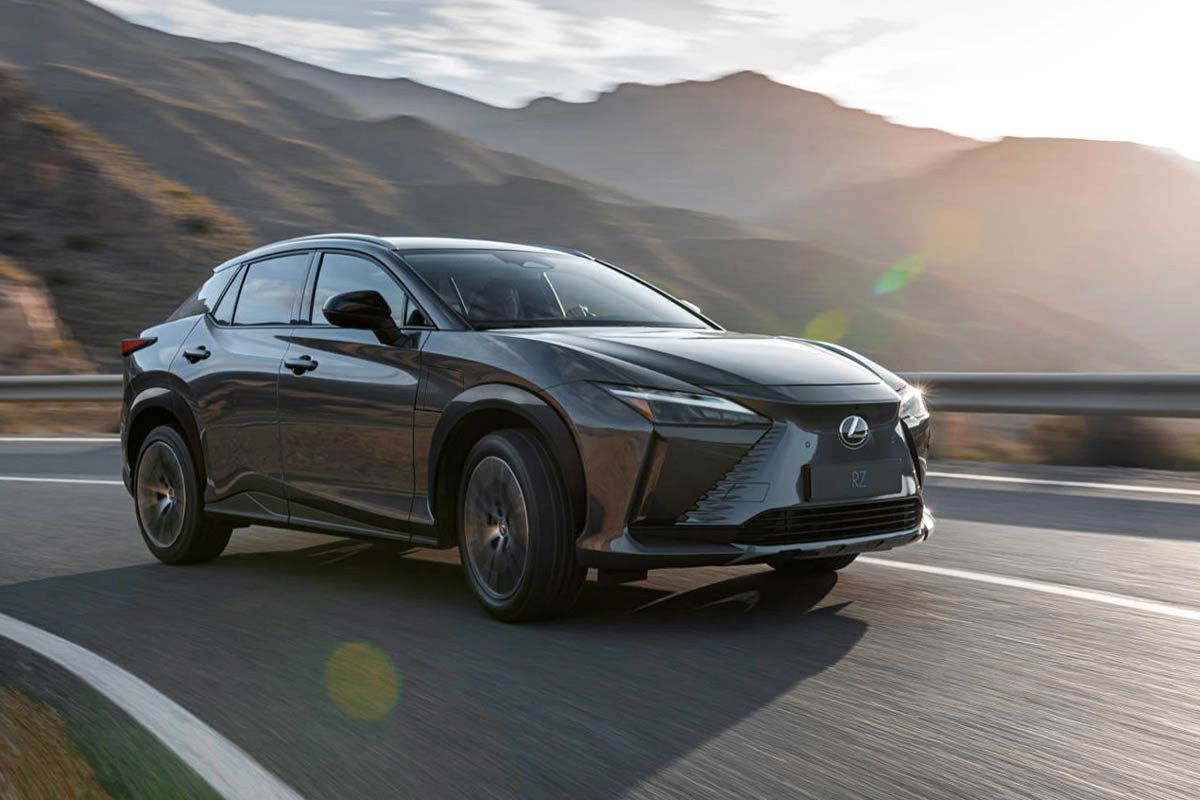
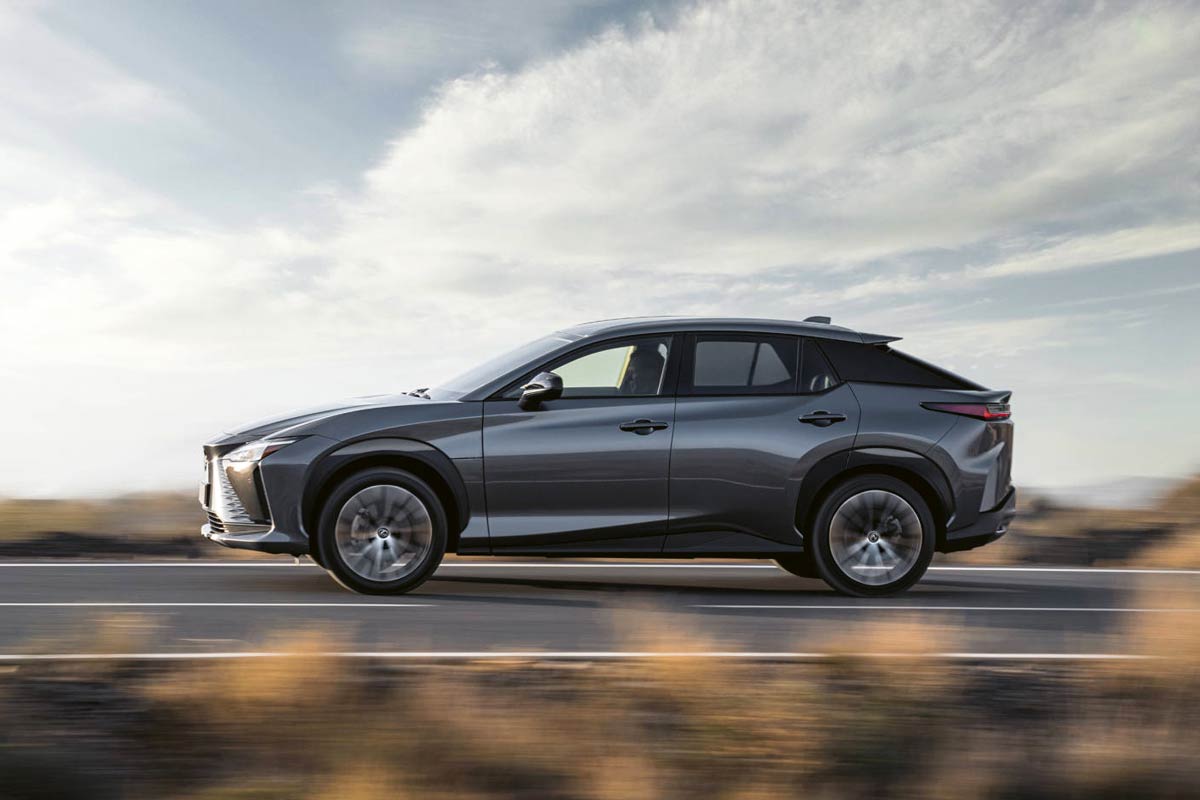
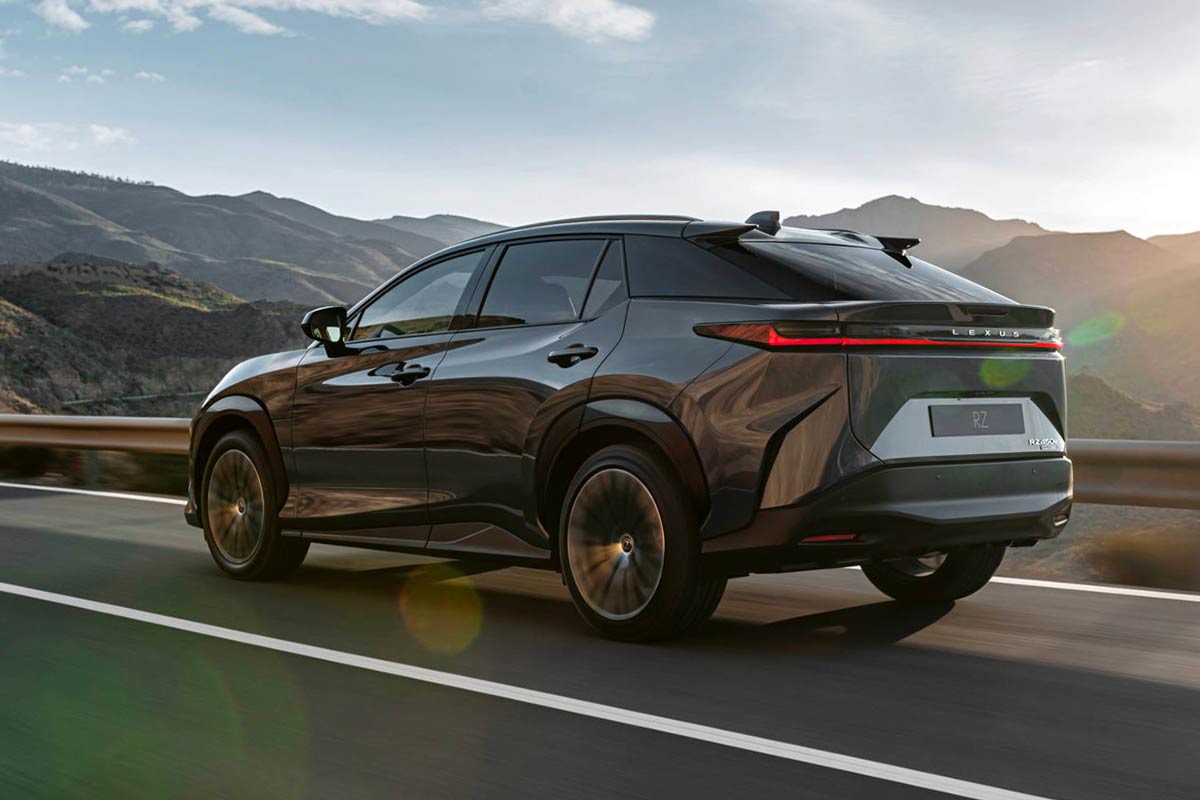
RZ: The Only One Without a Backup Plan
A model with no room for mistake
In the 2026 Lexus lineup, almost every model comes with a choice. ES, NX, RX, TX, GX, LX, UX, LBX - hybrid, plug-in hybrid, gasoline, sometimes all at once. The buyer walks into the showroom and decides how far they're willing to go. This was a deliberate company strategy, one Toyota calls "multi-pathway": don't bet everything on a single technology, let the market choose for itself. And only one model stands without a safety net - the Lexus RZ - a model with no hybrid version, no gasoline alternative, and no room for error. What it says about the future of the most cautious premium manufacturer?
The RZ exists exclusively as an electric vehicle. No hybrid, no gasoline version, no plug-in. If it doesn't work, it simply doesn't work.
That's precisely what makes this car's story interesting. It began as something close to a failure, went through a deep overhaul, and in the spring of 2026 posted numbers nobody expected from it: 4,456 units sold in the US in the first quarter - growth of more than 206% year over year, and the best quarter in the history of Lexus electric vehicles.
And all of this after the $7,500 federal tax credit, which had supported EV sales in the US, expired in 2025.
Meaning the RZ tripled at exactly the moment the market was supposed to collapse.
Understanding how that happened is worth the effort - because what's at stake here isn't one car, but how the most conservative premium manufacturer intends to survive the next decade.
What the Failure Looked Like
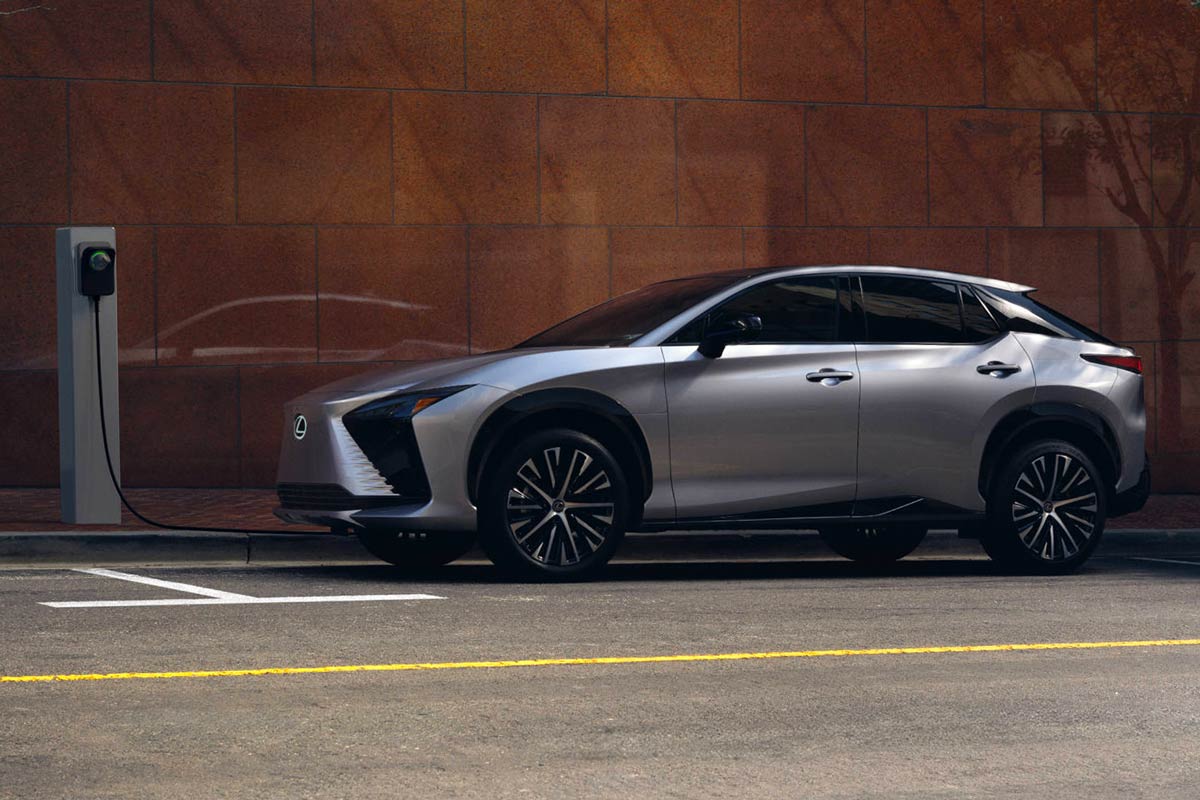
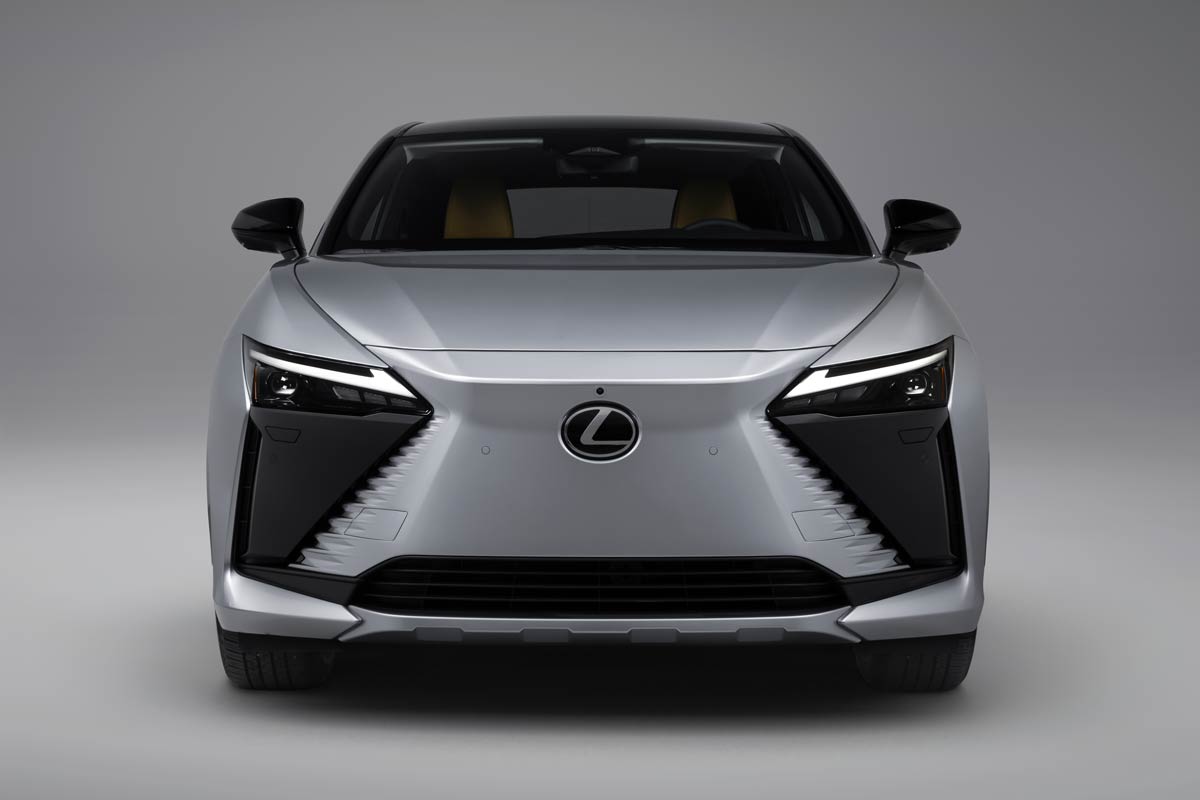
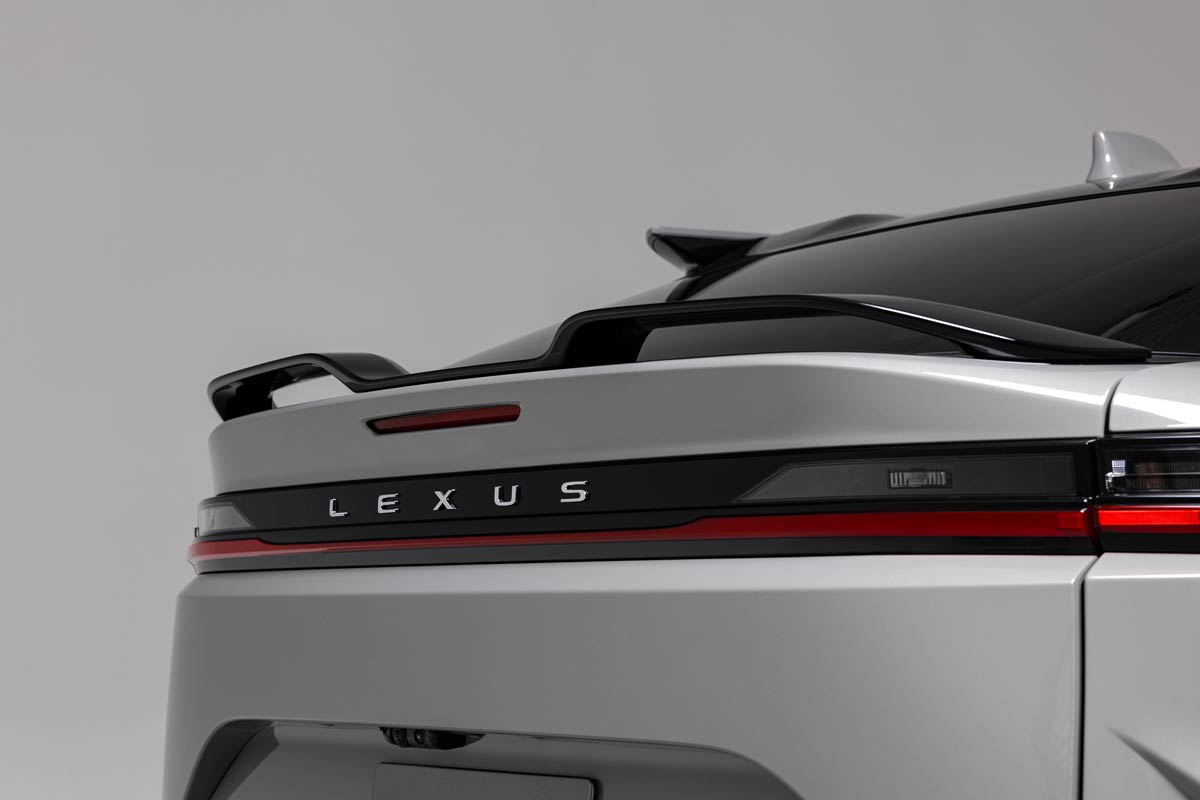
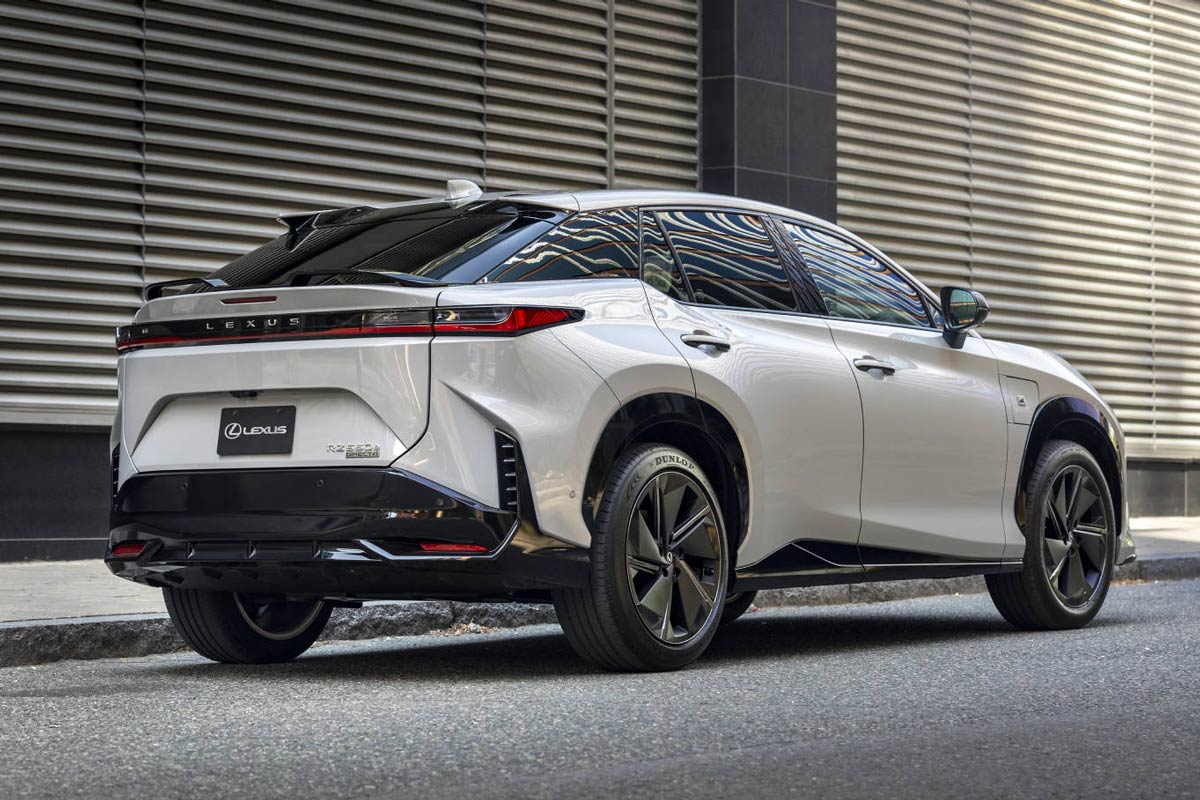
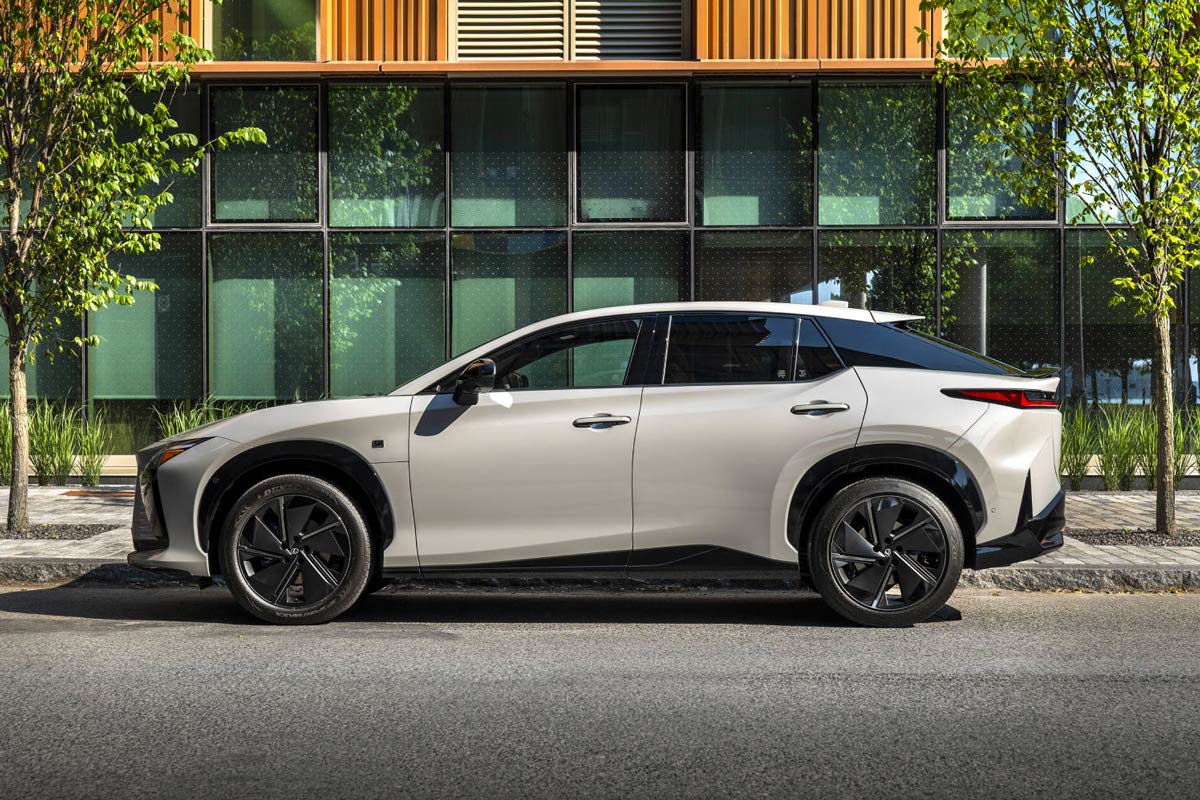
The RZ debuted in 2023 as the first series-production Lexus electric vehicle, built on the dedicated e-TNGA platform rather than a converted gasoline architecture.
The reception was muted.
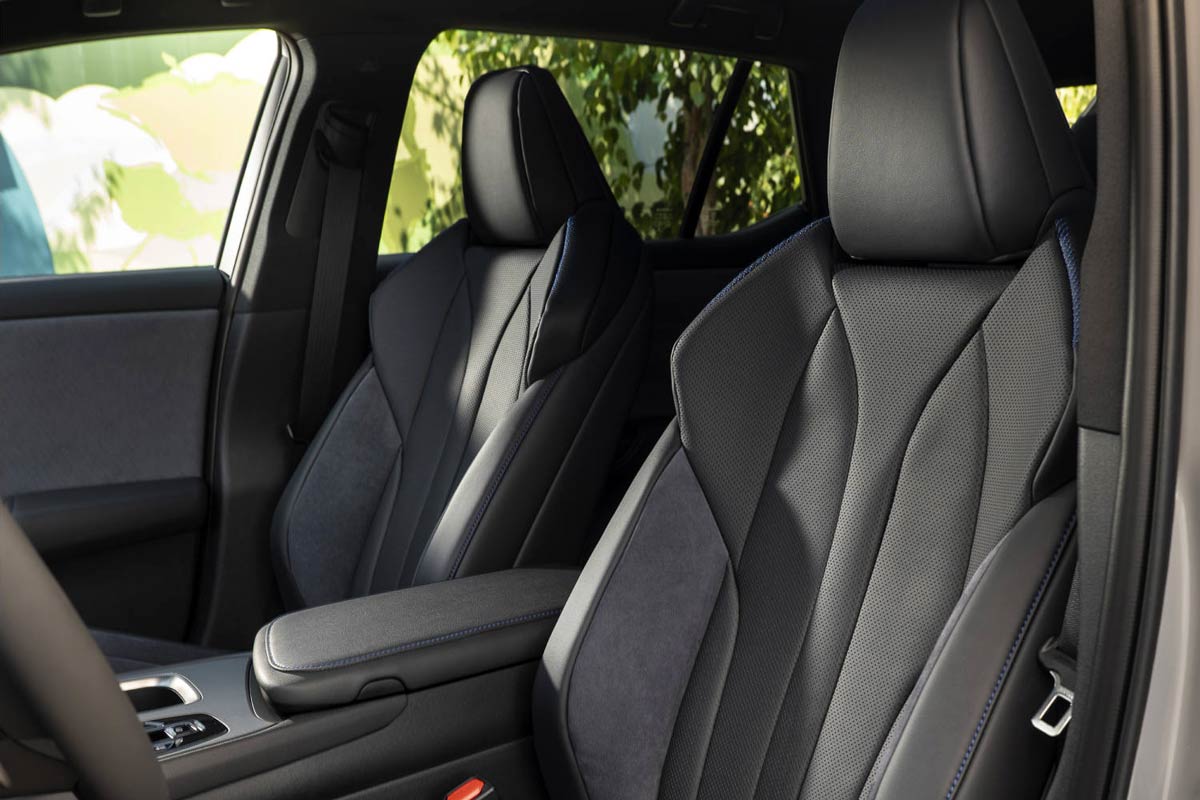
The problem wasn't quality. As a Lexus, the car was entirely recognizable: quiet, comfortable, carefully assembled, with that characteristic isolation from the outside world that people pay the brand for. The problem was that as an electric vehicle, it couldn't hold up against anyone.
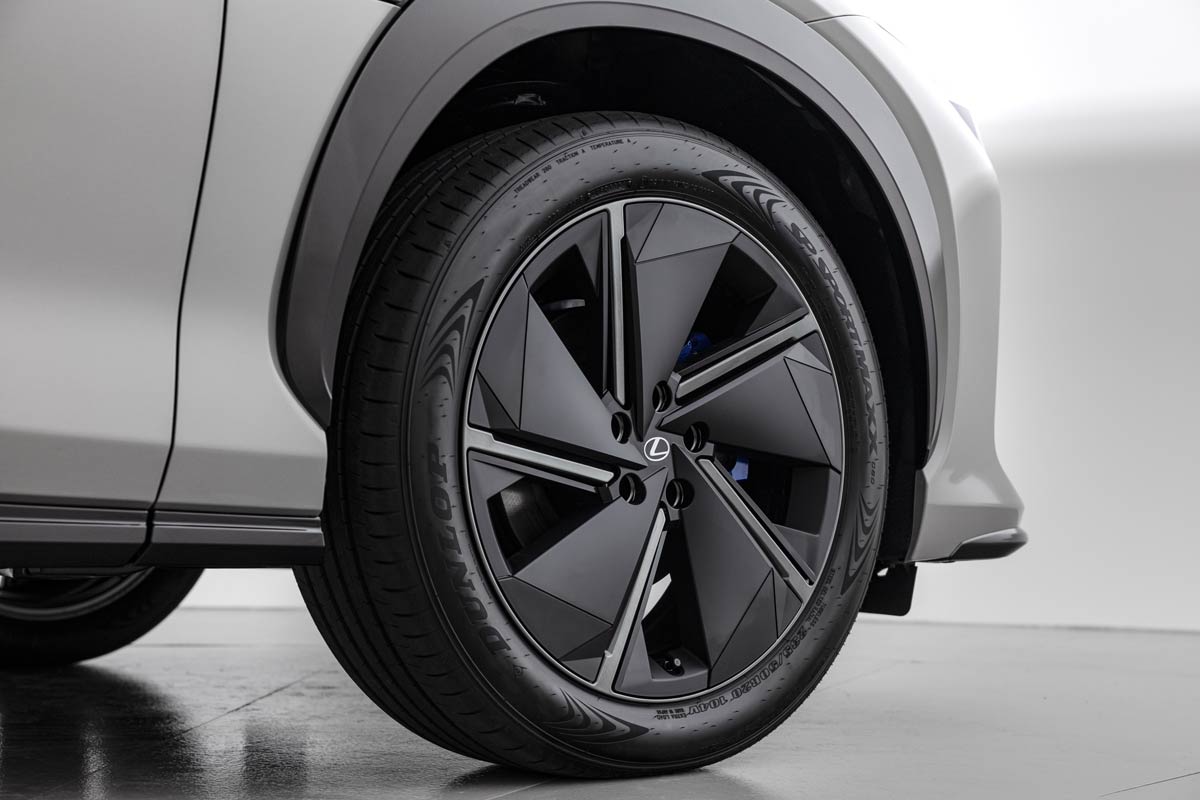
In Edmunds' independent range test, the all-wheel-drive RZ 450e on 20-inch wheels covered 204 miles - roughly 328 kilometres. For a luxury electric crossover, that was a bottom-of-the-table result even back in 2023. The Tesla Model Y and Genesis GV60 went noticeably further.
The car sat on dealer lots for months. Lexus responded with aggressive lease programs. In 2025, a front-wheel-drive base version was added to the lineup, dropping the entry point by $11,175 in one move - from $55,150 to $43,975.
Formally, this looked like expanding the lineup. In practice, it looked like trying to salvage the situation with price.
All of this was happening while Lexus hybrids were selling with waiting lists years long, and dealer inventory in the first half of 2025 held at single-digit days' supply against an industry average of roughly 74 days.
Within a single brand, shortage and glut existed simultaneously. The only difference was the type of powertrain.
What Was Actually Reworked
For the 2026 model year, the RZ received not a cosmetic refresh but an overhaul of its key components.
Battery and motors. A new, higher-capacity battery, more efficient electric motors, and a reworked electrical architecture.
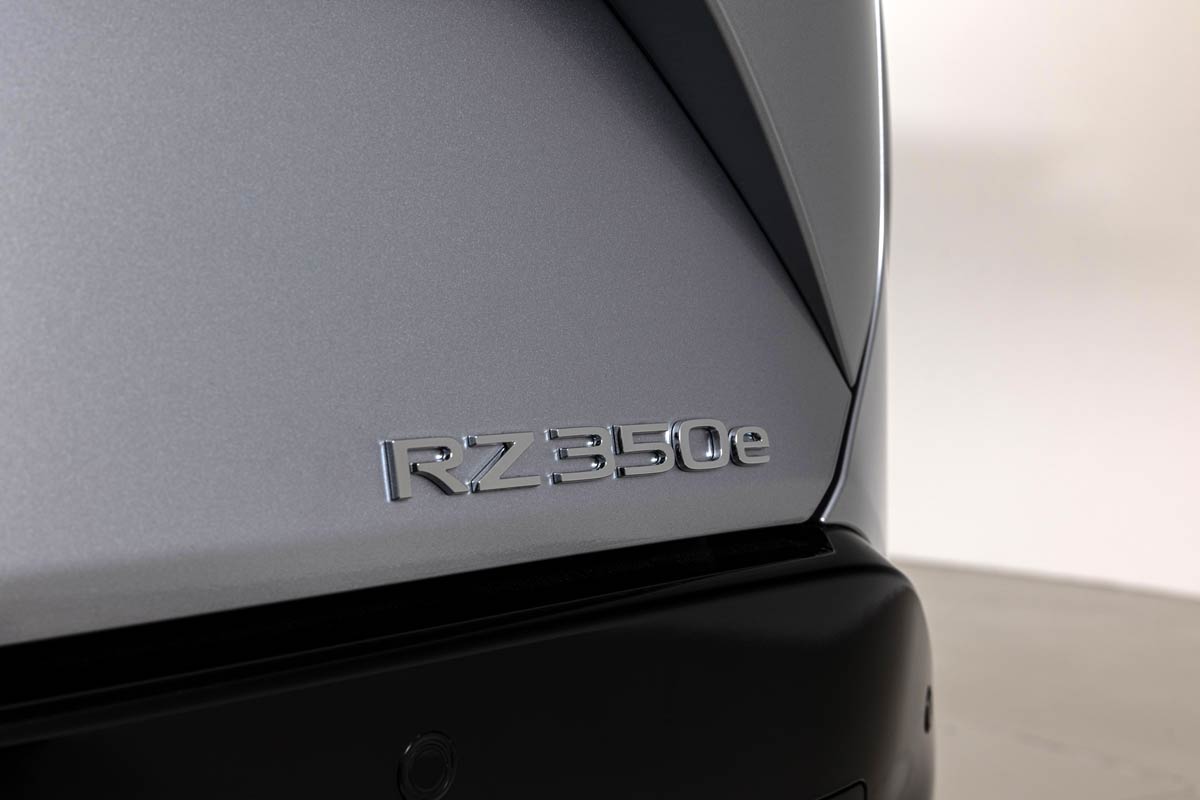
A three-version lineup. RZ 350e - front-wheel drive, 221 hp, 74.7 kWh battery, 301 miles of EPA-rated range (roughly 484 km). RZ 450e - all-wheel drive, 308 hp, 264 miles. And a new addition: the RZ 550e F Sport - all-wheel drive, 402 hp, 76.96 kWh battery, 229 miles.
The gap between the first car's 204 real-world test miles and the base version's 301 certified miles isn't cosmetic. It's a different car in the eyes of someone calculating how many times a week they'll need to stop and charge.
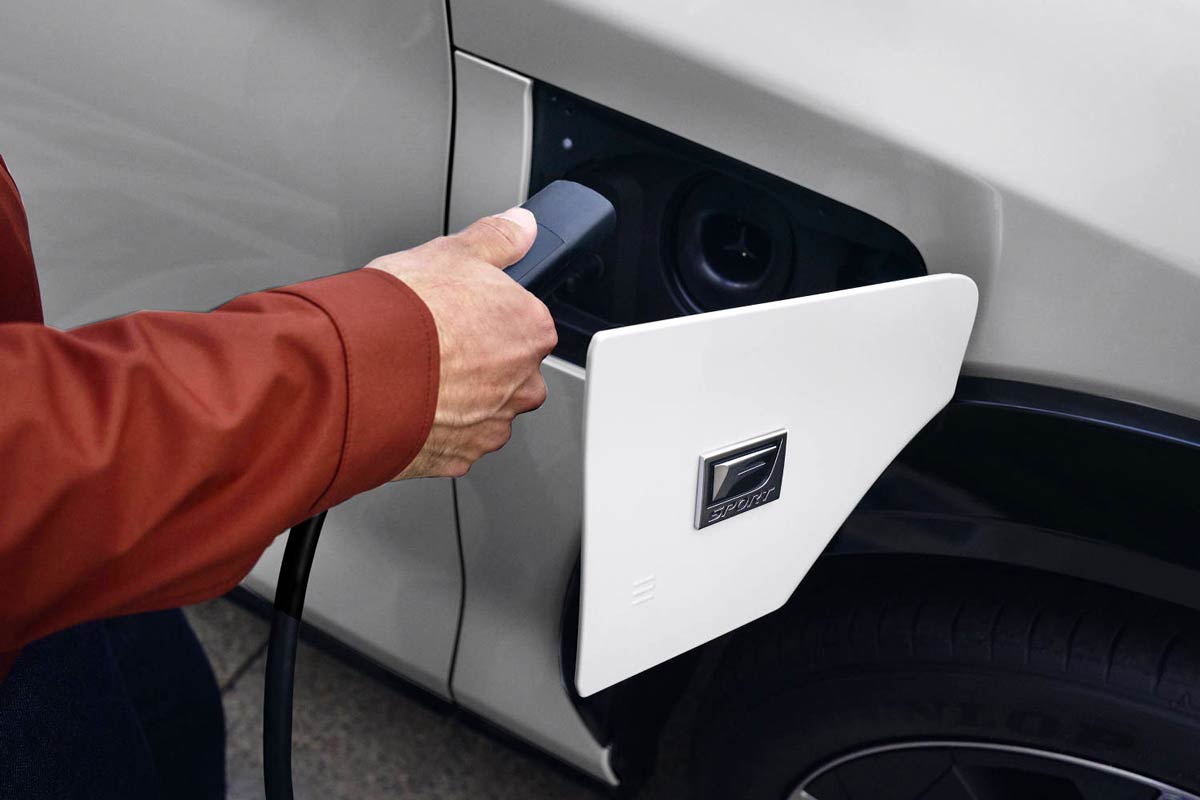
The NACS connector. Possibly the most important change of all. As of November 2025, the RZ ships with the North American charging standard and gains access to the Tesla Supercharger network. Charging from 10 to 80 percent takes about half an hour.
For a North American buyer, this changes not a specification but a psychology. Supercharger is the only charging network on the continent that someone who has never owned an electric vehicle already knows actually works.
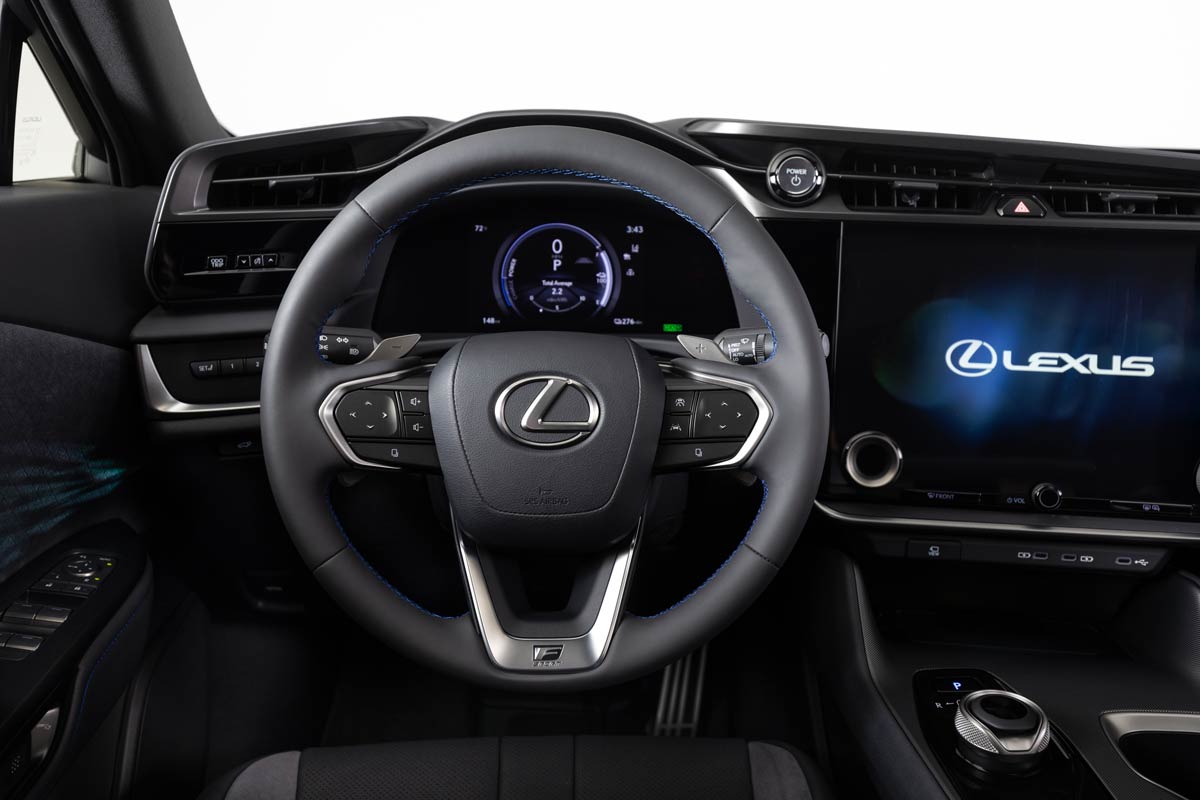
Steer-by-wire. The first steering system with no mechanical connection between wheel and road wheels in Lexus history. Maximum rotation is roughly 200 degrees lock to lock instead of the usual 900-plus, meaning you never need to shuffle your hands on the wheel. In Europe, it's offered with a yoke.
In North America - and here's an important correction to what many outlets wrote at the announcement stage - the yoke version didn't arrive at launch.
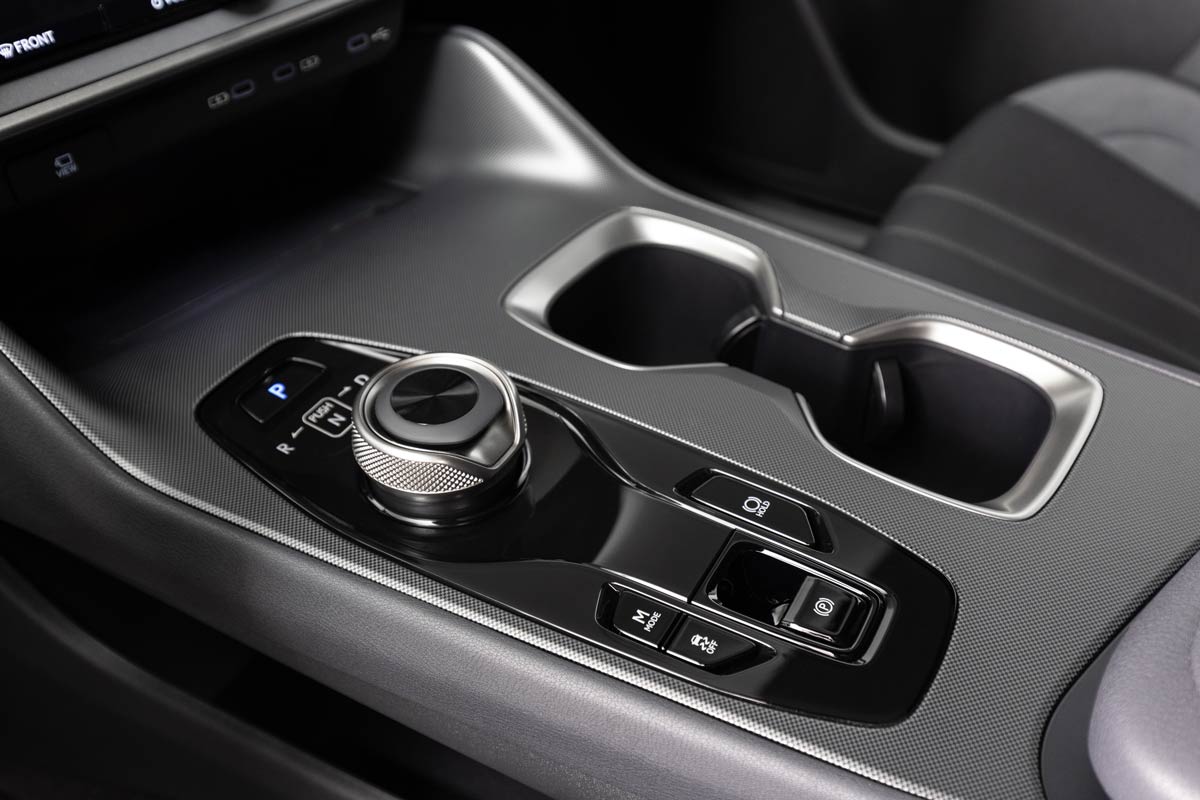
M Mode. A virtual transmission on the 550e F Sport: simulated shifts with corresponding sound and jolts. The feature is contentious, and it's more honest to call it what it is - an attempt to sell emotion to people who find electric vehicles short on drama.
Direct Competitors: The Honest Arithmetic
Here begins the most uncomfortable section, and there's no way around it.
The Tesla Model Y remains the segment benchmark on paper. The base version is $39,990 with 321 miles of range. Premium RWD is $45,990 with 357 miles, the best figure in the lineup. Premium AWD is 327 miles. Performance is $57,990 and 306 miles.
Let's compare directly. The base RZ 350e costs $47,295 and delivers 301 miles. The Premium RWD Model Y costs $1,305 less and goes 56 miles further.
The top RZ 550e F Sport is $58,295, 402 hp, 229 miles. The Model Y Performance is $57,990, faster, 77 miles further, and cheaper.
On the spec sheet, Lexus loses. That needs to be said plainly, because any reader who spends an evening with the configurators will discover it themselves.
The Genesis GV60 and Electrified GV70 apply pressure from another direction - 800-volt architecture, very fast charging, and a ten-year powertrain warranty, the best in the industry.
The Audi Q4 e-tron, following its update, delivers 288 miles on the rear-wheel-drive version and 258 on quattro, with charging up to 185 kW.
The BMW iX3 Neue Klasse is the most serious threat on the horizon. The first model on BMW's entirely new platform: 800 volts, a 108.7 kWh battery, charging at up to 400 kW. It arrives in the US in the fall of 2026 as a 2027 model, starting at $61,500. That's a different technological league, and Lexus will have to answer it.
The conclusion from this comparison is simple: the RZ doesn't win a single line on the spec sheet.
And yet sales grew 206%.
So Why Are People Buying It
The answer isn't in the specifications, and that's the entire point of this story.
First: the buyer isn't coming from Tesla. They're coming from an RX, an NX, or an ES. This is someone who has already owned a Lexus - possibly more than one - and is satisfied enough with the ownership experience that switching brands isn't seriously on the table. They don't need the best electric vehicle on the market. They need a Lexus that doesn't stop for gas.
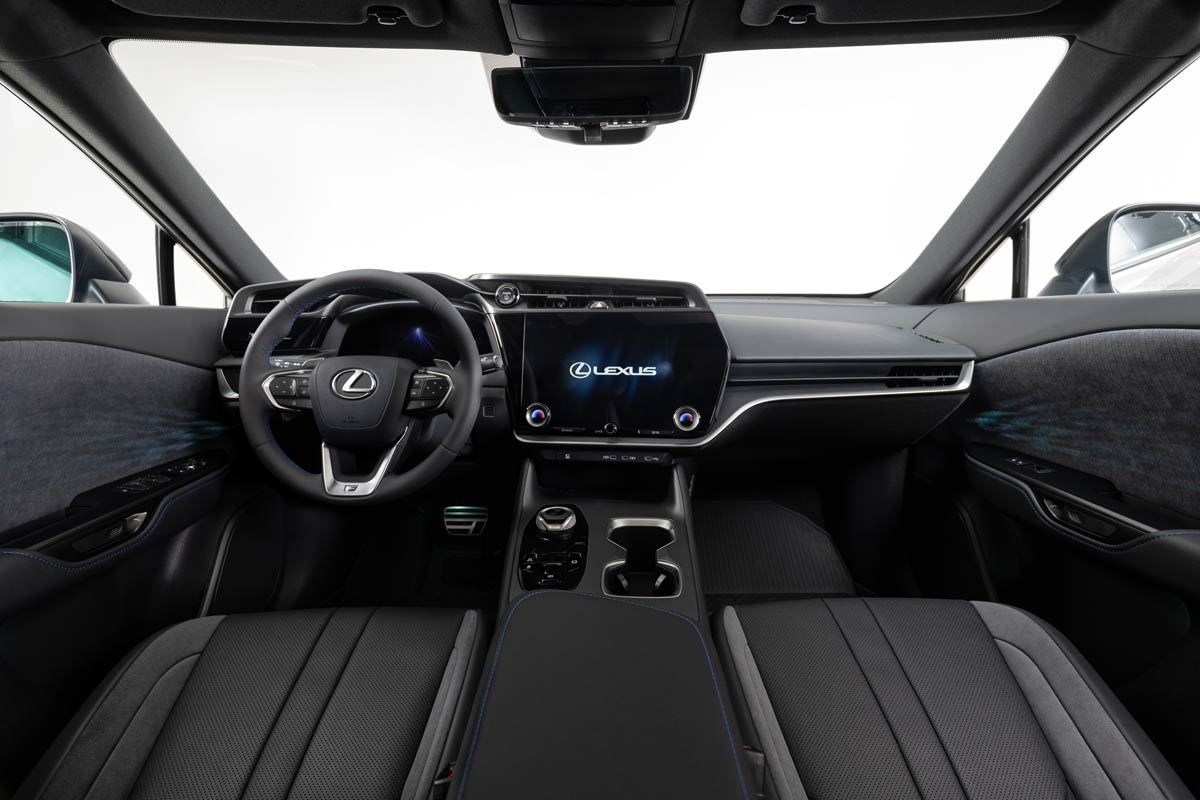
And that's exactly what the RZ does better than anyone. Reviews are unanimous on this point: the car behaves like an ordinary Lexus. The same smoothness, the same quiet, the same interface logic. To the market, that reads as a lack of ambition. To this particular buyer, it's precisely what they're paying for.
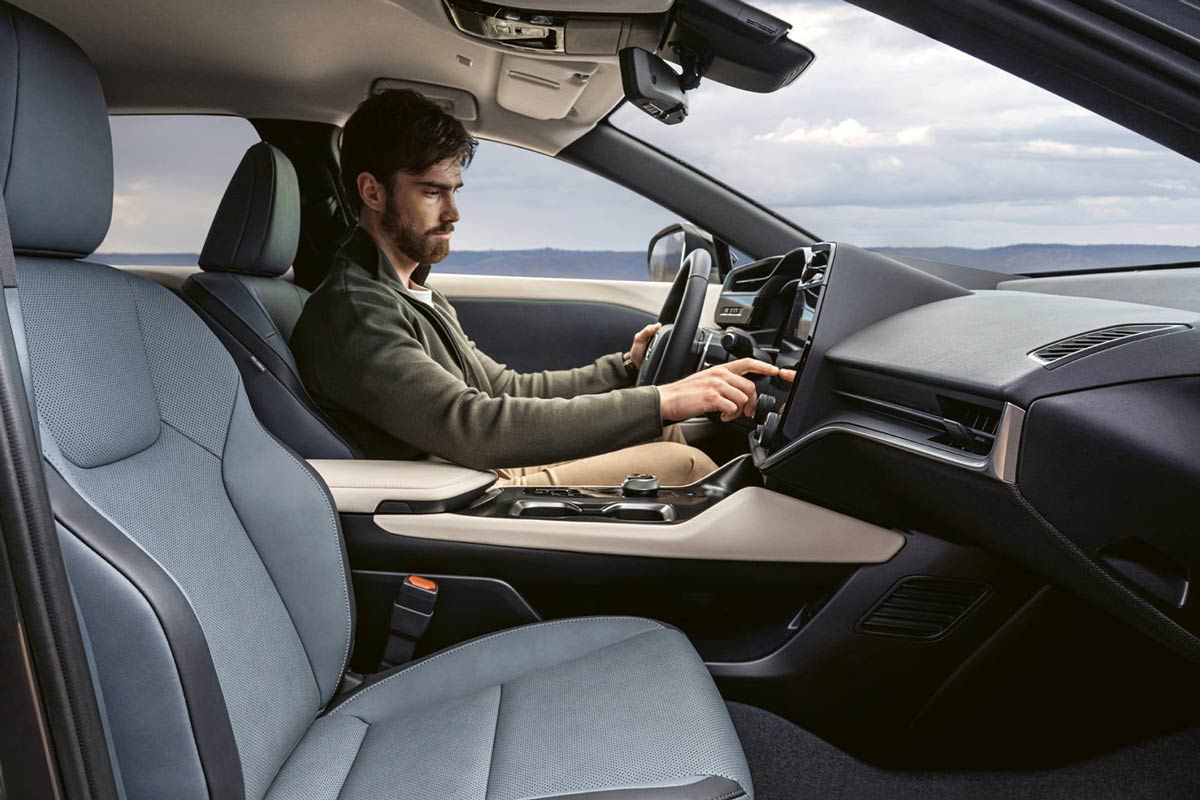
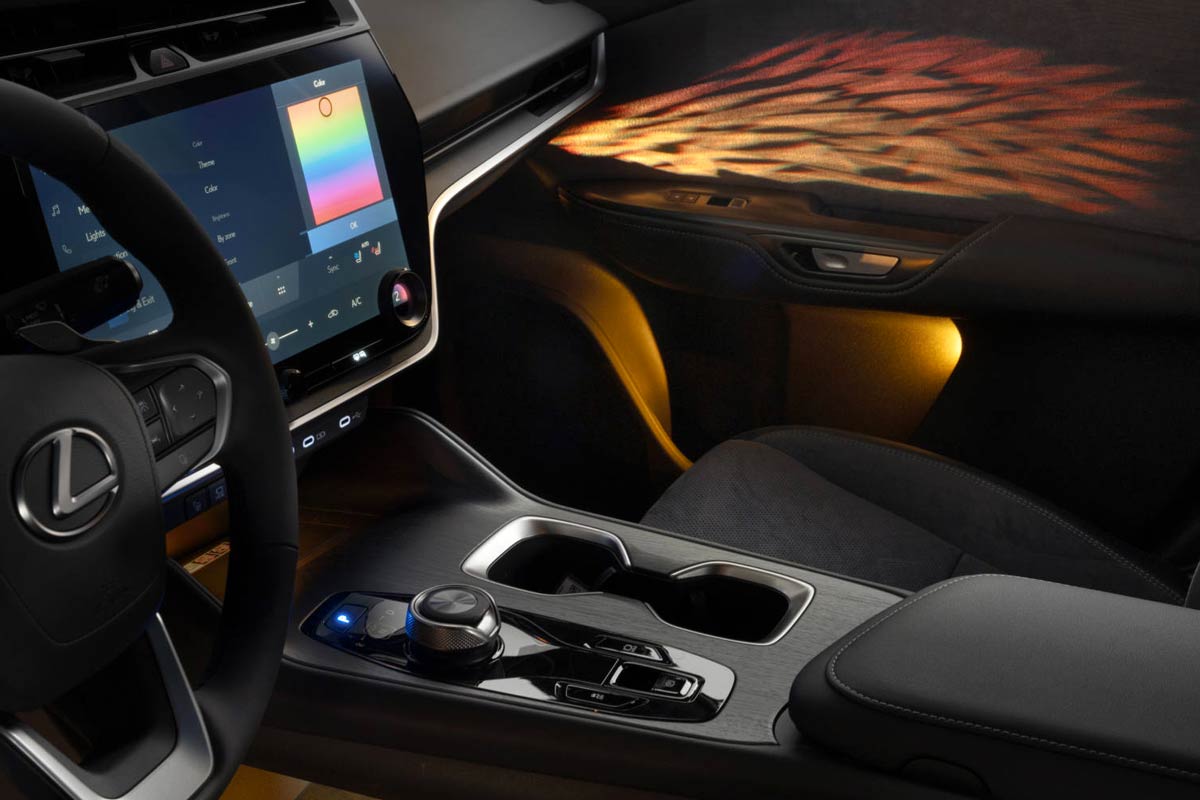
Second: the interior. Here, Lexus is playing on its own turf and winning. The fourteen-inch screen is standard across the lineup, but what matters more is that the company didn't bury every function in a menu. Climate, volume, and basic settings remain physical. In a segment where half the manufacturers have stripped everything from the cabin except a tablet, this has stopped being conservatism and become an advantage.
Third: the things that don't appear in the specs. Lexus reliability and cost of ownership aren't marketing claims but years of accumulated data familiar to anyone who has ever bought a used car. In a category where buyers fear unfamiliar technology, fear battery repairs, and fear unpredictable residual value, reputation is worth more than fifty miles of range.
Fourth: Supercharger access. From the moment the RZ got NACS, the most common argument against buying one - "where am I going to charge it" - stopped working.
Fifth, and possibly decisive: the dealer network. The Lexus service experience is a product in its own right, one people pay for deliberately and one no electric vehicle company has yet reproduced.
Who This Car Is For
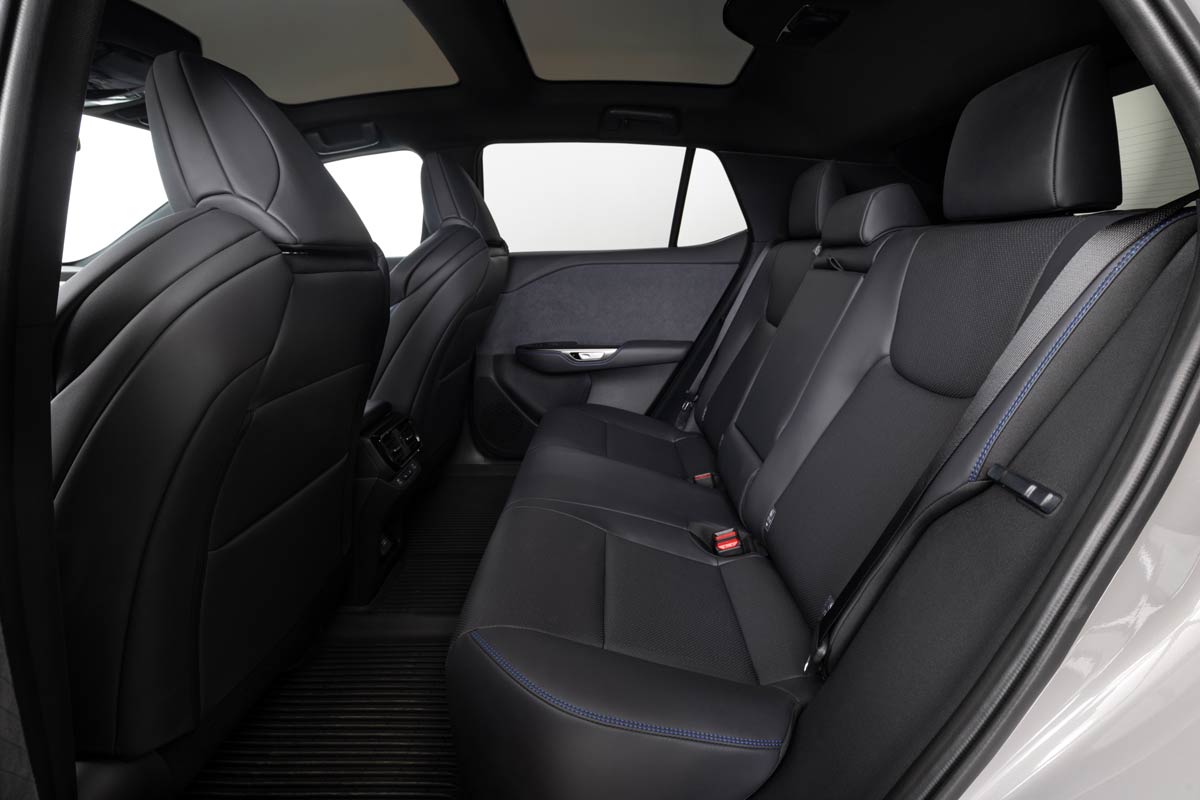
It's for you if you already drive a Lexus and want to move to electric without changing your habits. If your actual driving is city plus suburbs, charging at home, with long trips a few times a year. If quiet in the cabin matters more to you than acceleration. If you don't want to explain to your family how the interface works.
It isn't for you if you regularly drive long distances - competitors give you more miles for the same money. If you buy cars by spec sheet. If you need maximum charging speed - the 800-volt Genesis, Hyundai, and the upcoming BMW iX3 are objectively faster. If you want an electric vehicle as a technological statement - the RZ deliberately isn't that.
A separate note on the RZ 550e F Sport. The $58,295 version delivers 402 hp and 229 miles of range. For the same money, the Model Y Performance is faster and goes further. The virtual transmission is a matter of taste, and most reviewers weren't convinced by it. Unless you're specifically in love with this car, the more sensible move is the 350e or 450e, and keep the difference.
What This Means for Lexus
And here's where it gets genuinely interesting.
The company has officially stated its intention to move to a fully electric lineup. The reality of 2026 looks different: hybrids are selling with waiting lists, electric vehicles require effort, and federal support has vanished.
But Lexus doesn't have the option of staying on hybrids forever. Regulatory pressure in Europe, China, and parts of the US isn't going anywhere. The electric ES has already been announced - a single-motor 350e with roughly 300 miles of range, and a dual-motor 500e with 338 hp and the DIRECT4 system.
Within this structure, the RZ isn't simply a model. It's a proving ground.
It's where Lexus first deployed steer-by-wire. It's where NACS appeared first. It's where the company learned what can't be learned on a hybrid: how to build an electrical architecture, how to sell range, how to explain to dealers and buyers things that didn't previously exist.
The first-generation RZ was an expensive lesson. The 2026 update showed the lesson was learned: what was missing wasn't luxury - it was kilometres and comprehensible charging. The moment that was fixed, sales tripled with no federal support whatsoever.
That's what makes the RZ important. Not its specifications, but the proof that the mechanism at Lexus works: hear the criticism, rework the product, come back.
Cautious, but Not Too Late
There's a temptation to describe this story as "Lexus was late." That's partly true: the first RZ came to market unfinished, and it took three years to fix.
But there's another frame.
While competitors were releasing electric vehicles built around the tax credit, Lexus was building a hybrid business that makes money. When the credit disappeared on September 30, 2025, and the EV market sagged, Lexus turned out to be the one premium brand that came through practically untouched - because it hadn't staked anything critical on the credit.
And the RZ, by then corrected, started growing.
Caution cost the company three years. It also spared them what happened to several competitors' electric models, which in 2026 were simply discontinued.
The RZ isn't the fastest car in its class. Not the longest-range. Not the most technologically advanced.
But it's the only model in the Lexus lineup with no backup plan - and the first to prove it may not need one.
The test for Lexus lies ahead: the 800-volt BMW iX3 and the electric ES are arriving, and the market no longer forgives slow decisions.
The RZ has already answered the question of whether Lexus learned how to build electric vehicles.
The question now is whether the company can take its next step before competitors take two.