
The Realities of Today
The GTA Real Estate Market
September has come to a close, and it's typically the month that sets the tone for the entire fall season. Looking at statistics from previous years, the first half of the month is usually quiet, the market starts picking up around mid-September, and how sales play out toward the end of the month tends to be a solid indicator for the next several months. So what are we seeing this year?
The unusually active summer market rolled smoothly into fall, without any real pause. Just as it was over the summer, the season's dominant trend remains affordable detached homes in the outer parts of the GTA and beyond. It's worth stressing here that these are specifically the affordable homes, since that helps make sense of what's actually happening in the market. Prices in these areas have climbed roughly 20% in just the past six months, and buyers still aren't slowing down. There's every reason to believe that, by year's end, price growth in these outer areas will come in at around 25%. Which, on its own, isn't normal. A balanced rate of price growth is generally considered to be 4-7% annually. A 10% jump is a warning sign, and anything above 15% is considered by experts to be the red line, beyond which you can say with confidence that a bubble is forming, one that will inevitably burst sooner or later. We've seen this play out repeatedly in Canadian real estate history, and the most recent confirmation of it was 2017, when a period of significant appreciation was followed by a price collapse in the detached home and townhouse segments.
So what's driving this substantial appreciation in the outlying areas?
1) A large number of people, many of them first-time buyers, had long been ready to buy something affordable, but lending rates and a difficult mortgage qualification process had held them back. That barrier is gone now, and they've rushed in to buy.
2) Right now, a lot of people are working remotely or not working at all, and some of them assume this is now permanent. Tired of being cooped up in small apartments, they've decided to move to more spacious homes far from the city, without realizing that once things return to normal and they have to commute again, they'll be sitting in miles-long traffic jams, since transit access in these areas leaves a lot to be desired, and that isn't going to change anytime soon.
3) And finally, there's the effect of people rushing to buy without thinking it through, simply following what others are doing. The moment a friend says they bought a place a month ago for, say, $500, and it's already worth $520, a whole line of people looking to make a quick buck forms behind them, never stopping to consider that the core principle of success in the resale market is to buy when everyone else is selling, and sell when everyone else is buying.
Given that the pandemic clearly isn't ending anytime soon, and any real normalization probably won't happen before spring of next year, we're unlikely to see any shift in demand for the outer areas, which means prices there will most likely keep climbing. But anyone considering a purchase like this needs to remember that the bigger a bubble inflates, the more significant the eventual correction will be. In these areas, many buyers are purchasing with a small down payment, and the insurers backing bank loans with down payments under 20% have already started sounding the alarm, suspecting a situation like this could end up causing them some serious headaches.
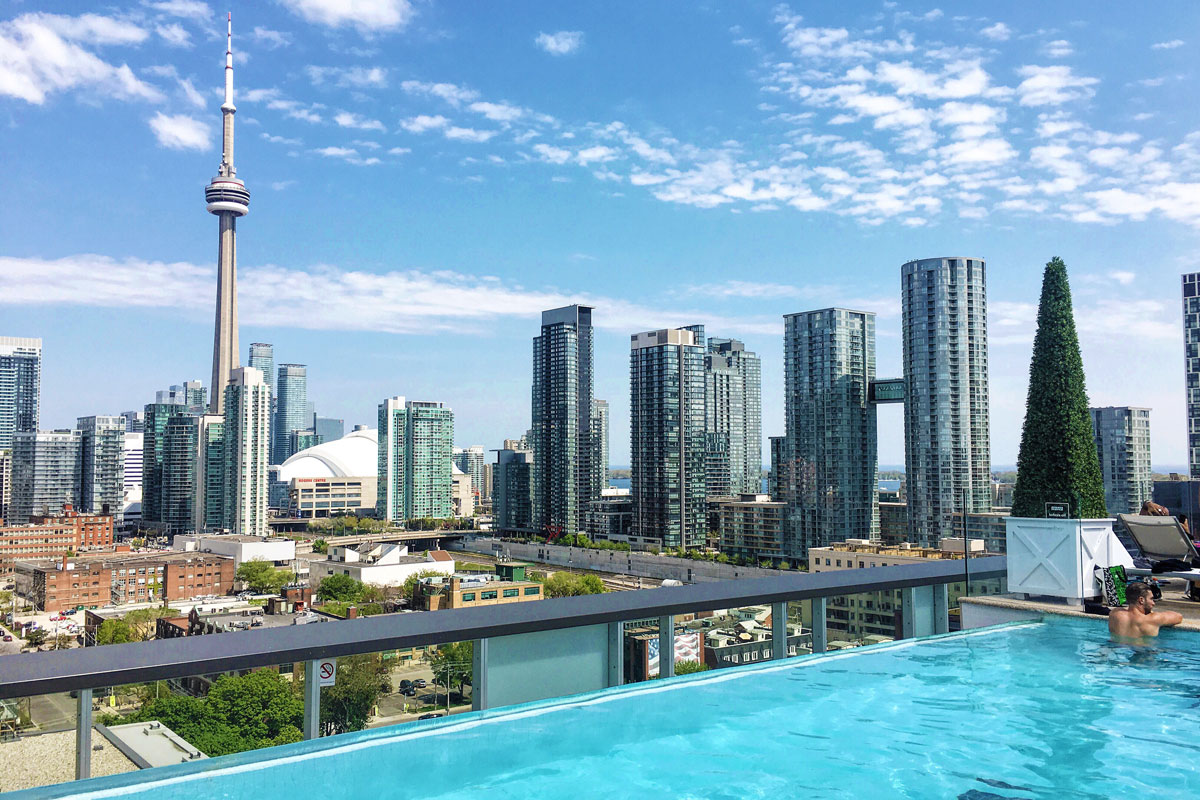
Downtown Toronto is behaving in a way that's the exact opposite of the outer areas. Only new-construction units and the very cheapest resale segment are seeing modest price increases. Pricier units have stopped appreciating, and they aren't easy to sell right now. On top of that, the downtown market is running into trouble renting units out. Where the average time to rent a unit after listing used to be around two weeks, it's now a month and a half, and that's even with rental prices sitting roughly 10% below where they stood in February. The explanation for this is fairly simple:
1) There are no students right now, and there are more than 150,000 of them in Toronto
2) With borders closed, there's no inflow of people arriving on work visas to work at major companies, another significant share of renters
3) And finally, downtown Toronto is the fastest-growing market in North America. Major companies are constantly opening offices here, bringing thousands of well-paying jobs, and when everything is temporarily on hold, there's simply no need for those additional jobs.
In my view, we're not going to see any significant changes here over the next six months, and it's possible resale condo prices could soften slightly. But once borders reopen and life returns to normal, both the rental market and the sales market will bounce back to normal very quickly, and what's more, 6 to 8 months after things normalize, downtown Toronto can expect its next sharp jump upward, in both rents and home prices. So anyone caught up in panic and thinking about listing their downtown condo for sale right now, I'd urge you to think it over carefully first.
And finally, the pre-construction condo market. Things here are fairly stable, projects are still selling quickly. The driving factor in this segment is that buyers of new construction, whether buying for themselves or for investment, understand perfectly well that they're buying a property that won't be built for another 3 to 5 years, and by then, the market will look completely different from how it looks today. Sharp increases in construction material costs, inflation, and the ongoing expansion of the city's transit infrastructure all point to excellent prospects for investors. What's being bought today will be worth an entirely different amount of money by the time construction is complete. That's always been true, and nothing about that is changing. And to buy a property like this, all you need to put down is a deposit, spread out over payments across 2-3 years. As a result, the money you put in as a deposit works at a much higher effective rate than it would buying an already-completed home, and on top of that, there's no dealing with tenants. This is an investment that grows your money on its own, without requiring any hands-on involvement from you.
You can find a collection of my articles from previous years in the Russian Blog section on www.newGTAcondos.com, where you can also watch various TV segments I've appeared in. If you'd like to receive our weekly real estate newsletter by email, sign up on the site, and every Friday you'll get the latest news from us, along with information about interesting new pre-construction projects before that information becomes public!