
Valley of Fire: Nevadas red-rock desert
Valley of Fire, Nevada
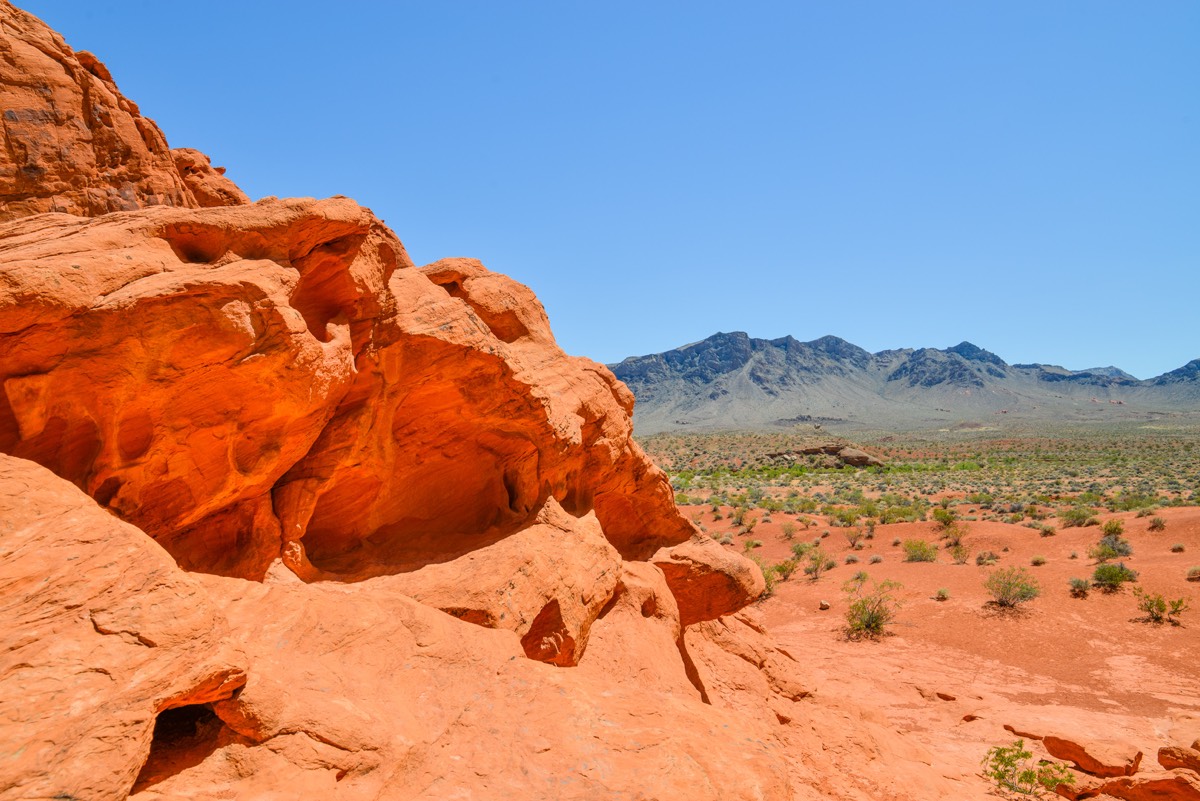
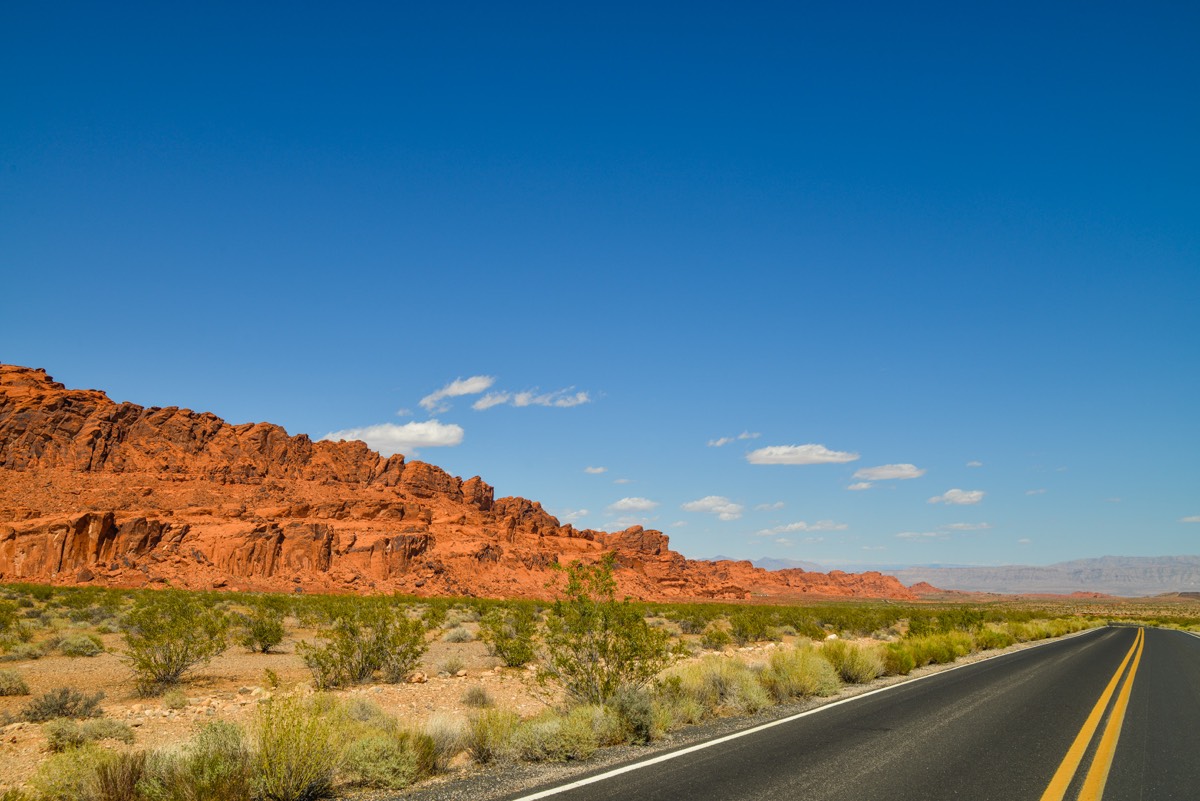
About an hour from Las Vegas lies a place that feels less like a park than a portal into another geological reality. Valley of Fire does not try to be soft, green or conventionally picturesque. Its beauty is different: dry, dramatic and almost cinematic. Red cliffs, rippled sandstone, desert light and immense silence create a landscape where it is easy to believe that Earth can look like another planet.
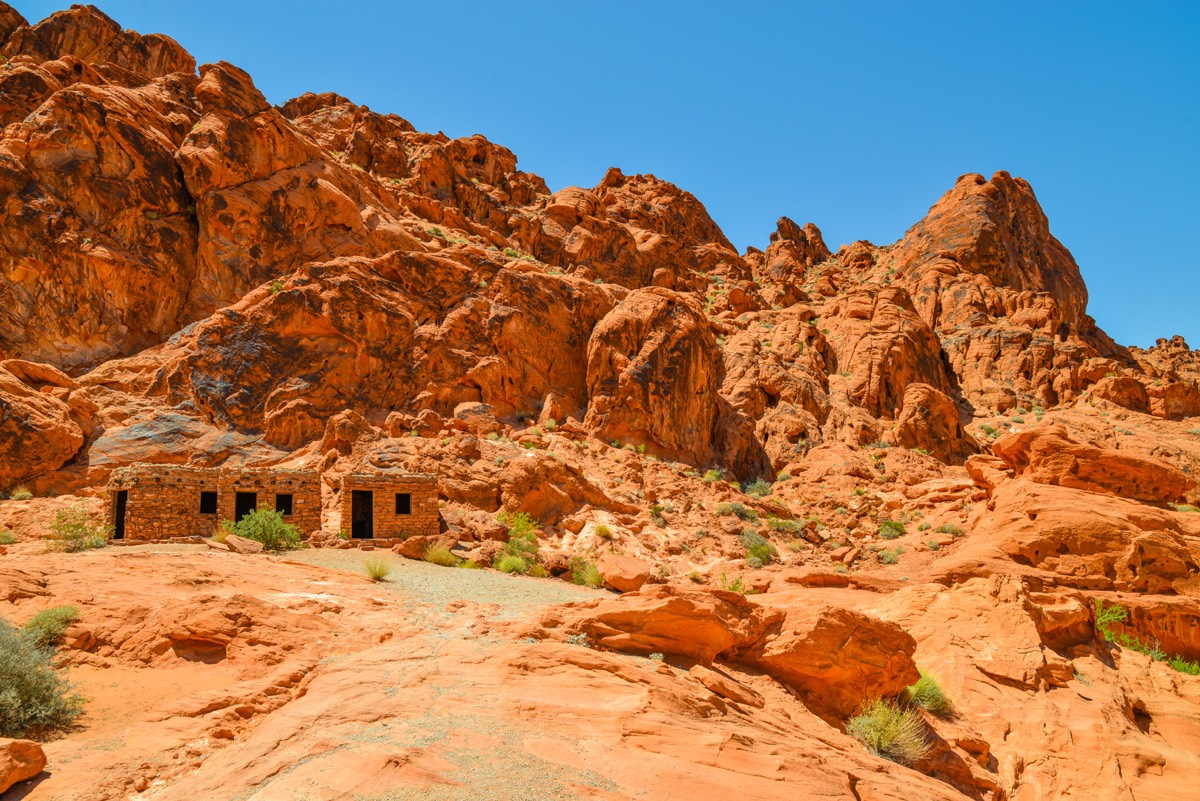
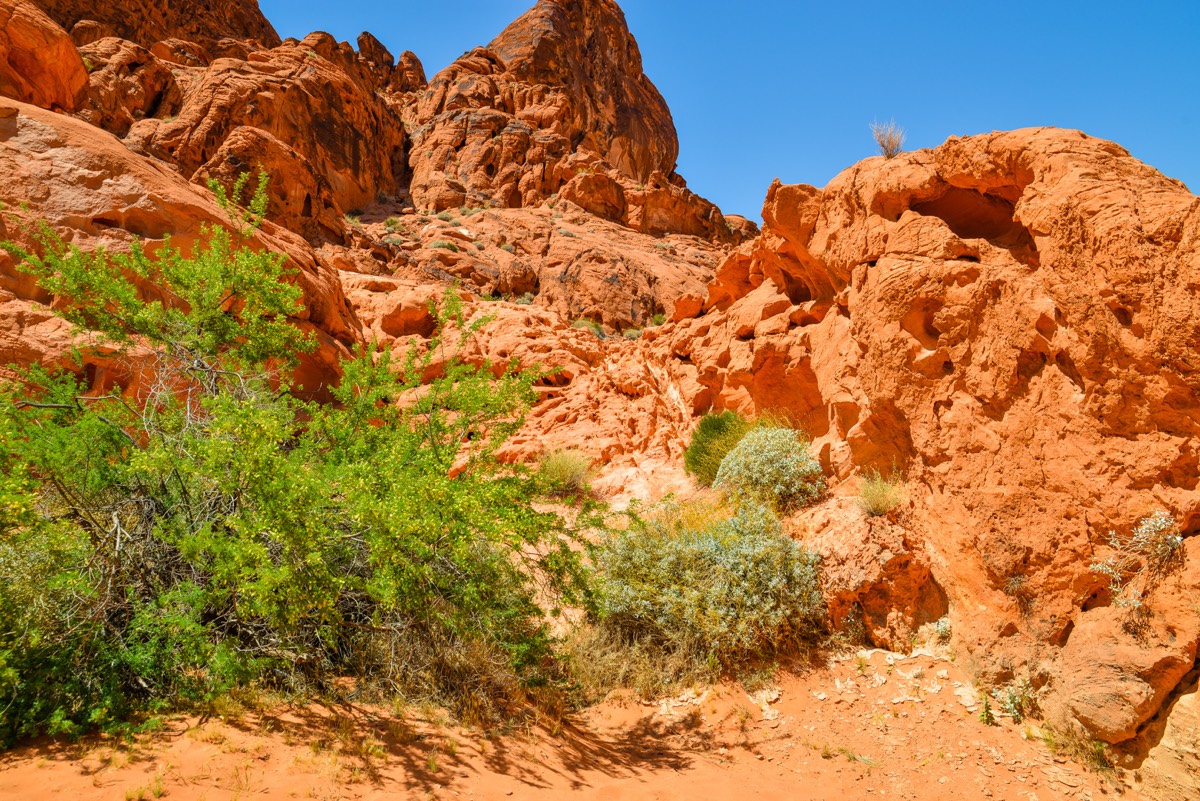
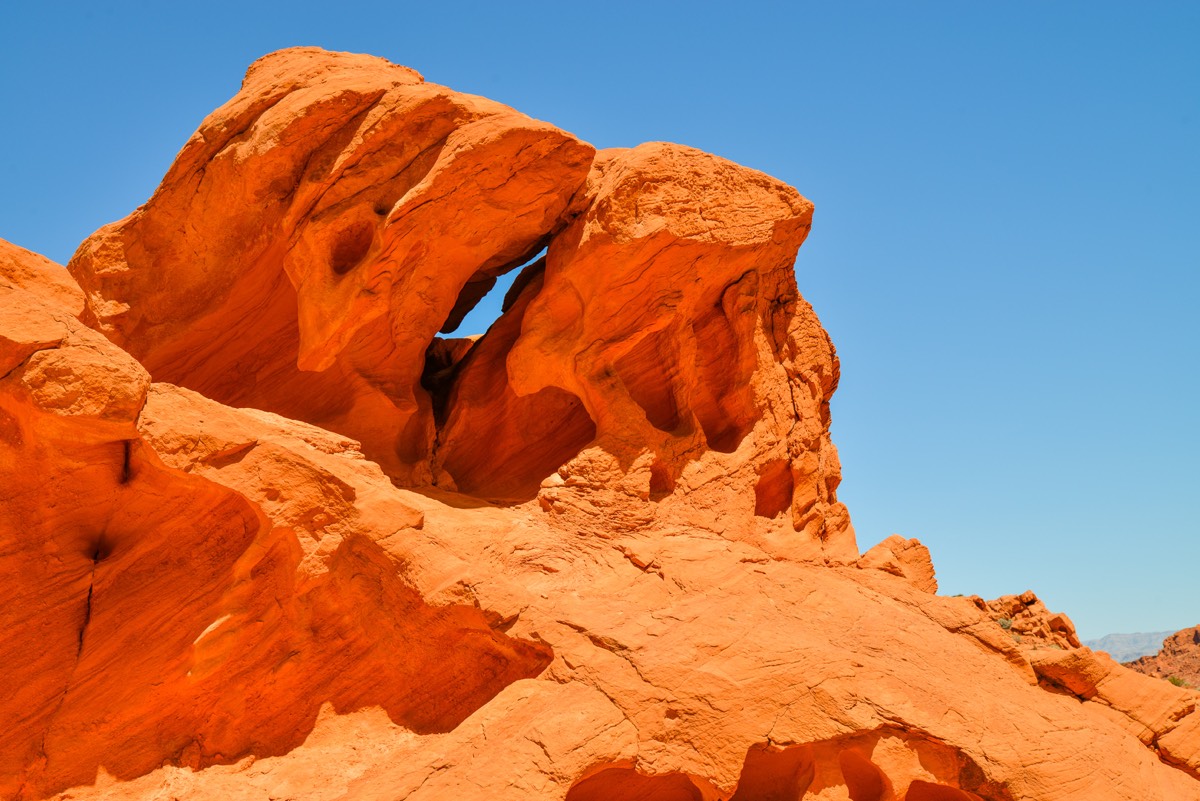
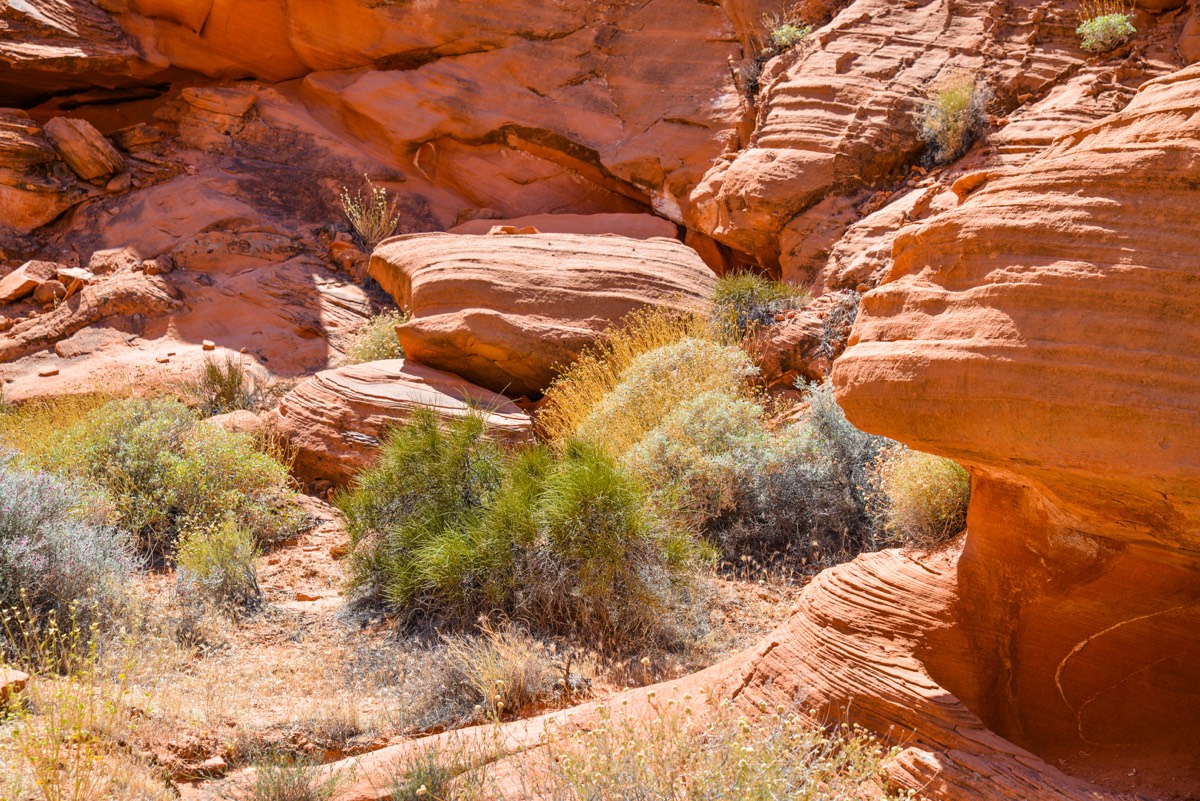
Valley of Fire is Nevada’s oldest state park and one of the most expressive natural landscapes of the American Southwest. Located in the Mojave Desert, it covers roughly 40,000 to 46,000 acres, depending on how the park boundaries are counted. Its signature feature is bright red Aztec Sandstone, set against gray and tan limestone mountains. These formations were created from ancient sand dunes about 150 million years ago, during the Jurassic period. Today, they look as if the desert froze in motion: waves, folds, arches, towers and smooth lines of stone.
The name Valley of Fire makes the most sense at sunrise and just before sunset. In low light, the rocks seem to ignite - copper, scarlet, orange, rose and gold. By midday, the colours become drier and harder, the shadows sharper, the space almost graphic. This place was made for photography, but it cannot be reduced to a beautiful image. In person, Valley of Fire is stronger: scale, silence and colour combine into an almost physical experience of the desert.
Traces of ancient civilizations
Valley of Fire is not only a natural spectacle, but also a landscape of memory. Petroglyphs preserved on the rocks were left by ancient peoples who lived in and travelled through this region. According to Nevada State Parks, some of these carvings date back more than 2,000 years, while evidence of human presence in southern Nevada reaches thousands of years deeper into the past.
Among the most accessible places to see petroglyphs are Atlatl Rock and Mouse’s Tank. Simple lines, animals, symbols and mysterious figures on dark rock surfaces remind us that the desert was never empty in a human sense. People hunted here, followed seasonal routes, searched for water, left signs, told stories and marked their presence in a landscape that has outlived entire civilizations.
That is why Valley of Fire demands respect. Petroglyphs should not be touched, scratched, traced, “enhanced” for a photograph or treated as casual tourism décor. They are not decoration, but a fragile connection to people whose voices have long disappeared, while their marks remain in stone.
The atmosphere of discovery
Valley of Fire offers trails of varying difficulty, many of them accessible even to visitors who do not consider themselves serious hikers. But the apparent simplicity of some routes should not be misleading: this is desert, and it does not forgive carelessness, especially in summer.
Among the best-known stops are Elephant Rock, a natural stone formation resembling an elephant; Fire Wave, with its soft, flowing sandstone stripes; White Domes, where pale rock and narrow passages create striking contrast; Rainbow Vista, where the landscape opens in layers of colour; and Mouse’s Tank, a route leading toward petroglyphs and a natural water basin. Each stop reveals a different version of the park: sometimes Martian, sometimes architectural, sometimes unexpectedly intimate.
Although Valley of Fire has long been a popular day trip from Las Vegas, it is still possible to find a sense of solitude here. Step away from the most obvious viewpoint, stop, stay quiet and let your eyes adjust to the space. The desert does not reveal itself to those who are always in a hurry.
A cinematic desert
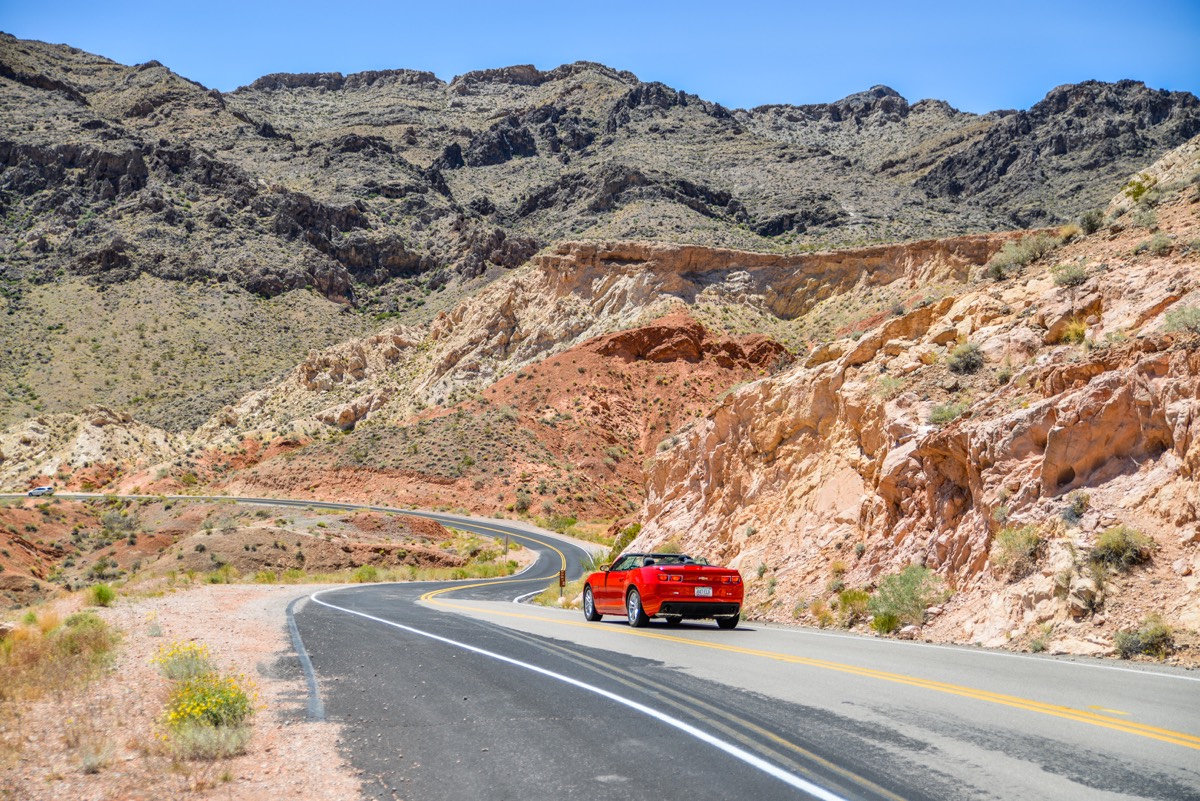
It is no surprise that Valley of Fire attracts photographers, commercial shoots and filmmakers. Its landscapes look almost artificially dramatic: too red, too graphic, too otherworldly to seem accidental. The park and surrounding areas have been used for science-fiction and adventure projects, as well as automobile advertising, precisely because nature here already works like a vast film set.
Yet the screen still misses the essential thing. In film, the desert becomes a background. In real life, it becomes a conversation. You see not just red stone, but time compressed into form. Millions of years of wind, sand, water, pressure and light - and suddenly all of it is within arm’s reach.
When to go
The best time to visit Valley of Fire is from autumn through spring, especially from October to April, when temperatures are far more comfortable for walking and hiking. In spring, you may catch softer light and, in the right conditions, desert blooms. In autumn, the park is especially beautiful at sunset, when the red rocks become deeper and more dramatic.
People do visit in summer, but the heat must be taken seriously. In the Mojave Desert, daytime temperatures can be extreme, and some trails may close during the hottest months for safety reasons. If you plan a summer visit, arrive very early in the morning, bring plenty of water, wear a hat, use sun protection and avoid hiking in midday heat. In Valley of Fire, the biggest mistake is assuming that a short trail automatically means an easy walk.
How to experience Valley of Fire properly
Valley of Fire can be seen quickly - in a few hours on the way from Las Vegas or toward Utah. But that kind of visit gives you only a postcard. To remember the park properly, give it time: stop at several trails, stay for sunset, visit the Visitor Center, read about the geology and history, and look at the petroglyphs not as a tourist checklist item, but as a human message carried across millennia.
You do not need a complicated plan here. Good shoes, water, a camera, respect for the heat and a willingness to look are enough. Valley of Fire does not entertain in the usual sense. It changes your sense of scale. After Las Vegas, with its neon, noise and artificial drama, this desert feels almost cleansing. Everything here is real: stone, light, wind, time.
Valley of Fire is a place where past and present meet in the fiery relief of the desert. People come not only for photographs, although the photographs can be extraordinary. They come for another feeling - the realization that nature can be more luxurious than any hotel, older than any civilization and more expressive than any set design. Just an hour from Las Vegas, there is a landscape that reminds you: the true luxury of travel is not always comfort. Sometimes it is an encounter with beauty so powerful that all you want to do is fall silent.