
Mercedes-Benz EQE: the electric business sedan
Еhe electric business sedan of a new era
The Mercedes-Benz EQE arrived at the moment when the premium automotive world could no longer treat electric cars as an experiment. After the flagship EQS, the Mercedes-EQ brand introduced a more compact, more athletic and more focused electric business sedan - a car designed to carry the philosophy of the E-Class into a new electric architecture. The EQE was not simply another familiar sedan with a battery in place of an engine. It was created on a platform developed specifically for electric vehicles, which is why it feels like a model of a new era rather than a compromise between past and future.
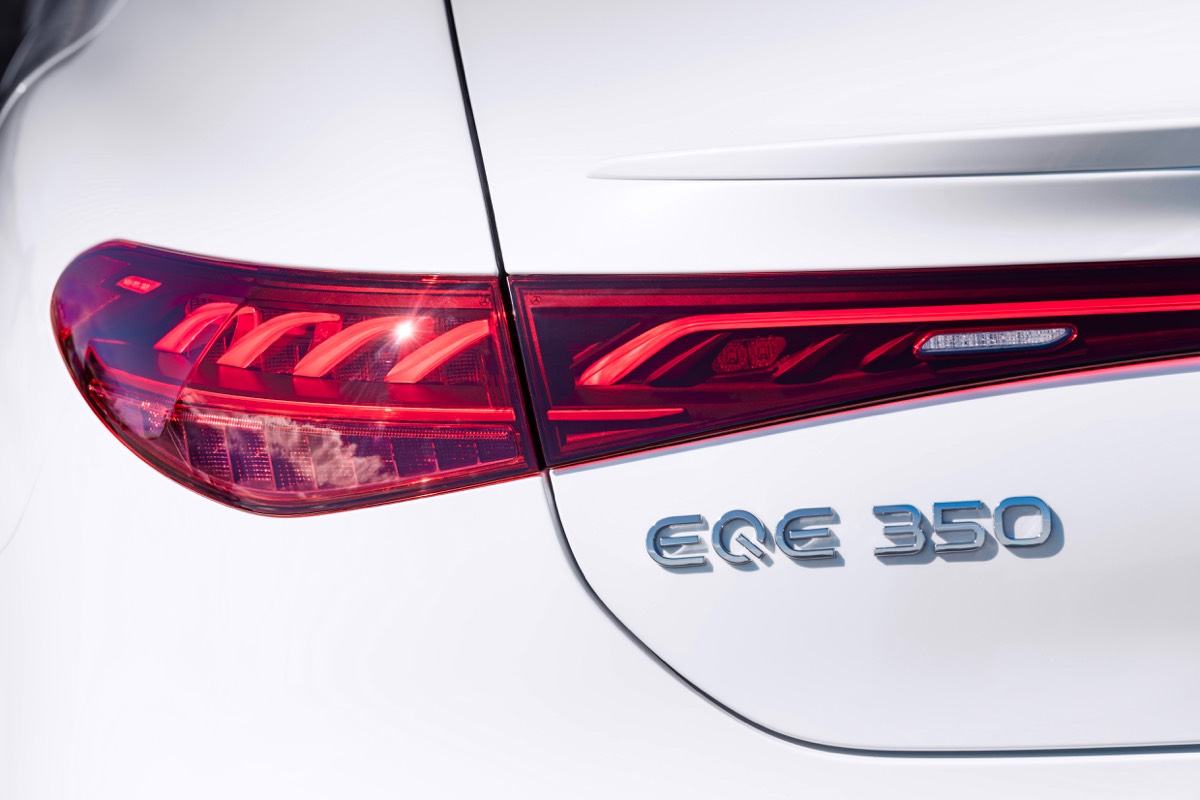
The EQE offers many of the key advantages of the EQS in a more compact format: quiet progress, a digital interior, a modern electric powertrain, a high level of comfort and the Mercedes-Benz emphasis on technological luxury. At launch, one of the main versions was the EQE 350, with output of 215 kW. Later, the model range expanded to include 4MATIC all-wheel-drive versions and more powerful variants. EQE production was integrated into the global Mercedes-Benz network: at the Bremen plant for world markets and at the BBAC joint venture in Beijing for China.
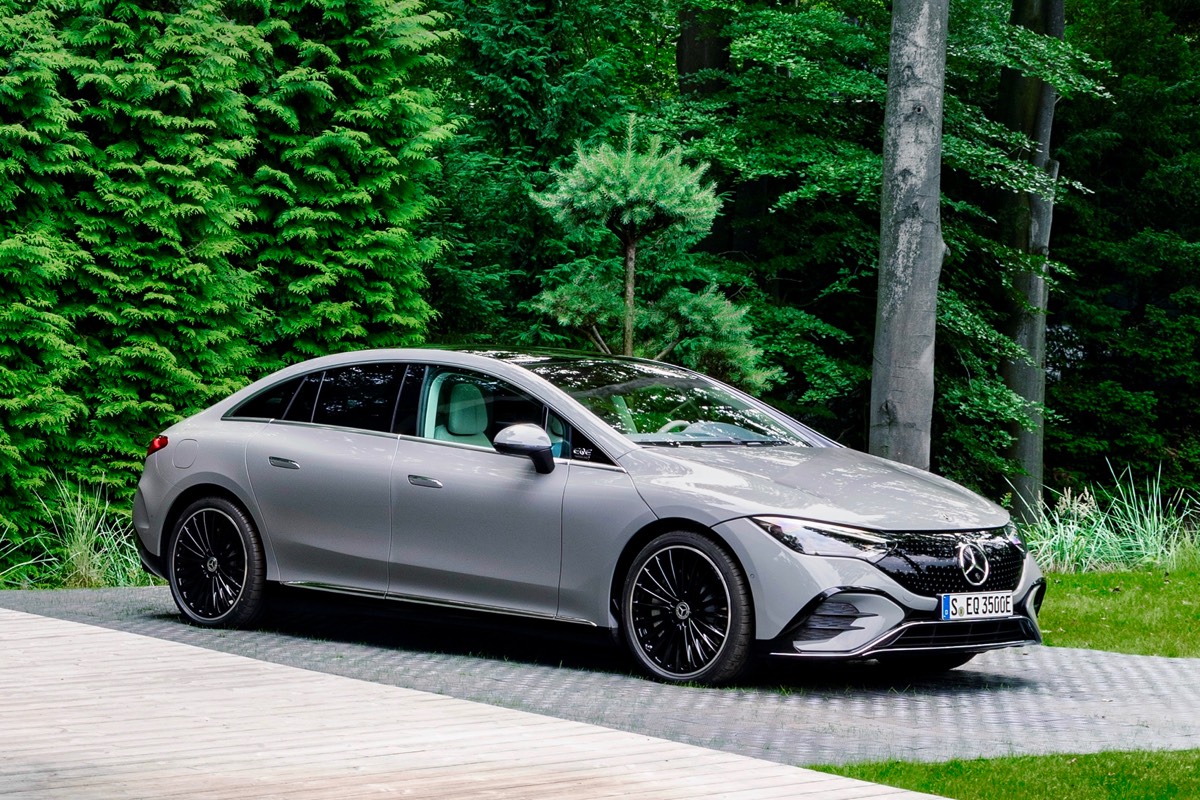
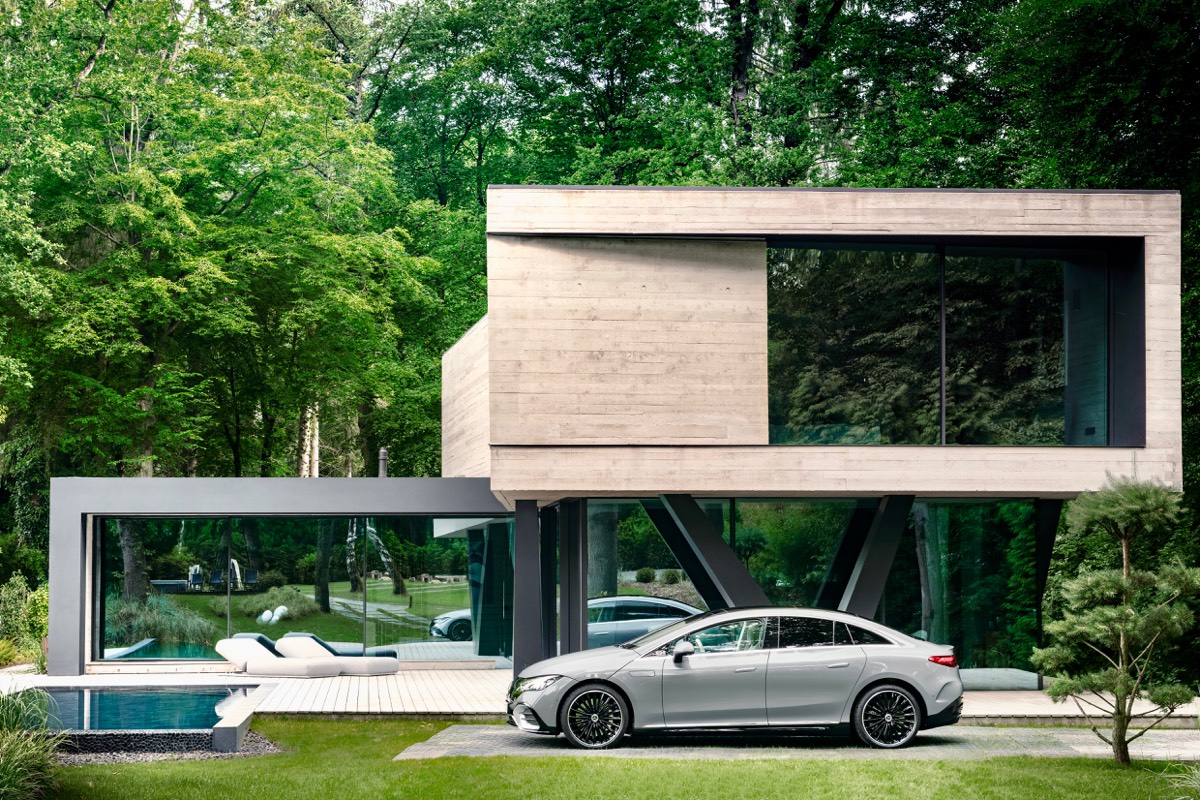
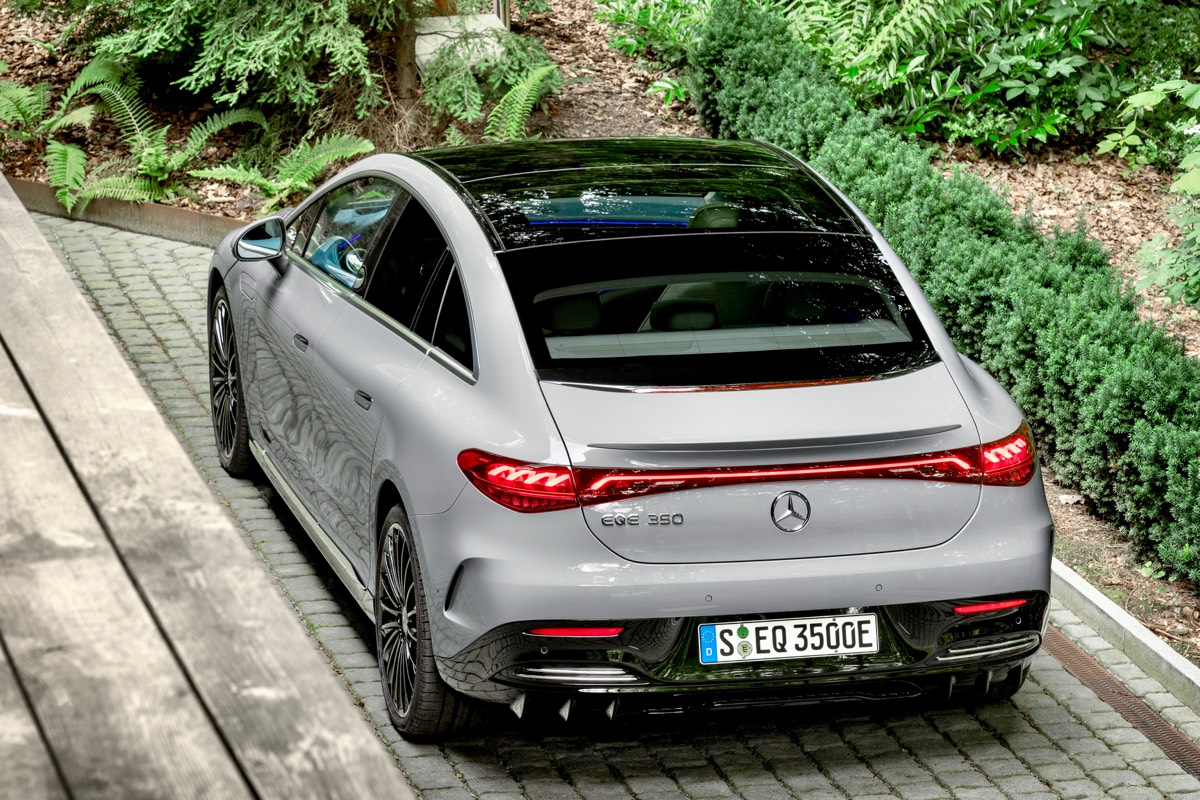
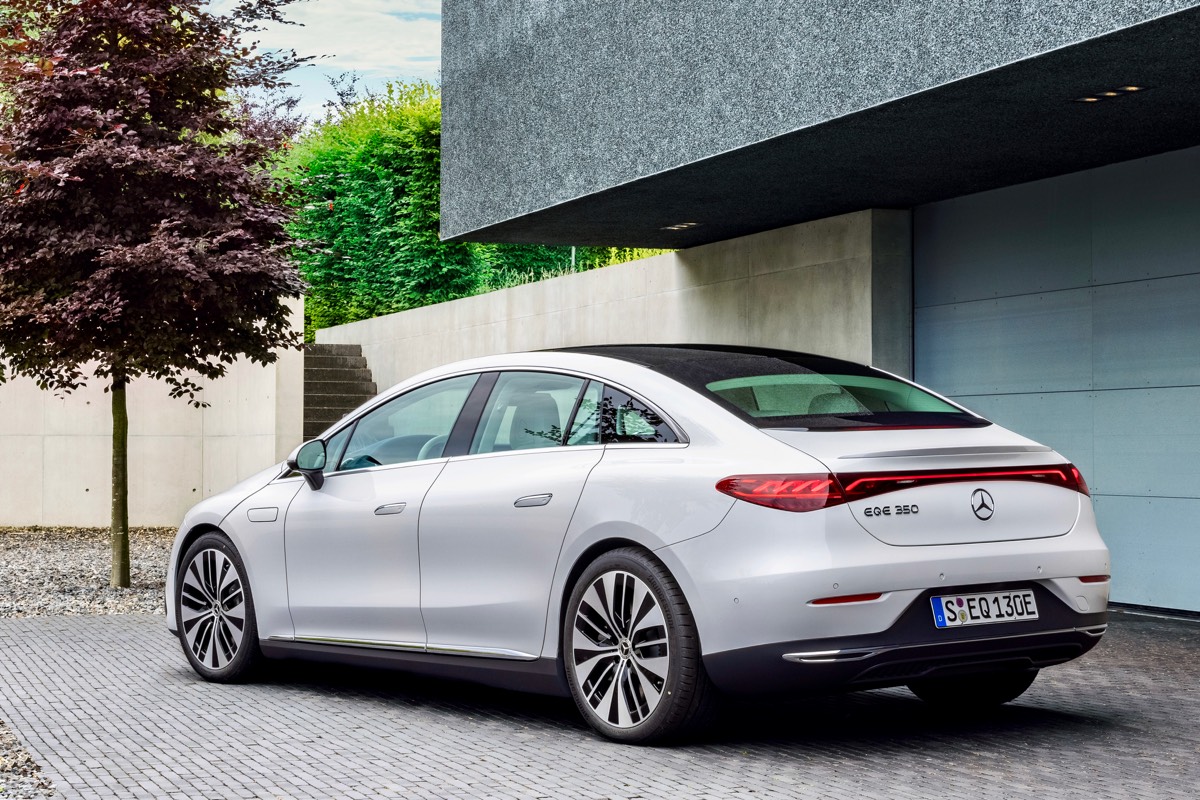
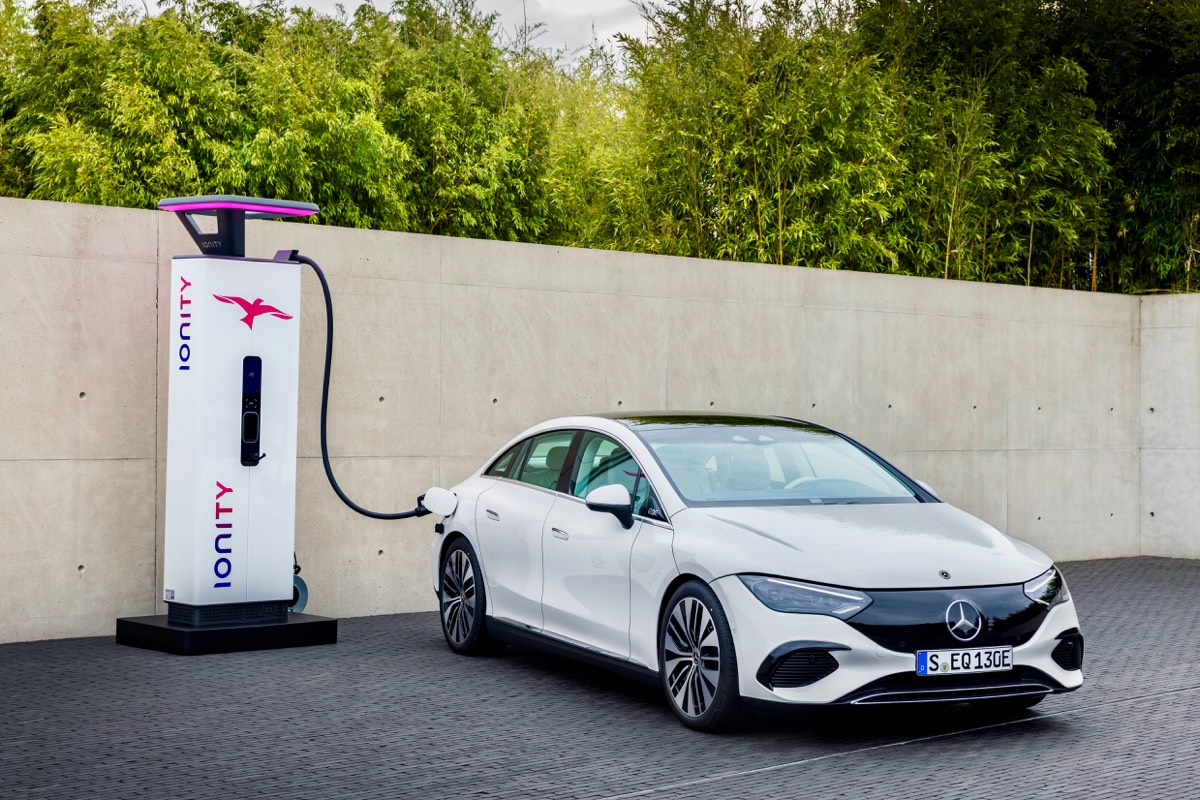
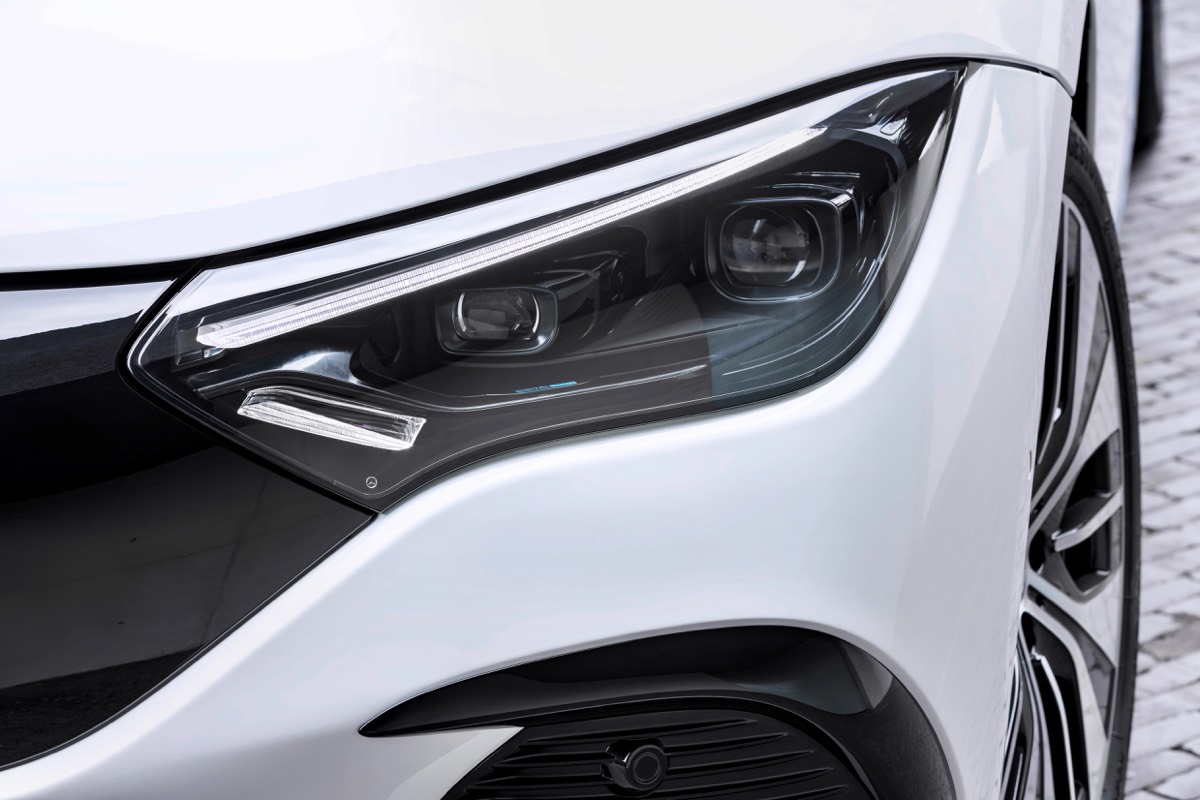
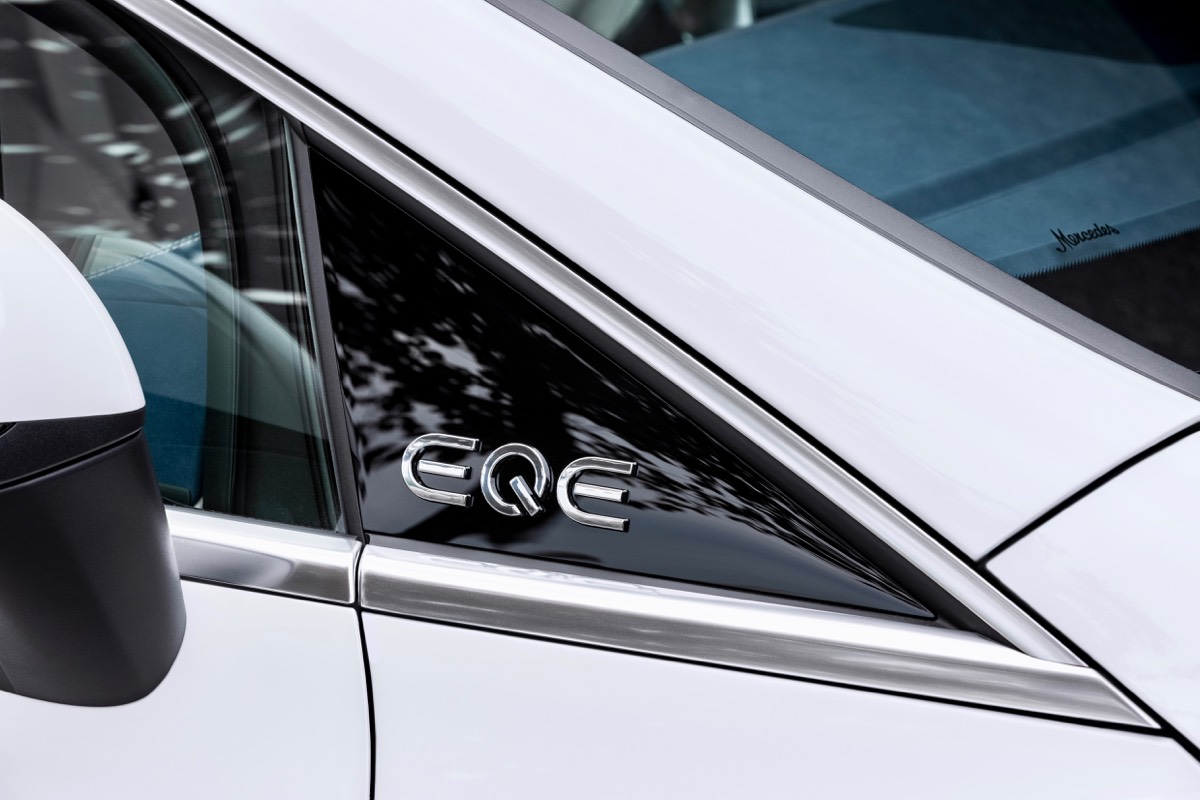
In concept, the EQE is closest to an electric successor to the traditional business sedan. Visually, however, it does not simply try to repeat the E-Class. It has a smoother silhouette, short overhangs, more tightly tapered body sides and the continuous one-bow line characteristic of Mercedes-EQ. The design philosophy of Sensual Purity appears here through flowing surfaces, fewer visual breaks and the impression of a shape formed in one uninterrupted movement.
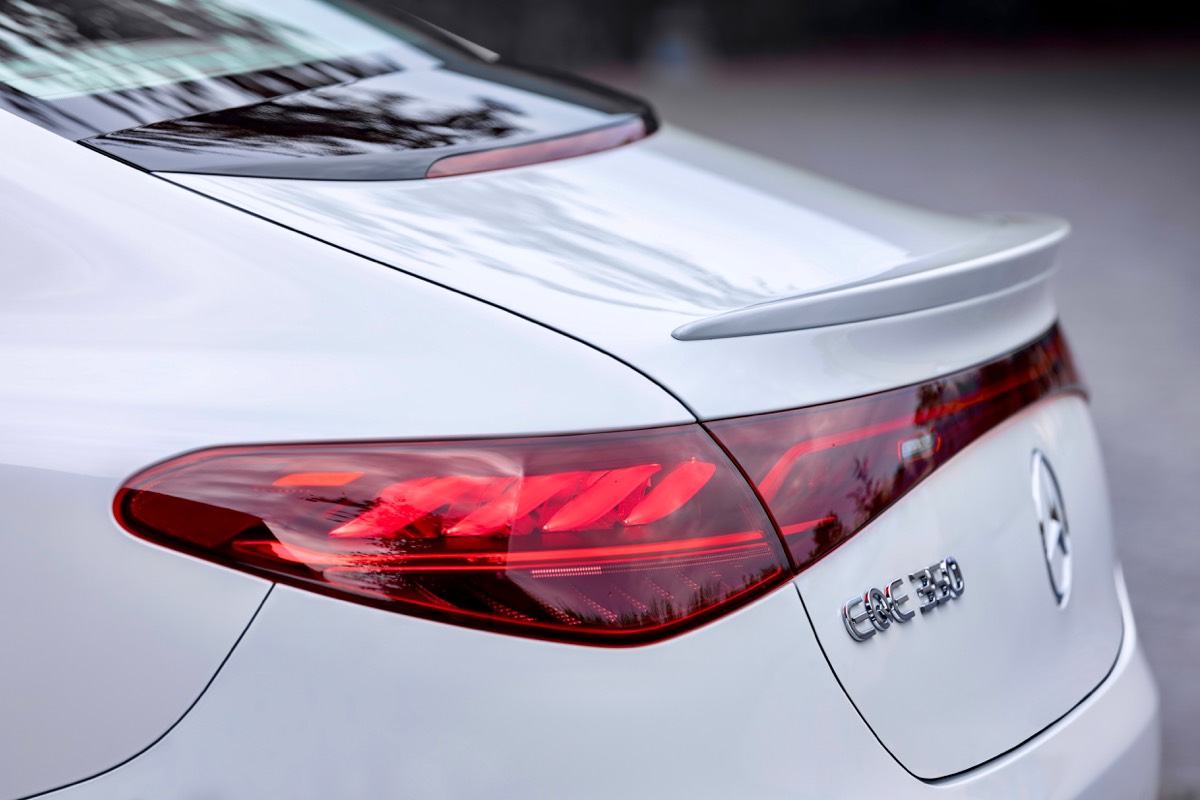
Unlike the larger EQS, the EQE looks more compact and composed. Its rear section creates a dynamic accent, while 19- to 21-inch wheels sitting nearly flush with the arches, together with a strong shoulder area, give the car an athletic character. This is not an aggressive sport sedan in the traditional sense, but rather a calm, confident and very modern electric business-class car.
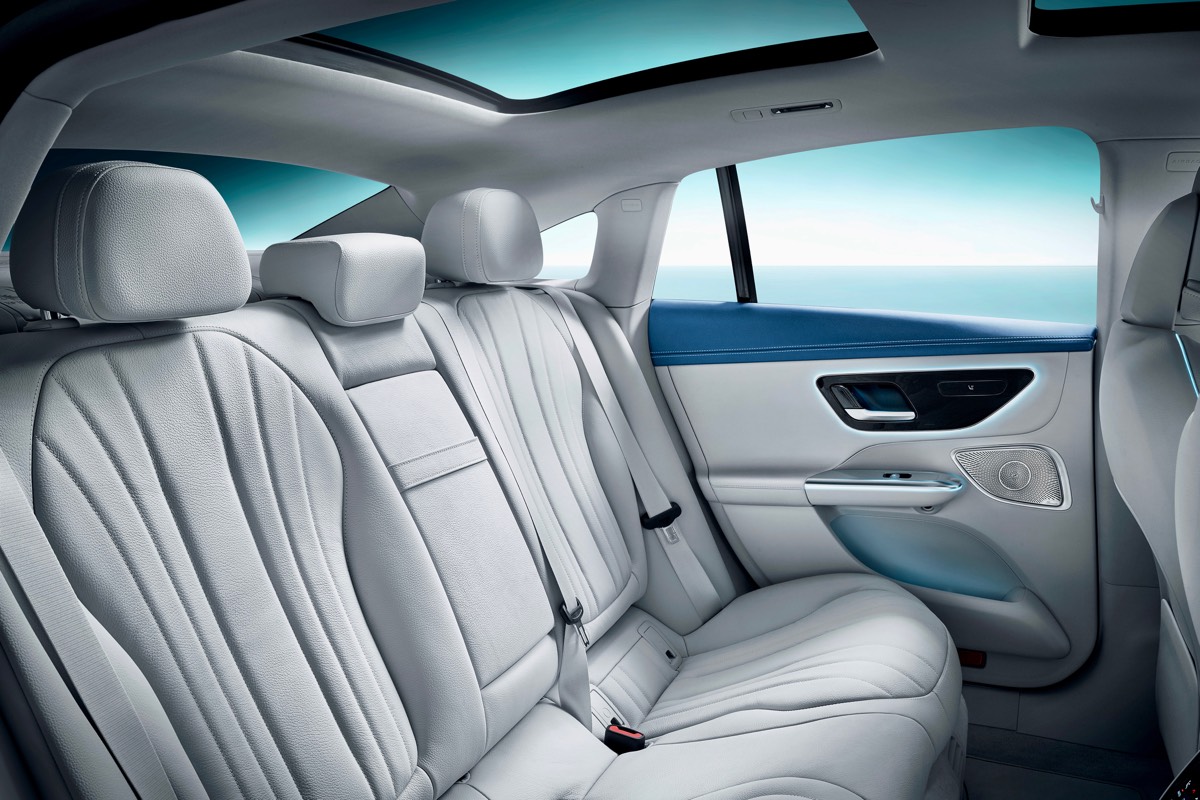
In exterior dimensions, the EQE is comparable to the Mercedes-Benz CLS: length is approximately 4,946 mm, width 1,961 mm and height around 1,512 mm. Yet thanks to the electric architecture, the cabin is more spacious than the exterior dimensions might suggest. Compared with the traditional E-Class of the W213 generation, the EQE offers more room in several key areas, including front shoulder room and overall interior length.
Interior: digital luxury and a new logic of control
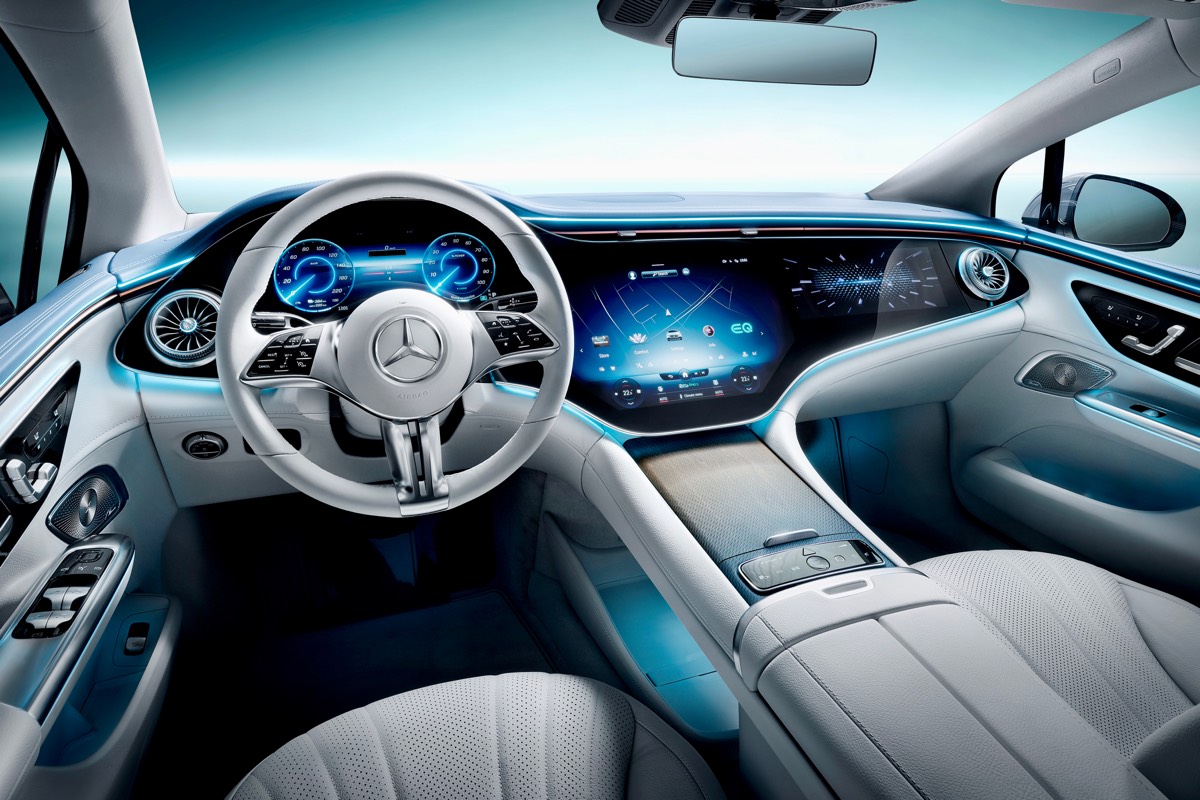
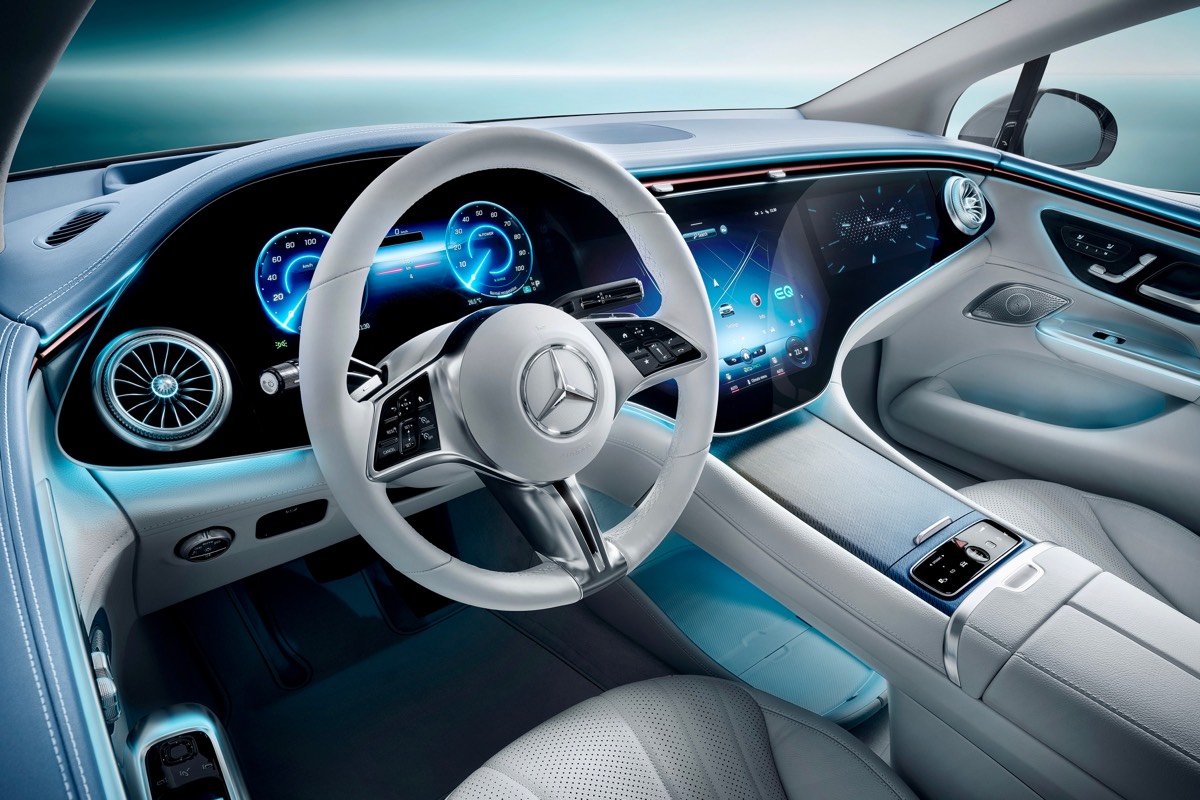
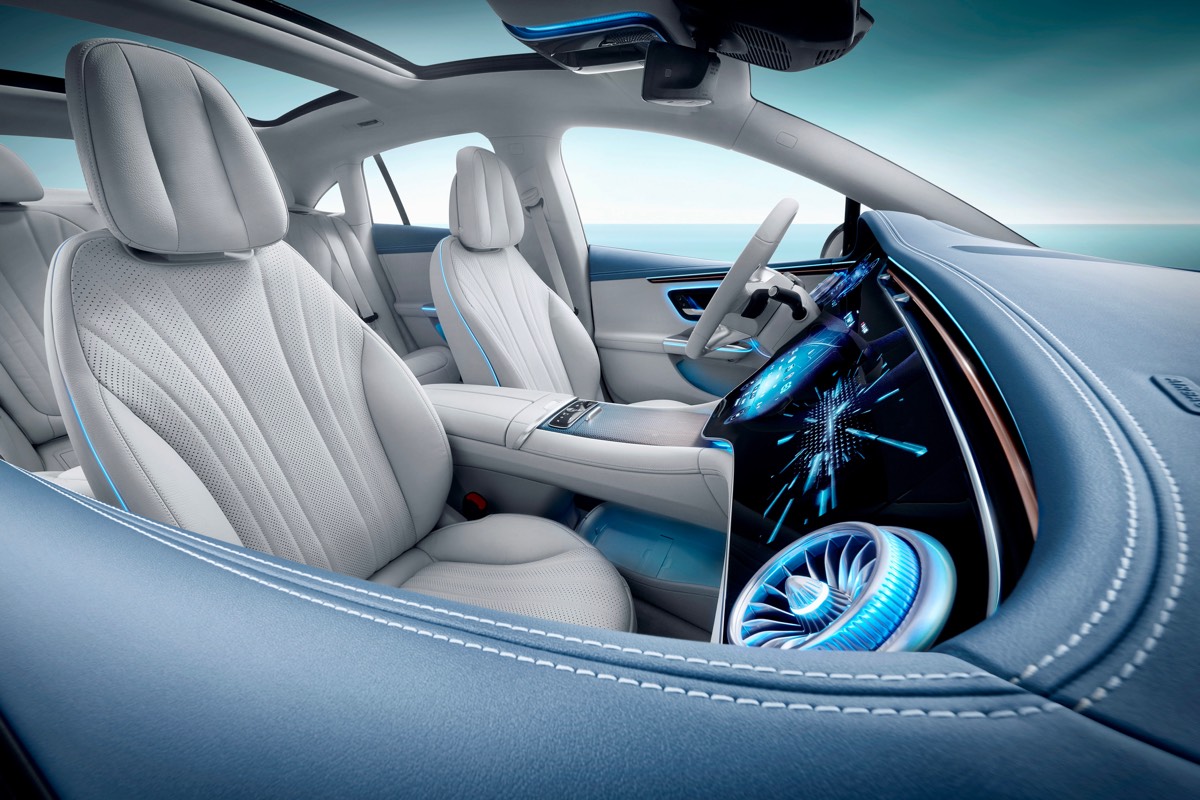
The main visual highlight of the cabin is the optional MBUX Hyperscreen. When specified, almost the entire dashboard becomes a single wide glass surface, beneath which several high-resolution displays are arranged. This is not merely a large screen for effect. The Hyperscreen creates a new interior architecture, where the digital interface becomes part of the design rather than a separate device installed into the panel.
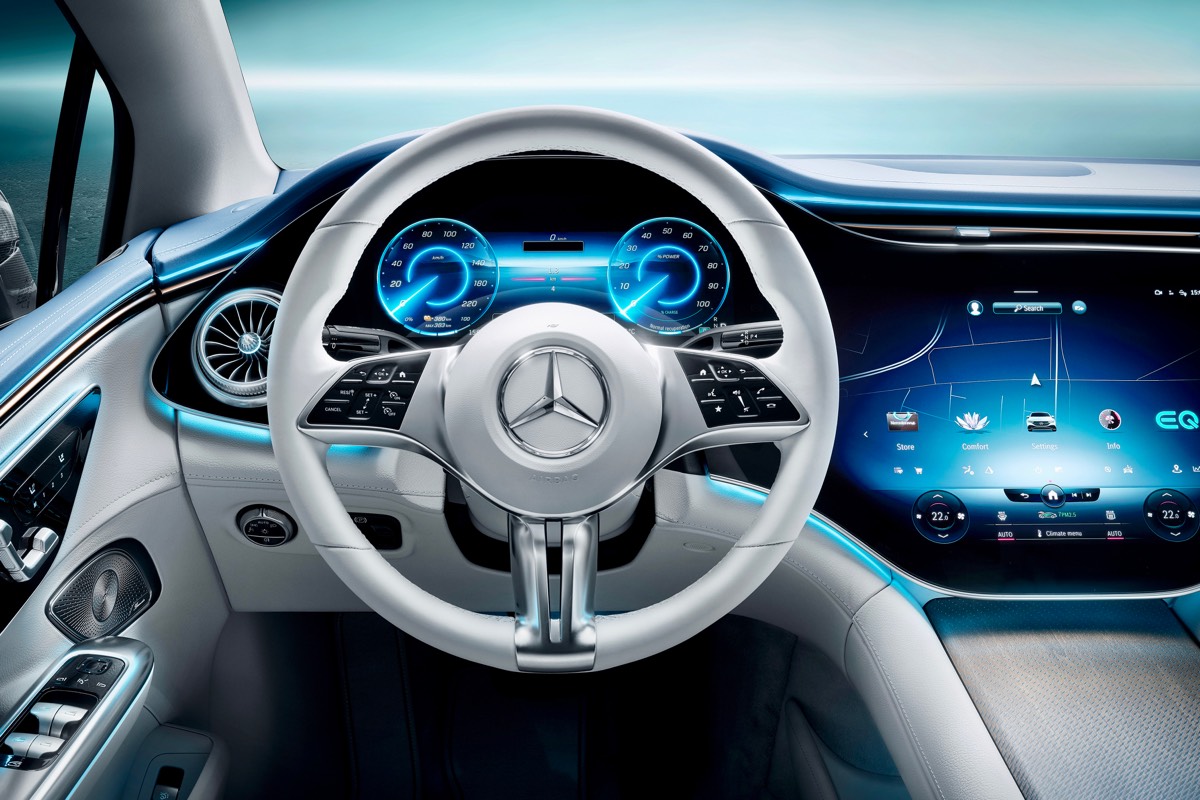
The driver has a 12.3-inch instrument display, while the central area controls navigation, multimedia, climate and vehicle functions. The front passenger can also receive a dedicated screen. In Europe, Mercedes-Benz introduced an intelligent content restriction system: if a camera detects that the driver is looking at the passenger display, the image can be dimmed depending on the type of content.
The air-vent line stretches almost across the full width of the cabin and appears very slim. Combined with the curved glass surface of the Hyperscreen, it creates an avant-garde dashboard architecture. The outer air vents are shaped like turbines, adding a contrast between precise mechanical design and the glass-heavy digital world of displays.
The latest-generation MBUX system, first introduced in the EQS, is also used in the EQE. Its logic is based on learning software: the car remembers the user’s habits and suggests the right functions at the right moment. Mercedes-Benz calls this the zero-layer principle, in which important apps and suggestions appear at the top level of the interface without requiring the driver to scroll through submenus or give voice commands.
When it works well, this changes the feeling of the car. The driver does not have to fight the digital menu; the system tries to anticipate intention. In an electric sedan where quietness and smoothness create an almost lounge-like atmosphere, this logic feels especially appropriate.
Electric powertrain
At launch, the EQE 350 received an electric powertrain with output of 215 kW. The basic architecture places the electric drive unit on the rear axle, while later 4MATIC versions add an electric drive unit on the front axle as well. This allows Mercedes-Benz to create both more efficient rear-wheel-drive versions and all-wheel-drive models with stronger traction and higher performance.
The EQE uses permanently excited synchronous motors. Their advantages include high power density, efficiency and consistent output. The rear motor is especially powerful thanks to a six-phase design with two three-phase windings.
The lithium-ion battery in the EQE consists of ten modules and has a usable capacity of around 90 kWh. An important feature is Mercedes-Benz’s in-house battery management software, which supports over-the-air updates. This allows energy management to be improved and kept current throughout the vehicle’s life cycle.
Mercedes-Benz also took an important step toward more sustainable battery chemistry: the advanced active material uses nickel, cobalt and manganese in an 8:1:1 ratio, reducing cobalt content to less than ten percent. For a premium electric vehicle, this is an important part of the broader strategy: efficiency and luxury can no longer be considered separately from the origin of materials, recycling and the battery’s life cycle.
Range, charging and the daily logic of an electric car
One of the EQE’s main strengths is that it is designed not only for the city, but also for longer journeys. Depending on version, market, equipment and wheel size, WLTP range can exceed 600 km in some rear-wheel-drive variants. In real North American use, range will depend on temperature, speed, driving style, tyres, terrain and climate-control use, but the vehicle architecture is clearly designed for confident travel between cities, not only short daily routes.
The charging logic is also shaped around the premium user. The EQE supports AC charging for home or office use and DC fast charging at public fast chargers. This makes the car convenient both for daily life and for trips where range is not the only question - the speed of recovering energy matters as well.
For owners in Canada and the United States, the key issue is not only the official range figure, but access to convenient charging infrastructure. In this sense, the EQE competes not only with battery numbers, but with the total ownership experience: navigation, charging-route planning, software updates and how easily the car fits into a real daily schedule.
Business-class comfort in electric form
The EQE is interesting because it transfers traditional Mercedes-Benz values into the electric era. This is not a car trying to impress only with acceleration. Its real strength lies in quietness, smoothness, the feeling of technological quality and the ability to reduce fatigue for driver and passengers.
The electric platform helps organize space in a new way. The absence of a traditional engine and transmission tunnel gives more freedom to the layout, while the low-mounted battery improves the centre of gravity. As a result, the EQE feels like a sedan in which comfort and stability work together. It does not need to be loudly sporty in order to drive with confidence.
For a North American buyer, this formula is especially important. Here, a car often has to be a daily driver, a status object, a technology tool and a comfortable space for long journeys all at once. The EQE answers exactly that demand: it is smaller and more practical than the EQS, but still prestigious enough to be understood as a true premium business sedan.
Why the EQE matters for Mercedes-Benz
The EQE became one of the key models in the transition of Mercedes-Benz toward an electric lineup. If the EQS showed what an electric flagship could be, the EQE answered a more relevant question for the premium segment: what should an electric business sedan be?
The answer is characteristic of Mercedes-Benz. The EQE does not try to be the most radical, the loudest or the most provocative electric car. Its strength lies elsewhere: mature technology, quiet luxury, a digital interior, smooth progress and the feeling that the future does not have to be cold or sterile, but can be soft, thoughtful and deeply comfortable.
That is why the EQE should be seen not only as an electric alternative to the E-Class, but also as a sign of the times. A business sedan no longer has to smell of gasoline, sound like an engine or prove status with the size of its grille. In the new era, status is increasingly expressed differently: through silence, efficiency, software intelligence, material quality and the ease with which a car fits into modern life.