
When a coffee shop becomes part of the show
Starbucks at Disney Springs
In the world of Disney, even a cup of coffee does not have to be just a cup of coffee. Every space here works like a stage, where taste, speed of service and a recognizable logo are only part of the story. Atmosphere, architecture, light, the guest’s path and the feeling of a small event matter just as much. That is why the flagship Starbucks at Disney Springs in Orlando is interesting not only to coffee lovers. It is an example of how a global brand can enter the Disney universe without losing its own identity, while also becoming part of a larger story.
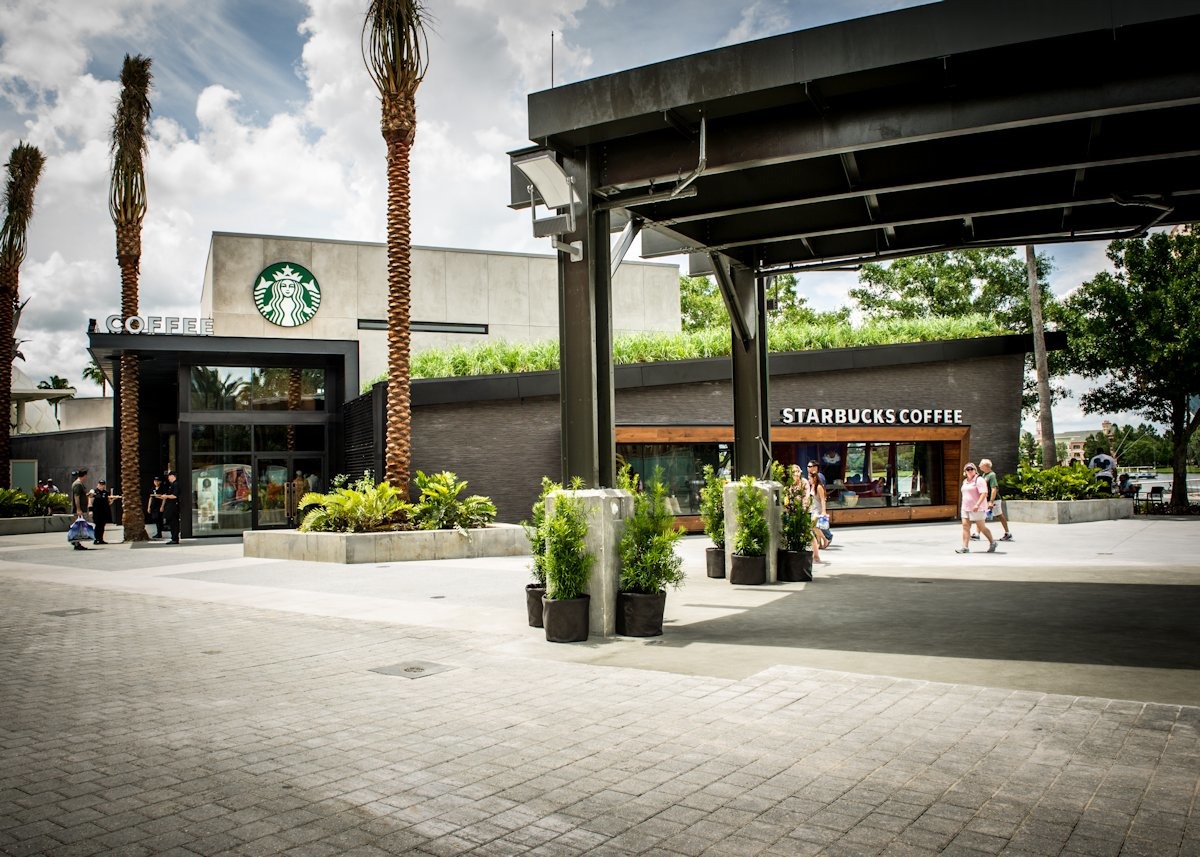
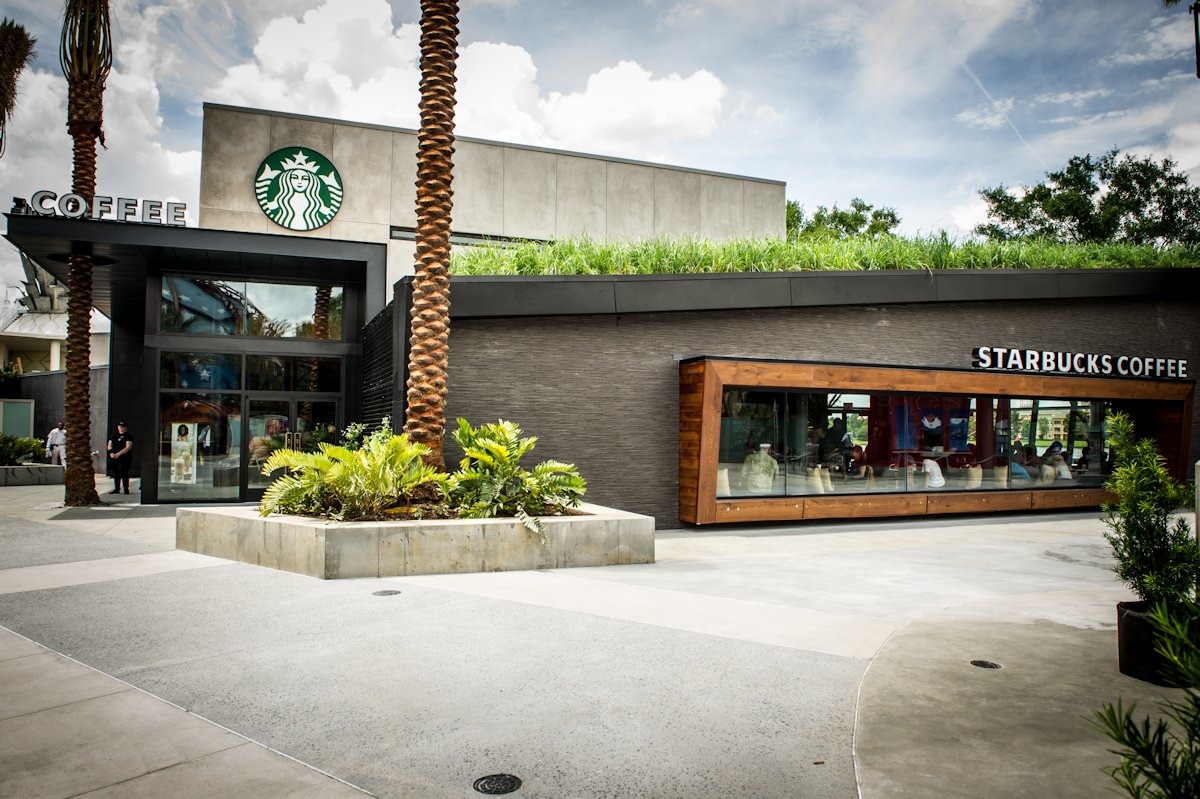
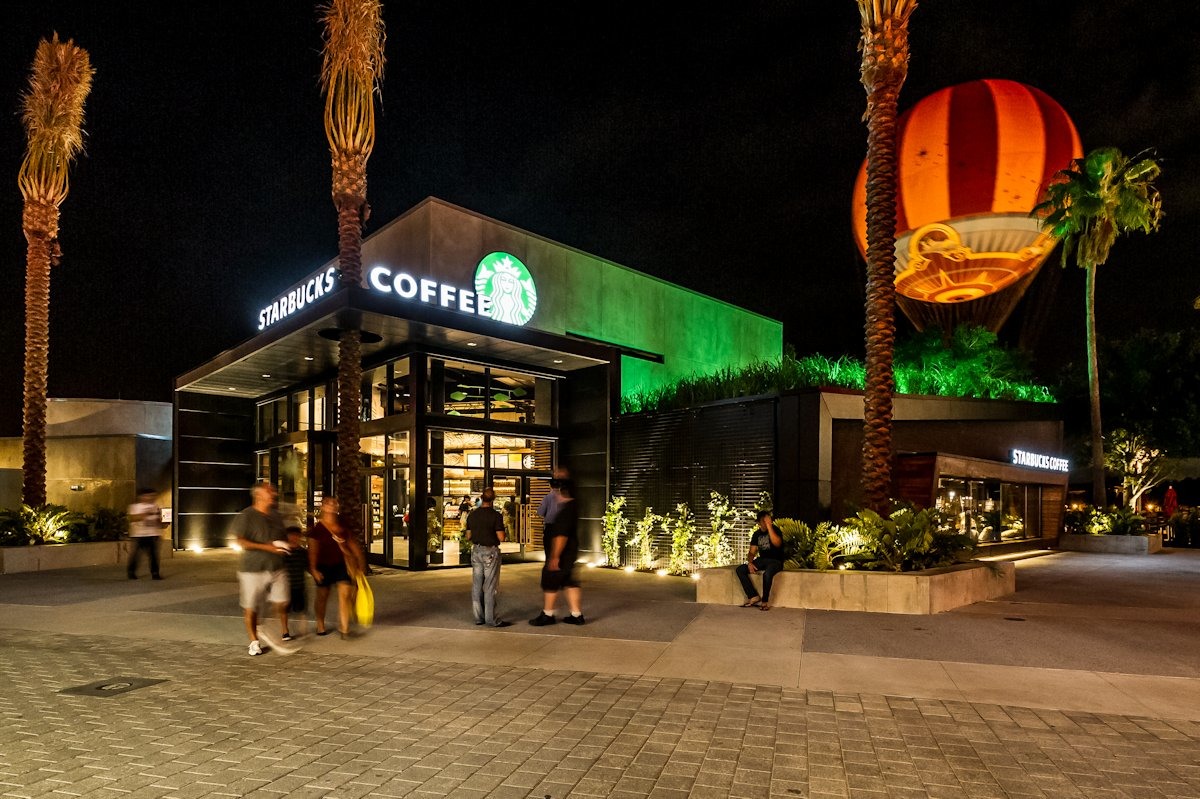
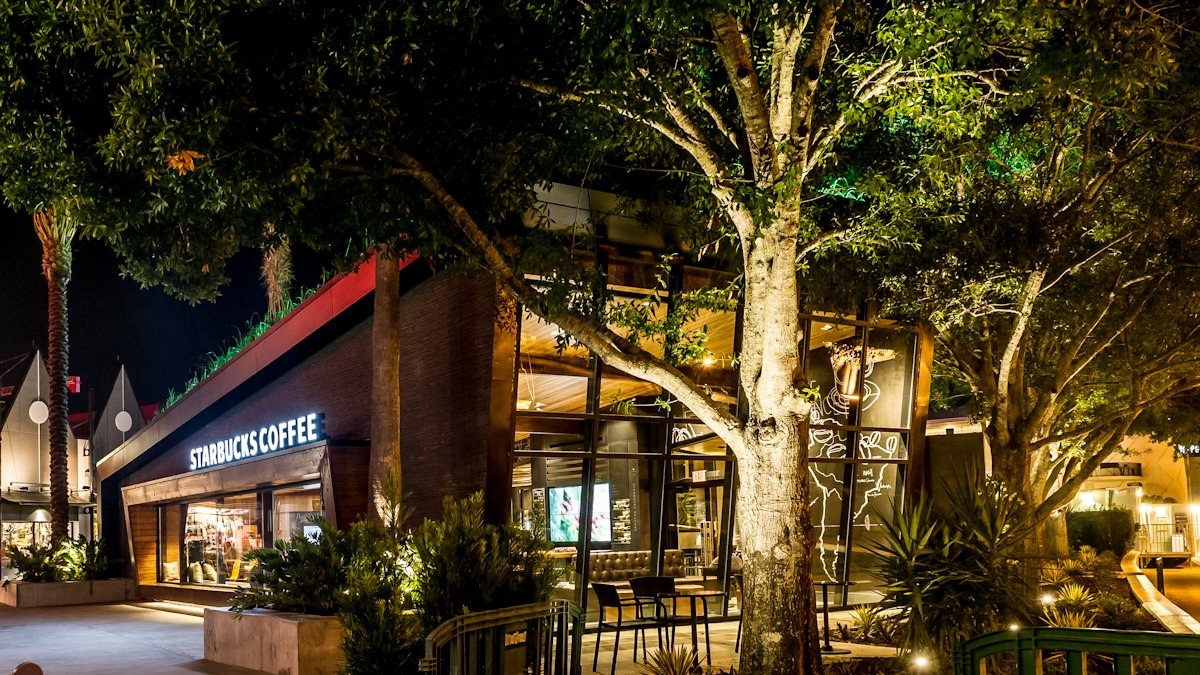
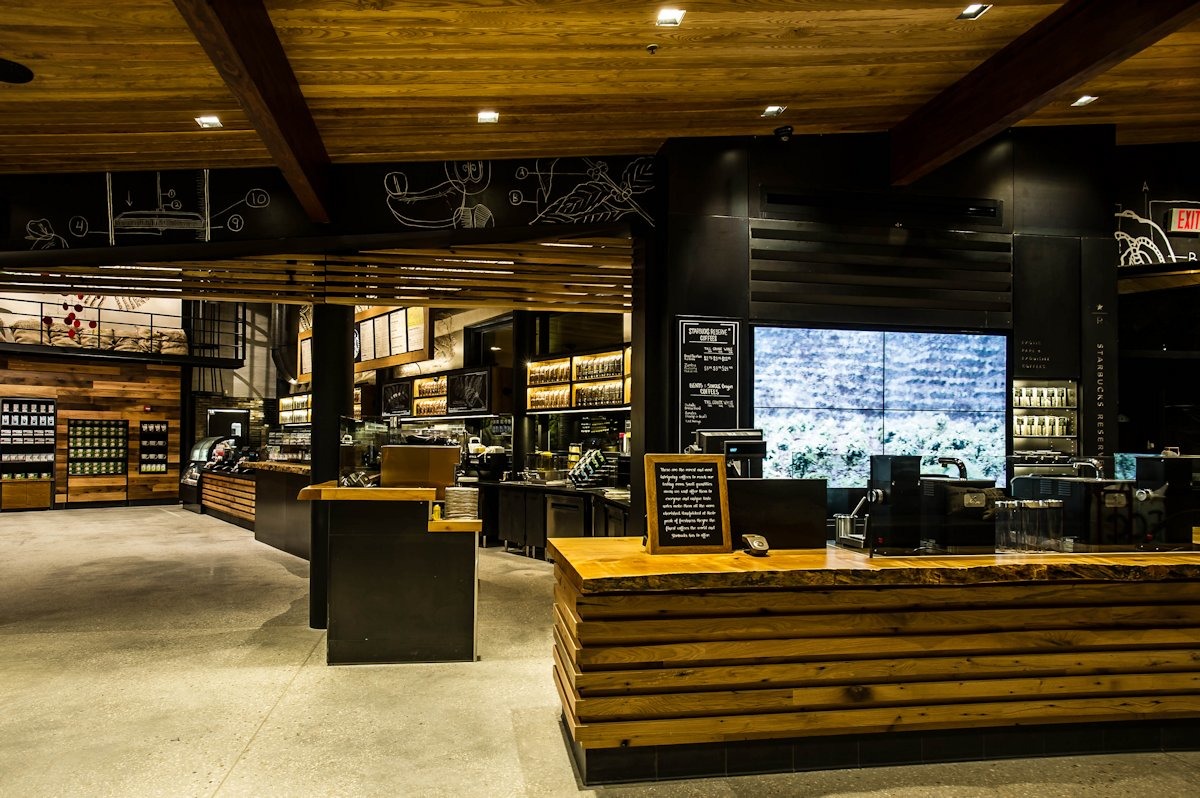
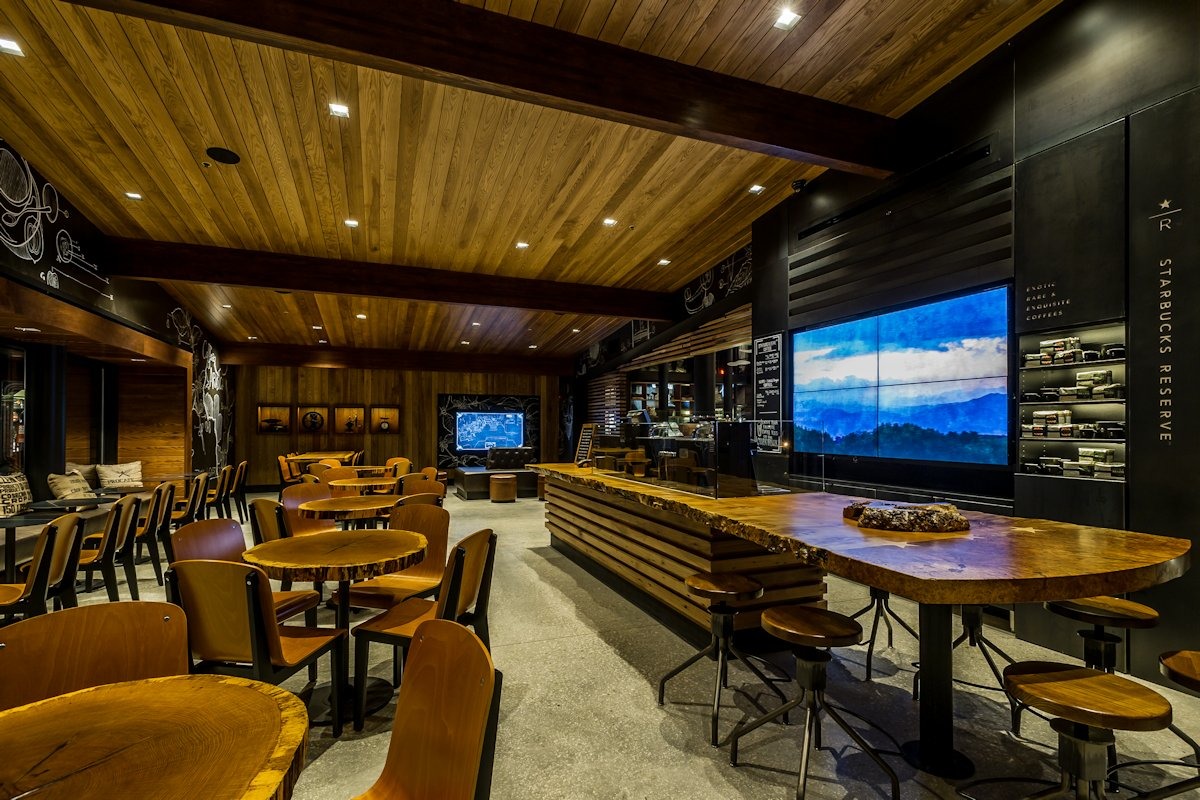
Starbucks senior designer David Daniels created a nearly 4,000-square-foot café for Walt Disney World Resort in Orlando. When it opened, the location was part of Downtown Disney; today, that area is known as Disney Springs - a large open-air shopping, dining and entertainment district at Walt Disney World Resort. The name change matters. Disney Springs is no longer simply a retail area beside the parks. It is a destination in its own right, with restaurants, shops, promenades, water views, evening atmosphere and free access for guests.
For Starbucks, this was not an ordinary “coffee to go” format. The company had already opened its first company-operated café in Downtown Disney in Anaheim, California, and then continued its collaboration with Disney in Florida. The two locations became part of a broader dialogue between two iconic brands: Disney knows how to create environment and emotion; Starbucks knows how to turn the daily coffee ritual into a recognizable lifestyle experience.
Architecture instead of a standard format
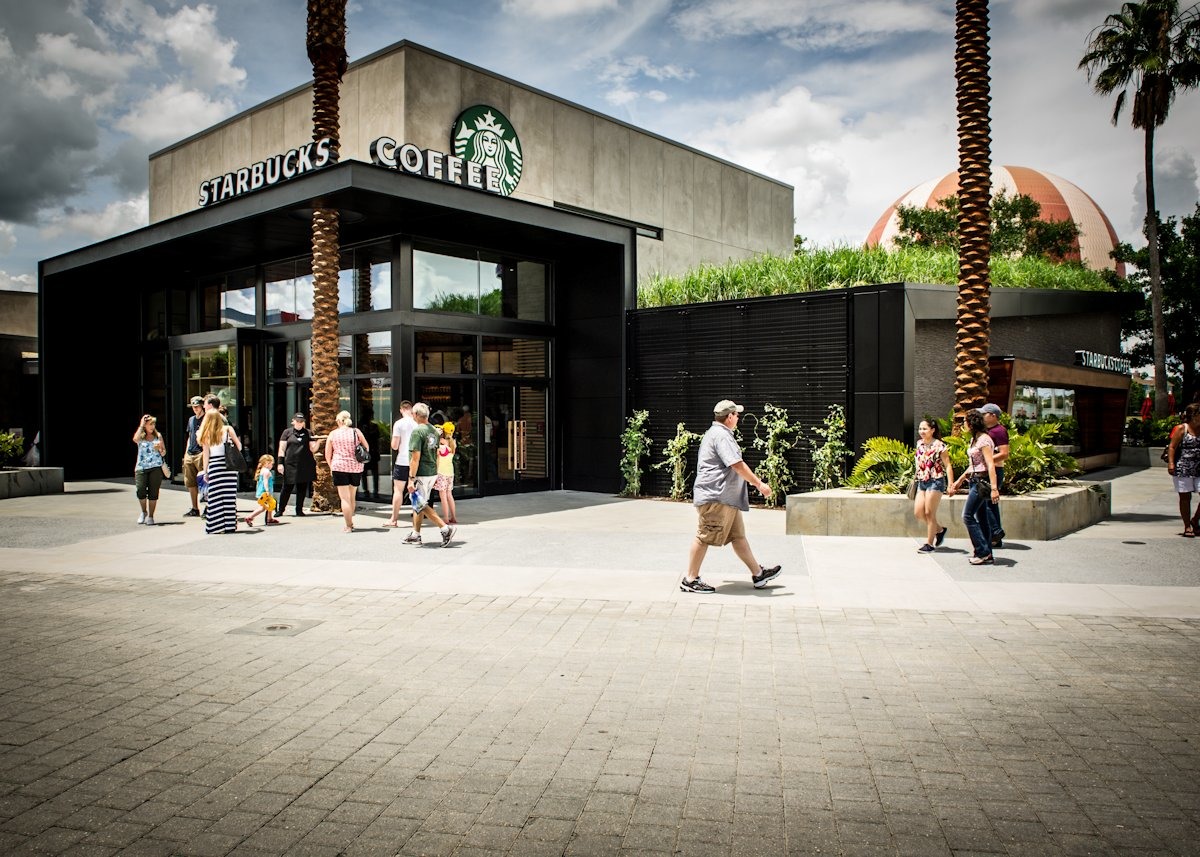
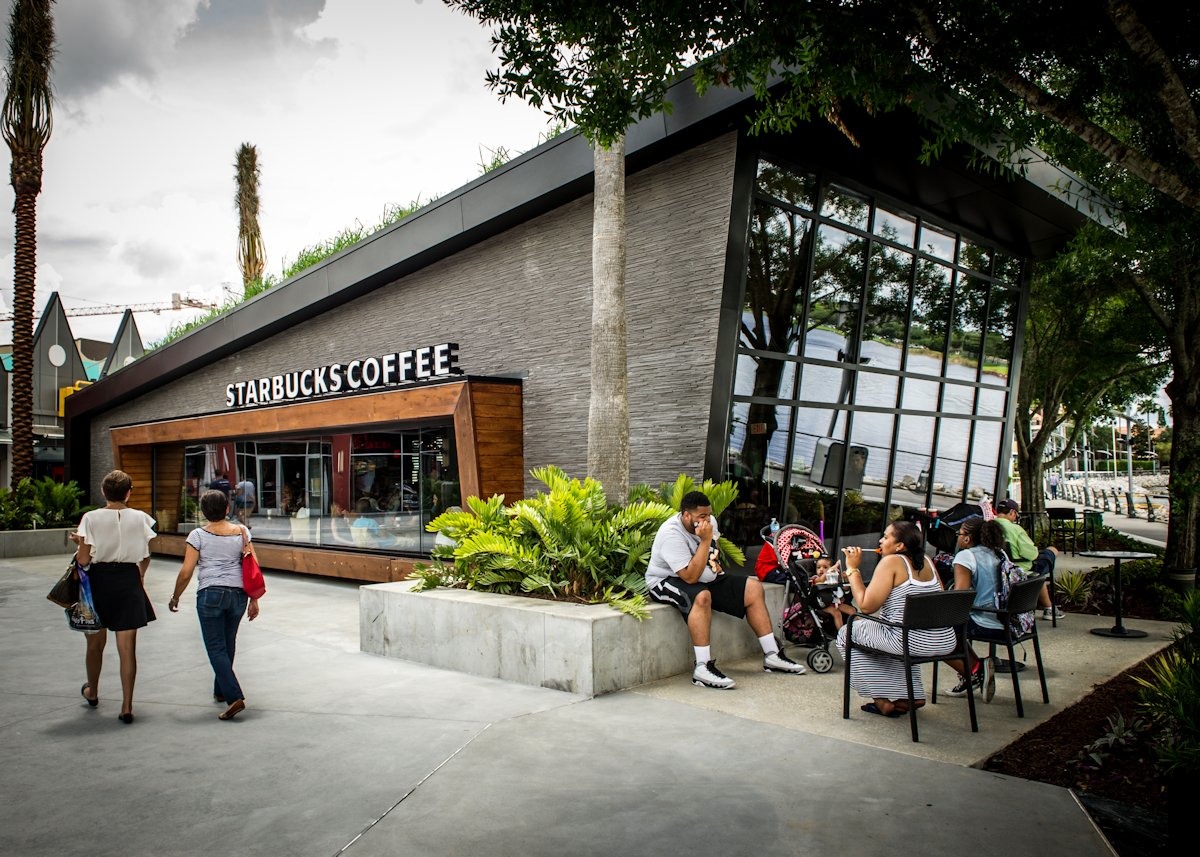
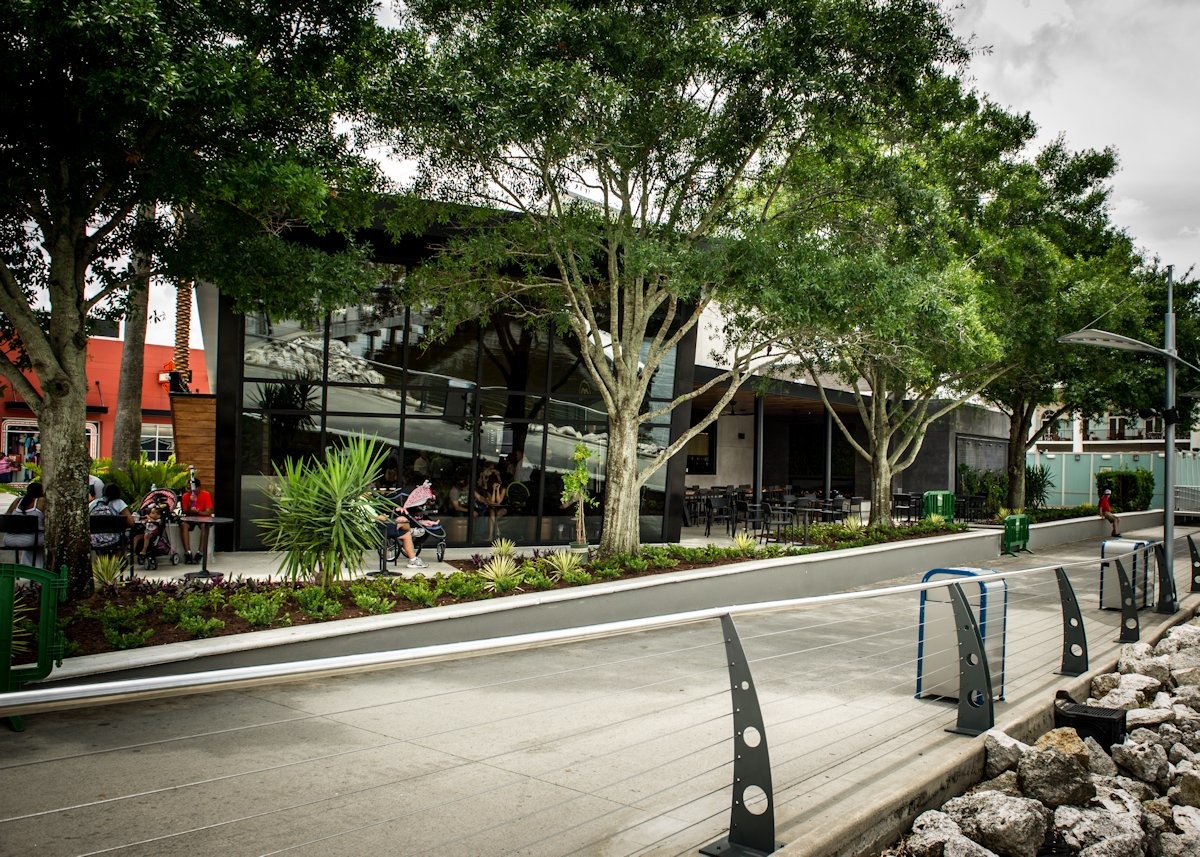
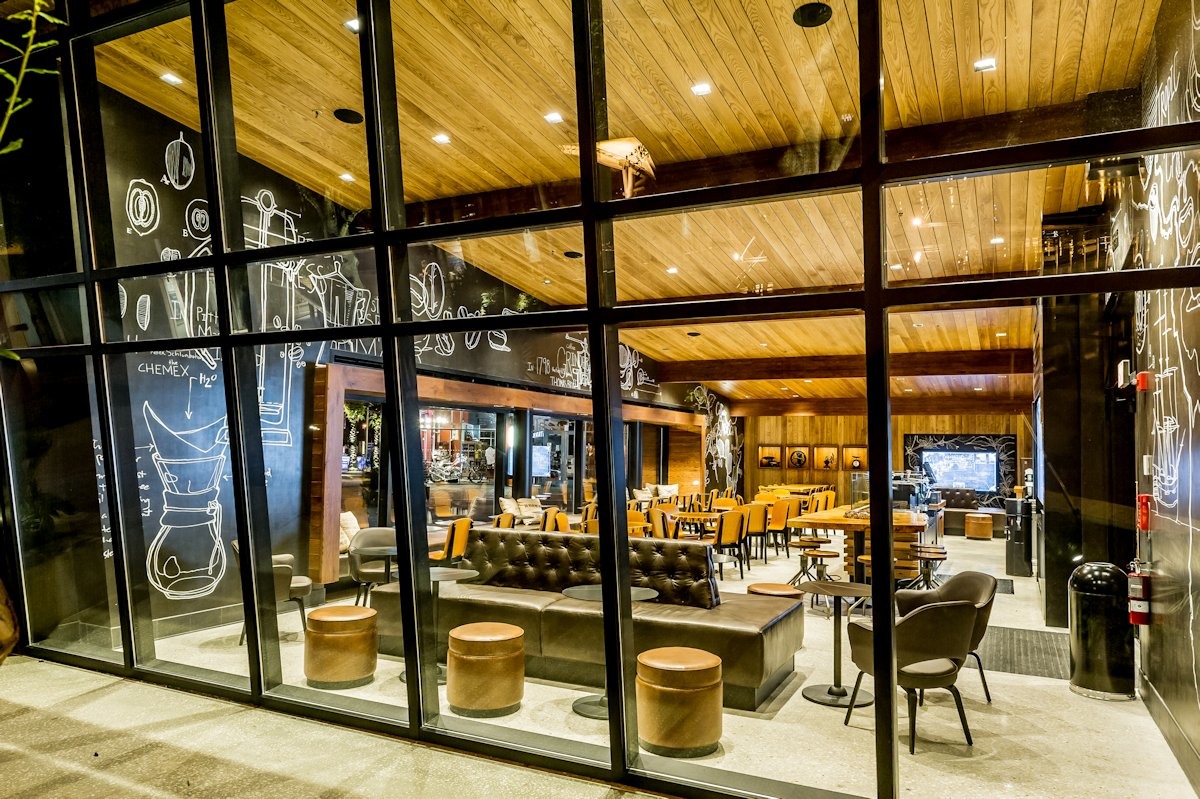
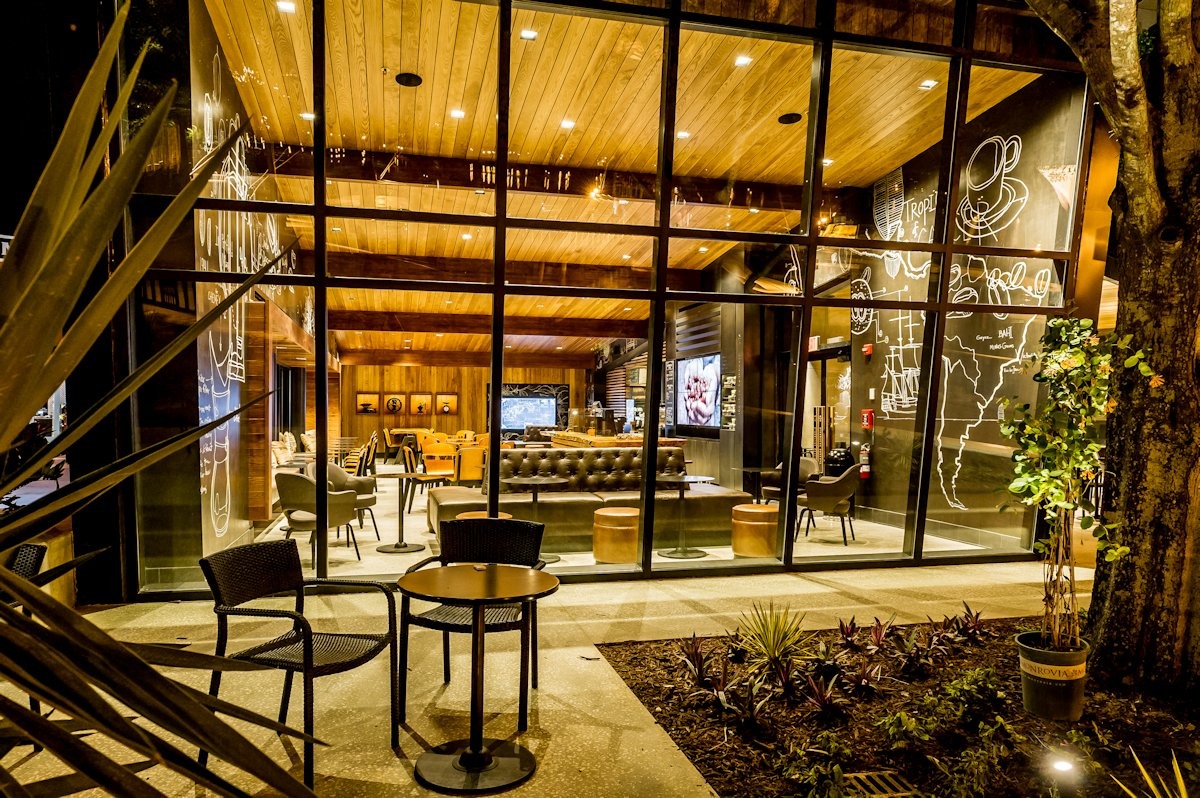
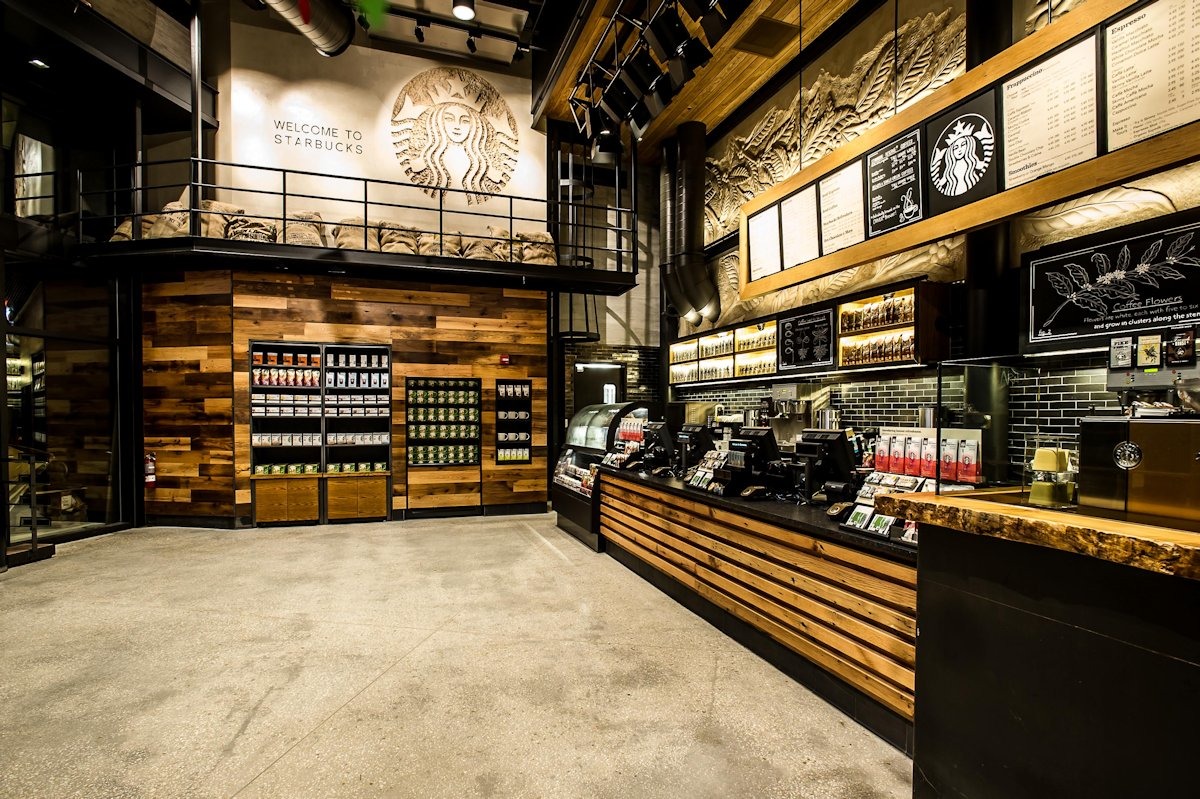
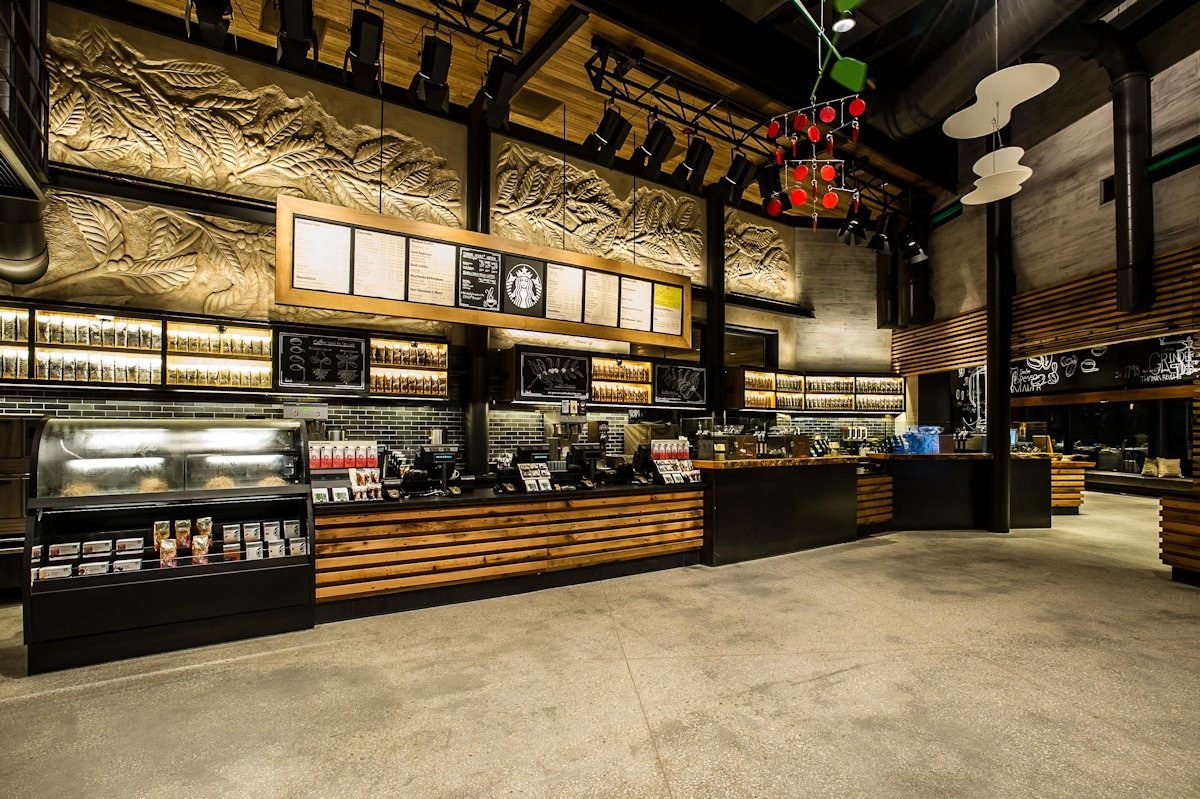
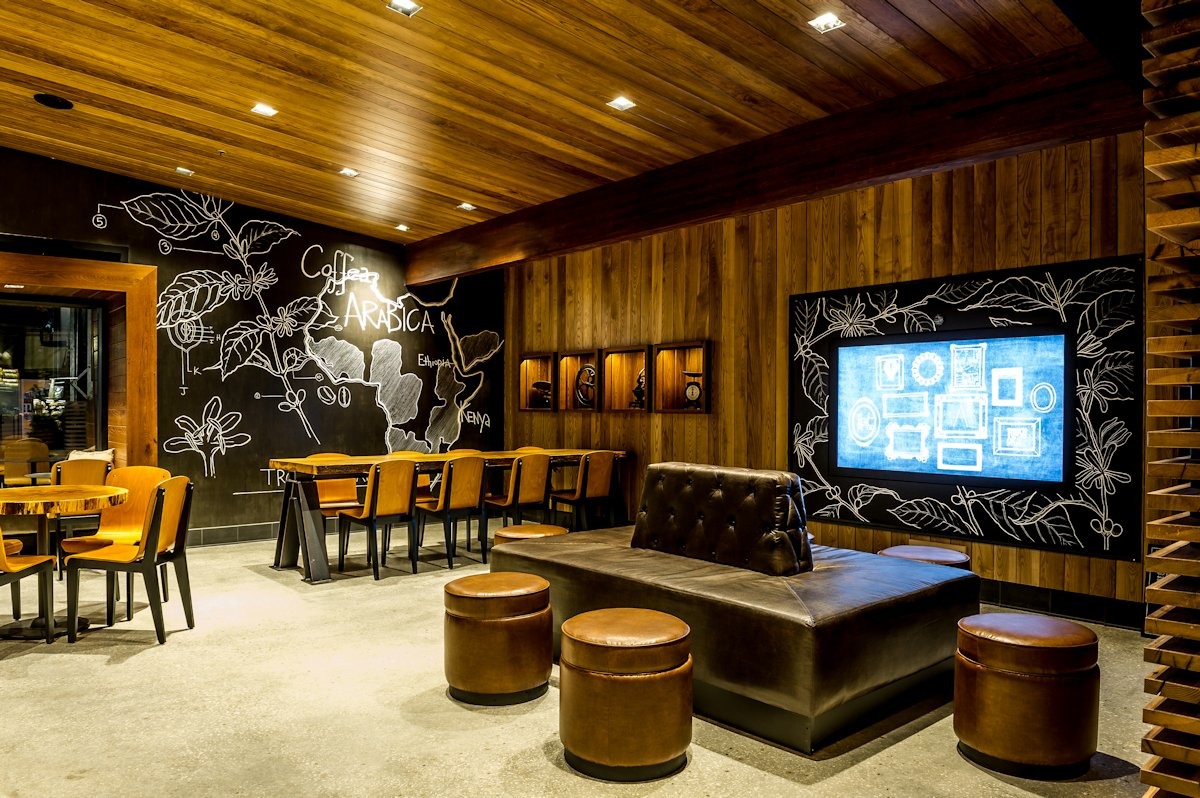
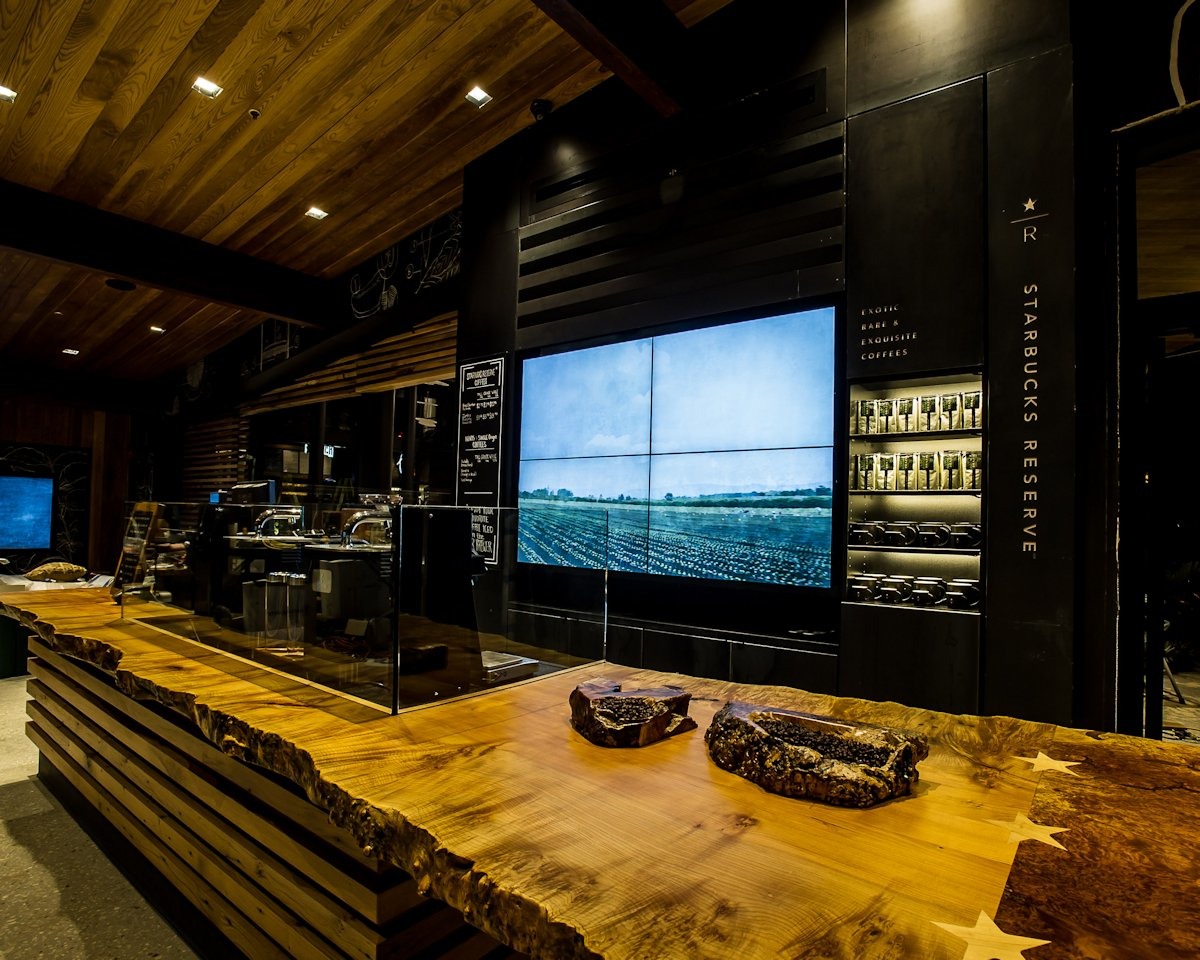
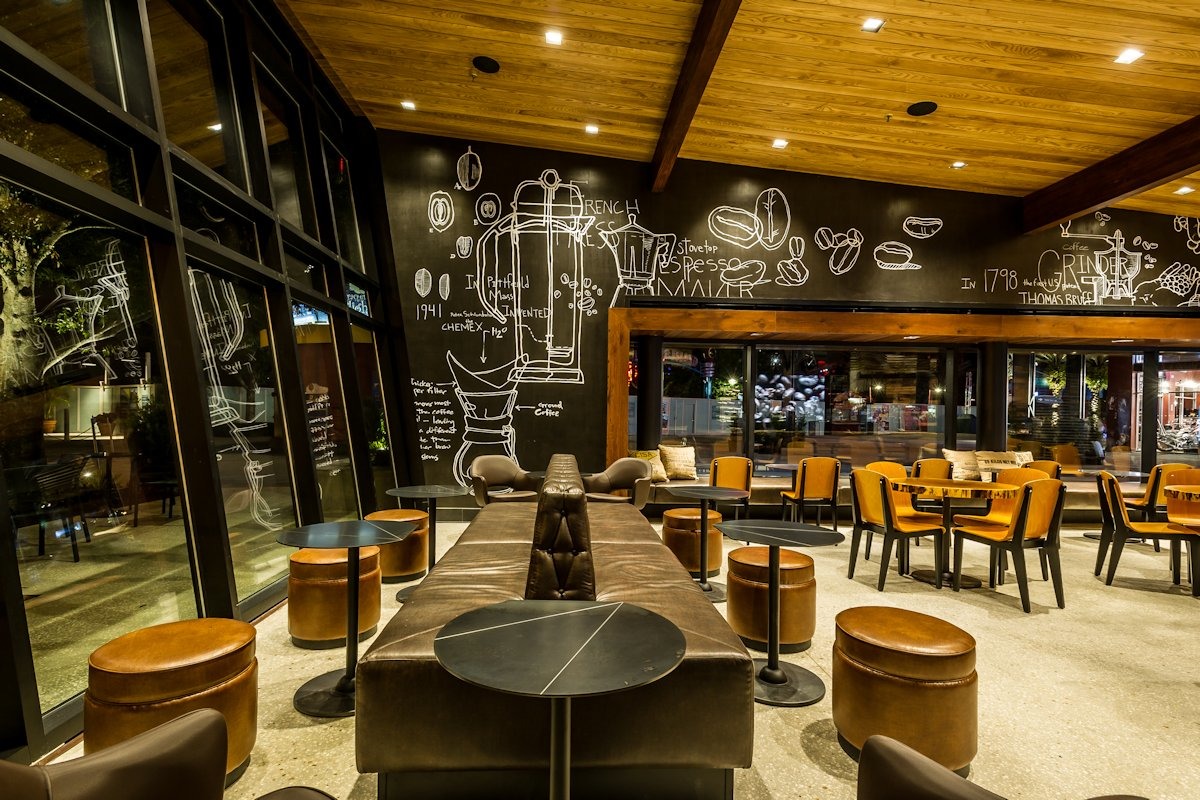
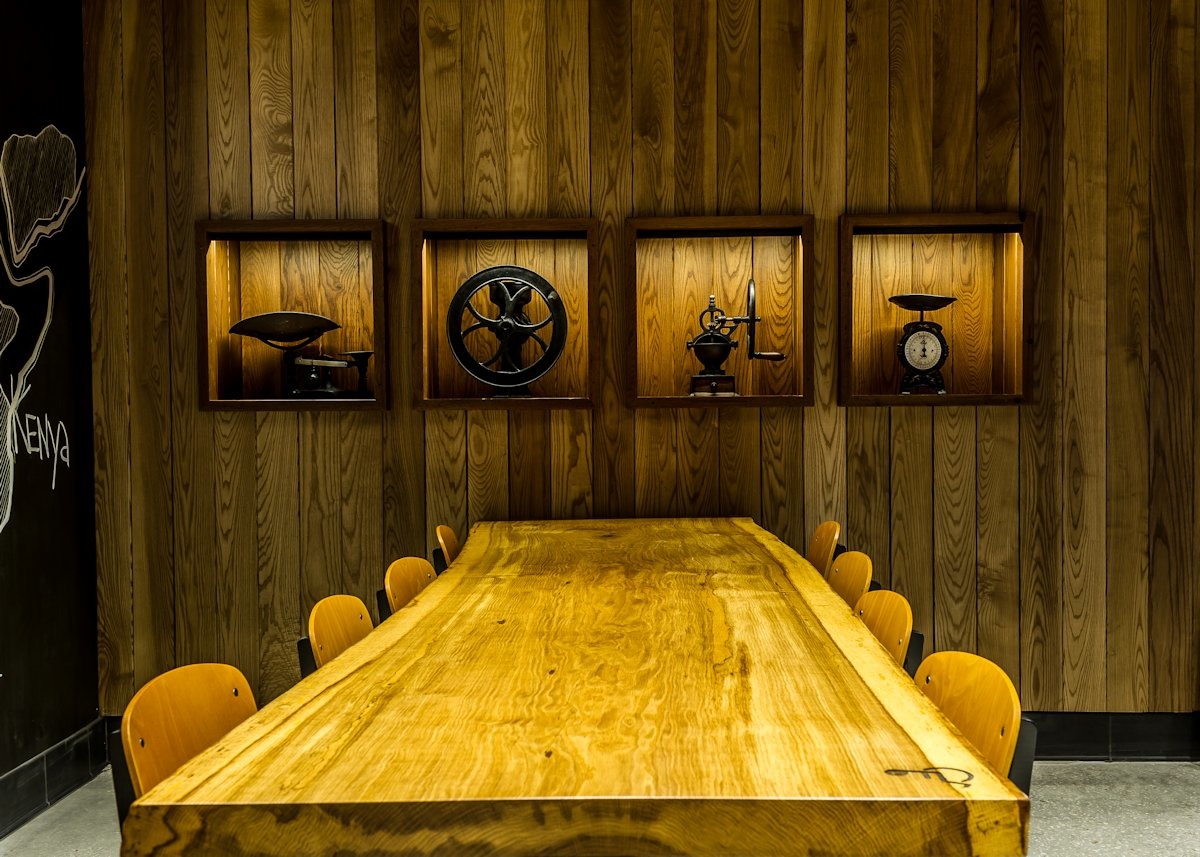
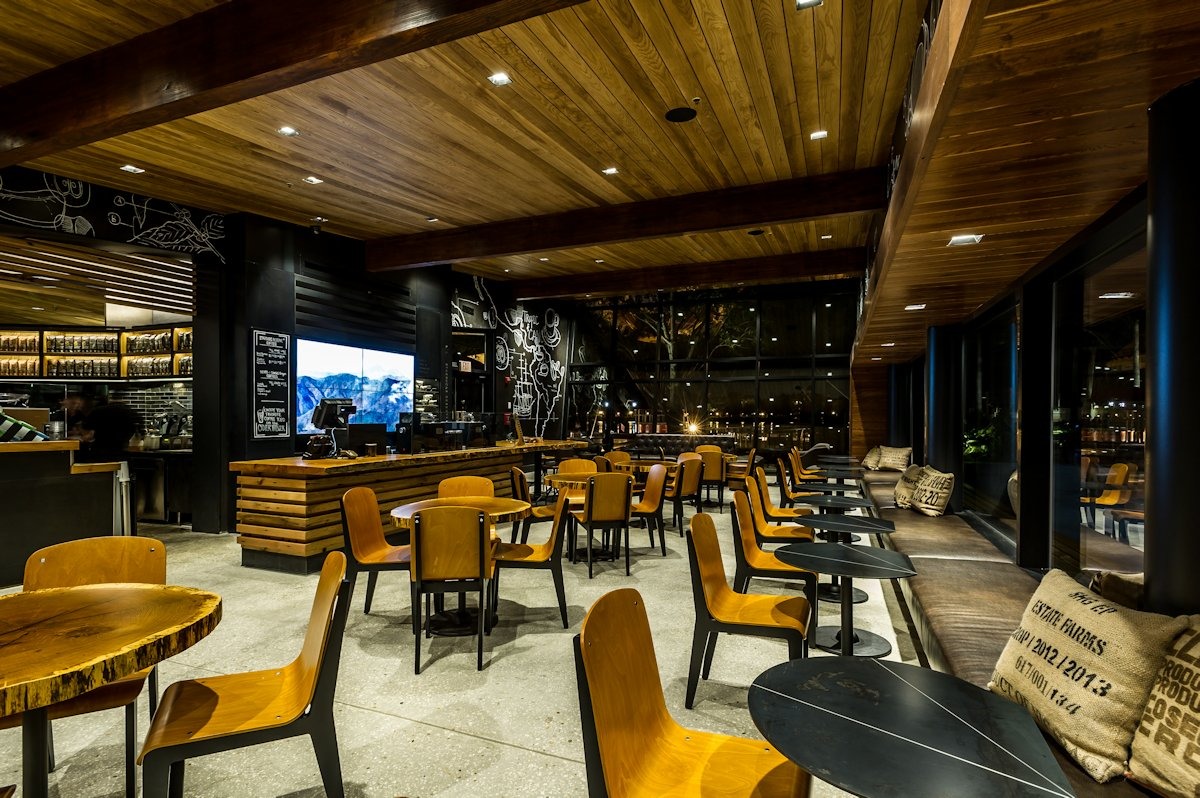
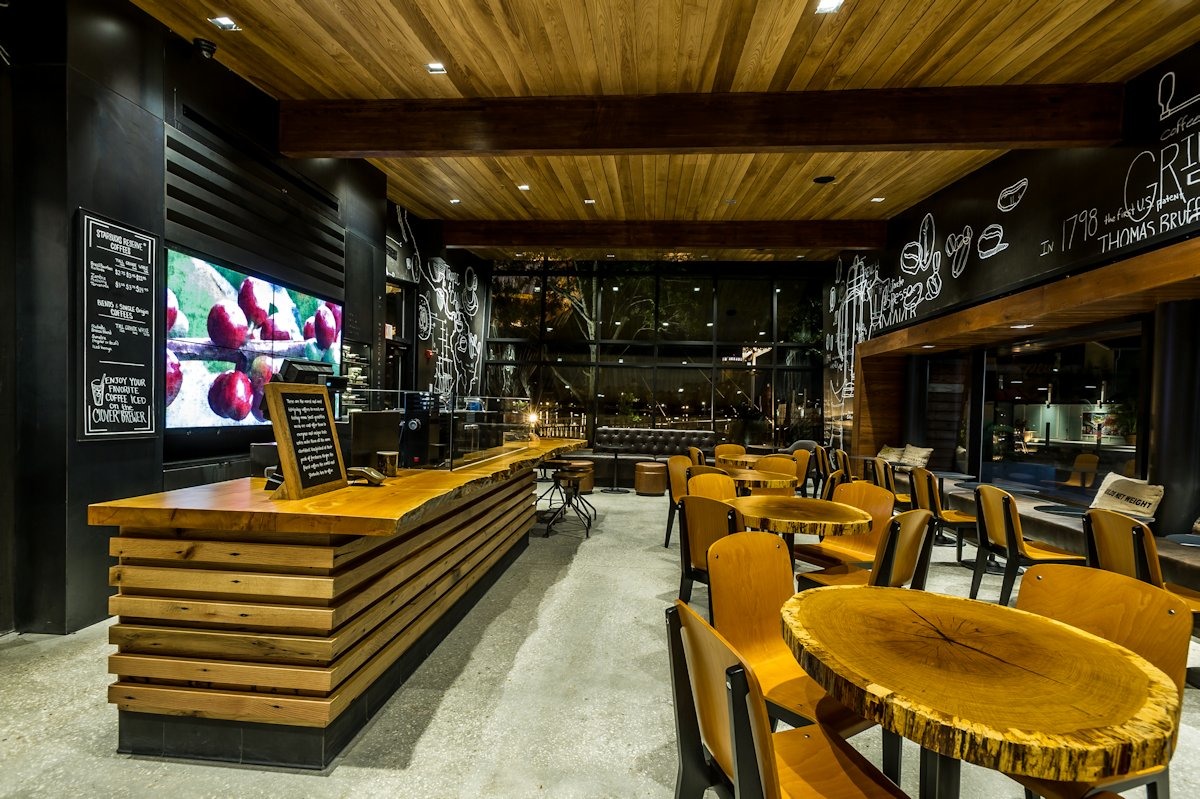
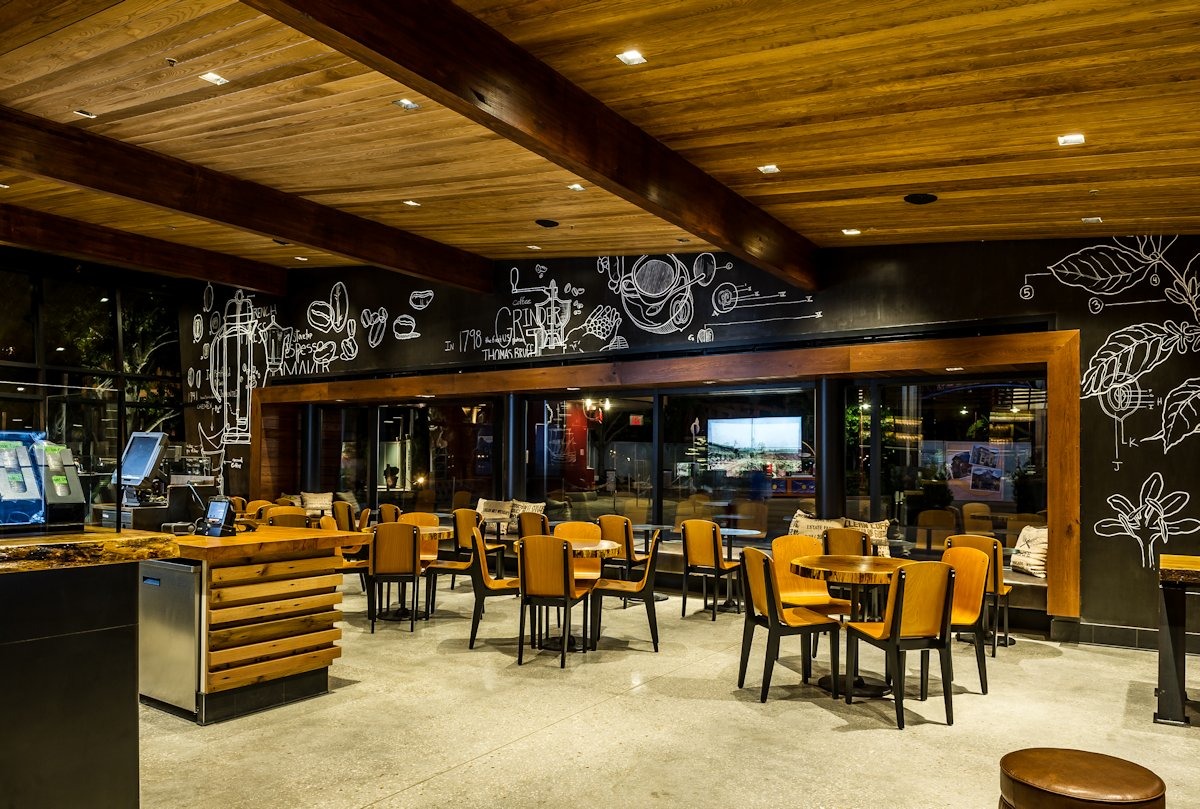
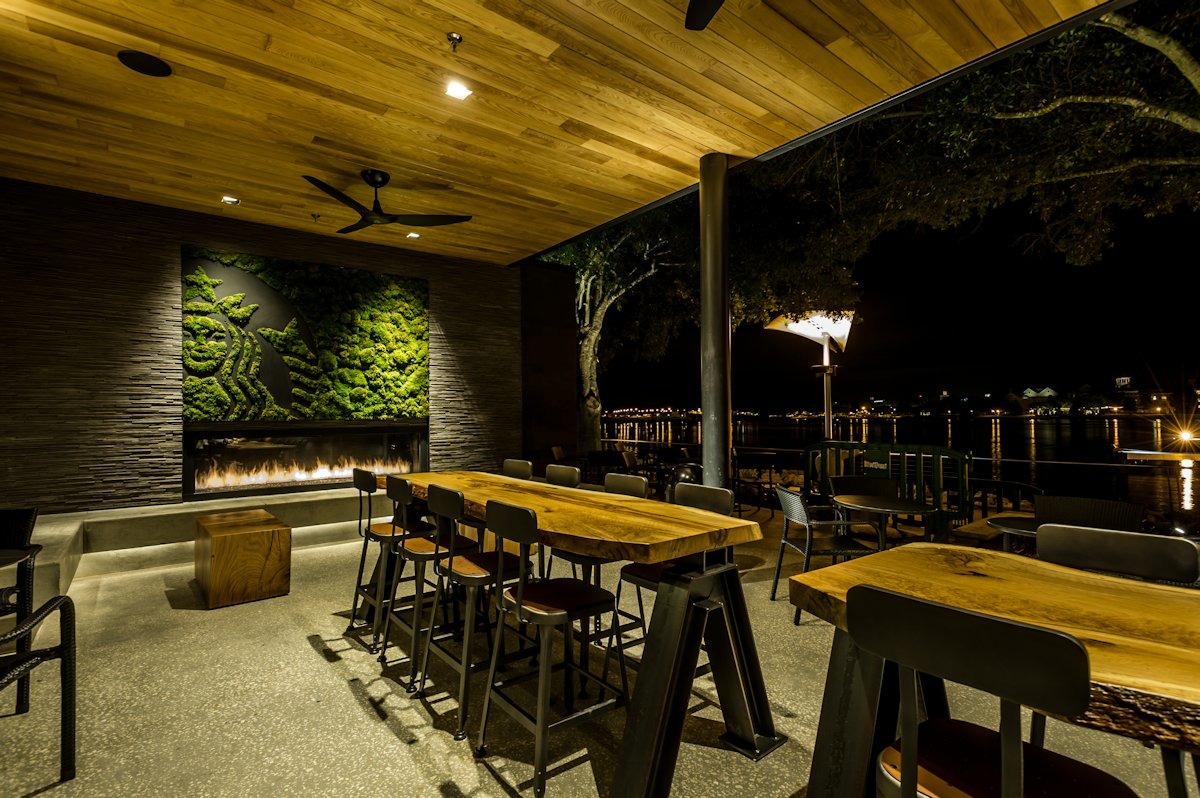
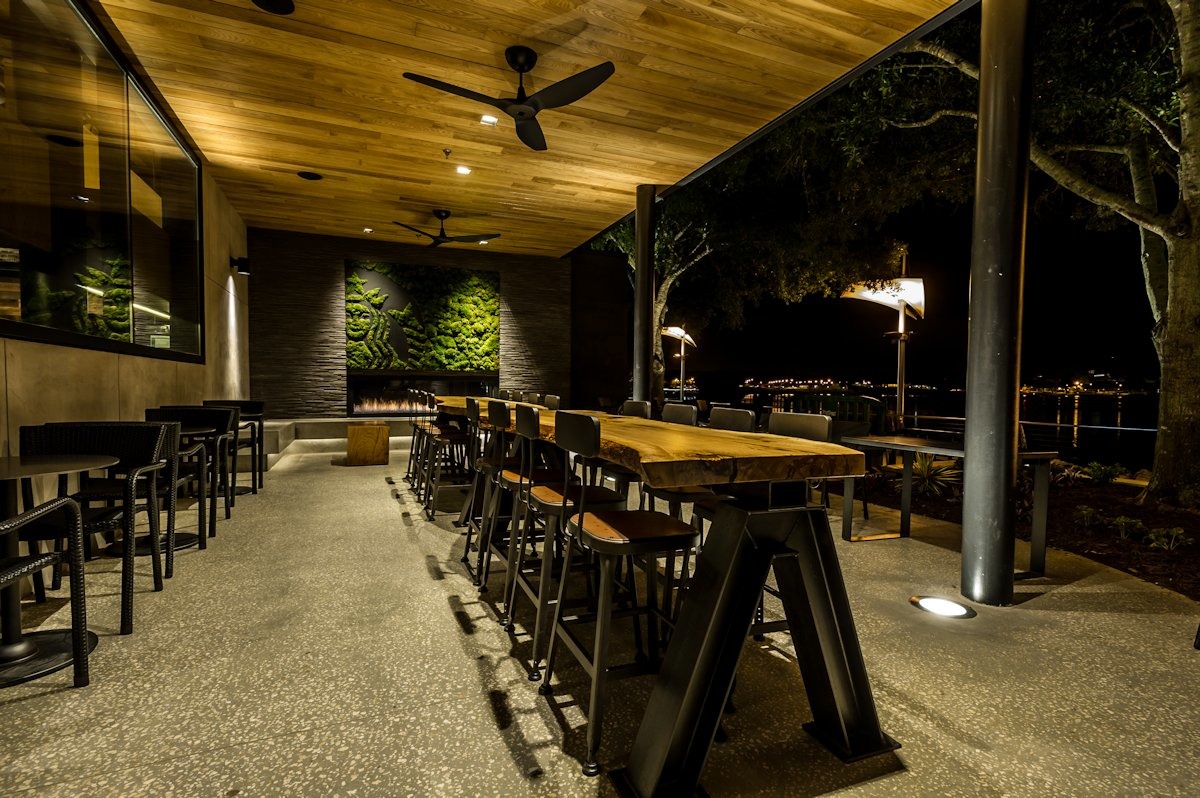
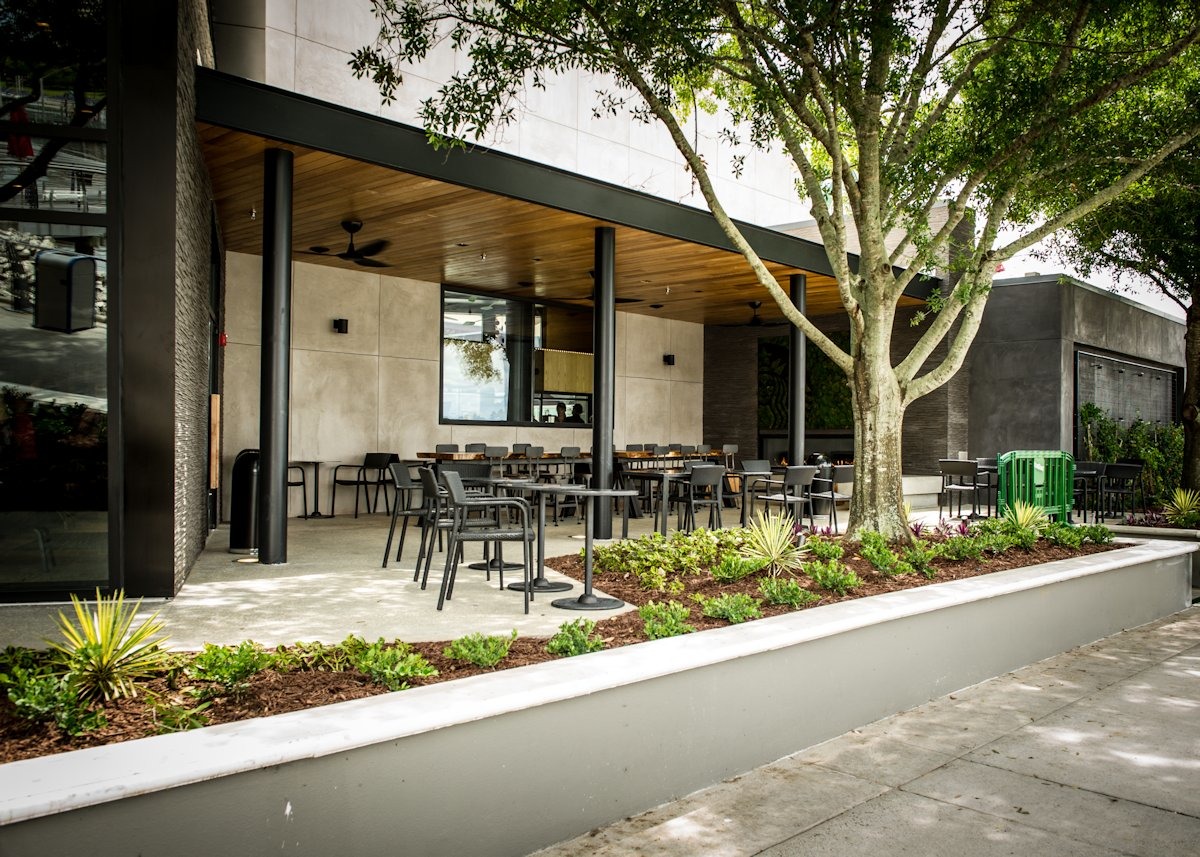
The most important difference is that this café does not feel like a standard Starbucks that could be moved from an airport to a shopping mall without losing meaning. The space was designed for a specific place, climate and flow of visitors. At Disney Springs, the café takes on an almost resort-like character: abundant light, generous seating, large windows, openness to the street and the sense that this is not merely a point of sale, but a place for pause within a busy day.
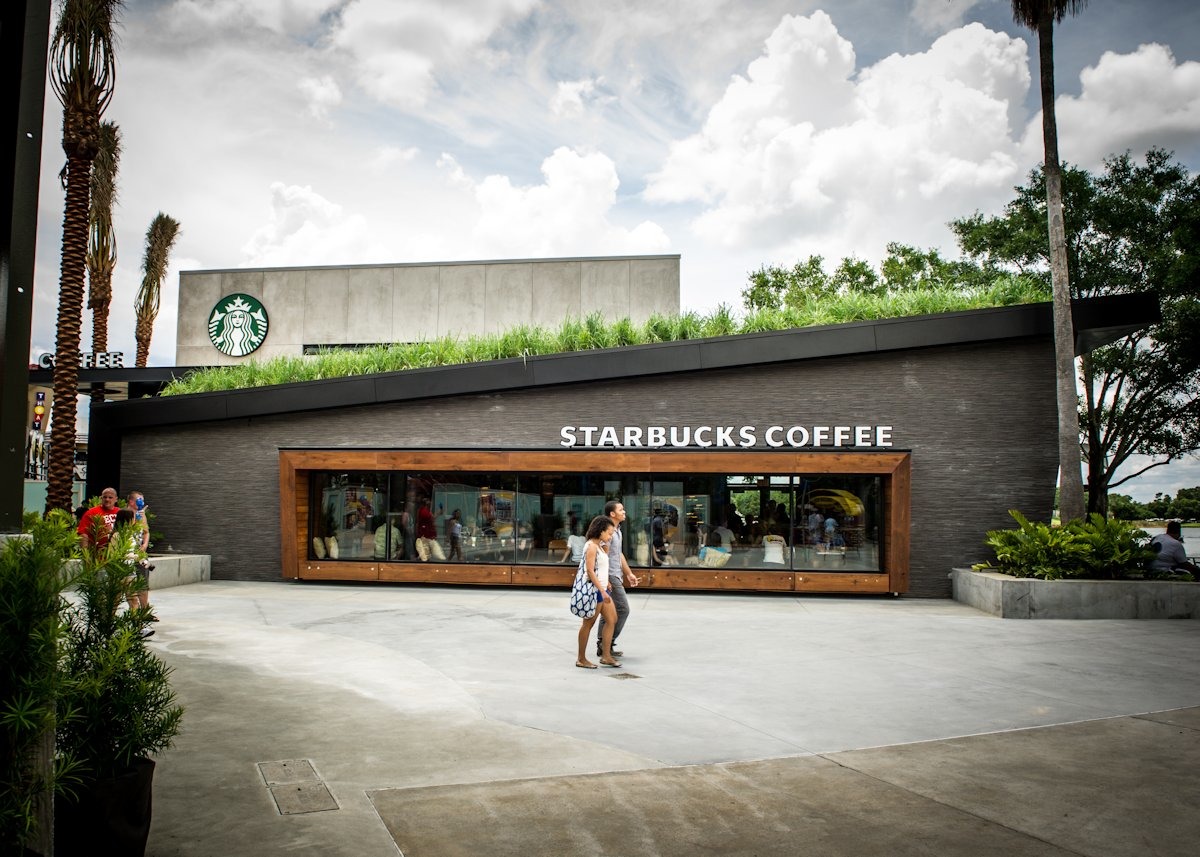
The design is built around transparency and connection to the surroundings. Large glass surfaces bring in natural light and visually connect the interior with the street. Inside, one feels that coffee here does not exist separately from Disney Springs, but as part of the overall route: walking, shopping, dining, waiting for friends or taking a brief break before the next experience.
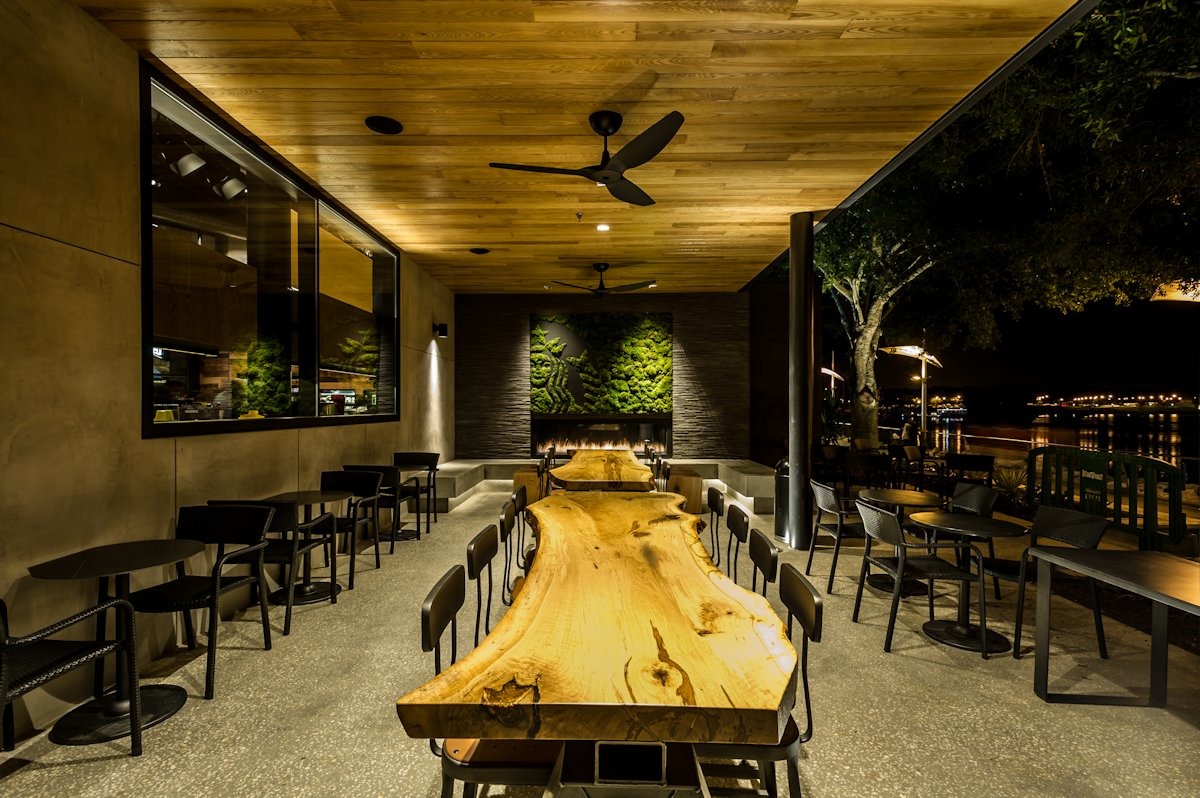
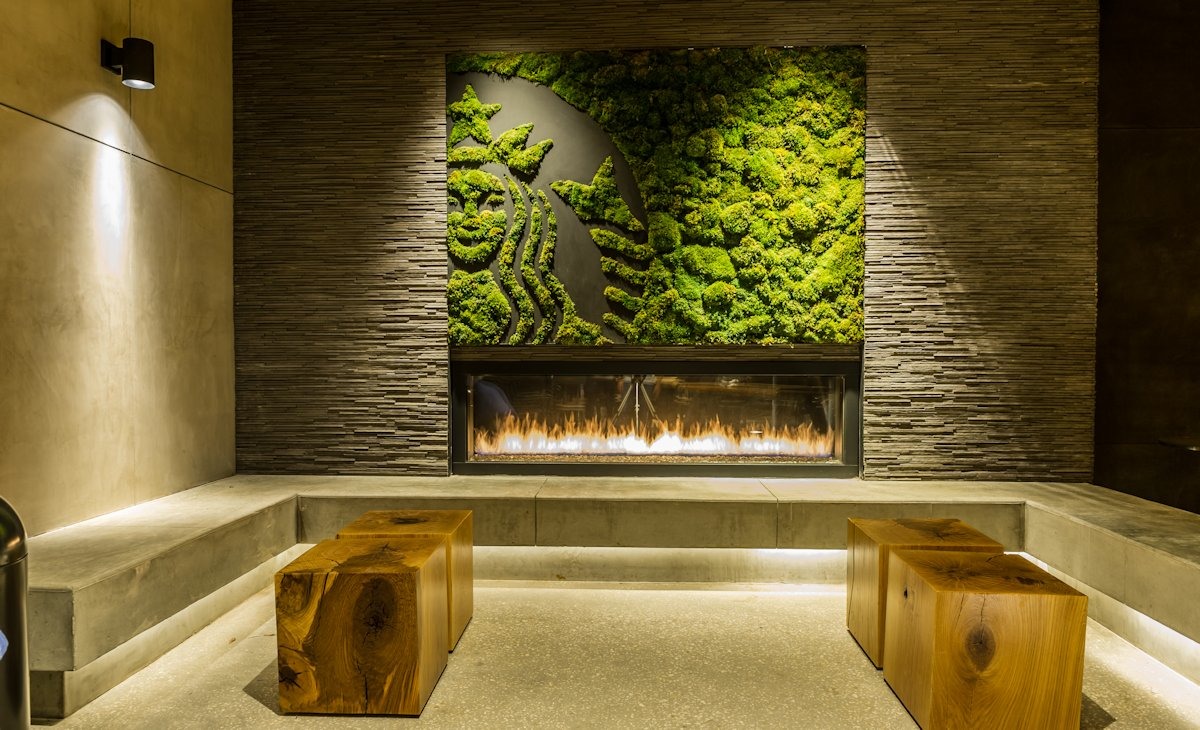
The sustainable architectural elements are especially notable. Disney and Starbucks have highlighted features such as a green roof, the use of coffee grounds in compost, natural materials, thoughtful energy efficiency and the integration of living plants. For Starbucks, this is not only decorative. The brand has long tried to connect coffee with ideas of origin, nature, responsibility and the “third place” - a space between home and work where a person can linger, talk, think or simply pause.
Disney and Starbucks: two brands, one ritual
At first glance, Disney and Starbucks may seem very different. One brand is built on fantasy, family stories and entertainment; the other on the everyday urban ritual of coffee. But it is precisely in that difference that an interesting overlap appears. Both sell more than a product. They sell a mood. Disney sells the chance to enter a carefully created world. Starbucks sells the feeling of a familiar personal pause, wherever a person may be.
At Disney Springs, these two approaches meet naturally. A guest may be walking from a shop to a restaurant, from a waterside stroll to an evening show, from a family day to a more grown-up dinner - and Starbucks becomes not merely a place to buy a latte, but part of the scenario. It is a point for resting, meeting, waiting, recovering energy and finding familiar comfort in an unusual environment.
That is why locations like this matter to brands. They show that modern retail can no longer be purely functional. People do not come only for a product. They come for an environment, a feeling, a photograph, convenience, memory and a small story they can take with them along with a cup of coffee.
A café as part of a lifestyle journey
For a North American traveller, Disney Springs often becomes a destination even without entering a theme park. People come here for dinner, shopping, a walk, atmosphere or an evening by the water. In a place like this, Starbucks takes on a special role: it does not compete with Disney, but works as a familiar point of orientation inside a large entertainment environment.
This reflects an important trend in contemporary hospitality architecture. Cafés, shops and restaurants are increasingly designed not as separate commercial boxes, but as parts of a larger urban stage. Good design must consider how a person approaches the building, where they pause, what they see through the window, how the light changes, where a family sits, where someone waits with a phone, where a tourist takes a photo and where one can simply exhale.
Starbucks at Disney Springs is interesting precisely because of this. It operates at the level of a familiar brand, but its space cannot be reduced to a standard formula. Scale, seating, natural elements, and the relationship with water, light and people all matter. Even if a guest does not analyze the architecture, they feel that they are not in a random coffee shop, but in a place created specifically for this environment.
Why this location still feels relevant
Since the café opened, Disney Springs has changed, grown and become more mature. Downtown Disney officially became Disney Springs in 2015, and the district has evolved into one of the most popular free leisure destinations at Walt Disney World Resort. Against that backdrop, Starbucks remains part of a broader idea: Disney Springs is not only a collection of stores and restaurants, but a carefully staged public environment where even familiar brands are expected to look better, more interesting and more expressive than usual.
A café like this shows why flagship locations matter. They do not necessarily have to be the largest, most expensive or most technological. Their purpose is to present the brand in an ideal environment, strengthen its image and give the guest the feeling that even an ordinary purchase can become part of a trip.
In that sense, Starbucks at Disney Springs is not simply a place to order a cappuccino, cold brew or pastry. It is an example of how a modern lifestyle brand becomes an architectural experience. Here, coffee turns into a pause between impressions, and the café itself becomes a small stage inside the larger world of Disney. Perhaps that is why a location like this is more memorable than hundreds of ordinary coffee shops: it sells not only a drink, but a moment.