
Mercedes-Benz has reinvented the GLB
Mercedes-Benz has completely relaunched the GLB - and not as a mild cosmetic update, but as a genuinely radical reset. The new compact SUV keeps its recognizable practical silhouette, but receives a completely different technical foundation, new-generation electric versions, a redesigned interior and a digital architecture that shows where the entire compact Mercedes segment is heading. This is no longer simply a “small family crossover with a third row.” It is an attempt to combine urban practicality, long-range electric driving, digital luxury and real everyday versatility.
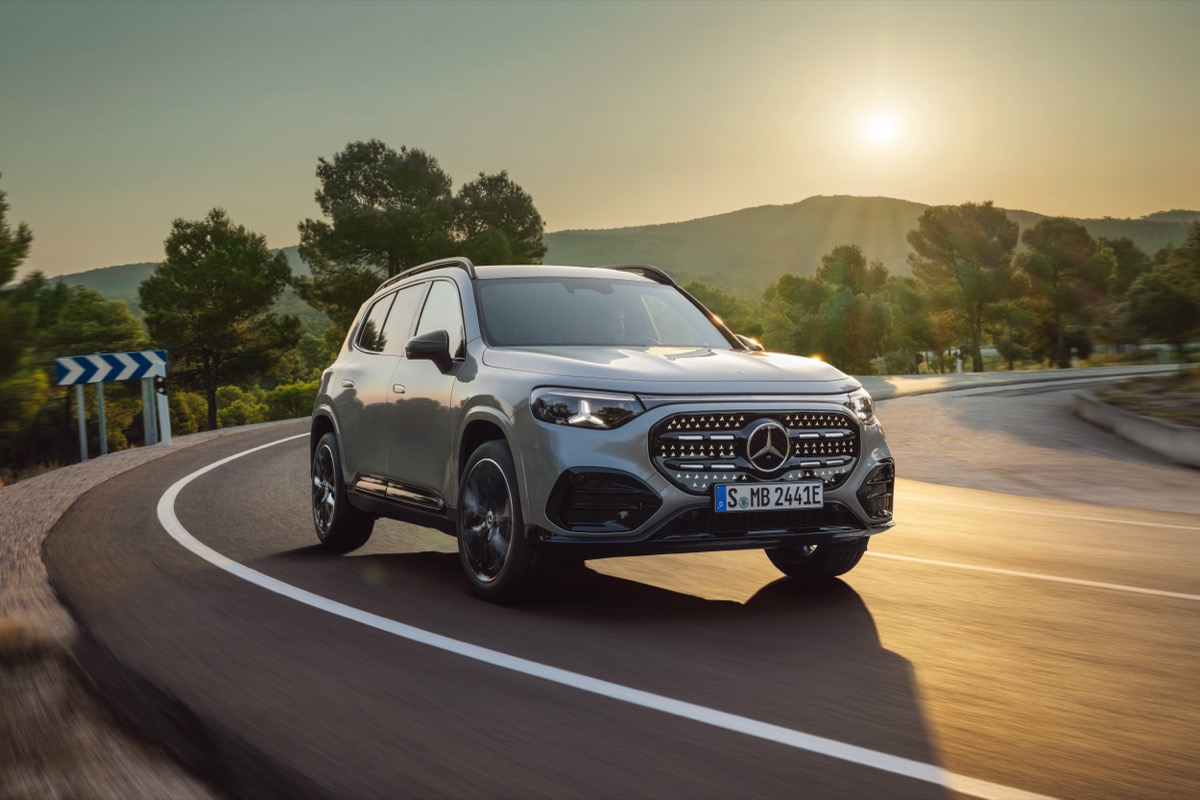
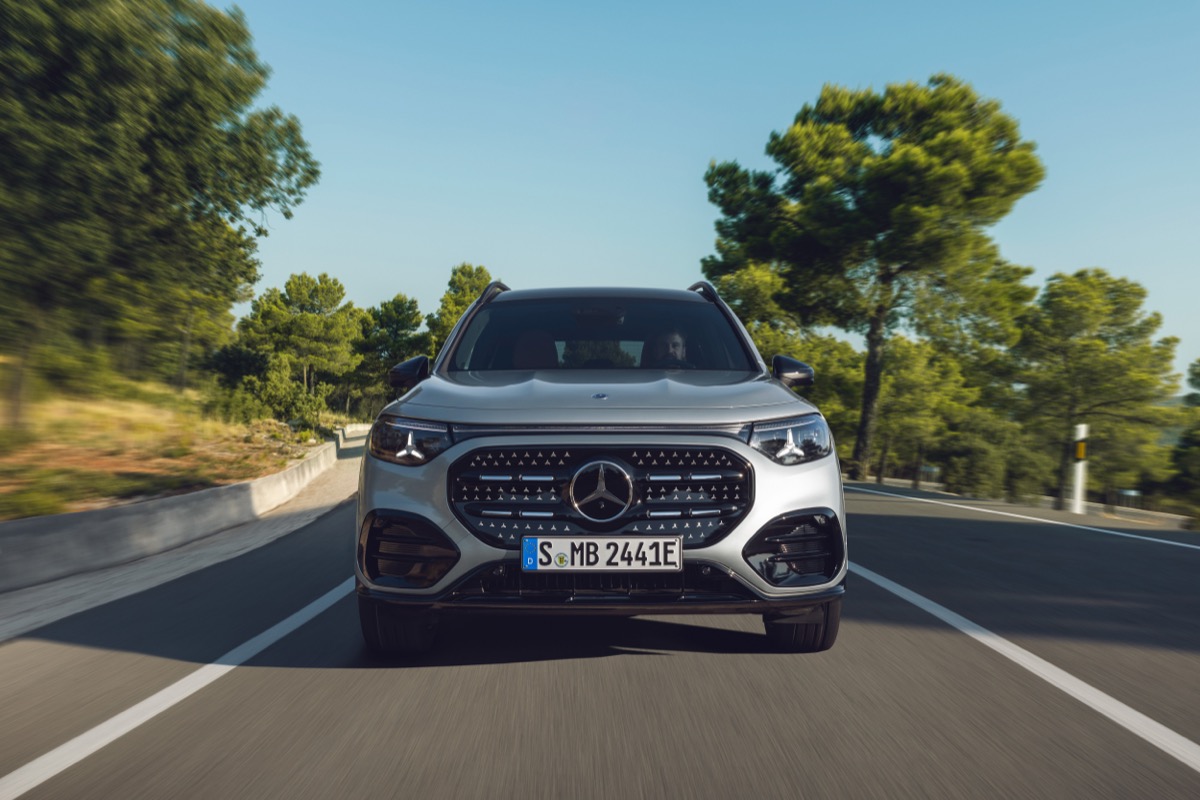
From the outside, the new GLB immediately reads as part of the latest electric Mercedes-Benz family. The front lighting follows the design language of the brand’s newest models: expressive headlights, clean light graphics and signature star-shaped motifs. At the same time, the GLB’s greatest strength remains intact - its characteristic boxy proportion. That has always set the GLB apart from the rounder GLA and GLC: the car does not merely look fashionable, it looks functional. From the first glance, it suggests space, an upright seating position and a family-oriented logic.
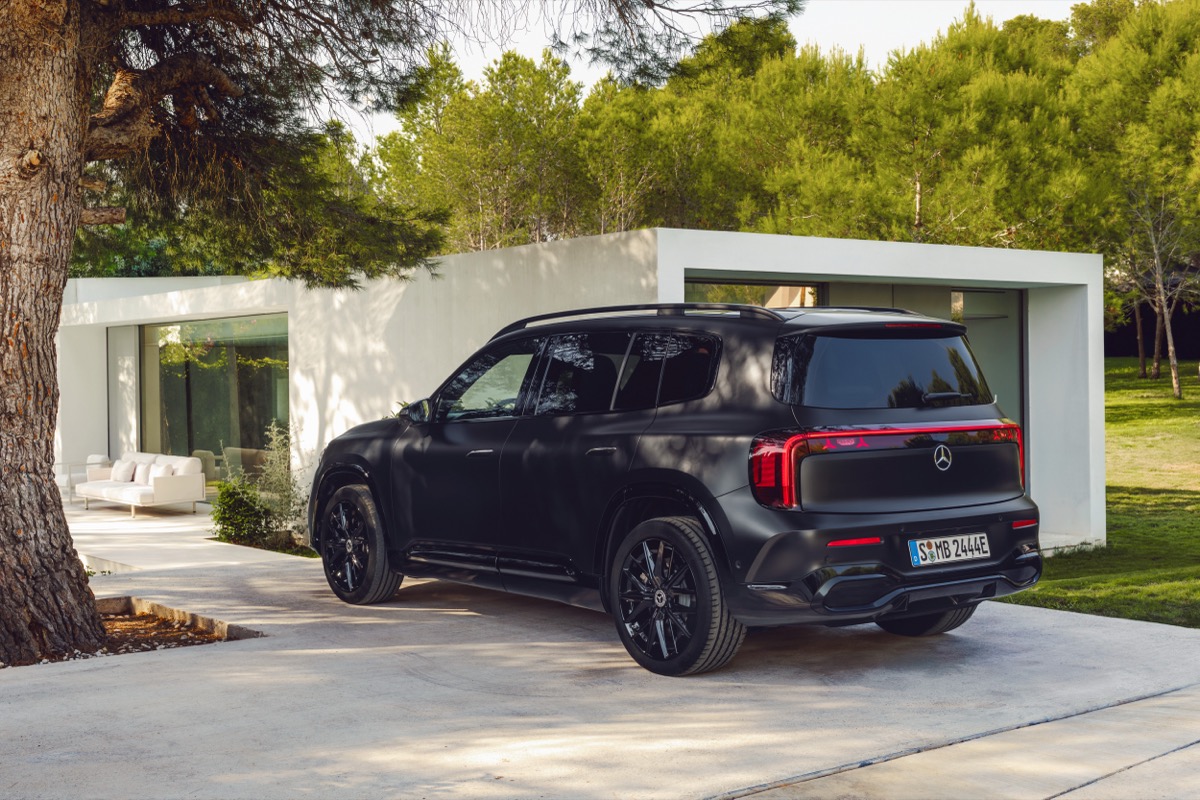
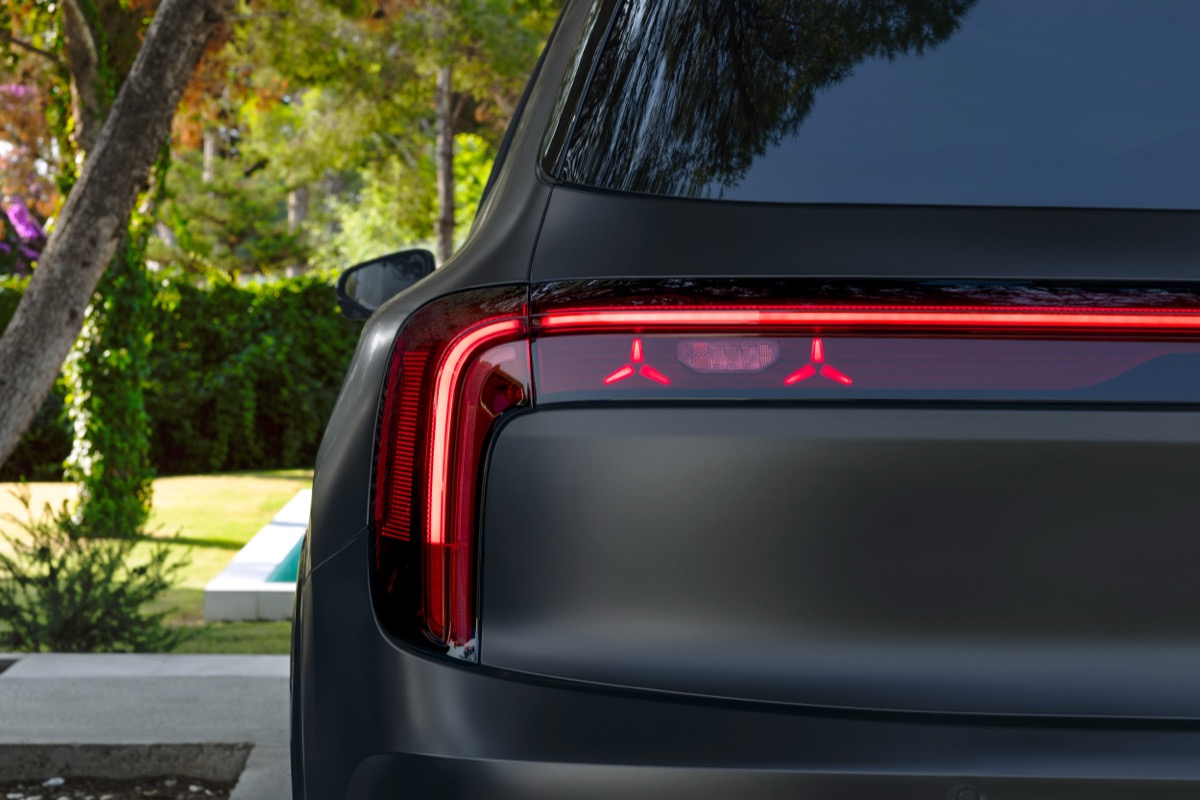
At the rear, a full-width light strip now incorporates star-shaped elements as well. This makes the vehicle look wider and more contemporary without undermining its practical character. Mercedes has not tried to turn the GLB into yet another smooth aerodynamic capsule. It has preserved the strict geometry that made the model appealing, while adding more technology, light and a more premium visual impression.
Interior: a new-generation digital architecture
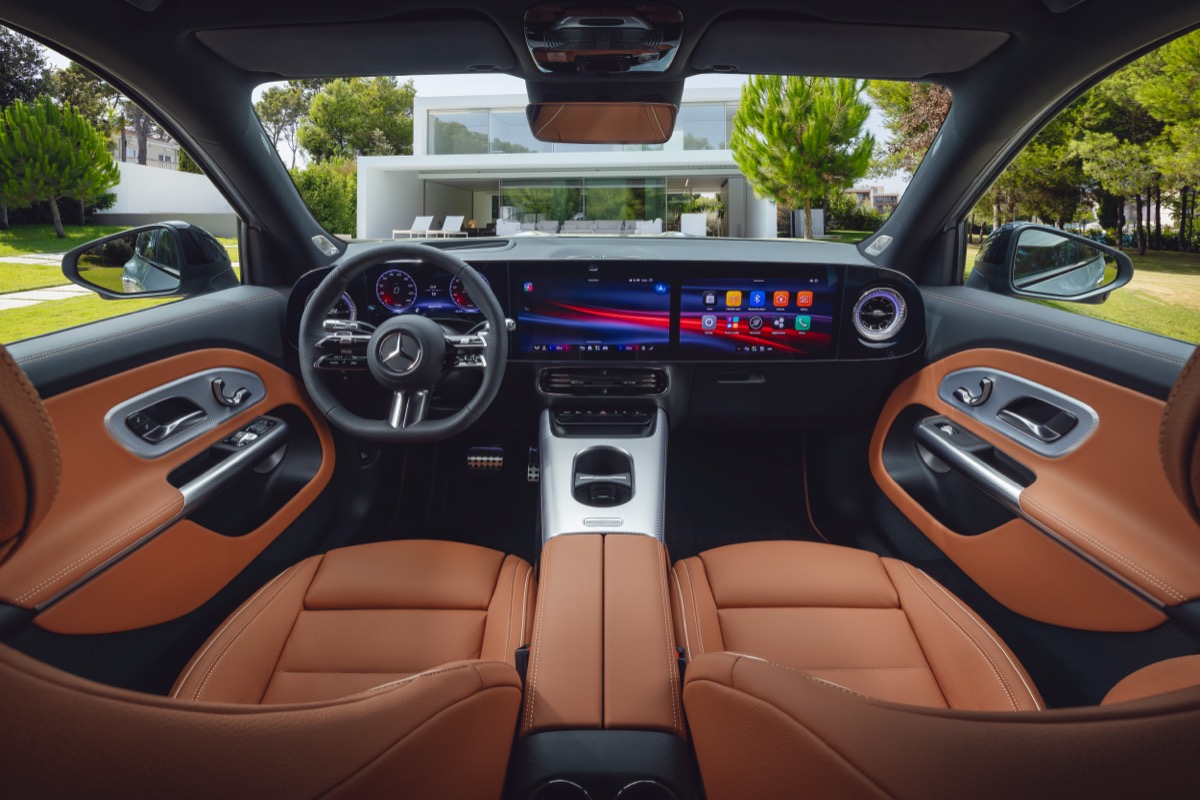
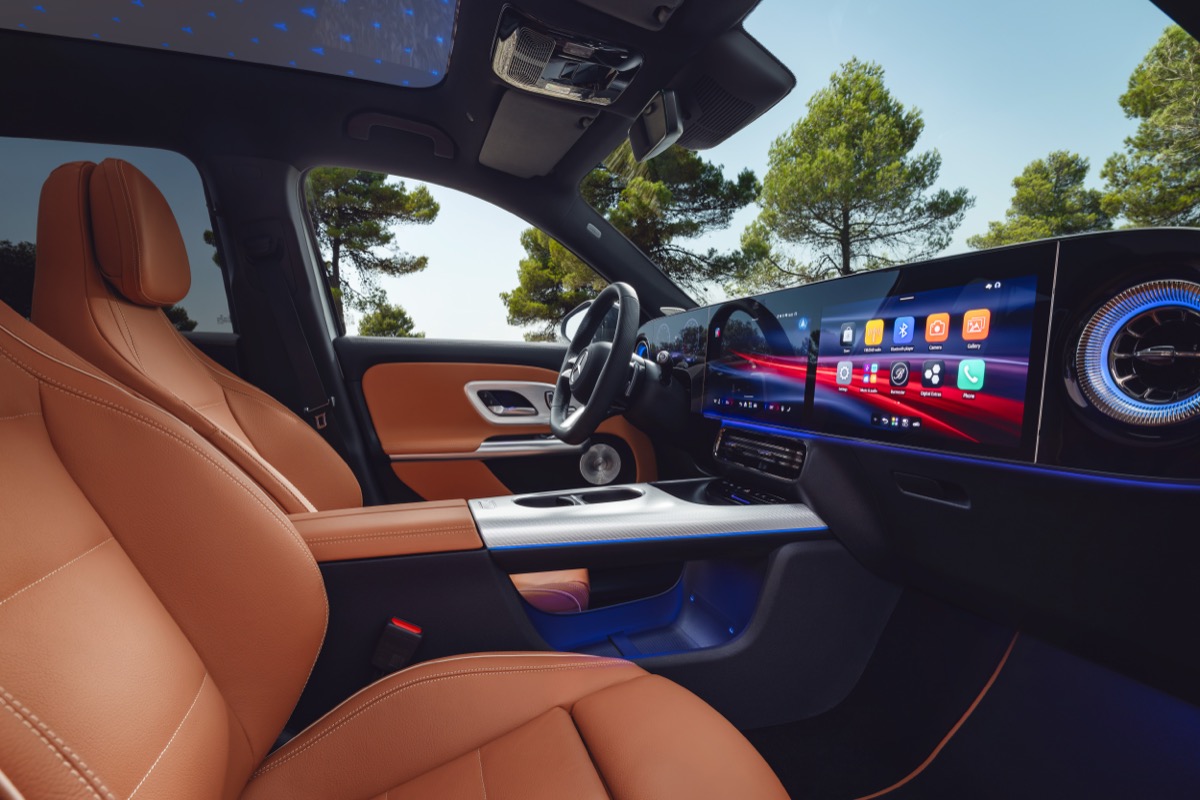
The most substantial work has been done inside. The cabin is now dominated by the large glass MBUX Superscreen, visually combining the instrument display, central screen and a separate screen for the front passenger. This kind of interior no longer feels like a traditional dashboard, but like a digital environment in which the car, navigation, entertainment and personal settings are brought together into one space.
The system runs on the fourth generation of MBUX. Mercedes-Benz is focusing on more natural interaction with the car: the voice assistant is smarter, the interface more flexible, and navigation and recommendations closer to the way people already use modern smartphones. Depending on market and configuration, the system uses advanced AI functions, map-service integration, personalized suggestions and more developed conversational abilities.
The point is not simply to install more screens in the car. Mercedes is trying to make the digital experience less mechanical and more contextual: the vehicle should understand follow-up questions, help with routing, suggest interesting places, adjust navigation more quickly and create the feeling that the driver is communicating not with a menu, but with an intelligent system.
The electric GLB: range and fast charging
At launch, the electric GLB lineup includes the GLB 250+ with EQ Technology and the GLB 350 4MATIC with EQ Technology. The first is focused on maximum efficiency and range, while the second adds all-wheel drive and greater power. Both versions use an 85 kWh usable battery and a modern electric architecture with fast-charging capability.
The GLB 250+ produces around 200 kW, while the GLB 350 4MATIC delivers around 260 kW. According to preliminary Mercedes-Benz figures, the GLB 250+ reaches up to 631 km of range on the European WLTP cycle, while the GLB 350 4MATIC reaches around 614 km. For North America, these numbers should be viewed with caution: WLTP is usually more optimistic than future EPA estimates. Even with that adjustment, however, it is clear that the new GLB enters the category of electric vehicles suited not only to city driving, but also to long journeys.
Fast charging is another important argument. Mercedes states that up to 260 km of range can be added in about 10 minutes when connected to a powerful DC charger under suitable conditions. This is the kind of number that changes the psychology of electric-vehicle ownership: a long trip stops feeling like an exercise in patience and begins to resemble a normal coffee stop.
Later, the range is expected to expand with more accessible electric versions as well as hybrid variants using a 48-volt system. This matters because Mercedes is not betting on one universal scenario. For different markets and buyers, the GLB is meant to remain flexible - from a long-range electric model to more affordable and familiar hybrid configurations.
Practicality: the one thing the GLB has not lost
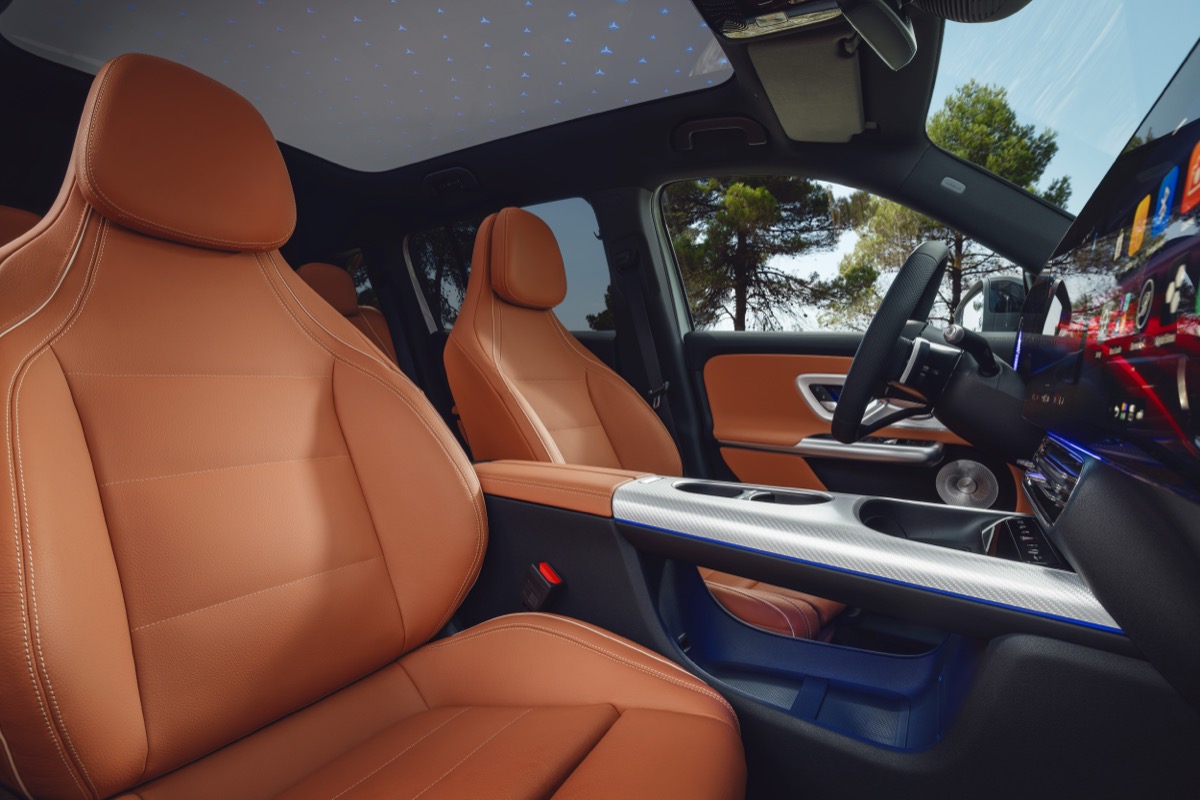
The GLB has always been strong precisely because of its practicality, and the new model makes that point even clearer. The crossover is available in five- and seven-seat configurations, which remains rare for a compact premium SUV. The second row now slides lengthwise, allowing owners to adjust the balance between passenger space and cargo room. This matters especially for families: one day you need to seat children and adults, the next you need to carry large purchases, and another day you fold the seats and load luggage.
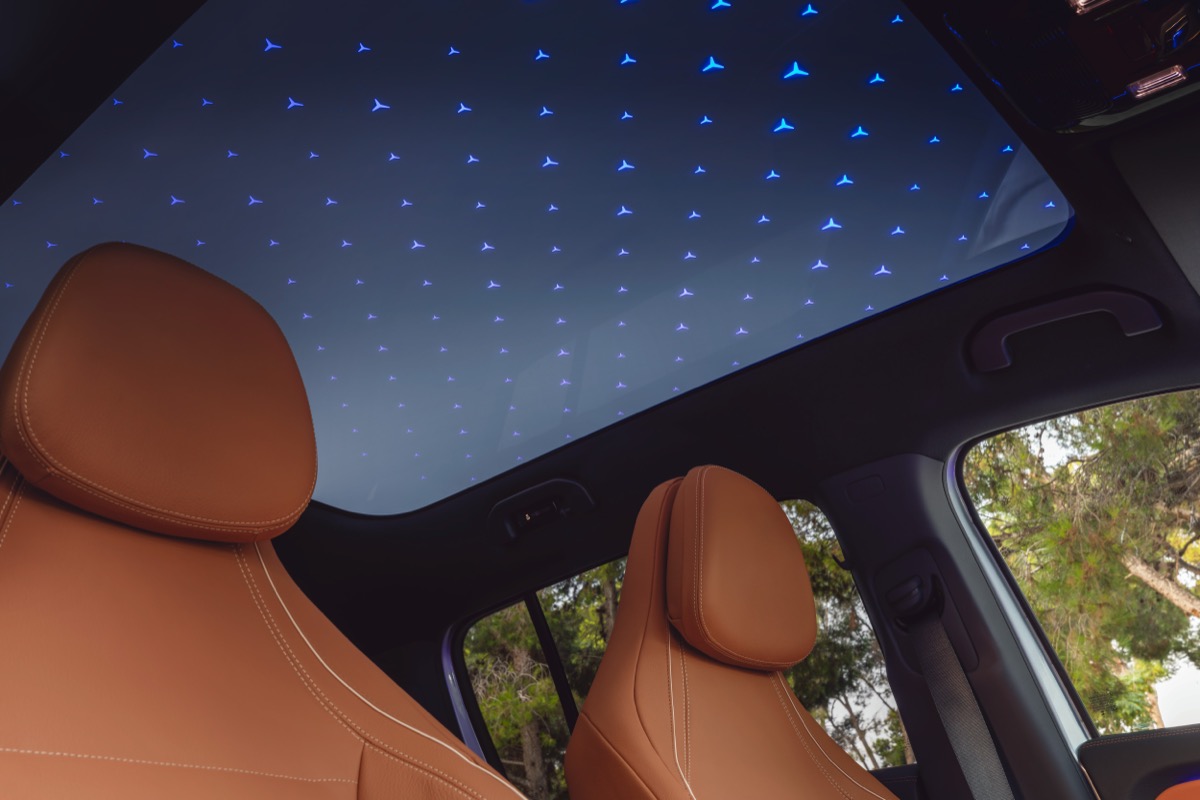
Seating comfort has improved, the second-row cushion is more supportive, and there is more legroom and headroom thanks to the reworked body architecture and new roofline. A standard panoramic roof adds a feeling of light and air, while certain versions offer an eye-catching glass roof with a star motif, underlining the premium character of the vehicle.
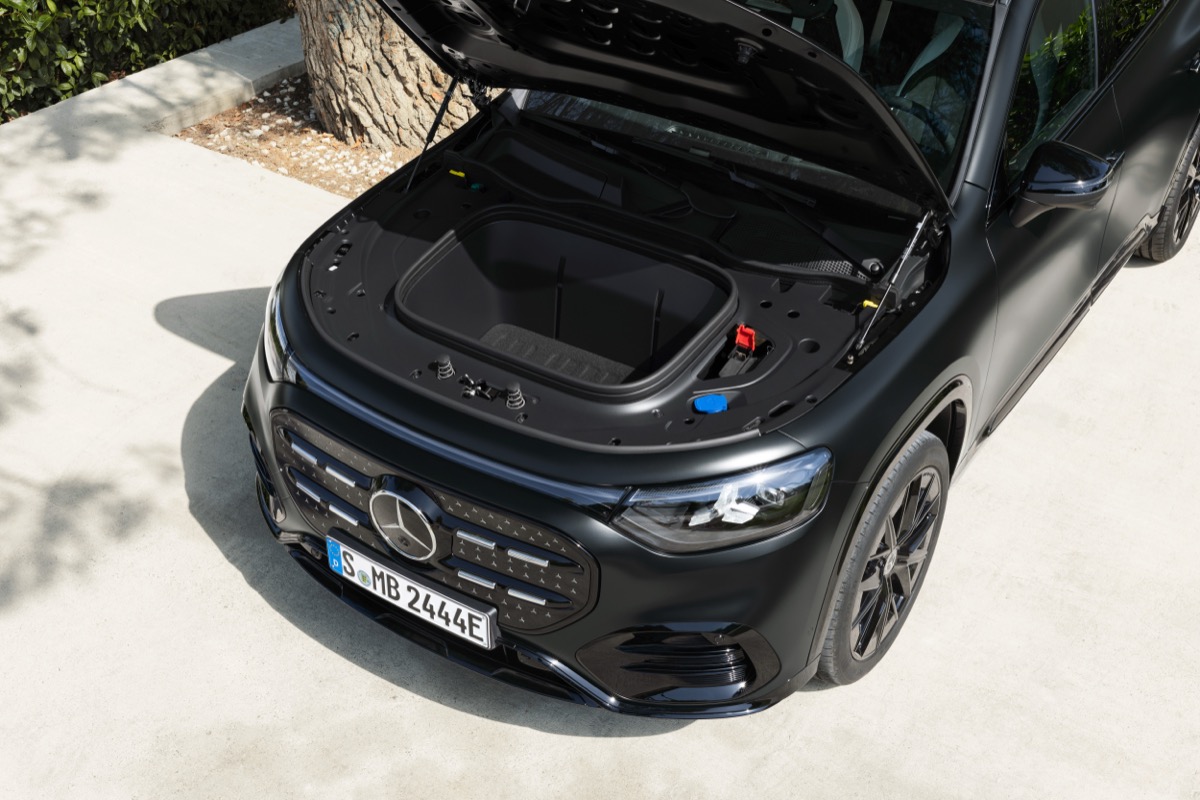
The new GLB is also more convenient for travel. The front trunk provides extra space for charging cables, small equipment or items you want to keep separate. The rear cargo area in the five-seat version offers generous volume, and with the seats folded, the vehicle becomes a genuinely useful family hauler. For families with several children, the ability to install multiple child seats across the second and third rows is especially valuable.
Not just for the city: all-wheel drive, gravel roads and towing
The new GLB is interesting because it does not try to be an exclusively urban electric crossover. The 4MATIC all-wheel-drive versions receive a second electric motor and more confident traction on poor surfaces. TERRAIN MODE adapts accelerator response, steering and braking for gravel, dirt roads and uneven ground.
Among the available technologies is the “transparent hood” function - a virtual view of the area beneath the front of the vehicle. This is particularly useful on uneven surfaces, when leaving paved roads, or when manoeuvring near rocks, curbs or steep driveways. It does not turn the GLB into a traditional off-roader, but it makes it noticeably more confident in situations where an ordinary urban SUV can make the driver nervous.
Towing capacity of up to two tonnes is another strong argument. Not every electric crossover in this class can confidently tow a large trailer, boat, small camper or equipment platform. A high permissible tongue weight also makes the GLB convenient for carrying electric bicycles, which is especially relevant for active families and travellers.
Driver assistance and over-the-air updates
Driver assistance systems are grouped under the name MB.DRIVE. At their core is a powerful computing platform designed not only for current functions, but also for future upgrades. Mercedes is placing emphasis on regular over-the-air updates, so that the car can receive new capabilities and improvements after purchase.
In Europe, the new GLB is equipped with a broad sensor set, including cameras, radar and ultrasonic sensors. This allows assistance systems to work more confidently in everyday scenarios: highway driving, lane keeping, maintaining distance from the vehicle ahead, parking, manoeuvring and monitoring the surrounding environment.
Suspension with adaptive dampers allows the driver to change the character of the vehicle with a single switch. The GLB can feel more comfortable or more composed and sporty depending on the selected mode. This is an important part of the new model’s character: it must remain soft and convenient for family use, but not feel loose or indifferent on the road.
A new standard for a compact family Mercedes
The new GLB is one of those rare vehicles that does more than update the previous model - it changes its role. The earlier GLB was seen as the most practical compact Mercedes: slightly boxy, very useful, family-oriented and sensible. Now that foundation has been joined by long-range electric driving, fast charging, a full digital architecture, a more expressive interior and expanded travel capability.
Most importantly, Mercedes-Benz has not sacrificed the essence of the model. The GLB remains a car for real life: for family, city, highway, luggage, child seats, weekends outside town and long-distance routes. But now it does all of this in a new technological format.
In a world where many electric vehicles are beginning to look too similar, the new GLB keeps its individuality. It does not try to be the most aggressive, the lowest or the most futuristic. Its strength lies elsewhere: in space, flexibility, digital comfort and the ability to be useful every day. That is why the relaunch of the GLB feels important not only for Mercedes-Benz, but for the entire compact premium SUV segment.