
The white town
The Florida town where the law requires beauty
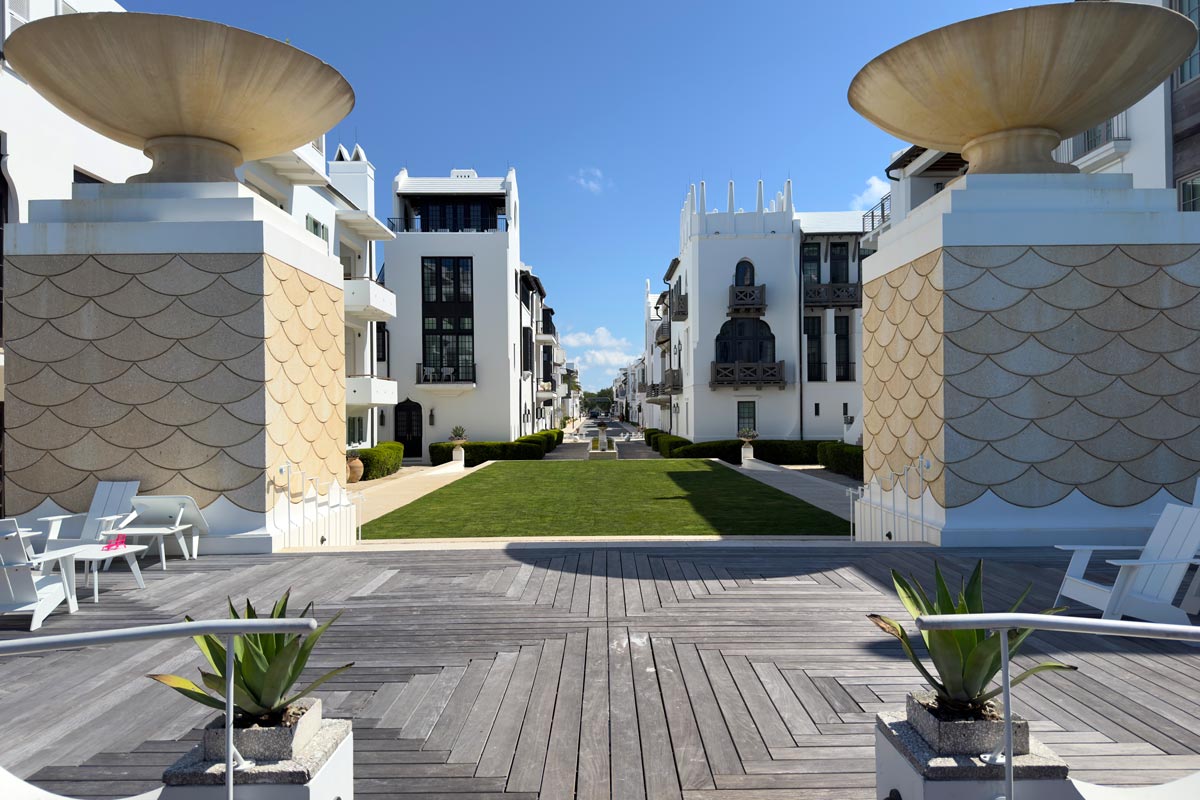
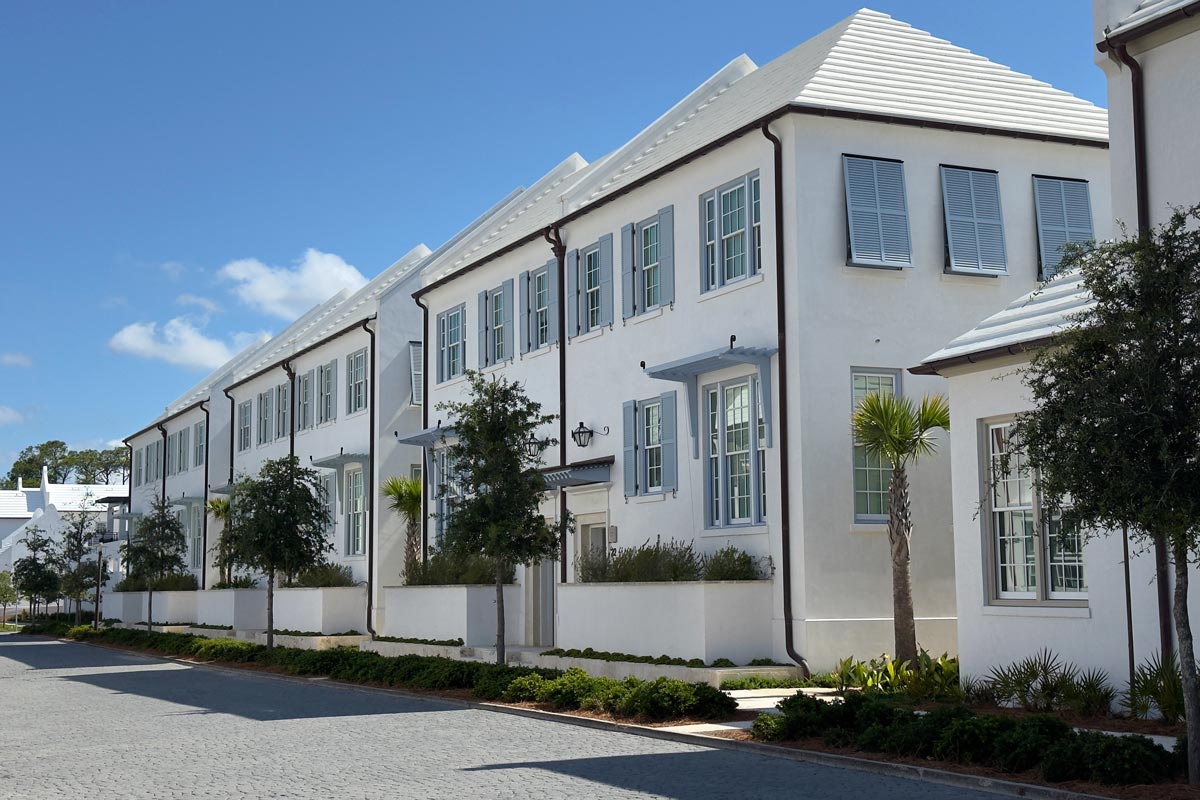
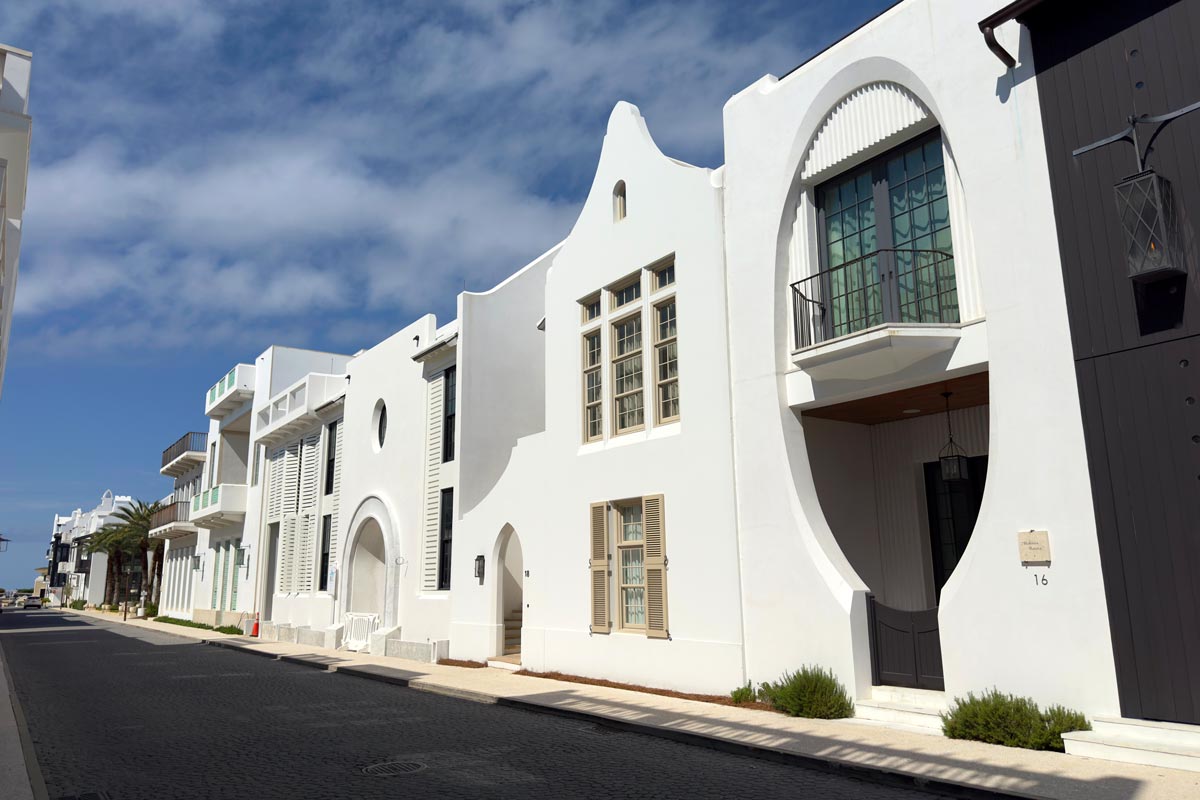
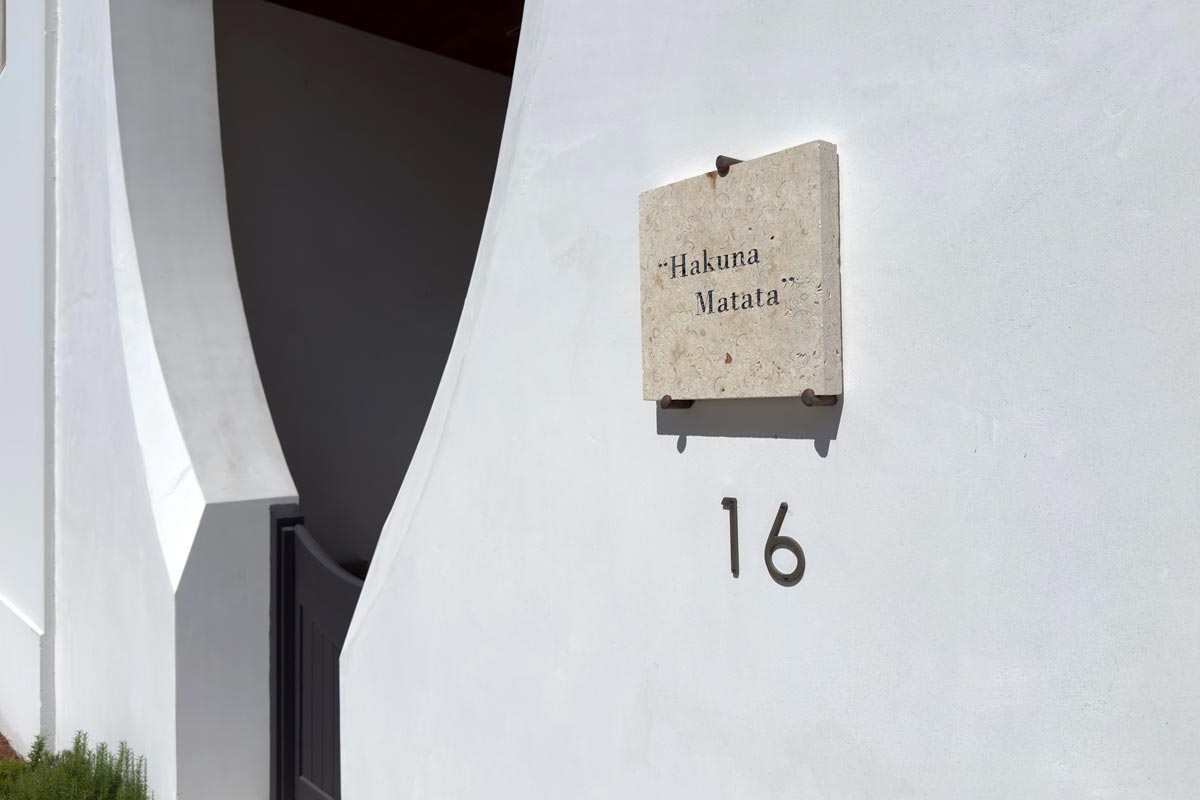
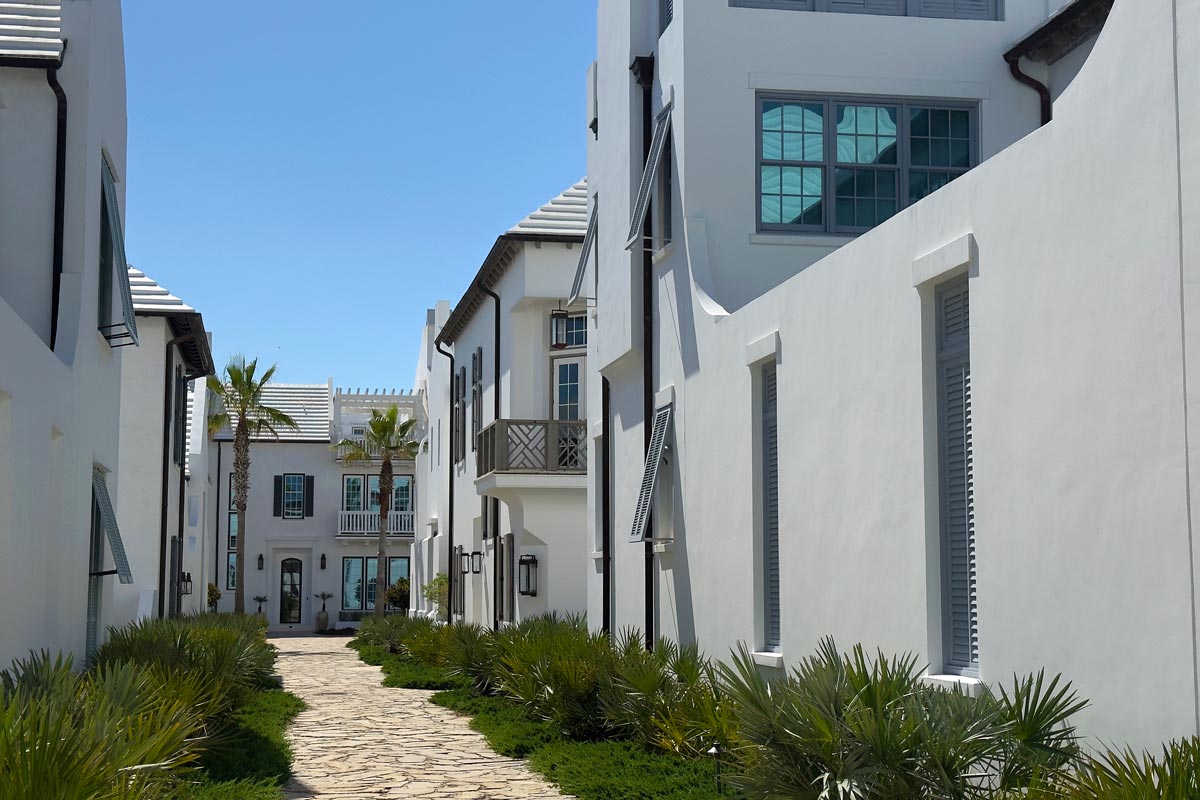
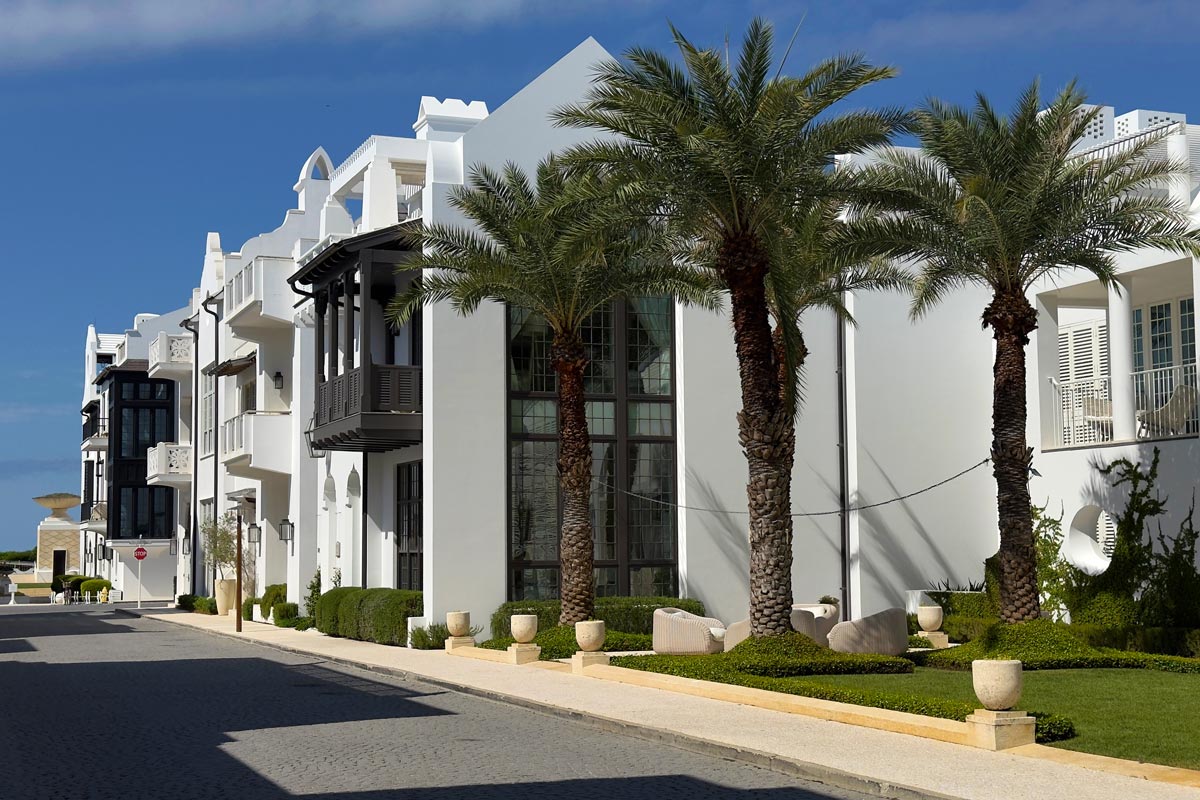
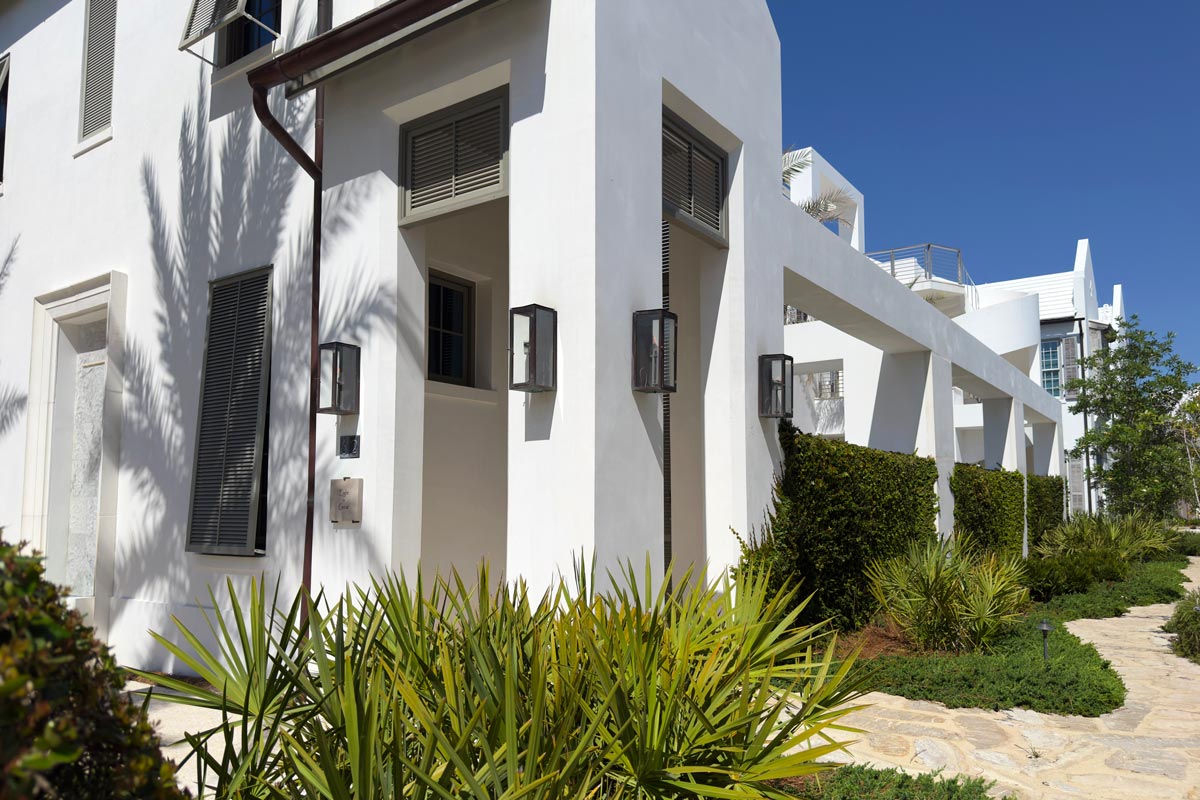
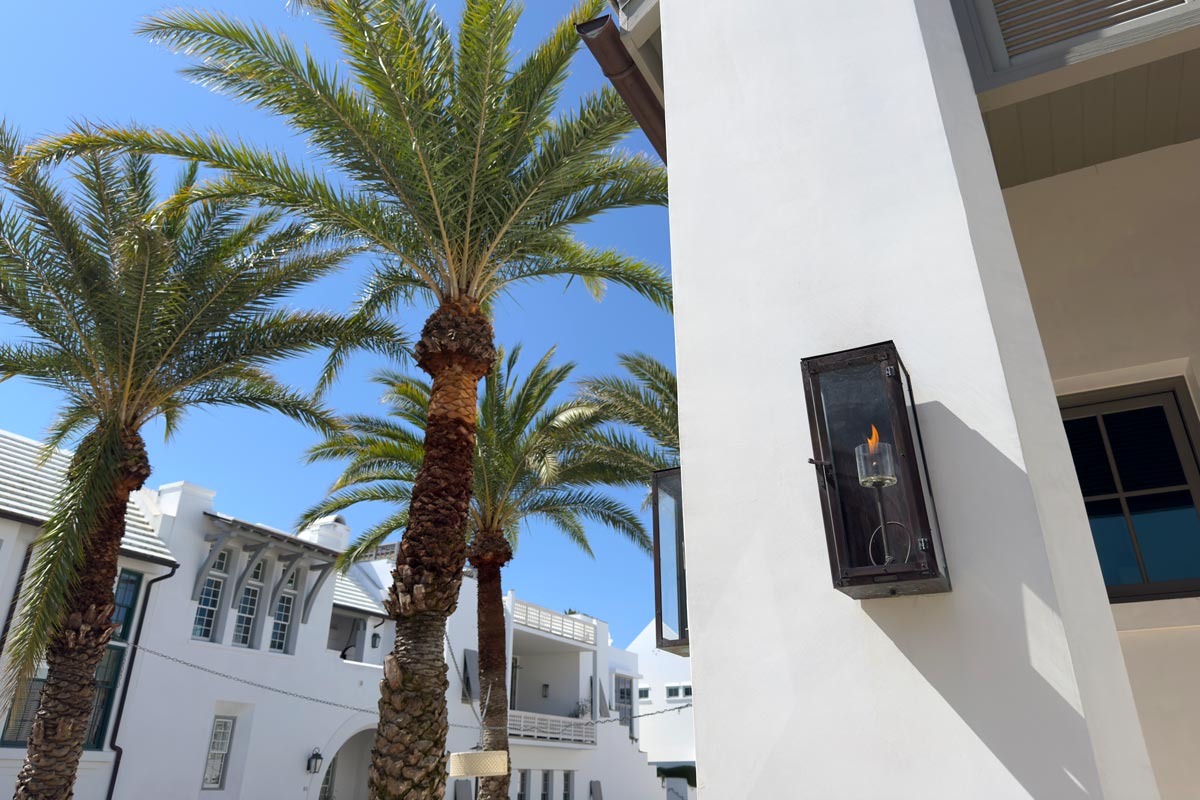
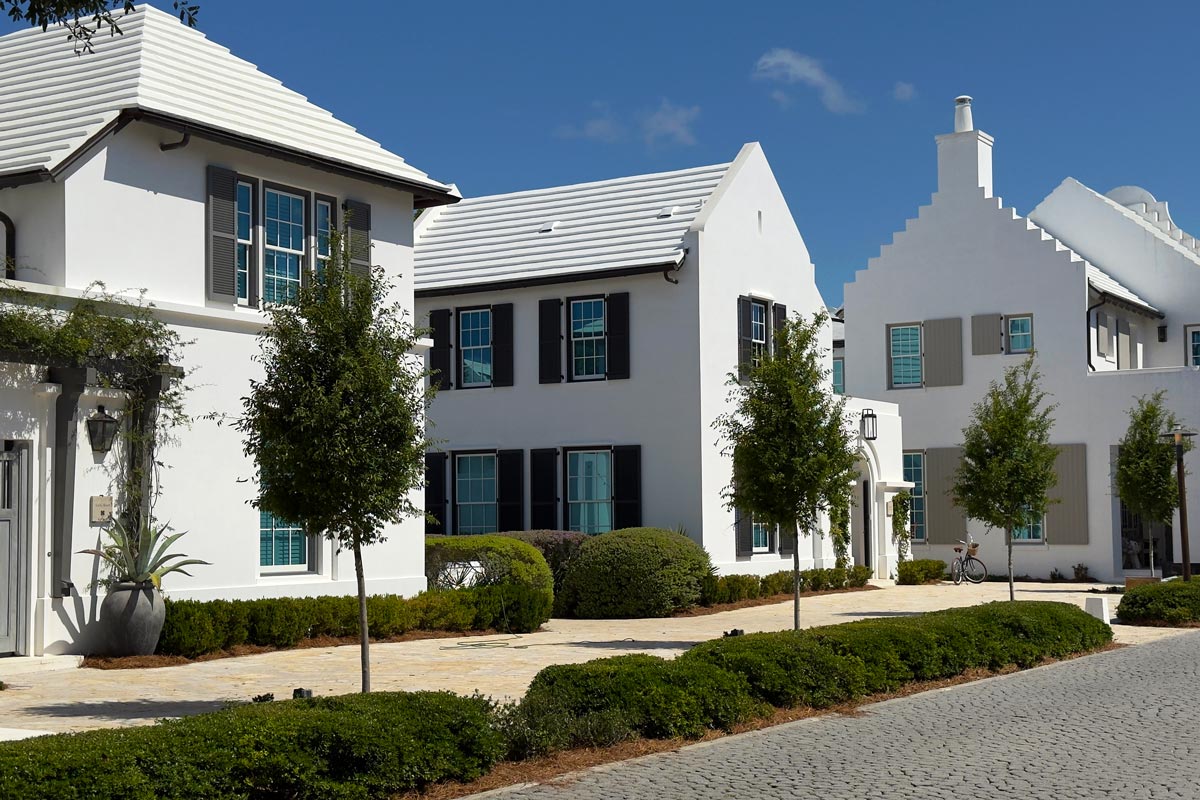
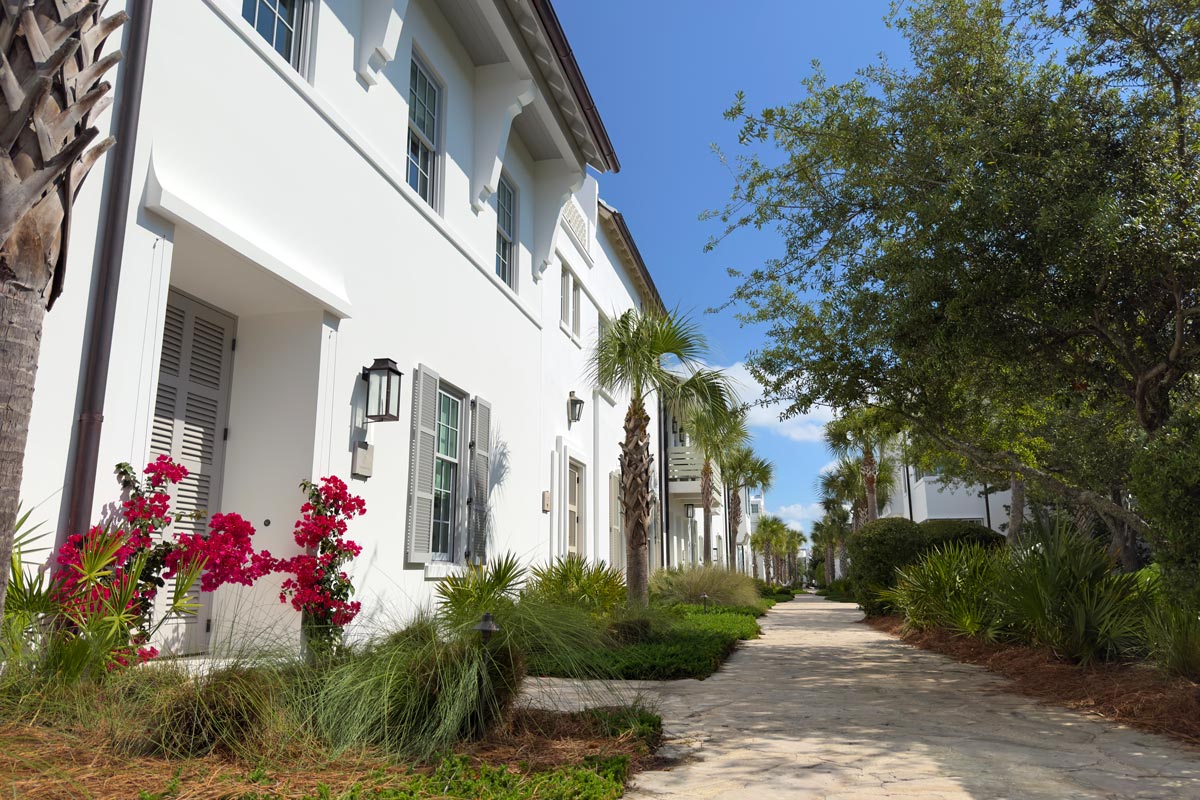
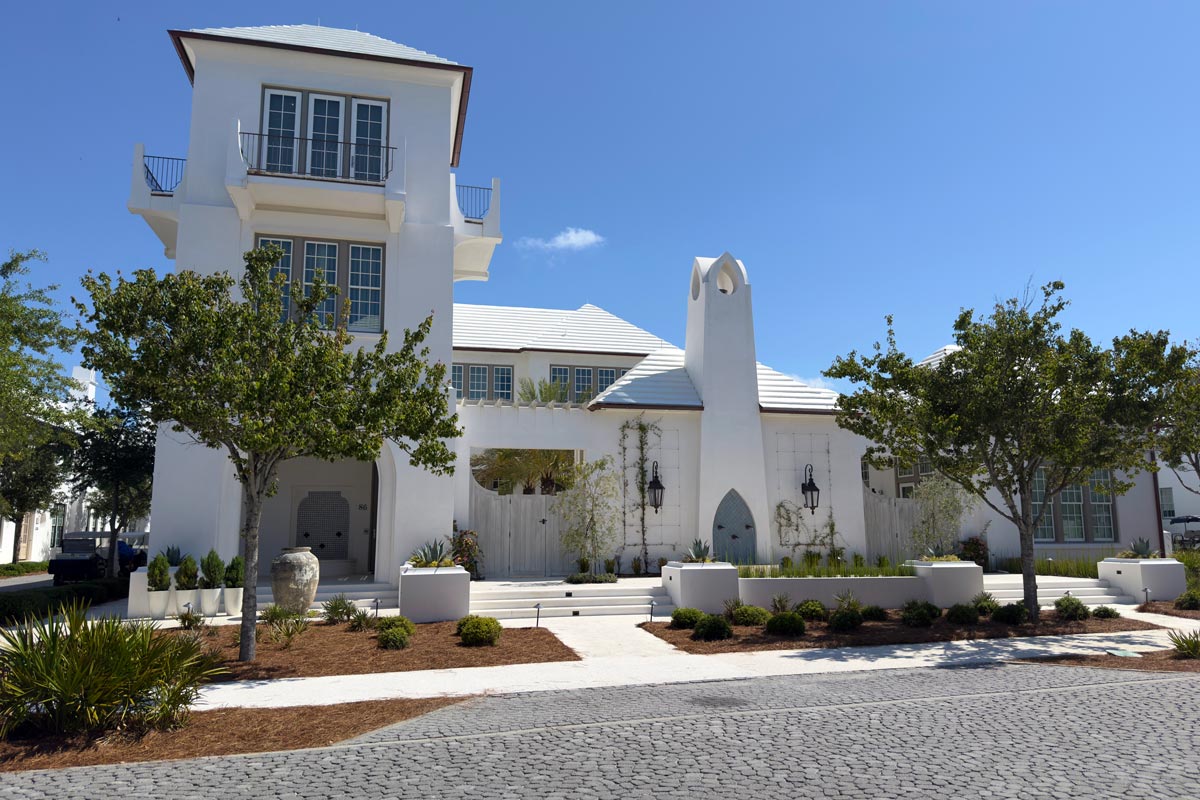
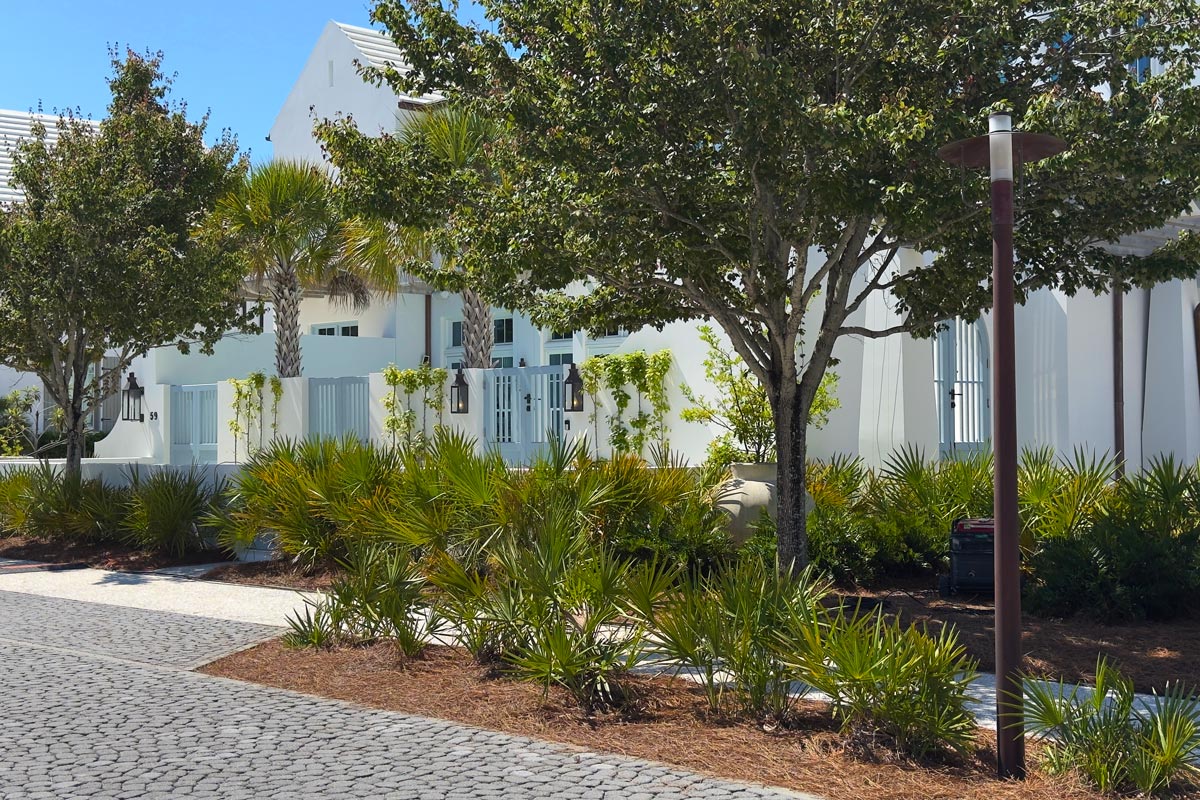
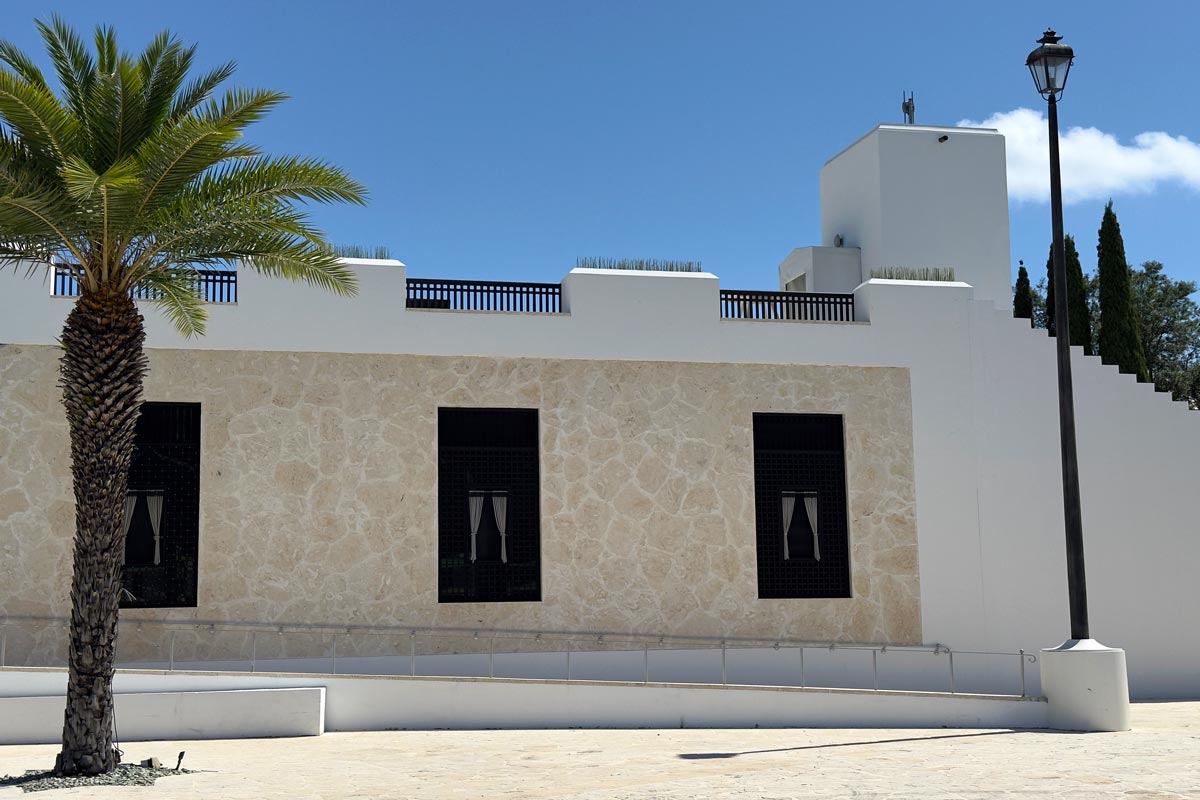
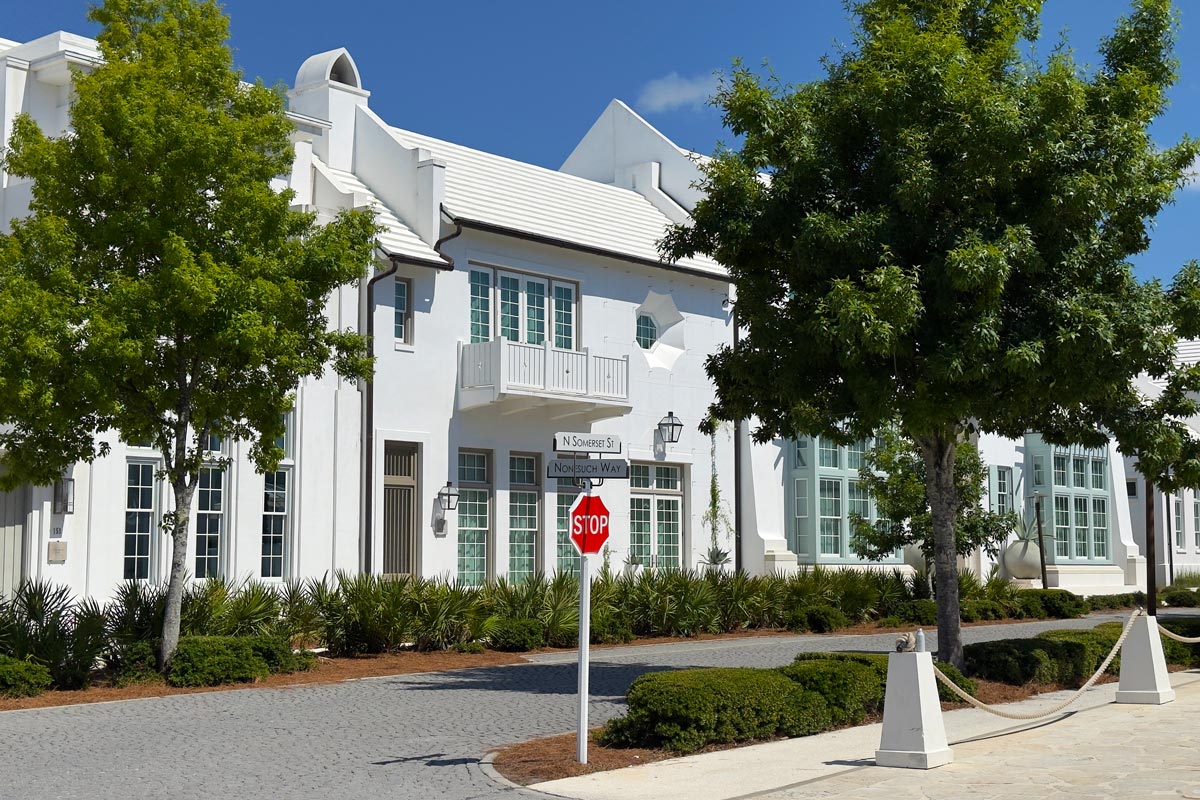
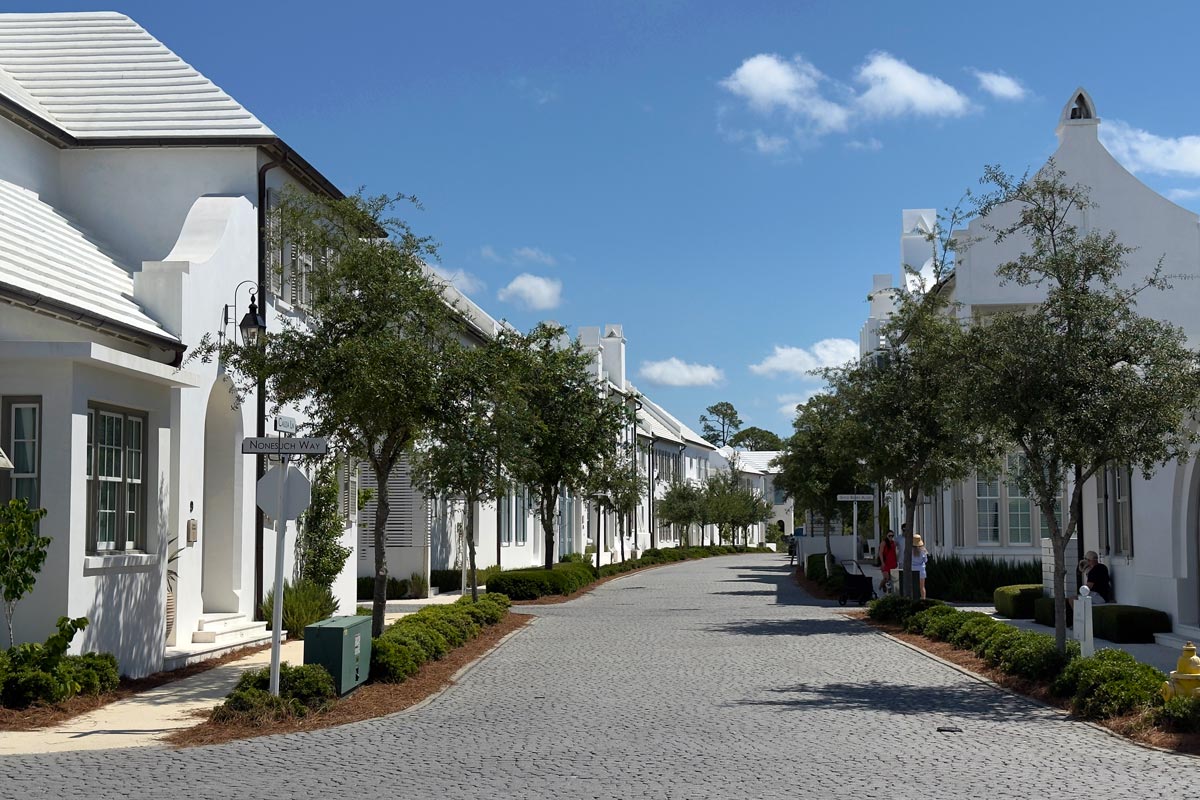
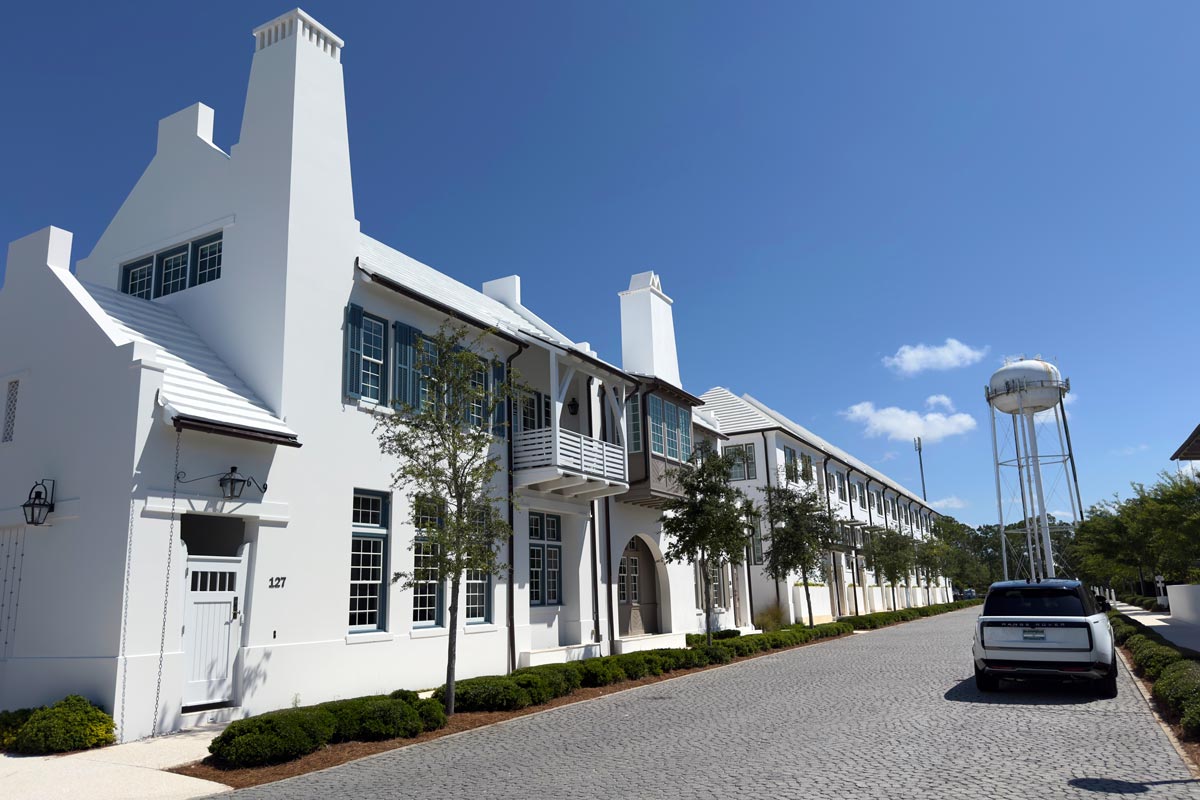
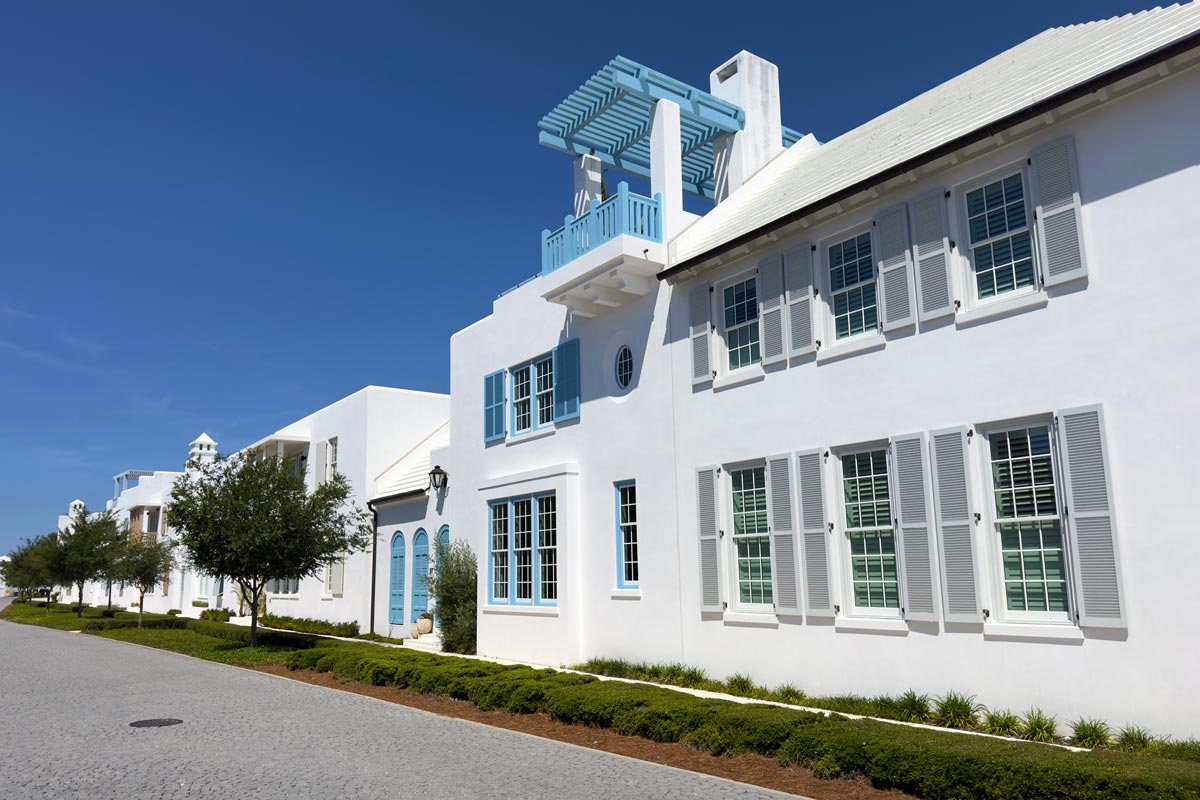
There is a town on the Florida Panhandle where the law requires every house to be white. Not as a guideline. Not as a stylistic preference. It is written into the building codes that govern the place. If a homeowner were to wake one morning with a sudden affection for ochre, or terracotta, or even the palest dove gray, the answer would still be the same. White only. Always white.
The town is called Alys Beach. It sits on a thin ribbon of Highway 30A between Panama City Beach and Destin, overlooking the Gulf of Mexico - a stretch of coast where the sand is almost impossibly fine and the water glows the precise green of an old glass bottle held to the light. The town is small enough to walk in twenty minutes, and quiet enough that the loudest sound on most mornings is the wind moving through the sea oats on the dunes.
Most first-time visitors assume they are looking at a small piece of Greece. The whitewash, the curved rooflines, the courtyard geometry, the sun-bleached precision of a place that seems to have grown from the Cycladic imagination - it all suggests Santorini, somehow transplanted to a Florida sandbar five thousand miles from home. This is the wrong country entirely. The architects who designed Alys Beach studied two places with great care, and neither of them was Greek.
Bermuda
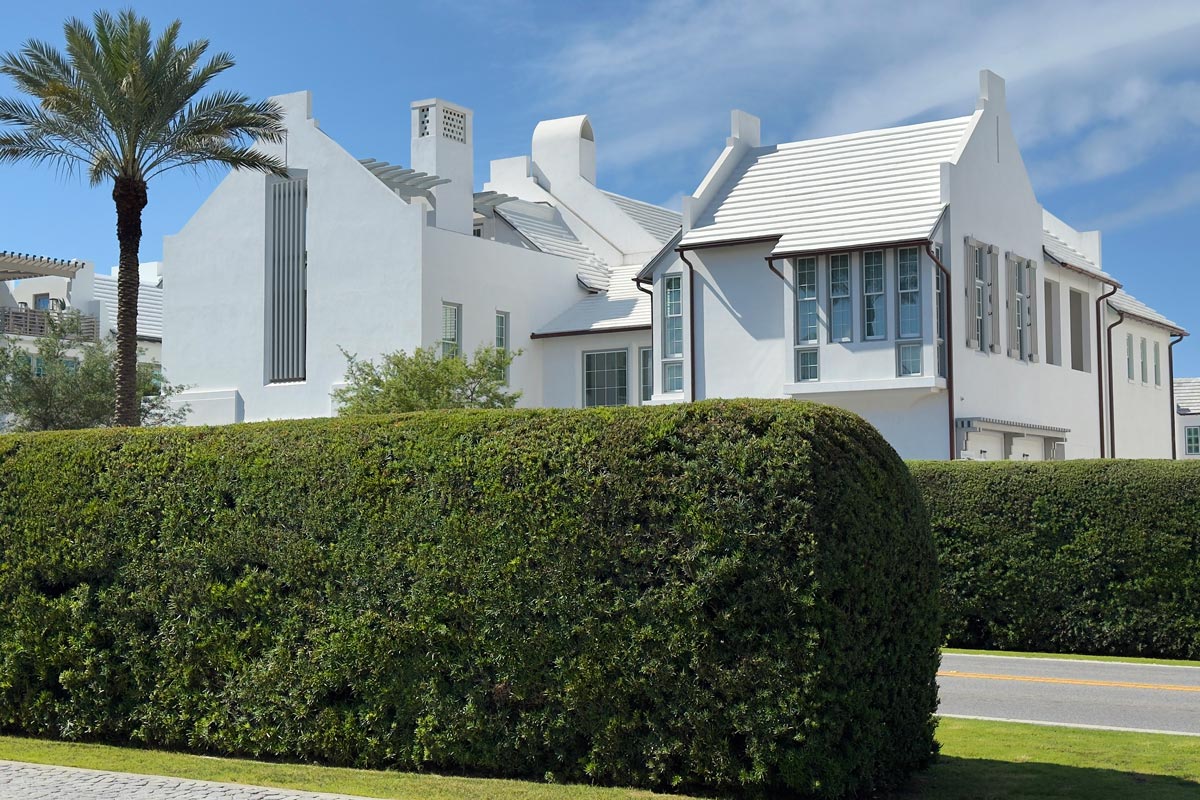
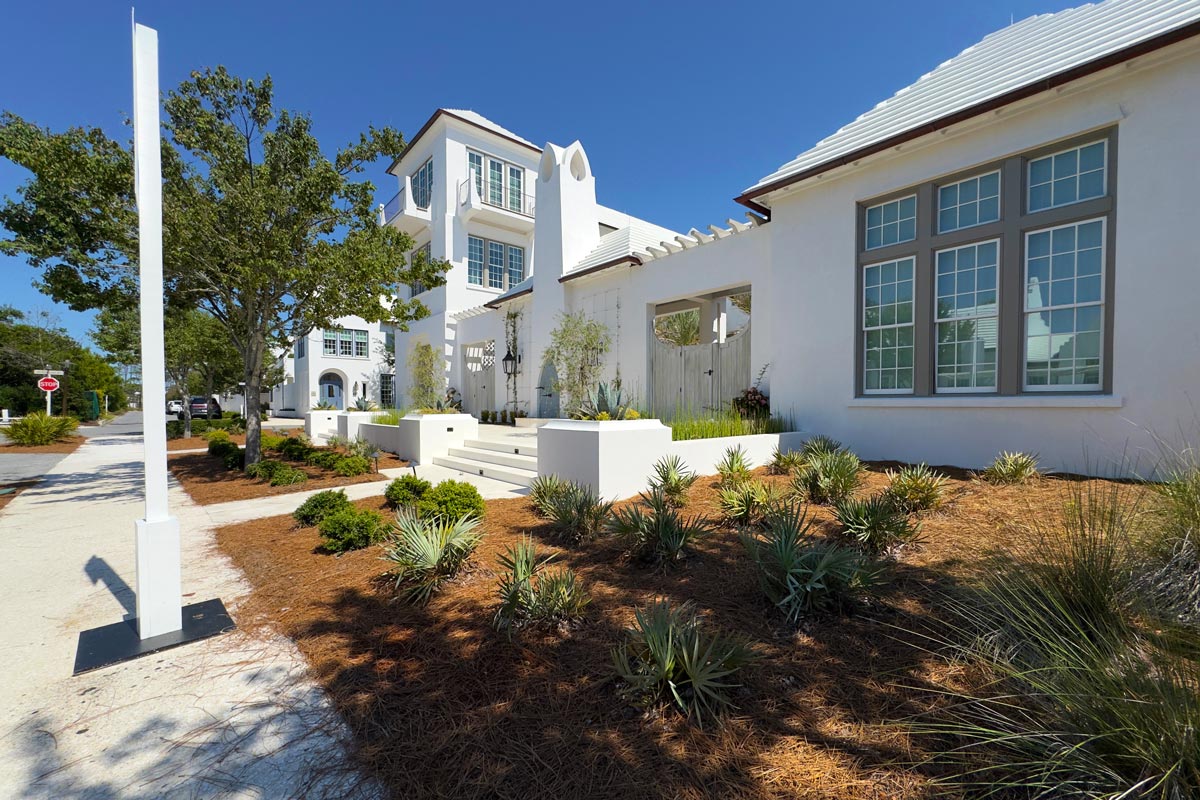
Look up at the rooftops in Alys Beach - really look, the way you might study the ribbing of a vault inside an old chapel - and something curious appears. The roofs are stepped and ribbed, painted in bright limewash that is reapplied on a quiet annual rhythm.
This is not decoration. It is a Bermudian invention from the seventeenth century, born of a particular kind of geographic desperation.
Bermuda had no rivers. The British settlers who arrived in the 1600s were obliged to collect every drop of fresh water from the only surface available: the roofs of their own houses. They built those roofs stepped and ribbed so that rainfall would slow as it descended. They painted them in a particular limewash that, as the water moved across the white surface, would purify it through slow chemical alkalinity before it reached the cisterns below. The architecture was, in effect, a four-hundred-year-old water treatment system disguised as a building.
That same architecture now stands on the Gulf of Mexico, performing a version of the same function it performed in the 1620s on a small island in the middle of the Atlantic.
Guatemala
The second source of influence is even less expected. It is a colonial city in the highlands of Guatemala: Antigua.
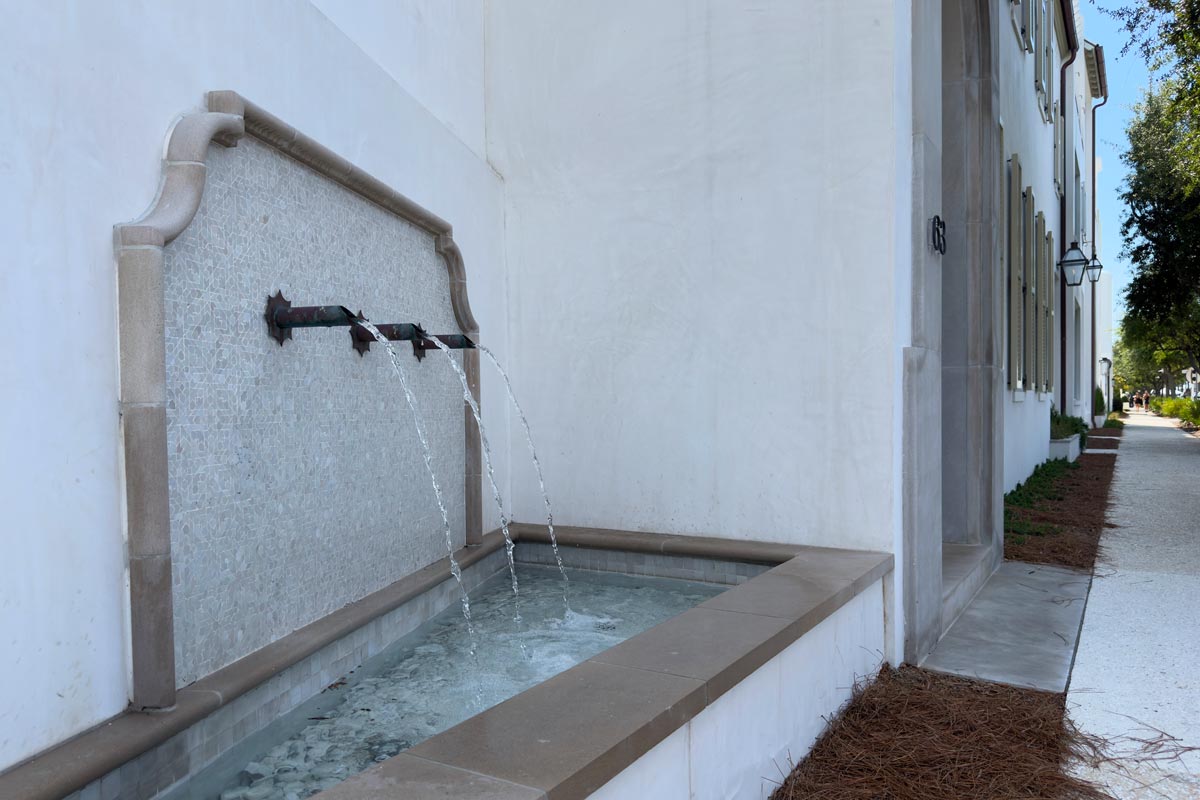
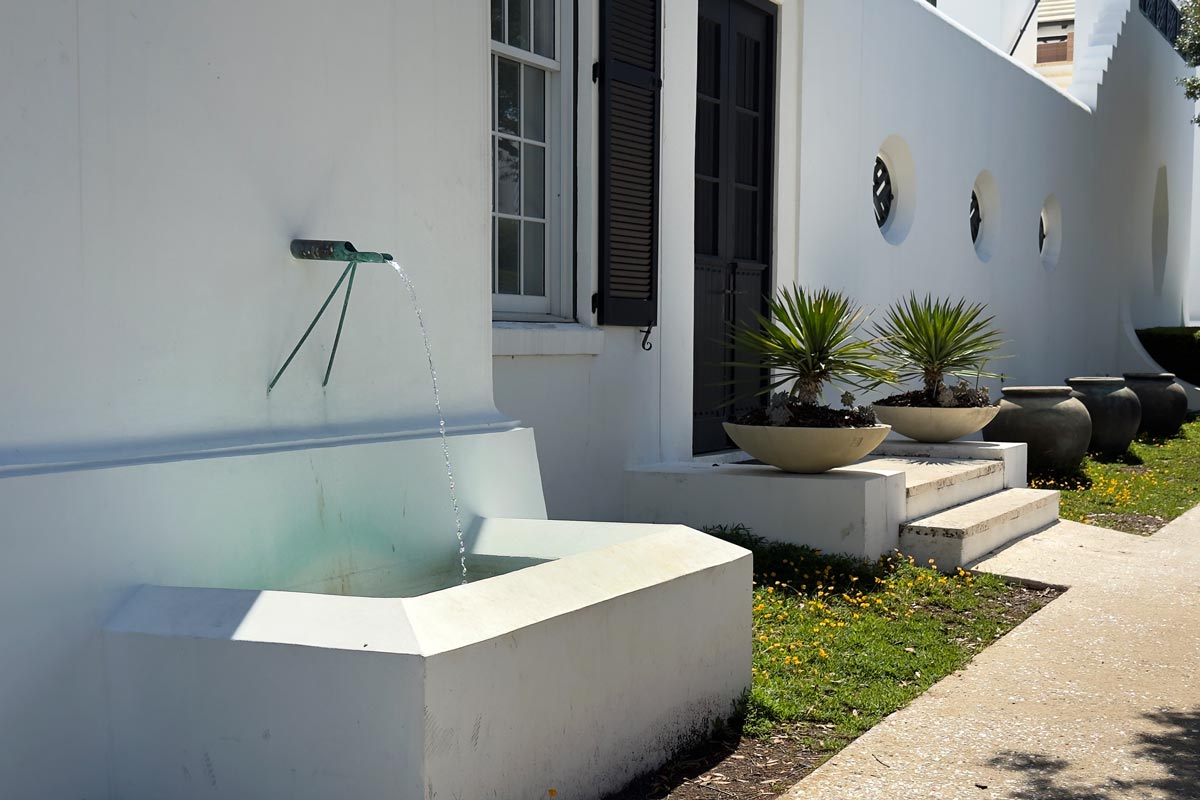
For nearly three centuries, Antigua served as the capital of Spanish Central America - its intellectual, ecclesiastical, and artistic centre - until a devastating sequence of earthquakes in the eighteenth century forced its abandonment. What survived were some of the finest courtyard houses ever built in the Americas: thick whitewashed walls enclosing hidden gardens, fountains, shaded passages, rooms cool enough to sleep through the afternoon heat.
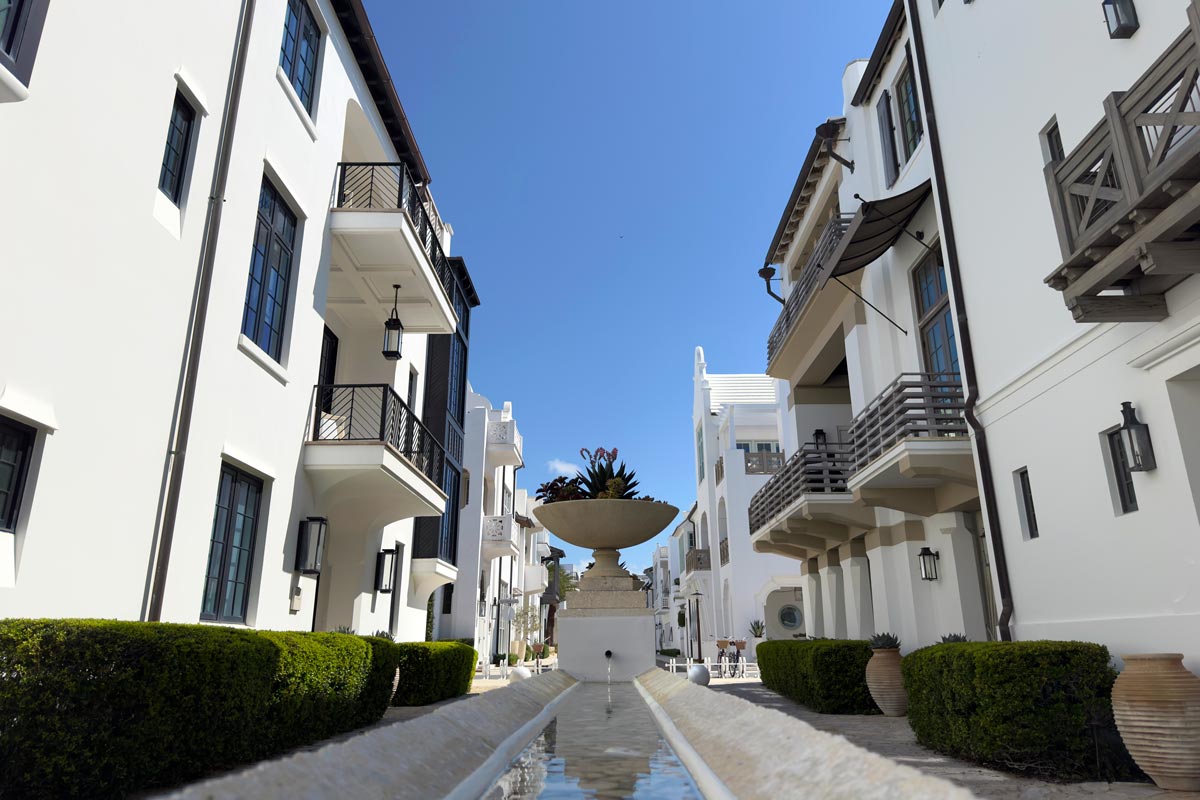
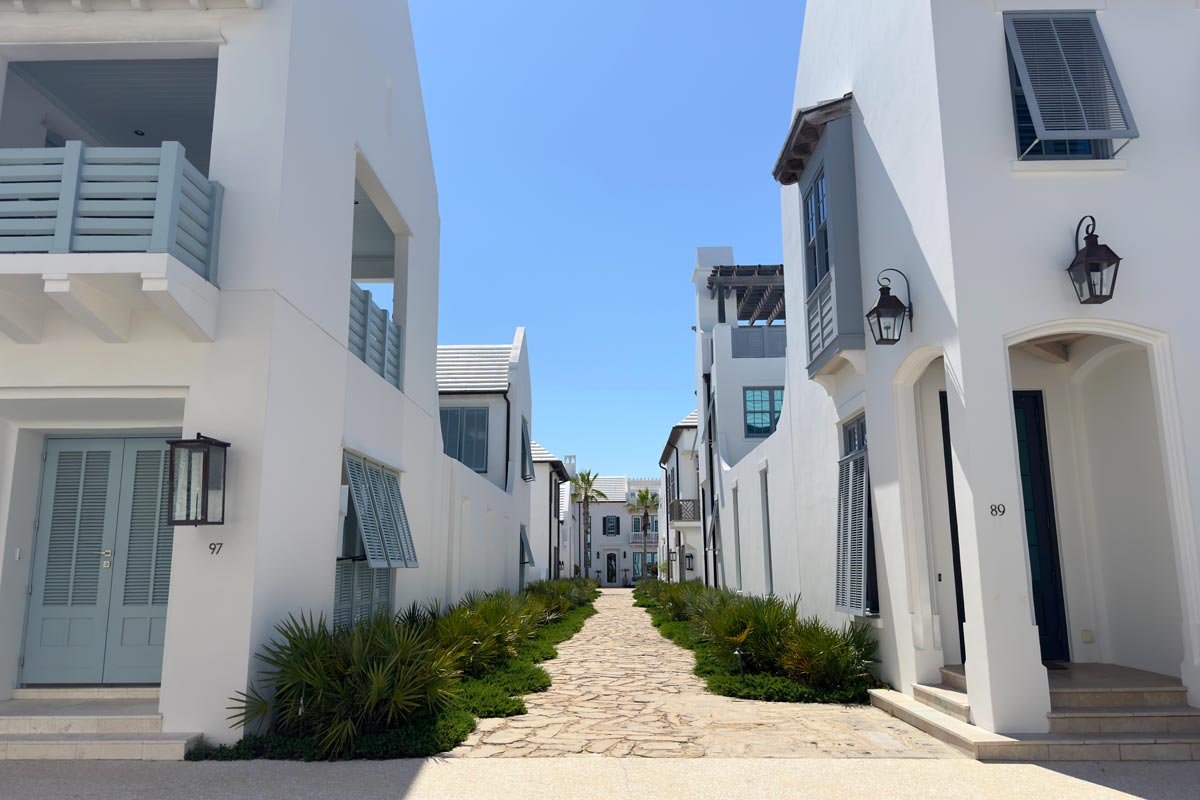
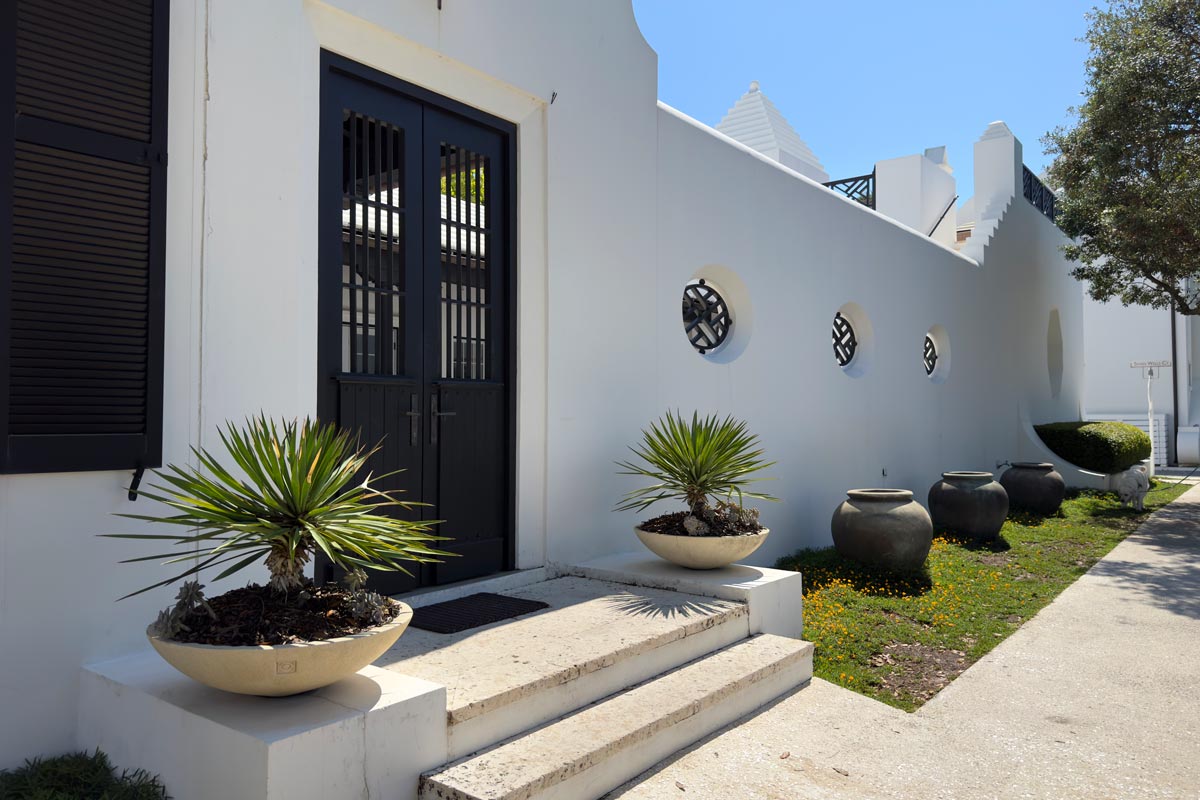
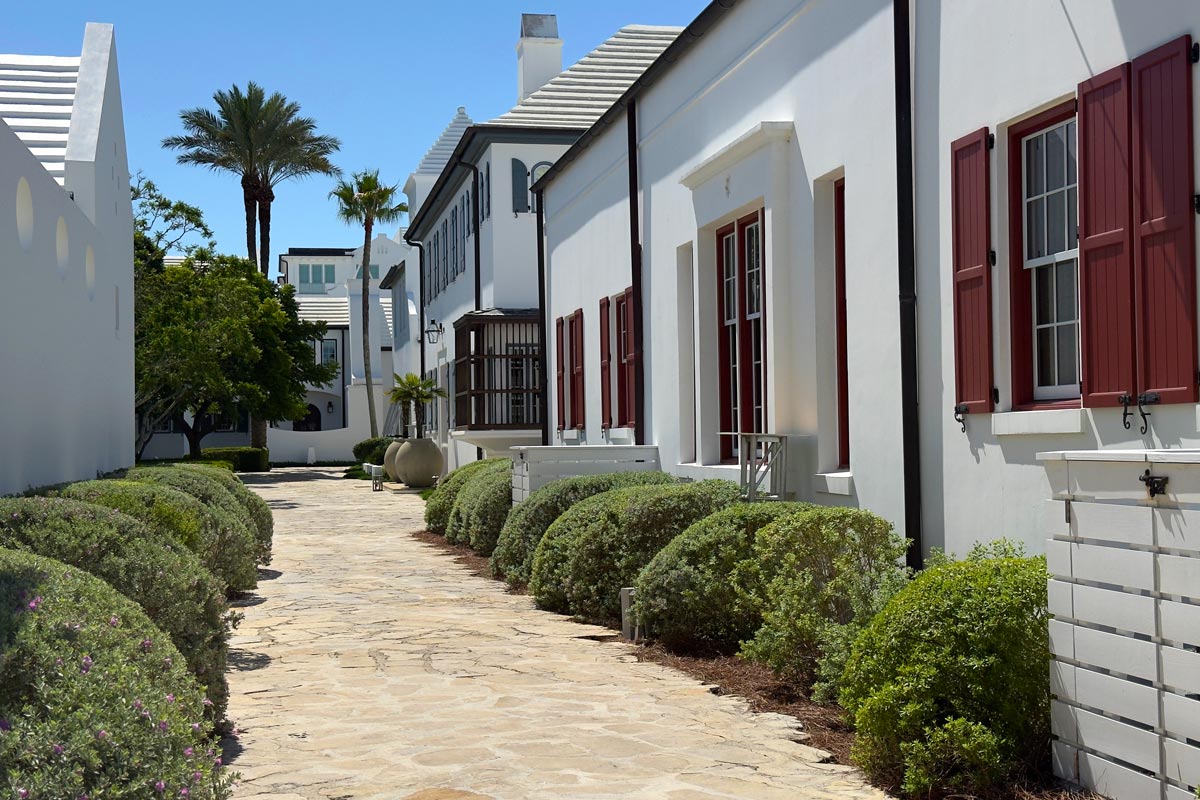
Alys Beach borrowed those courtyards almost directly. Walk past any house in the town and you will see no front lawn - only a tall white wall with a single door. The life of the home is arranged inward, around a private garden invisible from the street.
This is not a Florida idea, or a Mediterranean one. It is the same spatial logic the Spanish carried to Central America in the 1600s, refined from principles that Maya builders had been working with for centuries before that.
What Alys Beach achieves, then, is a fusion of two seventeenth-century inventions - a Bermudian roof and a Guatemalan courtyard - into something neither place ever quite produced alone. A quiet architectural alchemy performed under the specific, relentless light of a Florida summer.
The Butteries
Look more carefully, and the layers deepen.
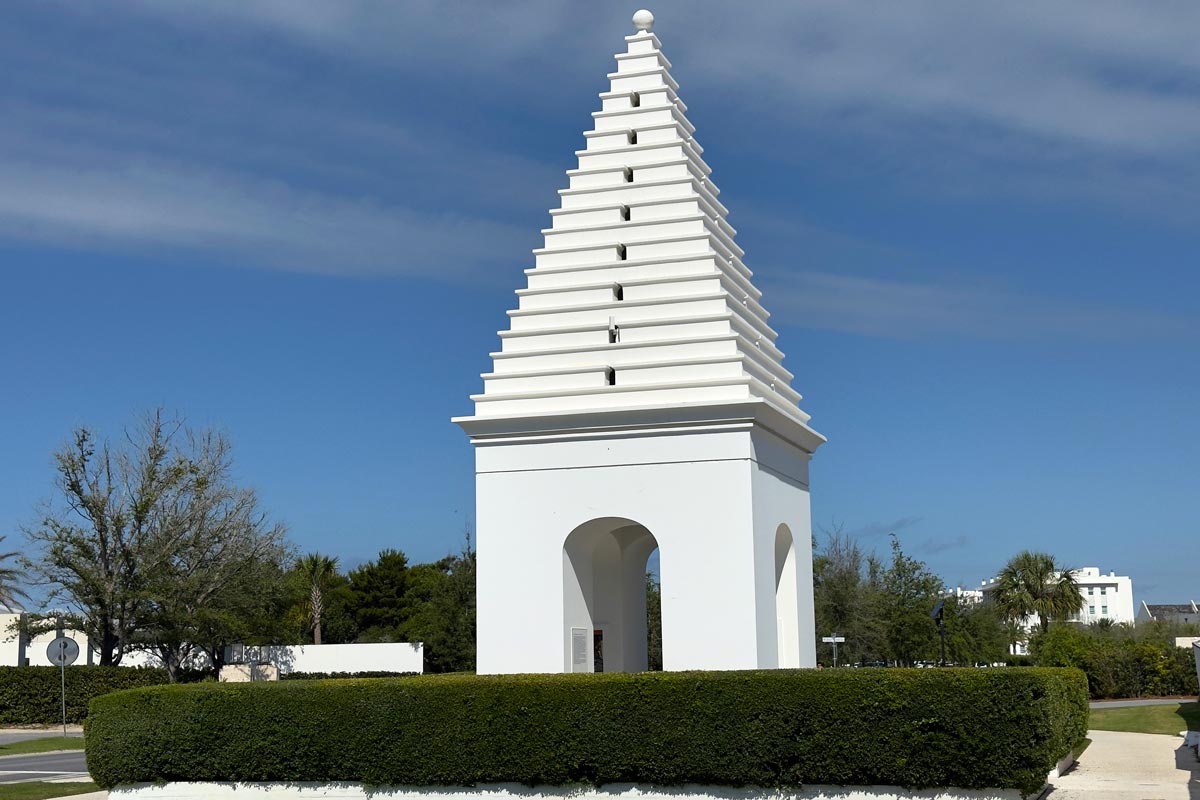
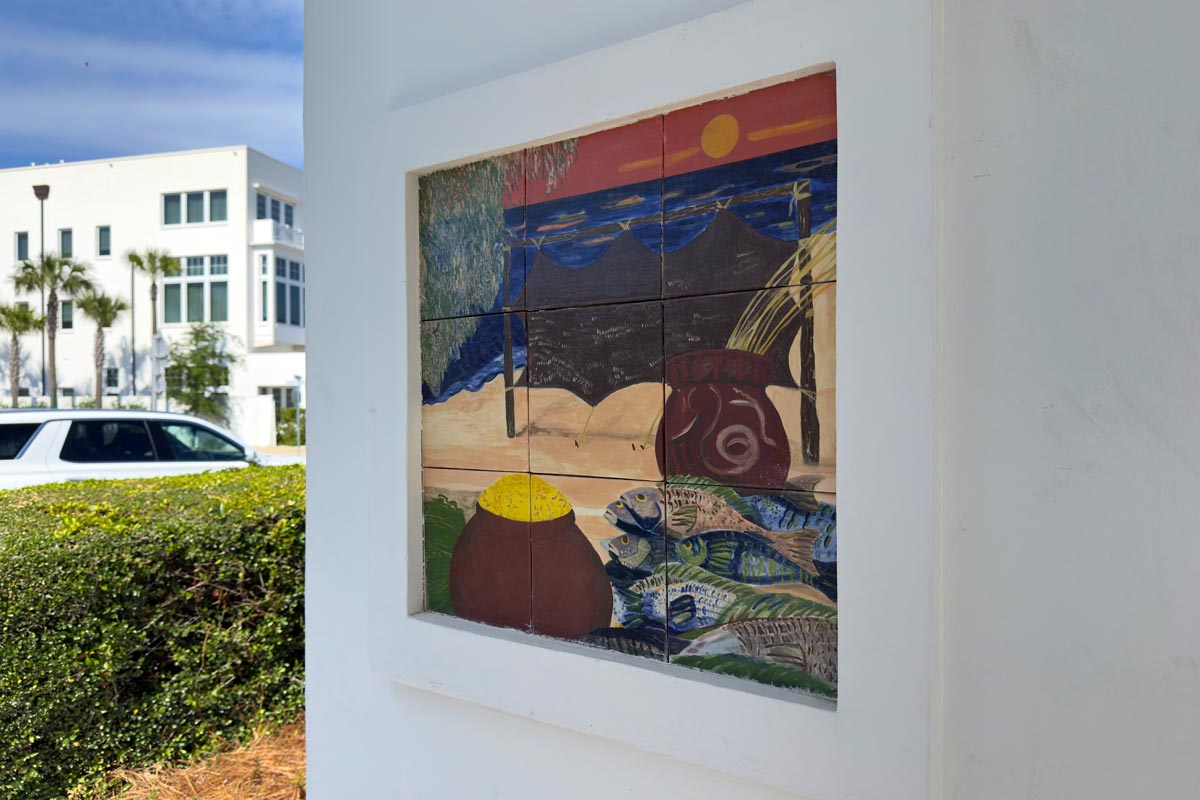
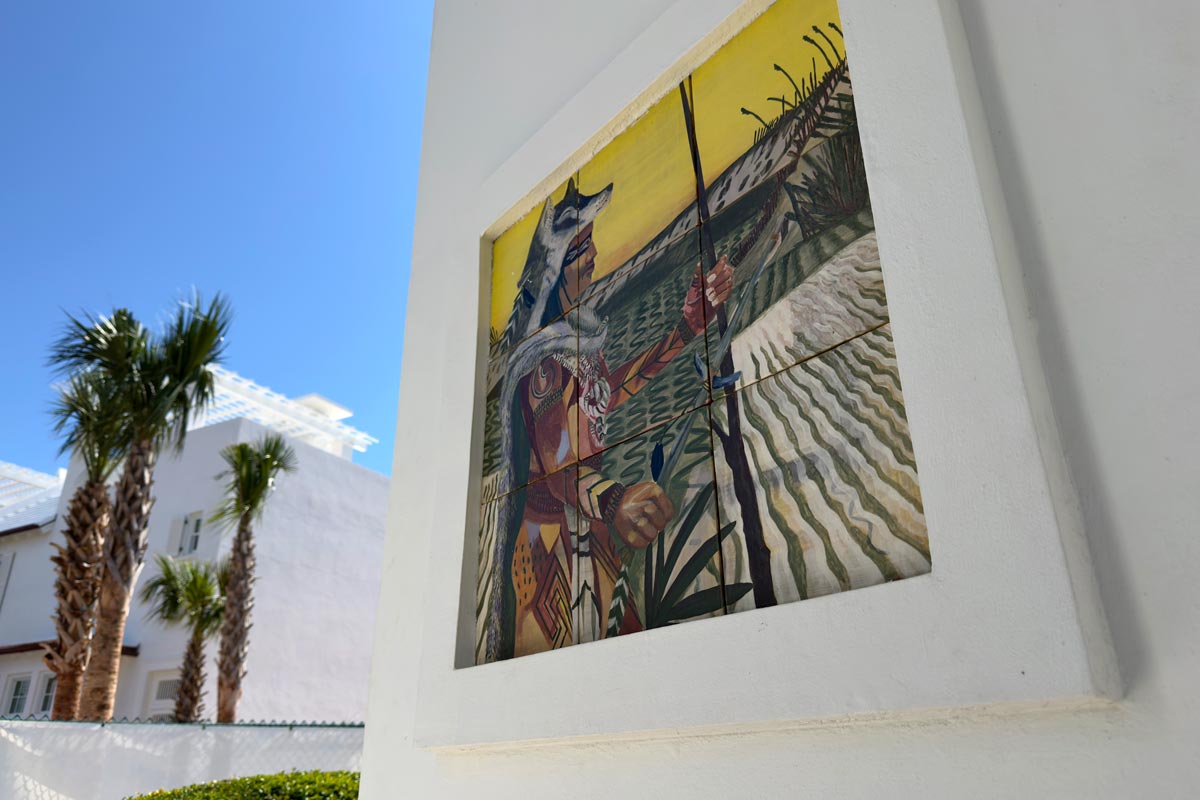
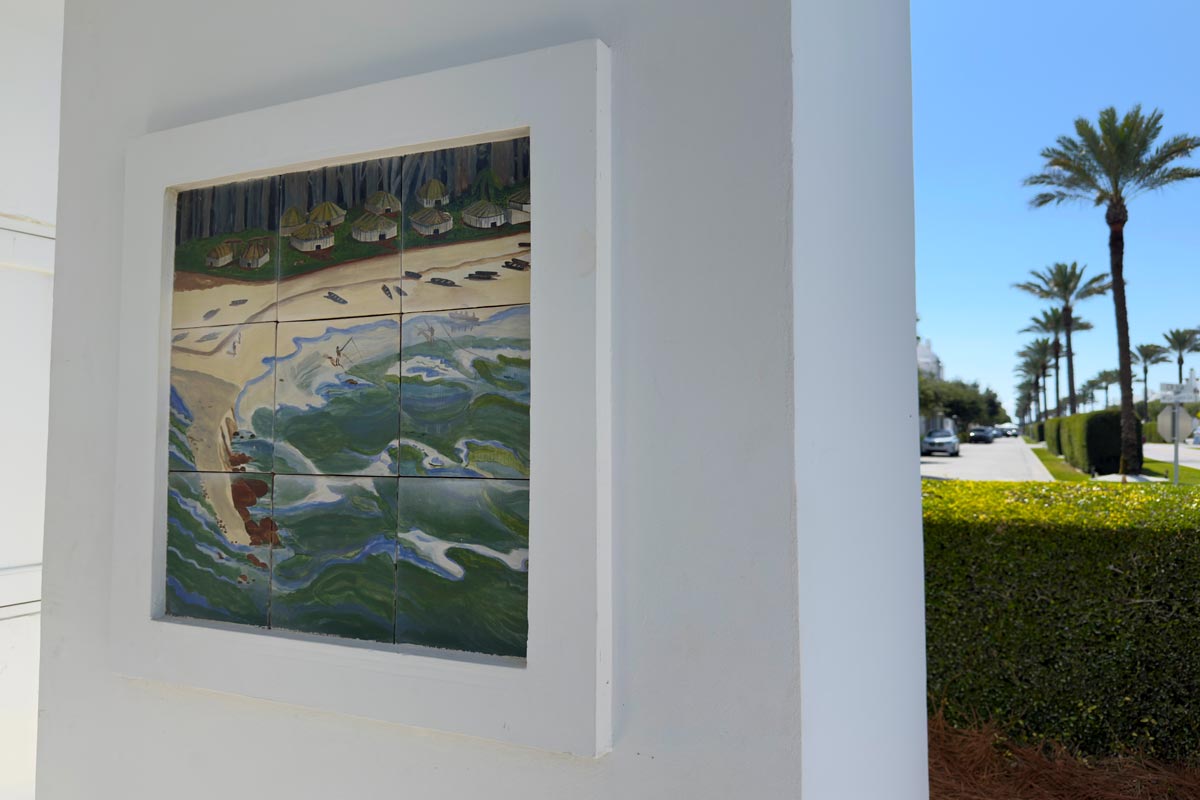
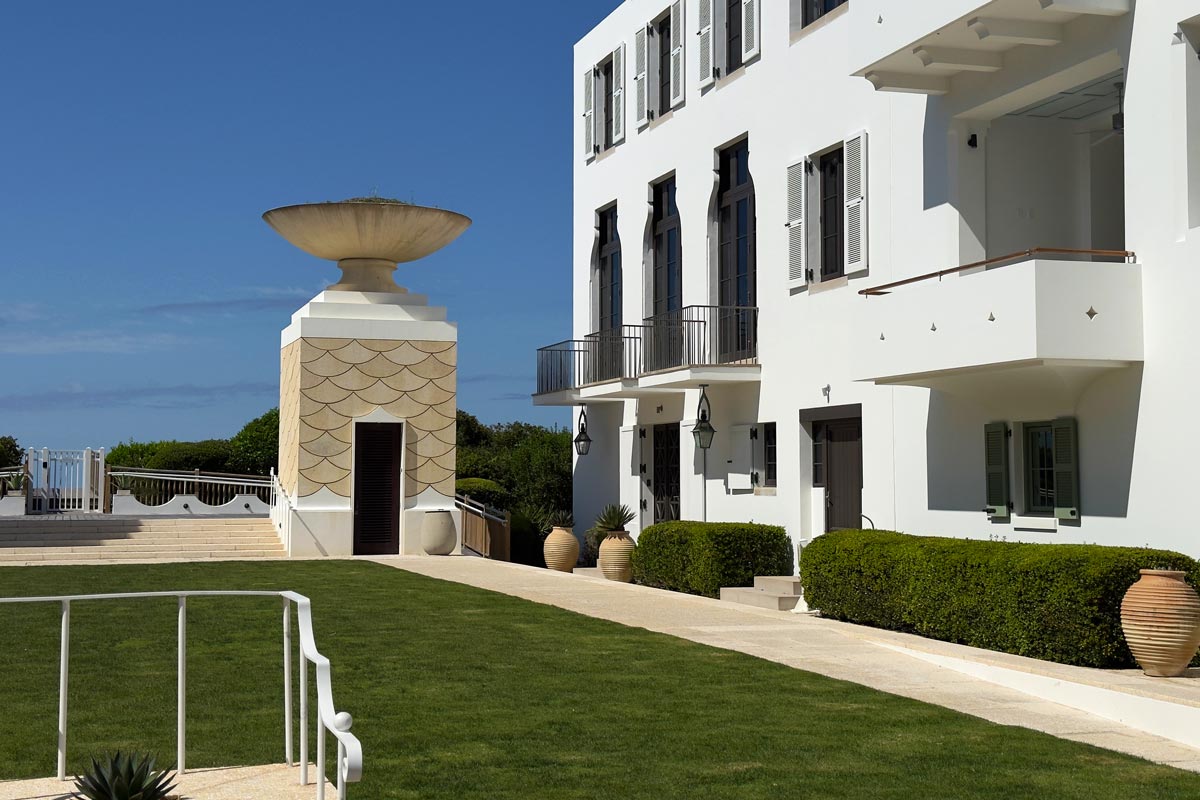
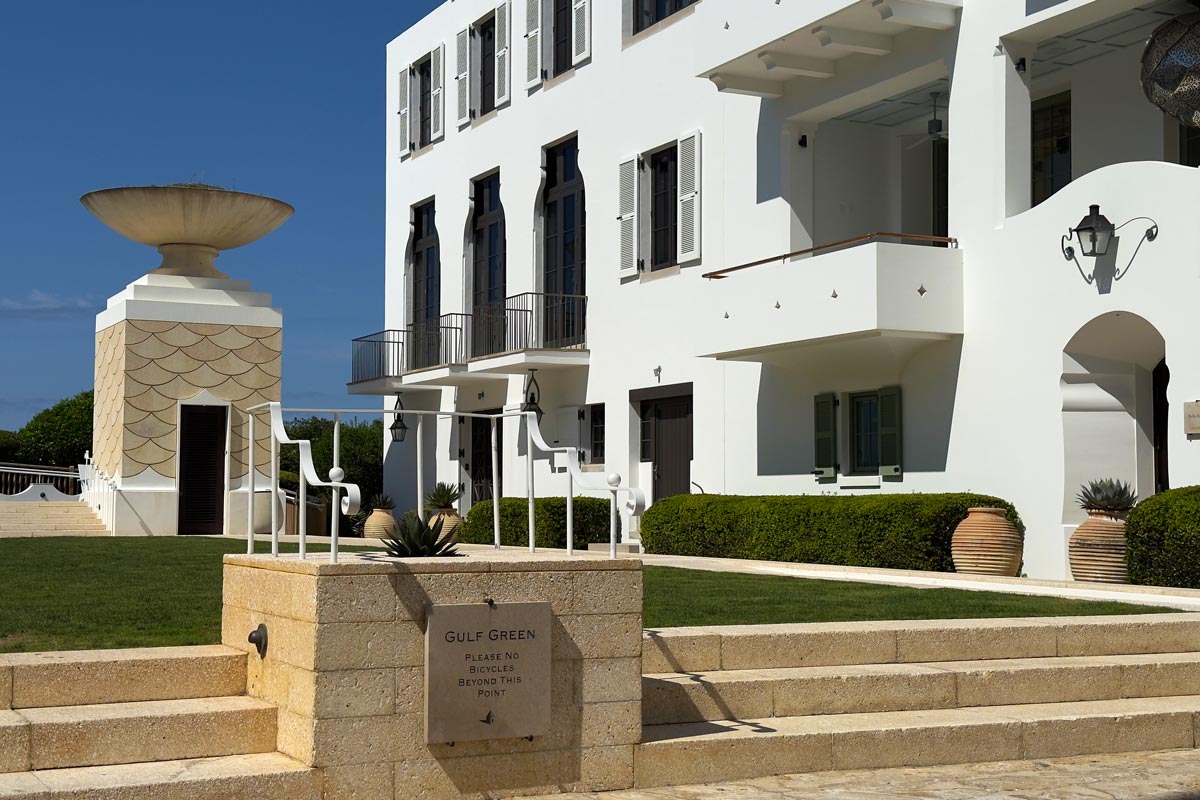
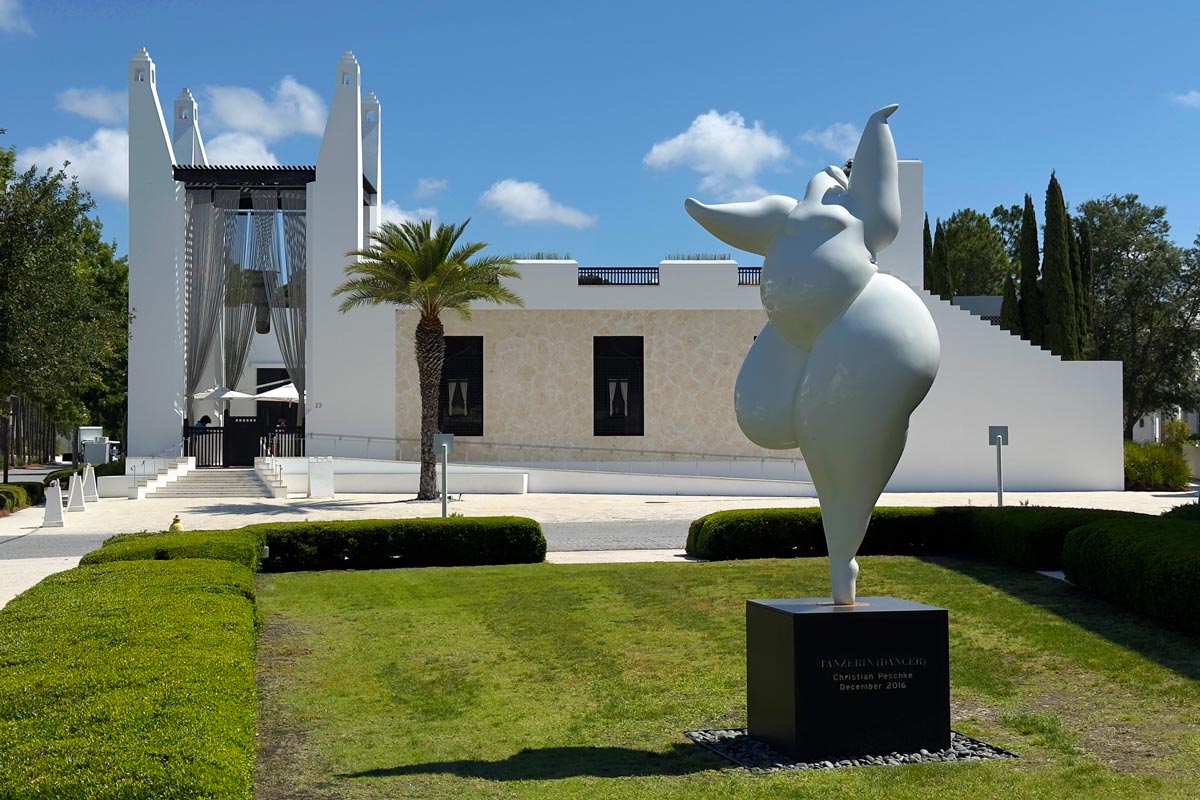
At the entrance to the town stand small white towers in formal rows. Locals call them butteries. They are pyramid-shaped stone columns with steepled roofs that look, at first glance, like miniature lighthouses or ceremonial markers - purely decorative, perhaps even slightly whimsical.
They are based on something stranger.
Real butteries in seventeenth-century Bermuda were stand-alone outbuildings used to store butter, milk, and perishable food before refrigeration existed. Their thick stone walls and peaked roofs trapped a layer of cool air inside, keeping perishables viable for a few extra days in the subtropical heat. They appeared in the gardens of nearly every middle-class Bermudian household of the era.
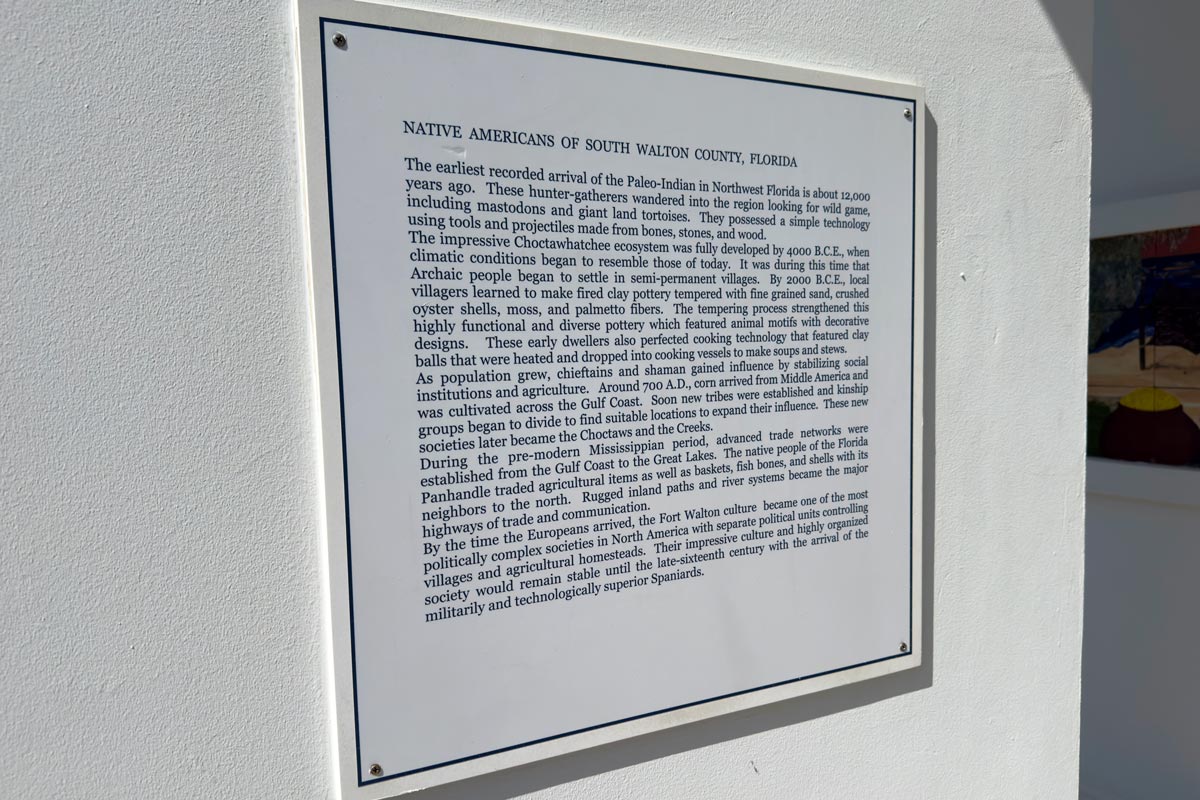
The butteries at Alys Beach store nothing. They are pure homage. Each one, however, is decorated inside with mosaic tiles narrating fragments of the town's own history and the broader story of the Florida coast. Most visitors walk past without ever realizing they are inside a small, lovingly constructed museum.
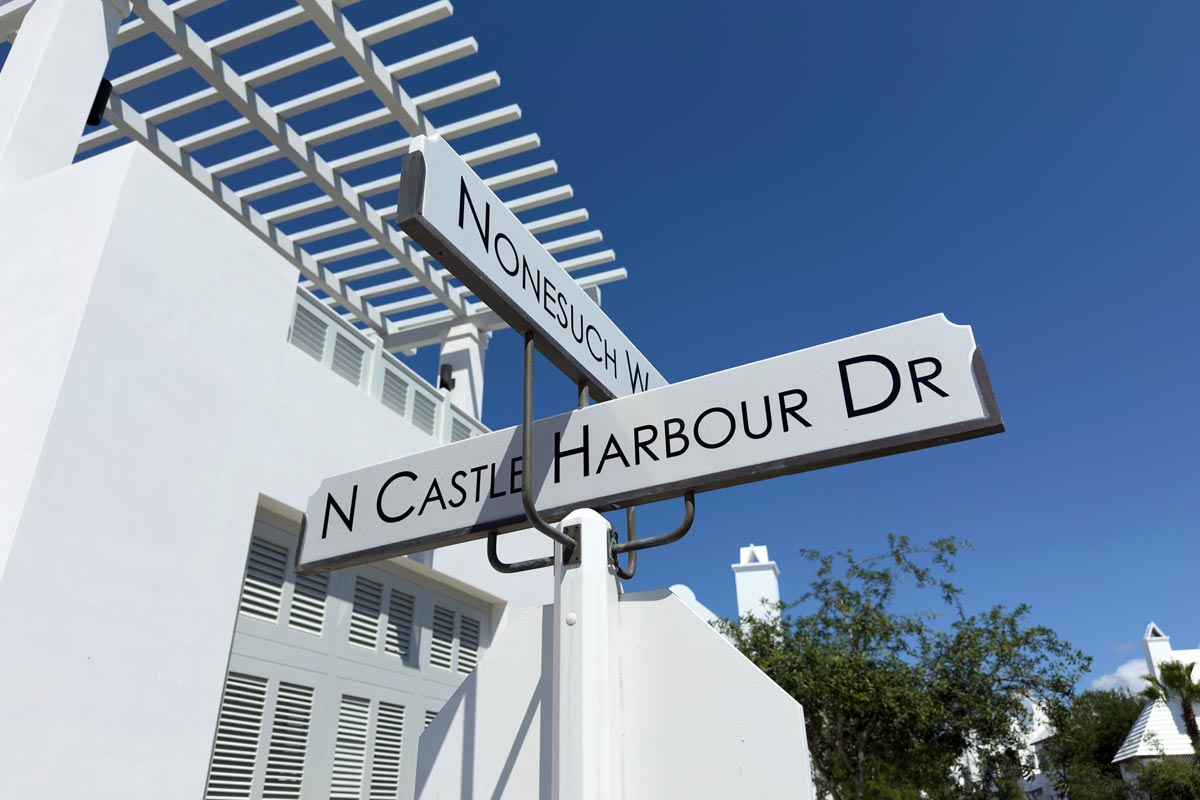
The street names complete the picture. Walking through Alys Beach, you encounter Featherbed Alley, Shinbone Court, Hogpenny Alley, Sea Foam Alley - names lifted directly from the lanes of St. George's, the seventeenth-century capital of Bermuda. The streets are not Bermudian-themed in the manner of a resort. They are renamed as a poet might quote an older line of verse inside a new poem: in acknowledgment, in gratitude, in continuity.
Digital Graffiti
Once a year, in May, the town transforms entirely. A festival called Digital Graffiti invites artists from around the world to project animated films and installations onto the white walls after dark. The streets become galleries. The buildings become canvases. For a few rare evenings each year, Alys Beach turns into a quiet, luminous open-air cinema unlike anything else in the United States.
It works precisely - almost mathematically - because two decades ago, the architects made a single, absolute decision.
They chose white.
And then, with quiet conviction, they made certain no one would ever be permitted to choose otherwise.