
The new BMW 5 Series Sedan
The new BMW 5 Series
The BMW 5 Series is one of those cars that clearly shows how the very idea of a business sedan has changed. In the past, buyers expected such a model to offer status, comfort and confident performance. Today, that is no longer enough. A modern executive sedan must also be digital, semi-automated, efficient, customizable and visually fresh enough not to look outdated next to the new generation of electric vehicles. The updated BMW 5 Series Sedan of the G30 generation became exactly that kind of transitional car: classic in form, but much more modern in substance.
This was not a full generational change, but rather a precise and meaningful modernization. BMW strengthened what the 5 Series has always been valued for: a representative appearance, a sporting character, a comfortable interior and the technological feel of an expensive automobile. At the same time, the update brought a more expressive design, improved driver assistance systems, a new digital environment, expanded navigation capabilities and additional intelligent services.
Design: more presence and composure
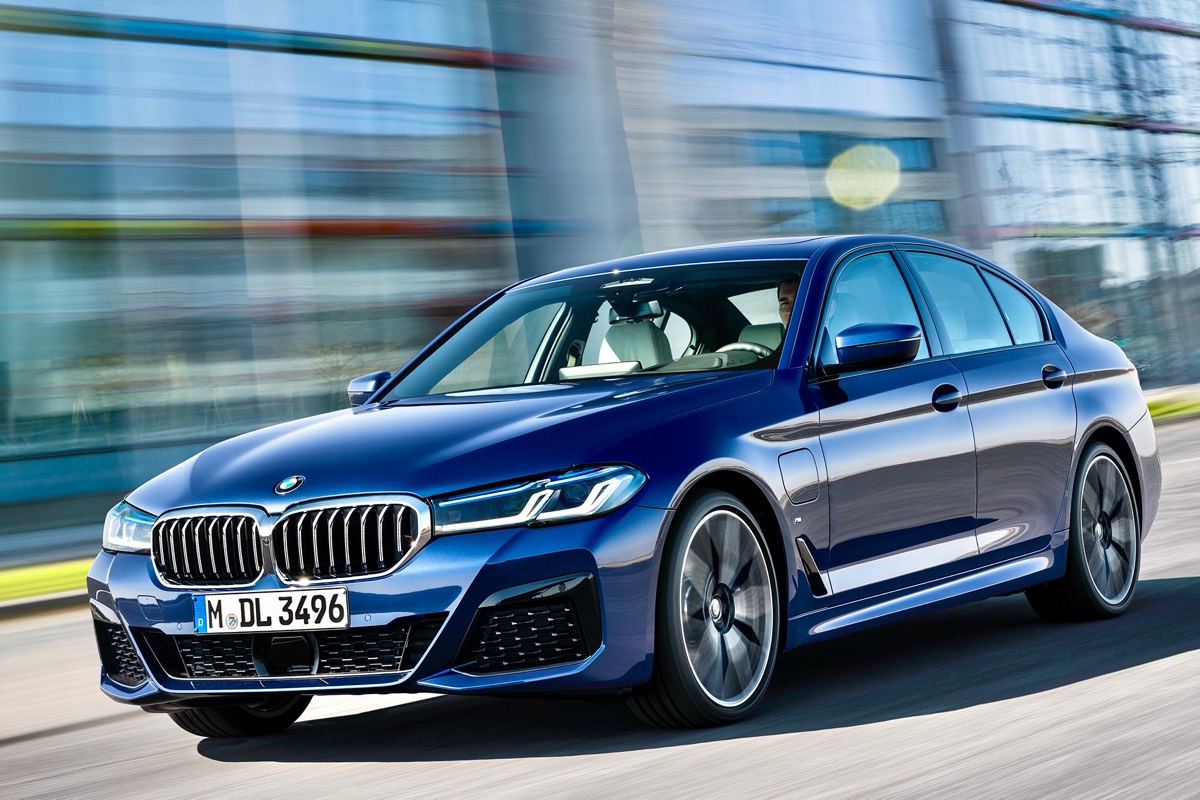
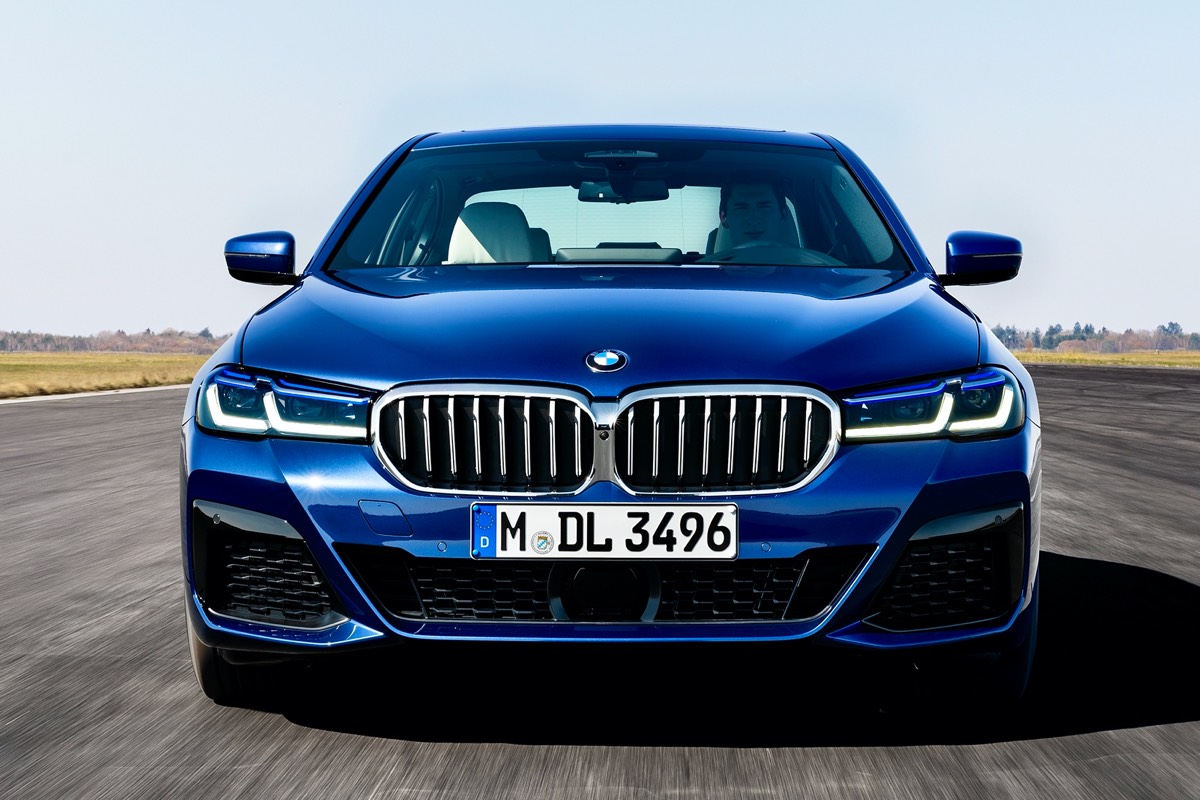
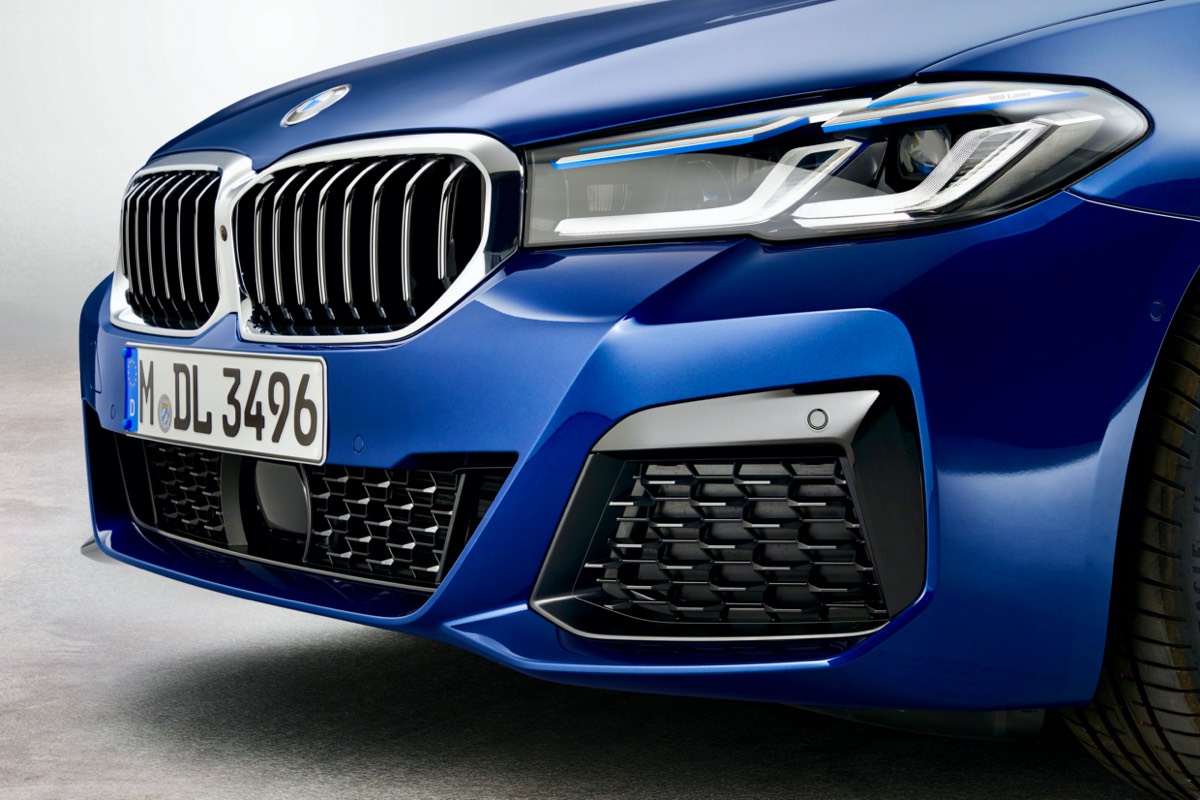
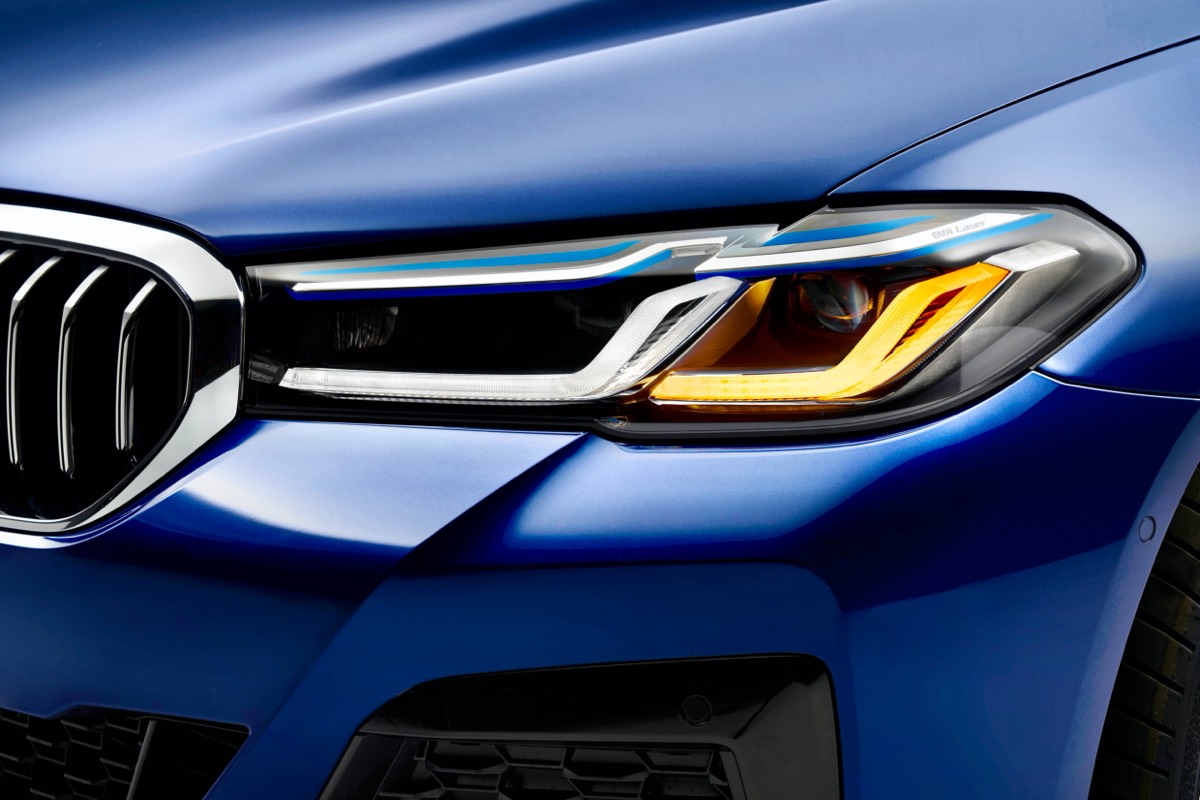
The main exterior changes are concentrated at the front and rear of the body. The updated kidney grille became wider and taller, but retained proportions that look confident rather than overly aggressive. The front end gained a clearer structure, while the new LED headlights with slimmer contours made the car’s expression more modern and more precise.
Adaptive LED headlights with matrix technology were available as an option, as was BMW Laserlight. For a business sedan, this is not merely a design issue. High-quality lighting has long been part of the premium driving experience, especially for those who often drive in the evening, on highways or outside the city.
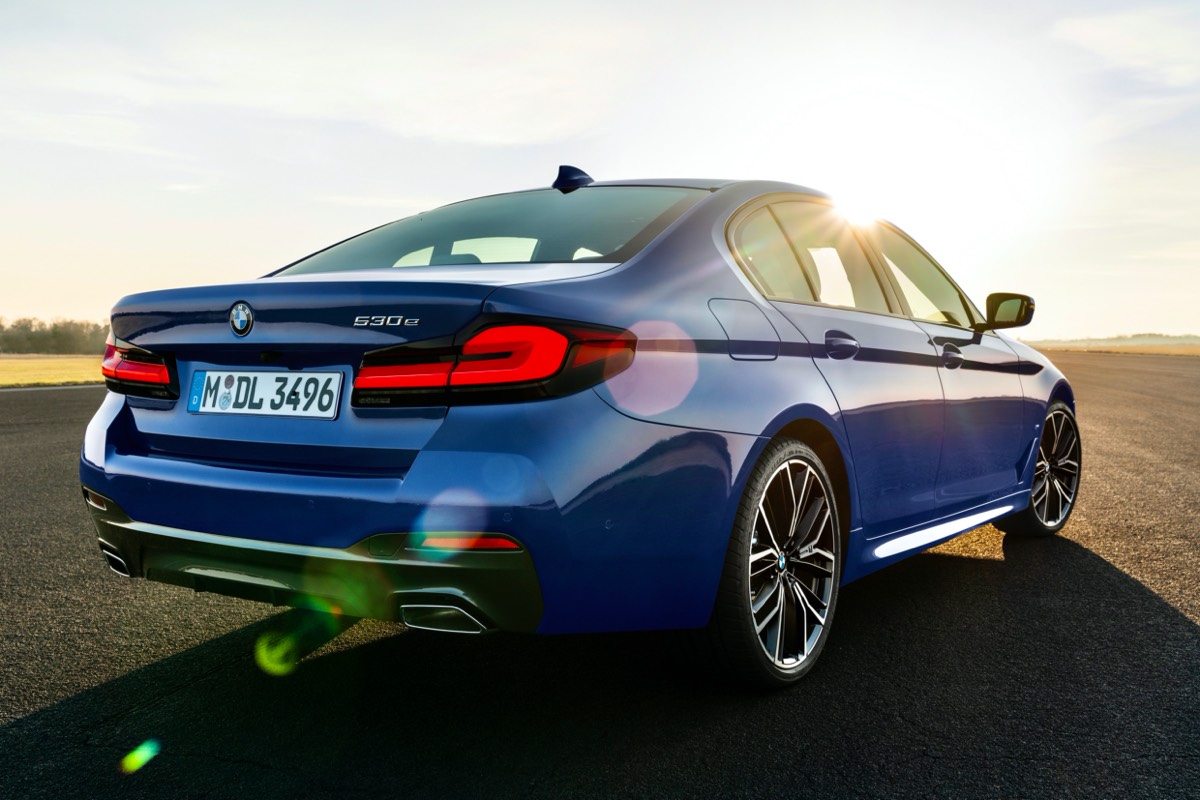
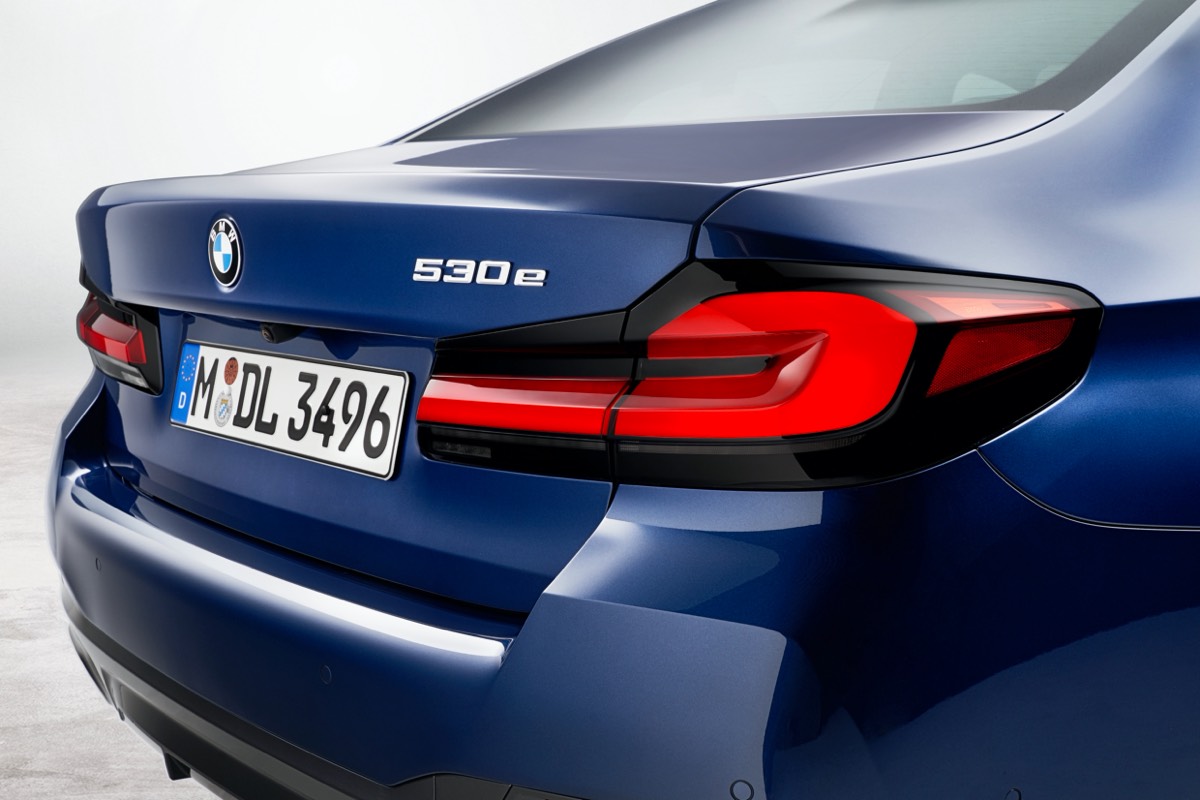
At the rear, new taillights with a three-dimensional effect appeared, while all versions received trapezoidal exhaust finishers. This is an important detail: BMW tried to make even the more basic variants look more composed and more expensive, without leaving the impression that real design begins only with the M Sport package.
New body colours and additional BMW Individual finishes were added. The M Sport package received updated design elements, while the flagship BMW M550i xDrive gained additional options emphasizing its position in the range. This version, with a 530 hp V8, remained especially appealing to buyers who wanted something close to an M car, but in a more restrained and businesslike format.
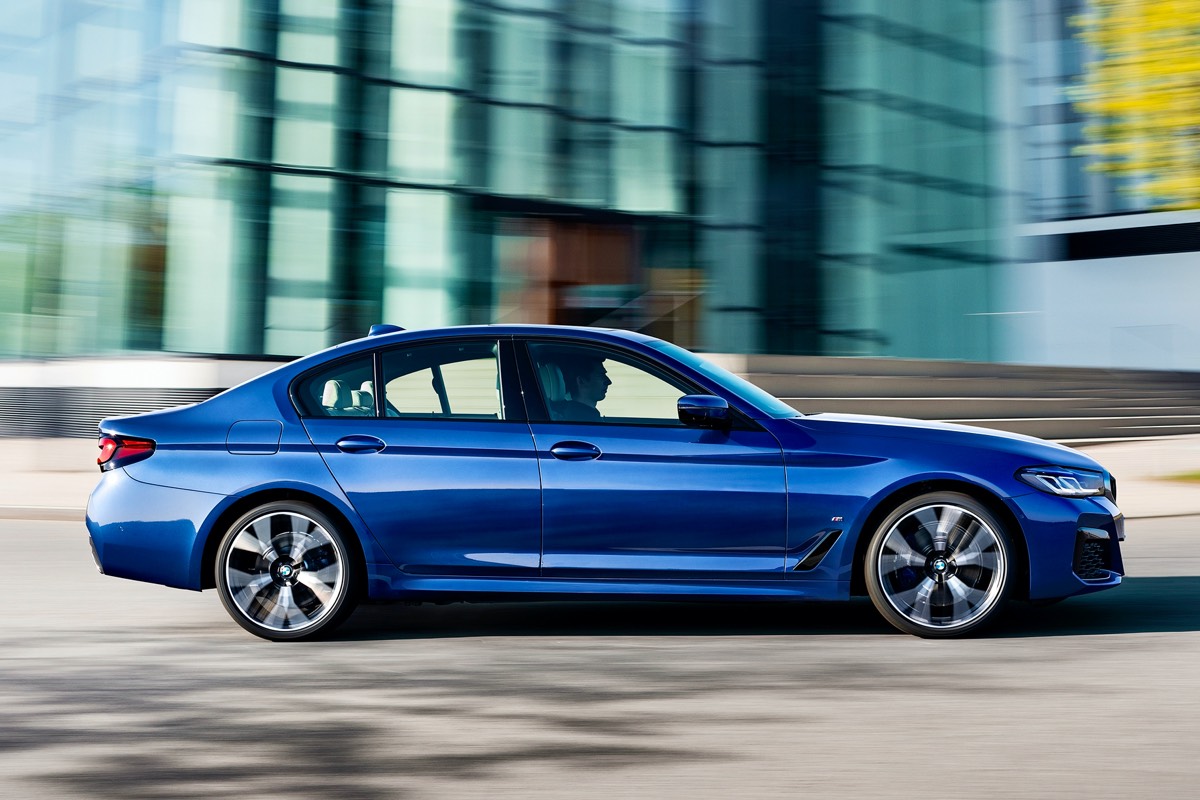
The optional M Sport braking system could be specified with blue or red calipers, while the wheel range included new light-alloy wheels from 18 to 20 inches. For the first time on the 5 Series, 20-inch BMW Individual Air Performance wheels became available - a solution where design was combined with engineering logic: lower weight and reduced aerodynamic drag helped improve efficiency.
Interior: premium quality without theatrical excess
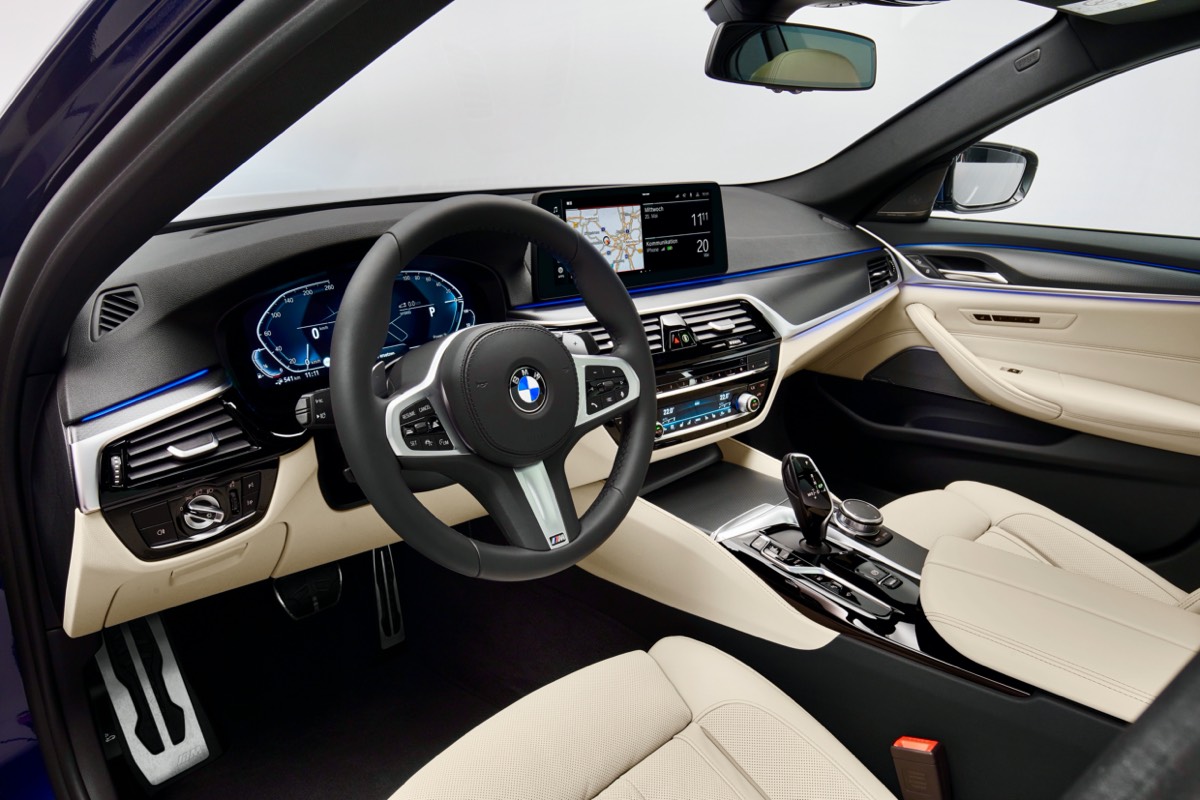
The cabin of the updated BMW 5 Series remained faithful to the model’s philosophy. This is not an interior designed to shock the passenger with one dramatic gesture. It works differently - through material quality, the logic of the controls, seating comfort and a calm sense of confidence. That is exactly how a good business sedan should feel: expensive, but not loud; technological, but not overloaded.
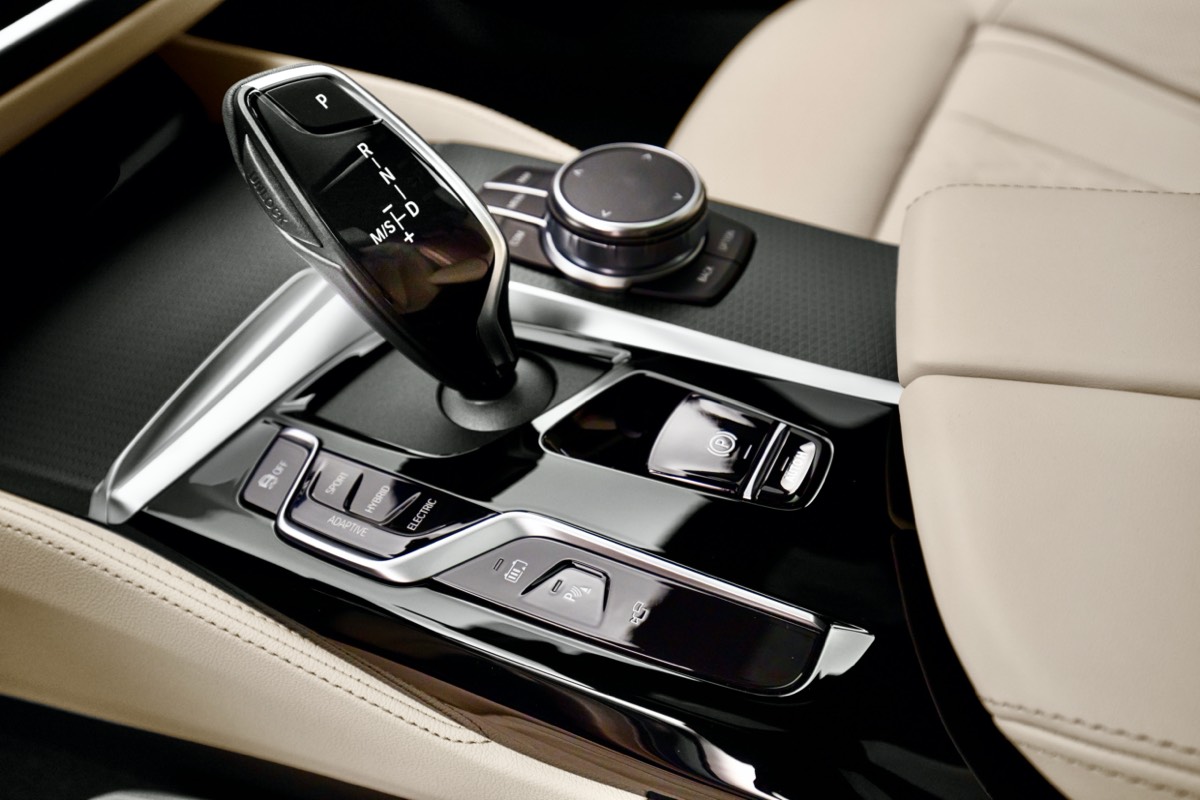
A key update was the digital interface. A 10.25-inch central display became standard, while a 12.3-inch screen was available as an option. The driver received a more modern interface, improved graphics and more personalization options. Automatic climate control with expanded functionality, a new sport leather steering wheel with a revised layout of multifunction buttons, and gloss-black trim for the centre console gave the cabin a fresher feel.
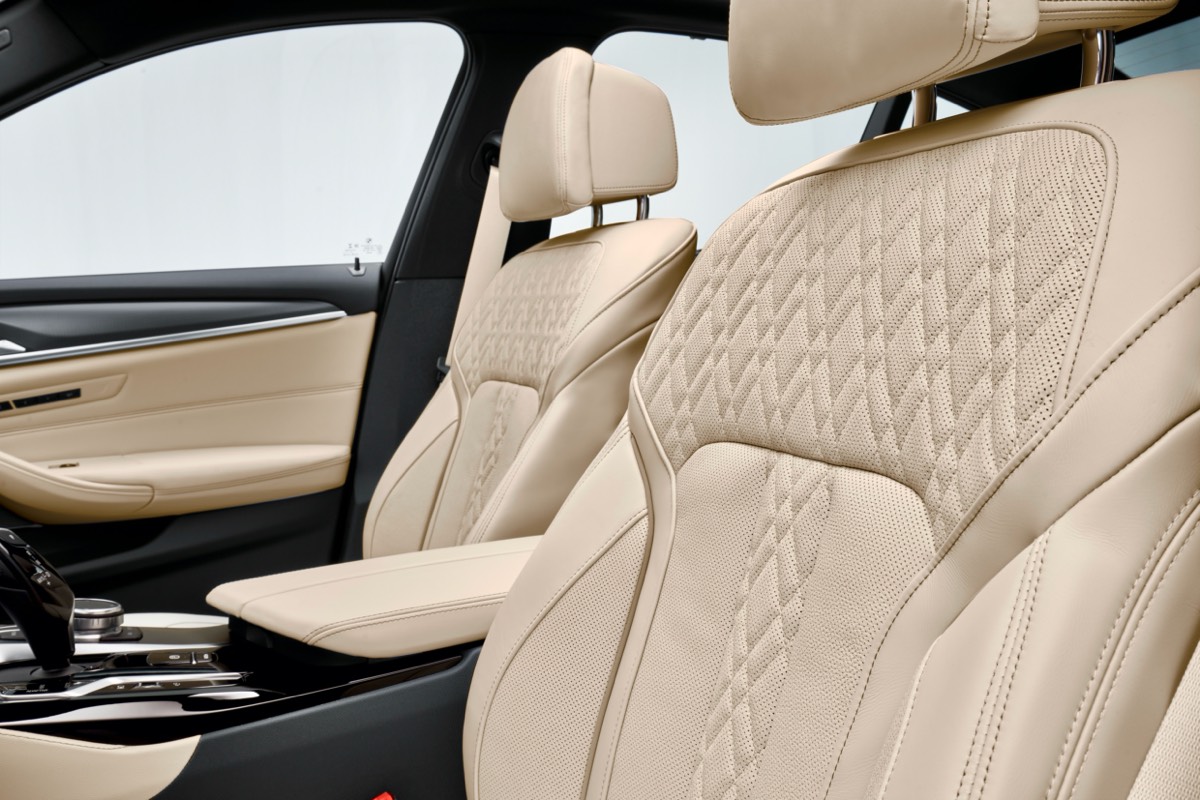
Perforated Sensatec seat trim appeared, along with new interior trim options, comfort seats and new multifunction M seats with enhanced comfort. These details matter not only for the configurator. In a 5 Series, the driver and passengers often spend a great deal of time inside the car, which means ergonomics, seat support, climate control, noise comfort and tactile quality are no less important than engine output.
BMW 5 Series M Sport Edition
At launch, BMW offered a special BMW 5 Series M Sport Edition limited to 1,000 units. It included the M Sport package, Donington Grey metallic paint previously associated with BMW M models, and exclusive two-tone 20-inch BMW Individual Air Performance wheels.
Such editions do not change the essence of the car, but they show how BMW works with the model’s image. For the 5 Series, balance is everything: the car must remain businesslike and versatile, while also being able to look more emotional, sporty and individual.
Engines and chassis: classic BMW in a modern package
The updated BMW 5 Series received enhanced BMW TwinPower Turbo technology. Four- and six-cylinder petrol engines offered optimized direct injection, while diesel versions gained two-stage turbocharging. Depending on the market, the engine lineup could vary, but the overall meaning of the update was clear: more efficiency, cleaner emissions, better response and the preservation of the performance for which buyers value BMW.
The BMW M550i xDrive occupied a special place, with its 530 hp V8. This was the version for those who wanted serious speed, all-wheel drive and a high level of comfort without moving all the way to a full BMW M5. This car expresses the character of the 5 Series especially well: it can be calm and executive, yet becomes very fast when needed.
The optional Integral Active Steering system became more effective when manoeuvring at low speeds. For a large sedan, this is an important feature: it makes parking and city driving easier, while helping preserve stability and precision at higher speeds. As a result, the car feels lighter and more agile than its size might suggest.
Driver assistance: a step toward calmer driving
New and enhanced driver assistance systems were among the key parts of the update. This is not fully autonomous driving, but it is an important step toward safer, calmer and less tiring journeys.
The lane departure warning system, part of Driving Assistant, gained a lane return function. Driving Assistant Professional included an expanded set of functions, including Active Navigation, lane-keeping support, collision warning and braking to a complete stop in certain situations.
The 3D visualization of the surrounding area on the instrument cluster was particularly interesting. It showed the traffic situation and possible intervention from the assistance systems, helping the driver understand not only what the car was doing, but why it was doing it. This is an important part of trust in modern driver assistance systems: technology must be not only intelligent, but understandable.
The optional Parking Assistant included Reversing Assistant - a function that helps the car reverse along the last metres of a path already driven. In narrow courtyards, parking areas and tight driveways, this can be surprisingly useful. Parking Assistant Plus could also include BMW Drive Recorder, which uses the cameras of the driver assistance systems to record short video clips around the vehicle.
BMW Operating System 7.0 and a new digital logic
Standard BMW Operating System 7.0 opened up new personalization, application and intelligent service possibilities for the 5 Series. BMW Intelligent Personal Assistant gained expanded functionality and made interaction with the car feel more natural. The driver could speak to the system, change settings, receive suggestions and control selected functions without repeatedly moving through menus.
BMW Maps was another important update. This cloud-based navigation system calculates routes and arrival times faster and more precisely, using real-time traffic data. In a modern business sedan, navigation is no longer simply a map on a screen. It is part of the overall efficiency of the journey: less stress, fewer wasted minutes, better route planning and more confident movement through the city.
Why this update remains interesting
The updated BMW 5 Series Sedan is interesting precisely because it became one of the last major steps of the classic business sedan before the new era of electrification and radically digital interiors. It still has the familiar BMW architecture, the traditional driving position, strong petrol and diesel engines and the physical feel of a substantial road car. At the same time, it already offers a digital ecosystem, advanced assistance systems, cloud navigation, personalization and the logic of semi-automated driving.
This makes the model especially appealing for those who do not want to choose between the old school and the new era. The BMW 5 Series remains a car for people who value status, comfort, handling and quality, while offering enough technology to avoid feeling outdated next to newer competitors.
The real strength of this 5 Series is not one dramatic innovation, but balance. It does not try to be the most provocative car in its class. It does something else: it carefully combines executive presence, sporting charm, a premium interior and modern digital functions. That balance is exactly why the BMW 5 Series has remained one of the defining benchmarks in the business-sedan segment for decades.