
What credit score do we start with in Canada?
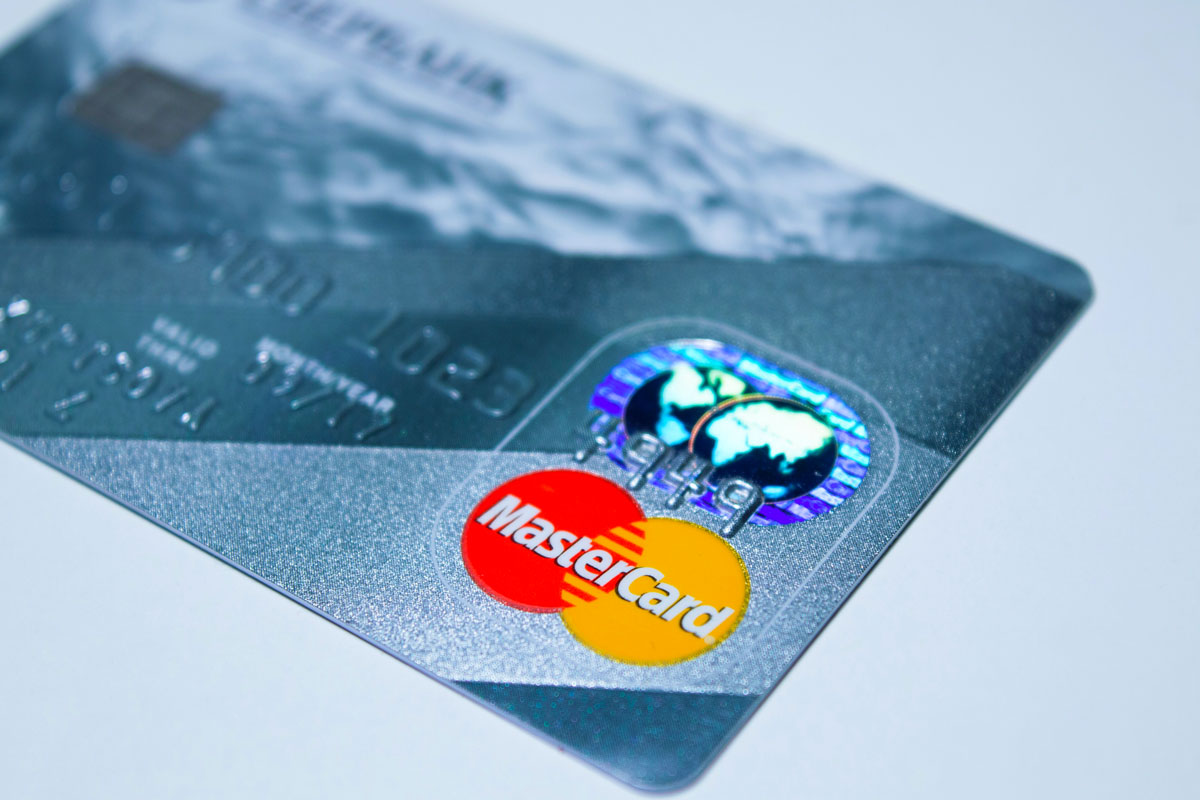
Your first credit product in Canada is not just a plastic card in your wallet. It is the moment when the financial system begins watching how carefully you handle borrowed money. For a young person, a newcomer or anyone starting over financially, this can feel intimidating: yesterday you had no Canadian credit history, and today a few small decisions may affect the terms on which you can later get a credit card, car loan, mortgage or line of credit.
In Canada, credit scores usually range from 300 to 900. The higher the number, the more reliable you appear to banks and other lenders. A strong score does not guarantee approval for every loan, because a lender will still look at income, debt, employment, down payment and other factors. But a strong credit history almost always helps you qualify for better terms, lower interest rates and more financial flexibility.
The most important thing to understand is this: most people do not start with a score of 300. In reality, you begin with no credit score at all. Until the credit bureaus have enough information about your behaviour, there is nothing to calculate. A credit history is created when you first borrow money or apply for credit, and lenders begin reporting information to Equifax Canada and TransUnion Canada - the country’s two main credit bureaus.
Your first score usually does not appear instantly. It takes several months of credit activity before the system has enough data. That is why the first six months are especially important. During this period, you are not “repairing” a score - you are essentially building your financial reputation from zero.
How credit history begins
Most Canadians begin building credit history with a credit card they can obtain independently at around age 18 or 19, depending on the province. Many immigrants follow a similar path, even if they had a strong financial reputation in another country. The Canadian system generally evaluates Canadian credit history, which means a newcomer often has to start again locally.
Once you begin using a credit card, the bank reports your limit, balance, payments and overall account behaviour to the credit bureaus. Later, this may be joined by a car loan, line of credit, student loan, mortgage, phone account or other accounts, if they are reported to the bureaus. Gradually, a credit file is created, and your credit score is calculated from that file.
When the first information is processed, your score often lands somewhere in the middle range rather than at the very bottom. You have not yet had time to seriously damage your reputation, but you also do not yet have a long enough history to look like a highly reliable borrower. A high score is not built with one good payment; it is built through repeated proof of discipline.
What affects a credit score
Equifax and TransUnion may use different scoring models and may not always have exactly the same information. That is why your score with one bureau can differ from your score with the other. But the basic logic is similar: lenders want to know whether you pay on time, how much of your available credit you use, how long your accounts have been open, how diverse your credit history is and how often you apply for new credit.
Payment history
This is one of the most important factors. Banks want to see that you pay on time. Missed payments on credit cards, loans, phone bills or other accounts can seriously damage your credit history and remain on the report for years. Even if the amount is small, the fact of a late payment tells a lender that you may be risky.
The rule is simple: pay at least the minimum payment on time, every month. Better yet, pay the balance in full whenever possible. Automatic payments, calendar reminders and regular account checks may sound boring, but these are exactly the habits that build a strong credit profile.
Credit utilization
The second key factor is credit utilization - how much of your available limit you are using. If you have a card with a $1,000 limit and a $700 balance, your utilization is 70%. To lenders, this may look like a sign of pressure, as if you depend too heavily on borrowed money.
The Financial Consumer Agency of Canada recommends trying to use less than 30% of your available credit. This does not mean going over that level automatically destroys your score, but the closer your balance gets to the limit, the worse it can look to scoring models. If you want to build credit carefully, keep balances low, do not max out your card and do not use the entire limit just because it is available.
Length of credit history
Banks like to see a long record of responsible behaviour. If you are just starting, you do not yet have this advantage. That is why your first credit card should be treated not as a temporary tool, but as the foundation of your future financial reputation.
Do not close an old card without a good reason, especially if it was your first credit product and does not have a high annual fee. Even if you use it rarely, its age may work in your favour. A long and clean history often looks more convincing to lenders than several new accounts opened recently.
Credit mix
Lenders may like to see that you can manage different types of credit: a credit card, line of credit, car loan, student loan or mortgage. But this does not mean you should take unnecessary loans just to create a more attractive credit mix. That is weak logic.
Diversity helps when it happens naturally and when you actually need the product. Paying on time and avoiding excessive debt are far more important. A credit history should show maturity, not a desire to collect as many financial products as possible.
Credit checks
When you apply for a credit card, loan, car financing or mortgage, the lender may perform a hard inquiry - an official check of your credit history. One inquiry is usually not a problem, but too many applications in a short period can look concerning. To a lender, it may suggest that someone urgently needs money or is trying to cover old debts with new credit.
At the same time, you should not be afraid to compare offers. For certain types of credit, such as mortgages or auto loans, several inquiries within a short period may be treated by scoring models as shopping around for the best rate rather than as multiple separate attempts to borrow. That is one reason working with a mortgage broker can be convenient: the broker may check your credit history once and then send the package to different lenders without creating unnecessary separate inquiries.
Checking your own credit report or credit score is usually considered a soft inquiry and does not lower your score. Monitoring your credit is not only safe; it is a good habit.
What if you have no credit history?
If you have no Canadian credit history, that is not a disaster. It is simply the starting point. One of the most common ways to begin is with a secured credit card. For this type of card, you provide a deposit that acts as security for the bank. The limit often depends on the size of the deposit. If you fail to meet your obligations, the bank can use the security deposit. But if you use the card carefully and pay on time, it can help build credit history almost like a regular card.
Another option is a credit builder loan. This is a specialized product whose purpose is not so much to give you money immediately as to demonstrate regular payment discipline. But these products can involve costs and are not always the best choice, so they should be