
BMW i3: electric sedan that returns brand DNA
BMW has unveiled the new i3 - and it may be the most consequential electric vehicle in the company's history. Despite the familiar name, this is an entirely different machine from the quirky urban hatchback of the past. This is the first fully electric 3 Series: a ground-up Neue Klasse sedan that inherits the most emotionally charged nameplate in BMW's lineup. The 3 Series has defined what "the ultimate driving machine" means for fifty years. Now that role belongs, for the first time, to an electric car - and BMW appears to have built it without compromise.
An Electric 3 Series Built from a Blank Sheet
The new i3 is constructed on BMW's all-new Neue Klasse platform with an 800-volt architecture - not an adaptation of an existing combustion-engine model, but a clean-sheet electric design without inherited compromises. This is precisely what BMW has been missing. Earlier efforts such as the i4 were technically capable, but constrained by platforms originally designed around internal combustion engines. Those constraints no longer exist.
The new architecture delivers a lower center of gravity, improved aerodynamics, and greater range than anything BMW has produced before. The battery is integrated into the vehicle structure itself - built into the floor - reducing weight and simplifying the chassis. Sixth-generation cylindrical cells are assembled in a cell-to-pack configuration, eliminating intermediate module layers entirely. The result is a pack that is flatter, denser, and more energy-efficient. BMW has not officially confirmed capacity, but given that the i3 shares its wheelbase with the new iX3 - which uses a 108.7 kWh battery - a similar figure is widely expected.
Range That Changes the Conversation
BMW claims up to 900 km of range on the WLTP cycle for the i3 50 xDrive. For the North American market, internal testing based on the EPA cycle points to approximately 440 miles - a figure that, if confirmed, would place the i3 ahead of any current Tesla sedan, including the Model 3 Long Range (approximately 358 miles EPA) and the Model S (approximately 405 miles EPA).
In 10 minutes of high-power DC charging, the i3 can add enough energy for 400 km of WLTP-rated range. The platform also supports charging at up to 400 kW - among the highest peak rates in the industry, shared by only a handful of vehicles currently on sale.
BMW has already demonstrated the real-world potential of the Neue Klasse platform: the iX3 traveled more than 1,005 km on a single charge in controlled conditions. The i3, being more aerodynamic and lighter in silhouette, should theoretically do better still. For North American buyers, these numbers translate directly into fewer stops, greater flexibility, and genuine suitability for long-distance interstate travel.
800-Volt Charging Without Compromise
The 800-volt architecture enables peak DC fast charging of 400 kW by halving the current required compared with a 400-volt system at the same power level - reducing heat in cables and electronics and allowing thinner, lighter wiring throughout. BMW's battery preconditioning system automatically brings the pack to its optimal temperature before a charging session, ensuring maximum charge speed is available on arrival. This is particularly important in cold climates - a direct factor in the ownership experience across Canada and the northern United States, where thermal management determines day-to-day range in winter.
Technology: A New Relationship Between Driver and Car
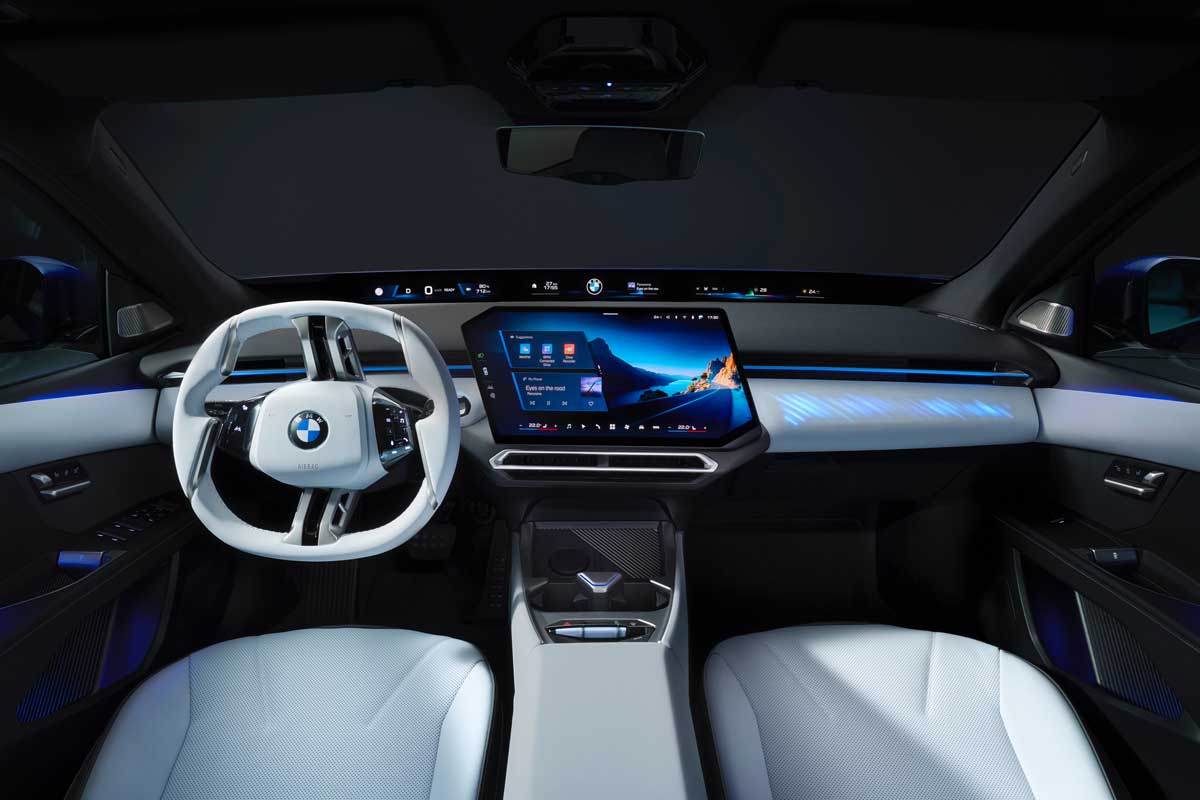
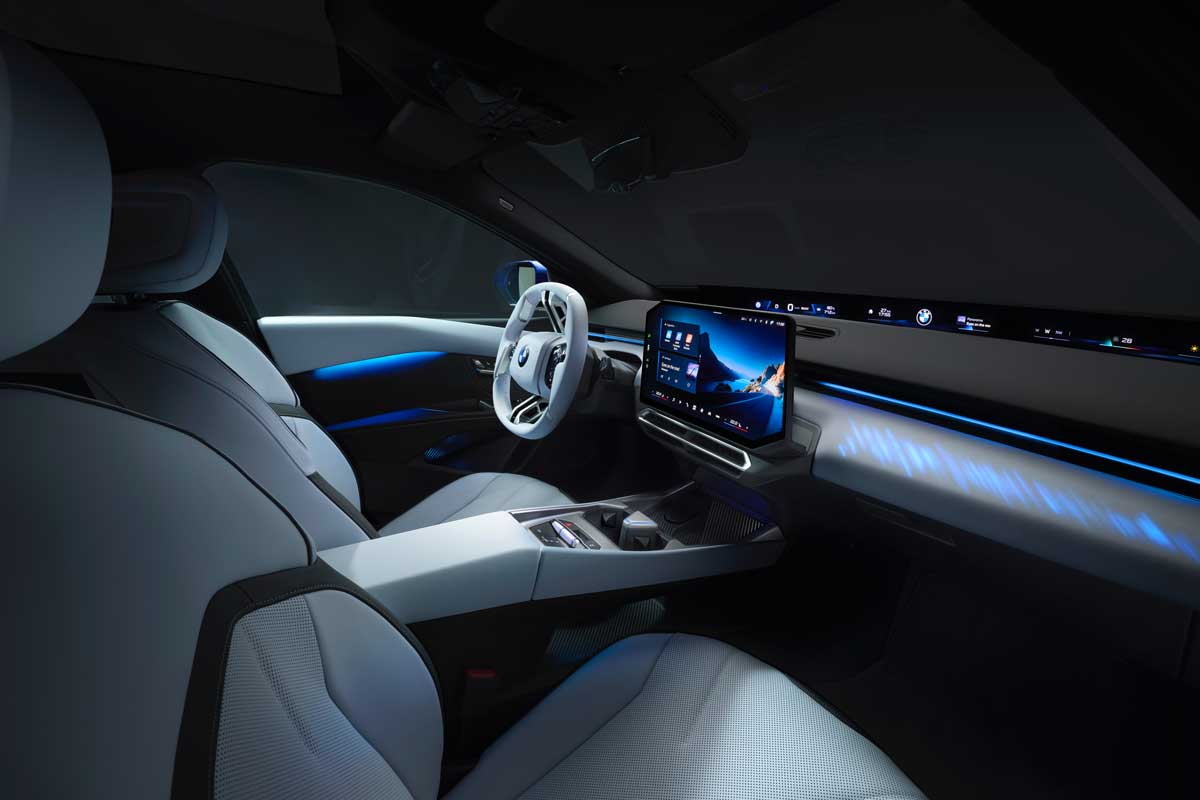
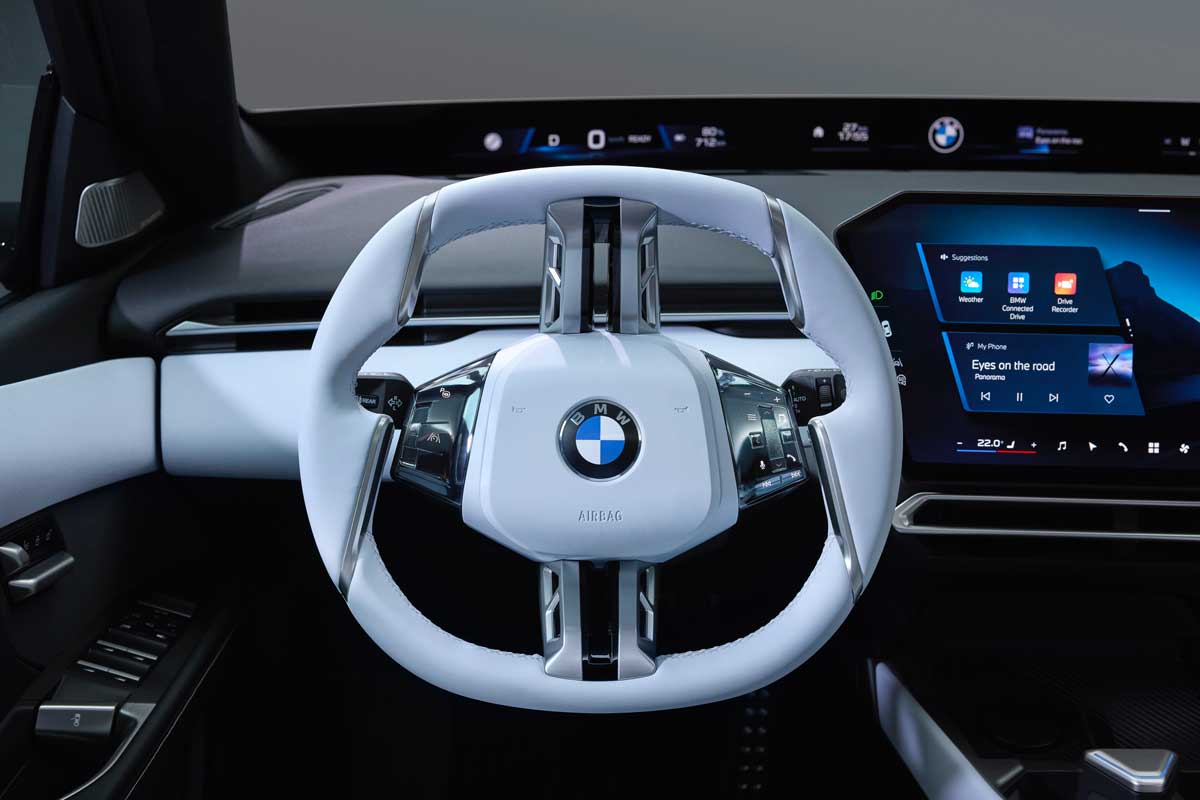
Inside, the i3 introduces BMW's Panoramic iDrive system: a wide display that projects information across the full lower portion of the windshield from A-pillar to A-pillar, accompanied by a 17.9-inch central touchscreen and an optional 3D head-up display. The interface runs on BMW Operating System X, enhanced by the BMW Intelligent Personal Assistant with Amazon Alexa+ AI technology - capable of natural conversation rather than simple voice commands. The system understands multi-part questions, generates its own contextually appropriate responses, and allows drivers to control vehicle functions, search for routes, or access information without taking their attention from the road. Alexa+ integration will roll out gradually from the second half of 2026, beginning in Germany and the United States. Over-the-air updates are standard, and a digital key replaces the conventional key fob.
Power, Dynamics, and the Character of a BMW
The i3 50 xDrive is powered by dual electric motors producing a combined 469 horsepower and 476 lb-ft of torque, with a synchronous motor on the rear axle and an asynchronous motor at the front. The setup prioritizes the rear motor for efficiency, bringing the front motor in only when grip or performance demands it - meaning the i3 behaves as a rear-wheel-drive car the vast majority of the time, with near-instant all-wheel drive available when needed.
The Heart of Joy - one of four dedicated computing units in the Neue Klasse electronics architecture - manages drivetrain behavior, braking, energy recuperation, and steering simultaneously, processing information ten times faster than BMW's previous-generation systems. BMW describes the i3 as the smoothest-braking car in its lineup: in most driving situations, all deceleration is handled through regeneration, with mechanical brakes intervening only under aggressive or emergency inputs. Optional adaptive M suspension will be available, and the lineup will expand in future with single-motor and high-performance M variants.
Design Without Excess
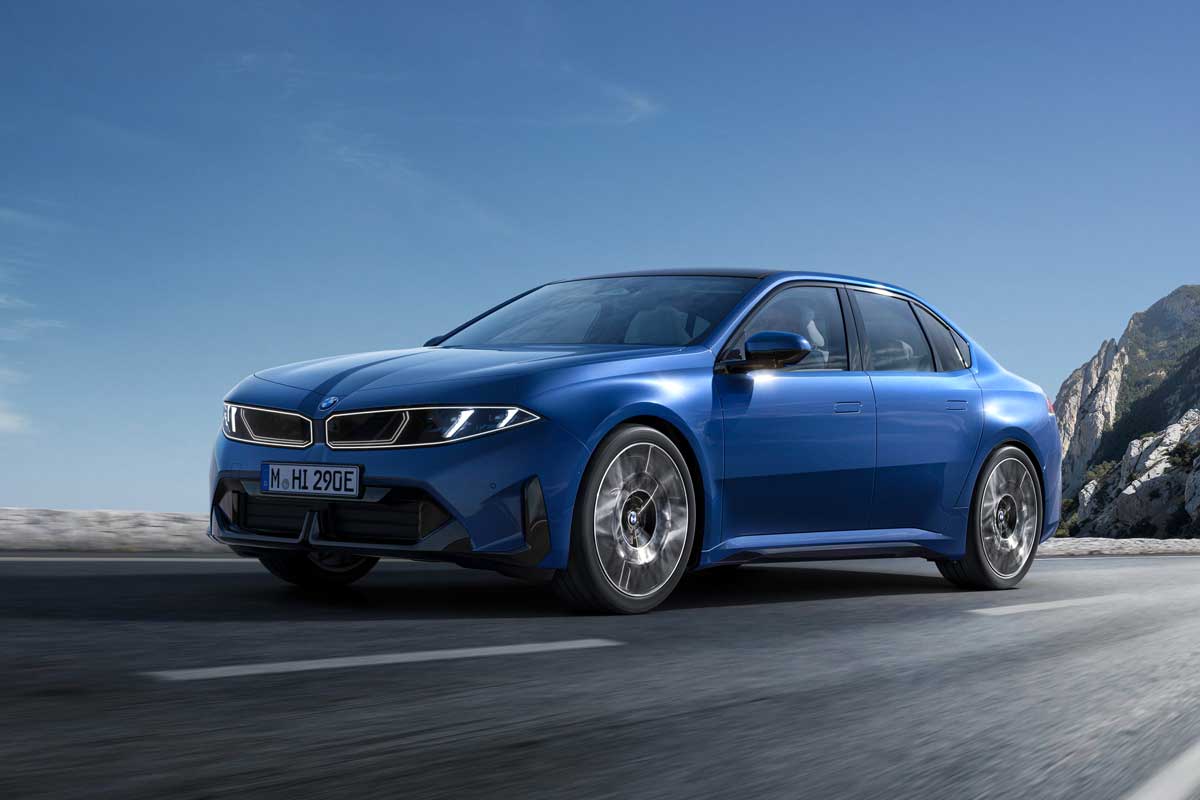
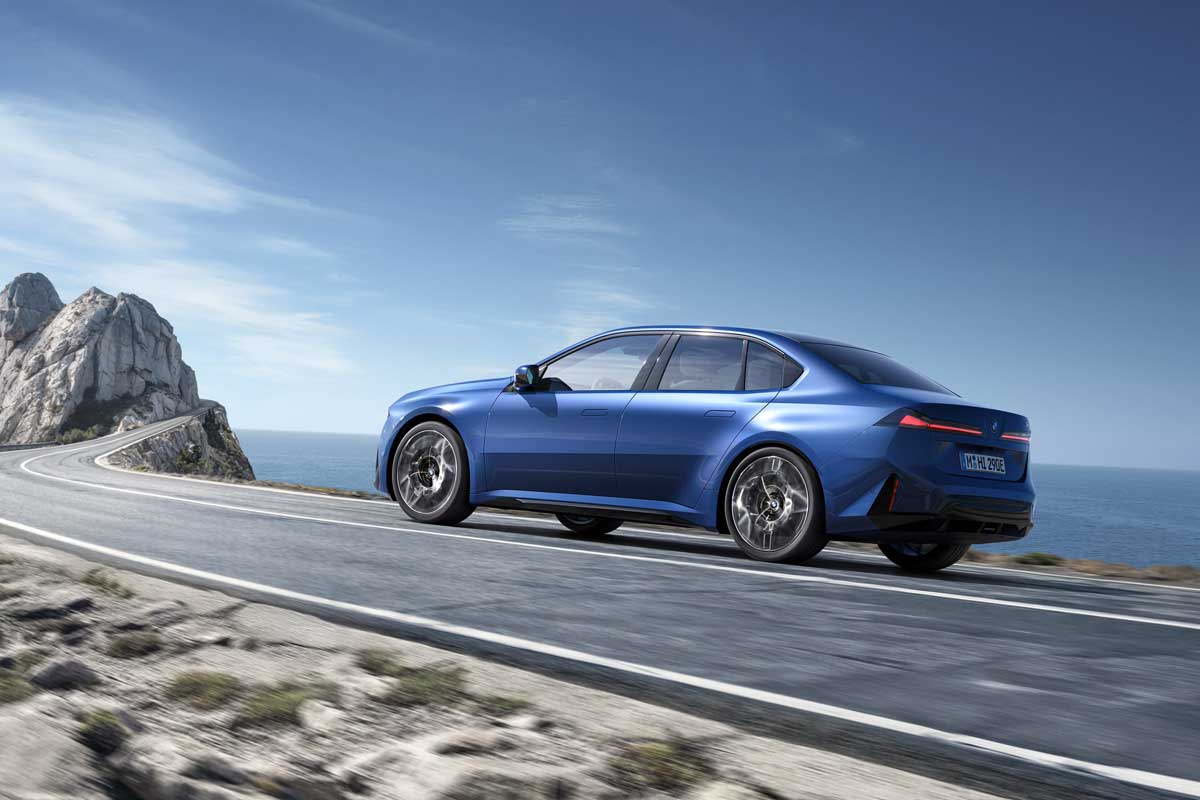
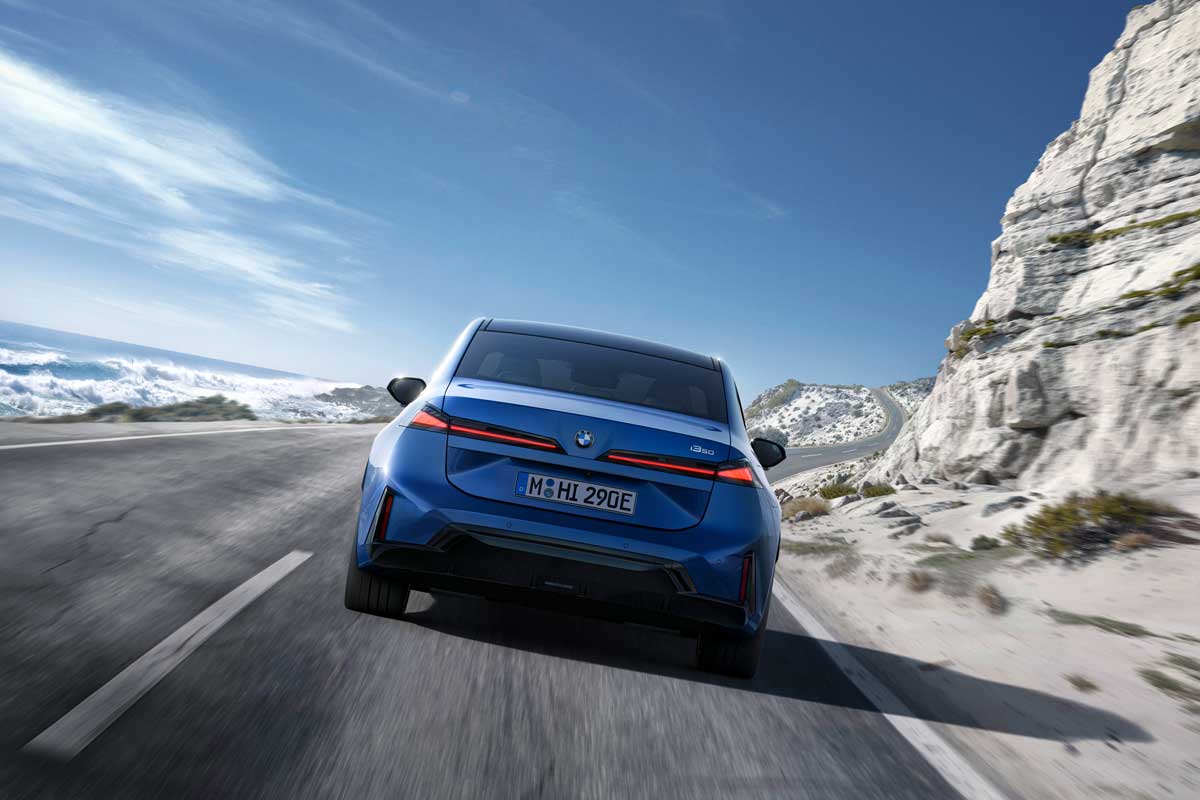
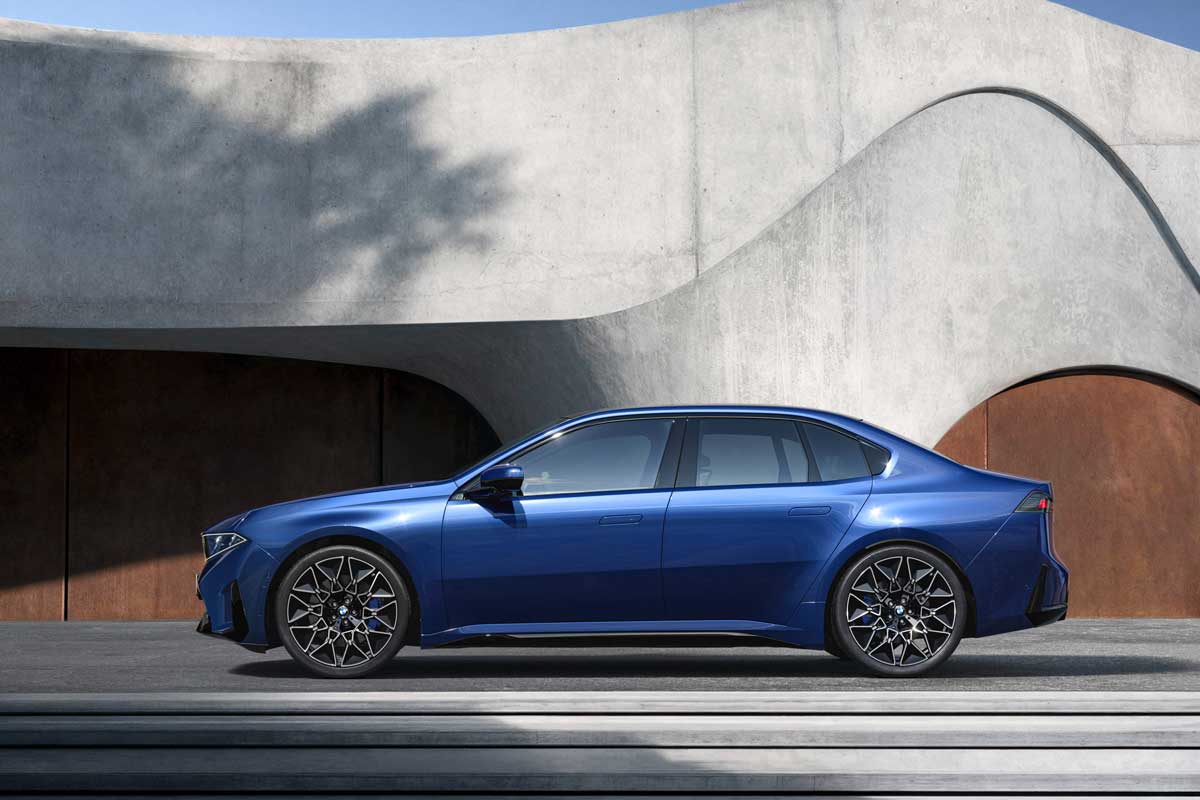
BMW has clearly absorbed the criticism of recent years. The new i3 arrives with cleaner, more resolved proportions: a sharper nose, a new lighting graphic that integrates the kidney grille and twin headlights into a single illuminated unit, and horizontal rear lamps with a reinterpreted BMW signature. The overall language is calmer, more premium, and more universally appealing - an important quality for North American buyers who tend to favor restrained aesthetics.
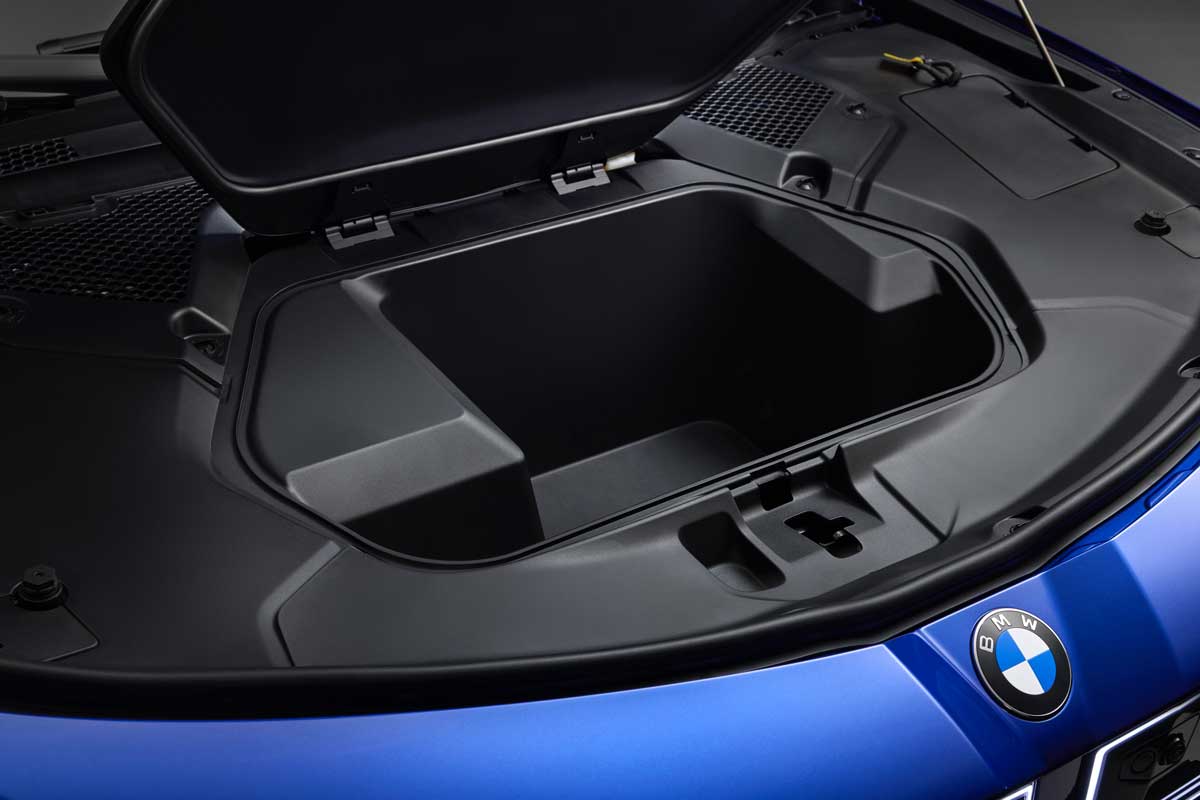
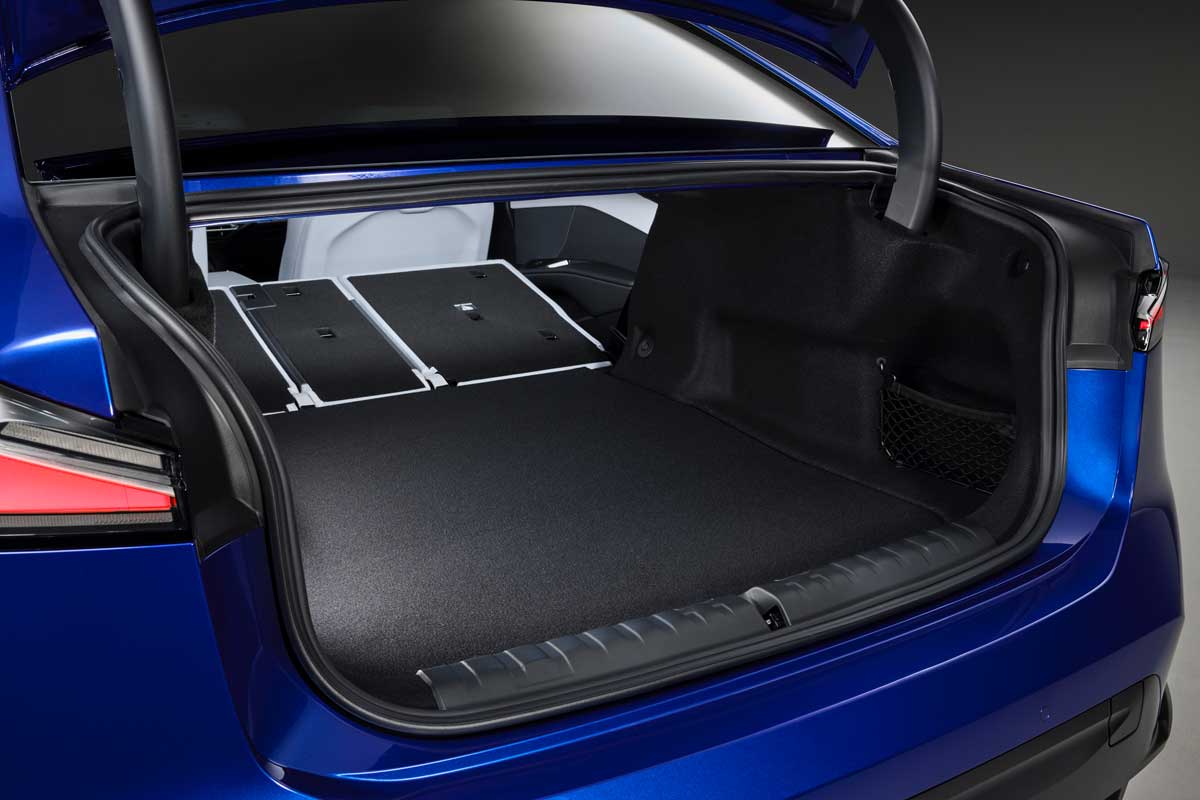
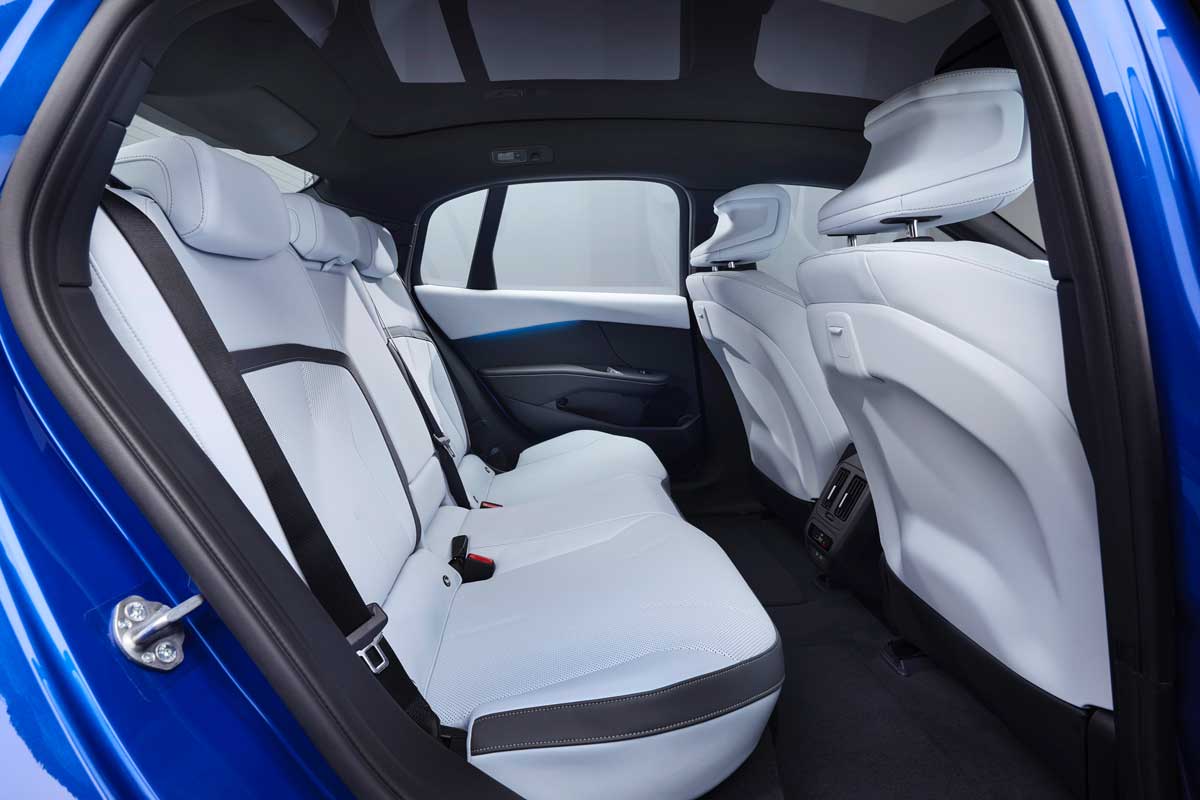
Dimensions place the i3 close to the current 3 Series: approximately 4,740 mm long, but wider and slightly taller, which translates to more interior space, a flat rear floor with room for three adults, and a front trunk in addition to the conventional trunk.
Practicality and Energy Beyond the Journey
BMW has built bidirectional charging into the i3 from the start. The Vehicle-to-Load function supplies up to 3.7 kW to external devices, while Vehicle-to-Home capability - with appropriate equipment - allows the car to serve as a home energy storage system. The charging port has a powered automatic cover: a small detail, but indicative of the level of finish BMW is aiming for throughout.
Production and Market Arrival
Production begins in August 2026 at BMW's Munich home plant - a facility that has been building vehicles for over a century and has just completed a four-year modernization, including a new body shop and assembly hall. First deliveries will follow in autumn 2026. One year after launch, the Munich plant will convert exclusively to Neue Klasse electric production. The i3 is not simply inaugurating a new model: it is inaugurating a new factory.
The new BMW i3 is not another electric car competing on specifications. It is an attempt to redefine what a BMW is in the electric era. The range numbers are impressive. The charging speed is class-leading. But the more important statement is architectural: this is the first 3 Series designed purely as an electric vehicle, with no compromises borrowed from a combustion-engine lineage, and with a clear philosophy about what it needs to be.
If BMW succeeds in preserving the handling character that has distinguished the 3 Series for five decades - and everything about the Neue Klasse platform suggests it can - then Tesla will face, for the first time in the premium sedan segment, not merely a credible alternative but a genuine rival built on equal terms.