

Mercedes GLC EV: Style, power and artificial intelligence
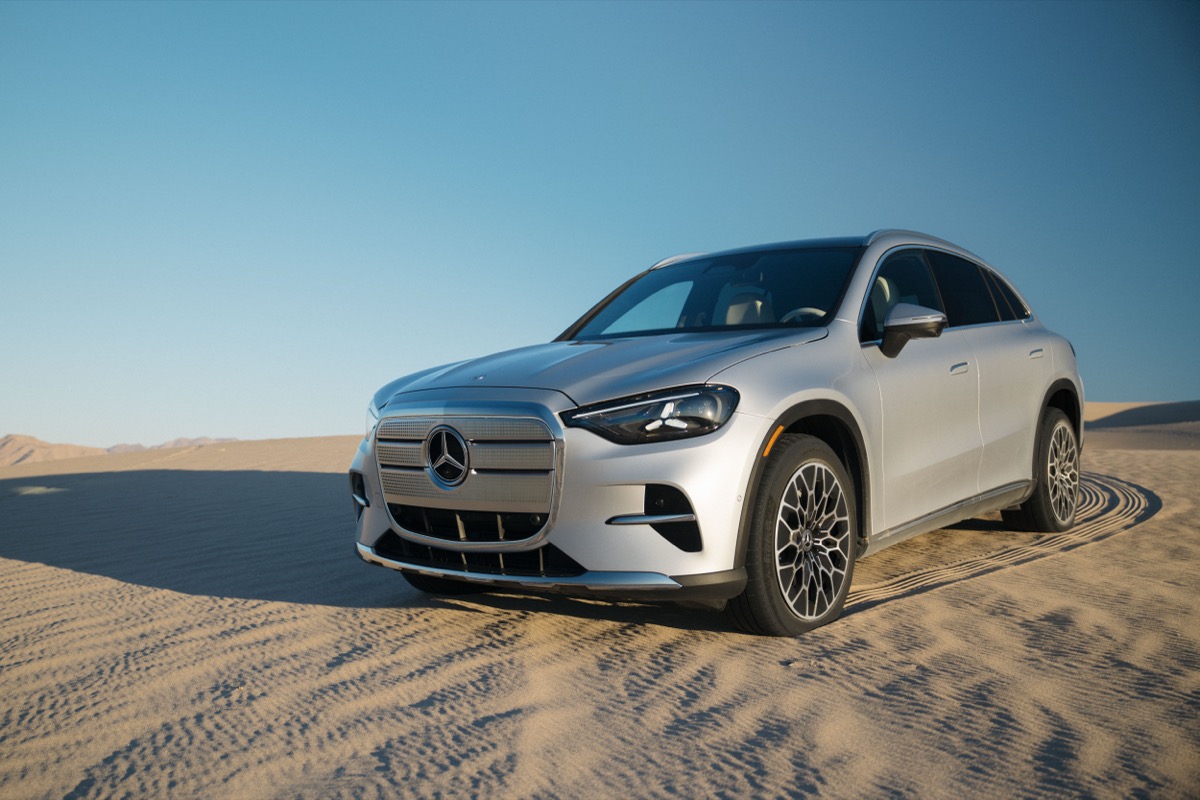
Mercedes GLC with EQ Technology: the electric vehicle Mercedes cannot afford to get wrong. Mercedes-Benz is entering a new phase of its electric story. After the first EQ models, one thing became clear: futuristic design and a famous badge are no longer enough. A premium EV buyer wants range, fast charging, familiar luxury, an intuitive interface, strong software and a design that does not feel like an experiment for its own sake. That is why the new GLC with EQ Technology is not just another electric car for Mercedes, but one of the brand’s most important models of the coming years.
The GLC has long been one of the key bestsellers in the Mercedes lineup, and bringing such a vehicle into the electric era is a serious test. Mercedes has already moved away from its previous strategy of separate EQ names. This is not a second-generation EQC in spirit, but the GLC with EQ Technology. The name may not be elegant, but the meaning is clear: this is the electric version of one of the brand’s most in-demand SUVs, not a separate experimental product standing off to the side.
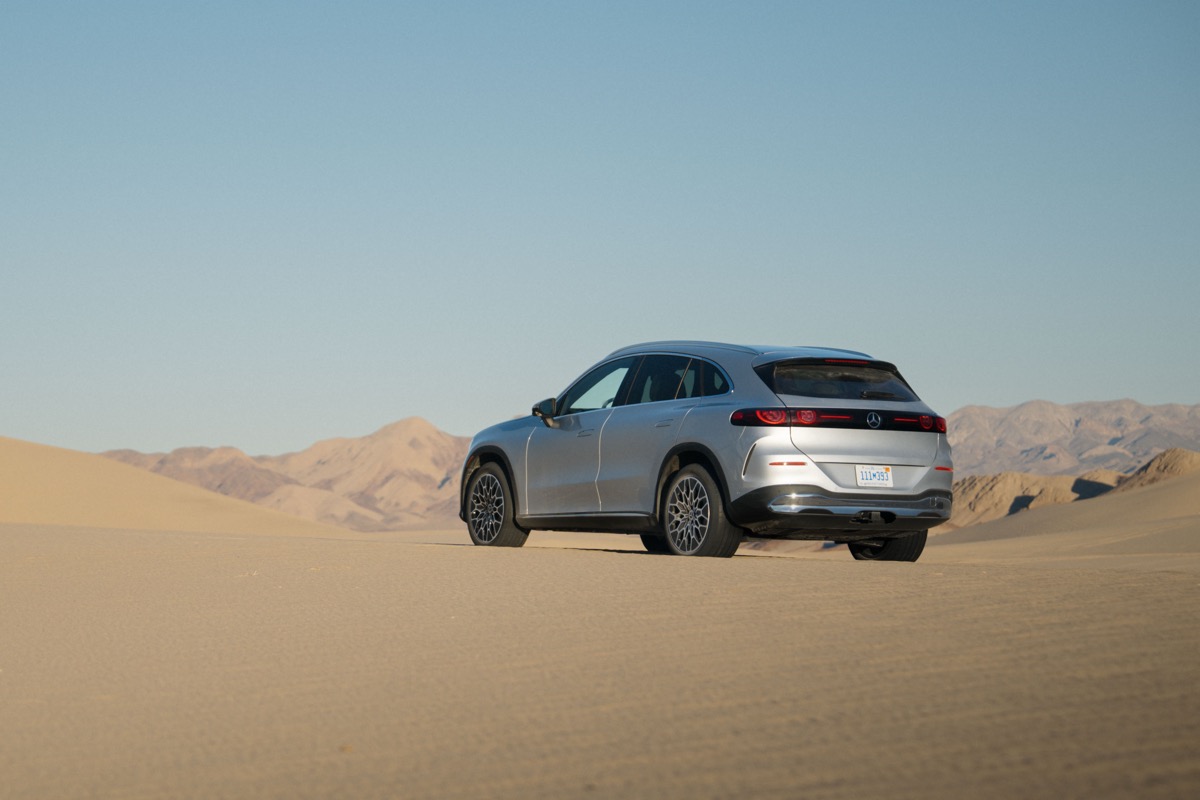
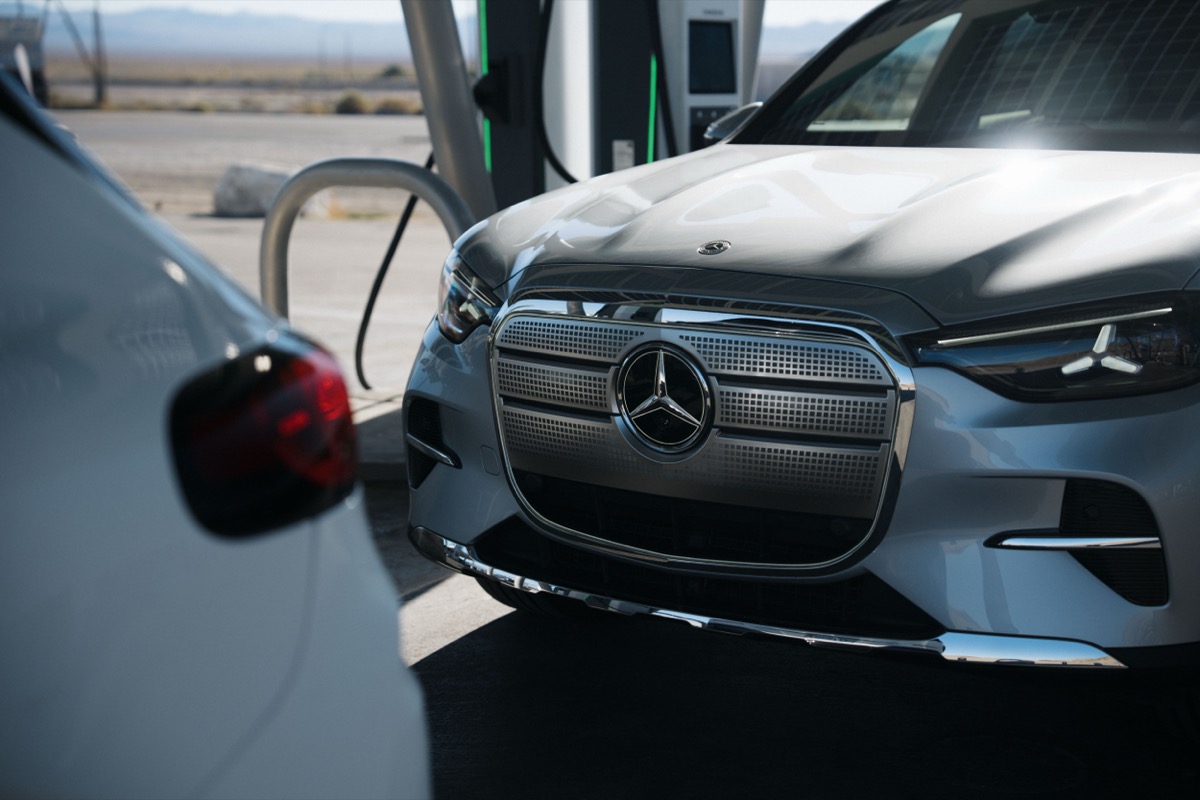
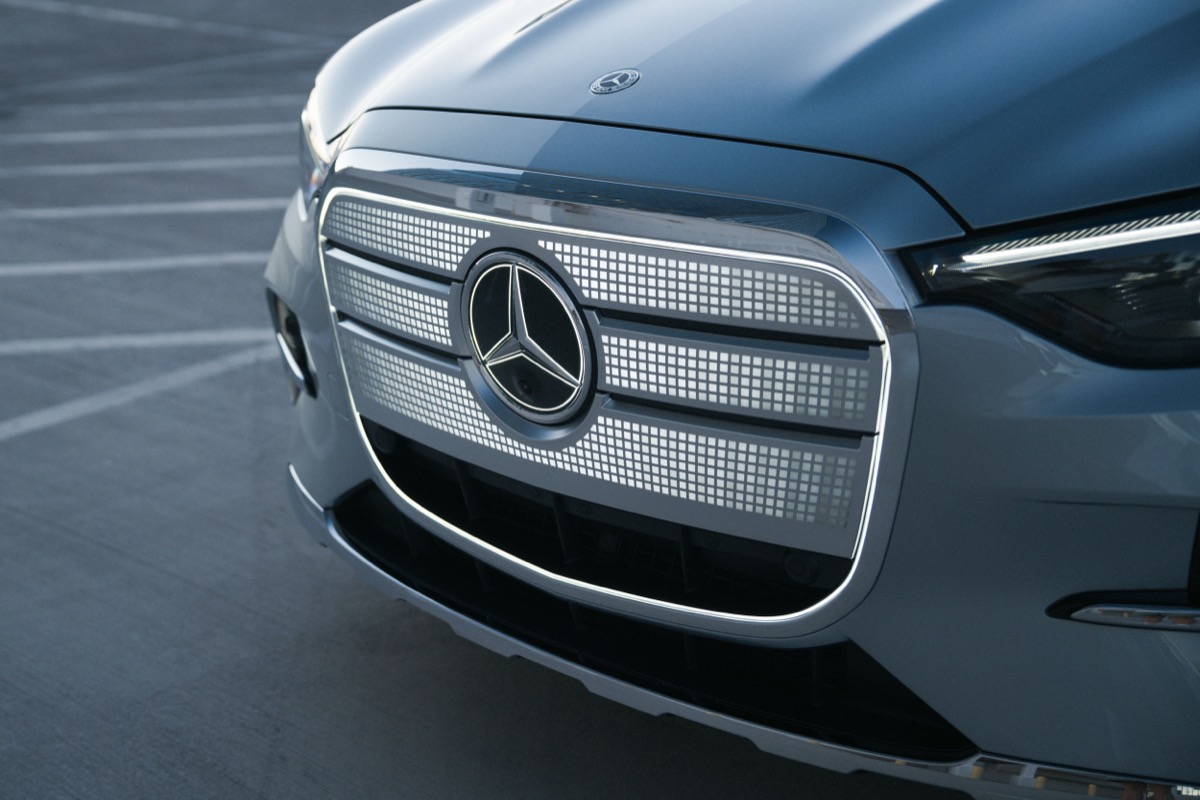
That shift matters. Mercedes is effectively acknowledging that the electric vehicle of the future does not have to look alien. It must be technological, but recognizable; modern, but not detached from the brand’s DNA. The new electric GLC is designed exactly that way: more classic on the outside, but built around a fundamentally new architecture underneath.
The GLC with EQ Technology will compete directly with the new BMW iX3, Audi Q6 e-tron, Porsche Macan Electric and other premium electric crossovers. For Mercedes, this is a segment where a weak product is not an option. Buyers here do not forgive immature software, slow charging or compromises in comfort.
The model is based on an 800-volt electric architecture, the new MB.OS software platform, over-the-air updates, more efficient powertrains and a new-generation digital cockpit. Mercedes claims a range of more than 700 km under the WLTP cycle for certain versions, making the GLC with EQ Technology one of the brand’s most ambitious electric vehicles.
Two key versions are expected at launch. The GLC 300+ with EQ Technology is a rear-wheel-drive version with around 369 hp and 503 Nm of torque. The GLC 400 4Matic with EQ Technology is an all-wheel-drive version with 483 hp and 808 Nm, capable of accelerating to 100 km/h in about 4.4 seconds. An AMG version is also expected, which makes sense: in the premium segment, electric power has become not only technology, but part of the image.
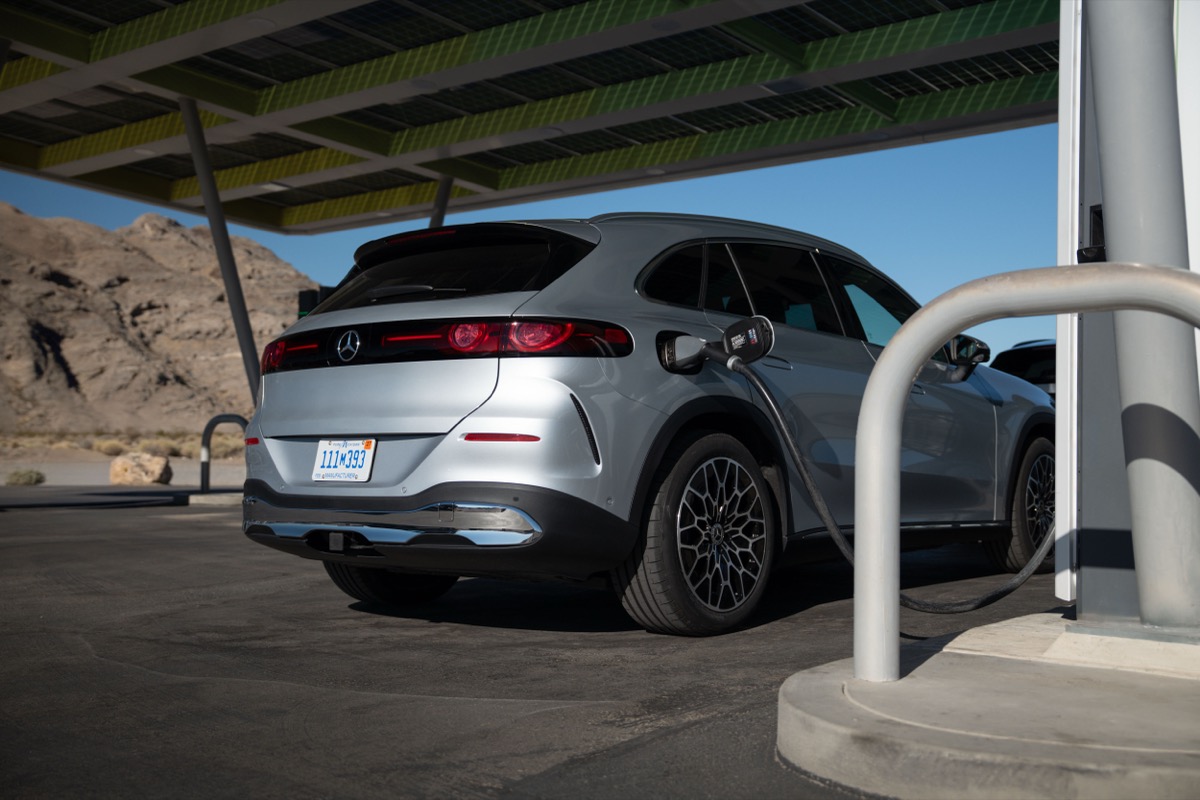
Charging should also be one of the car’s strongest arguments. Thanks to the 800-volt architecture and fast-charging capability of up to 330 kW, the battery can be charged from 10 to 80 percent in less than 24 minutes under suitable conditions. In real life, this matters more than many advertising numbers: an electric vehicle becomes convincing when a long journey stops feeling like a logistics problem.
Interior: the new digital Mercedes
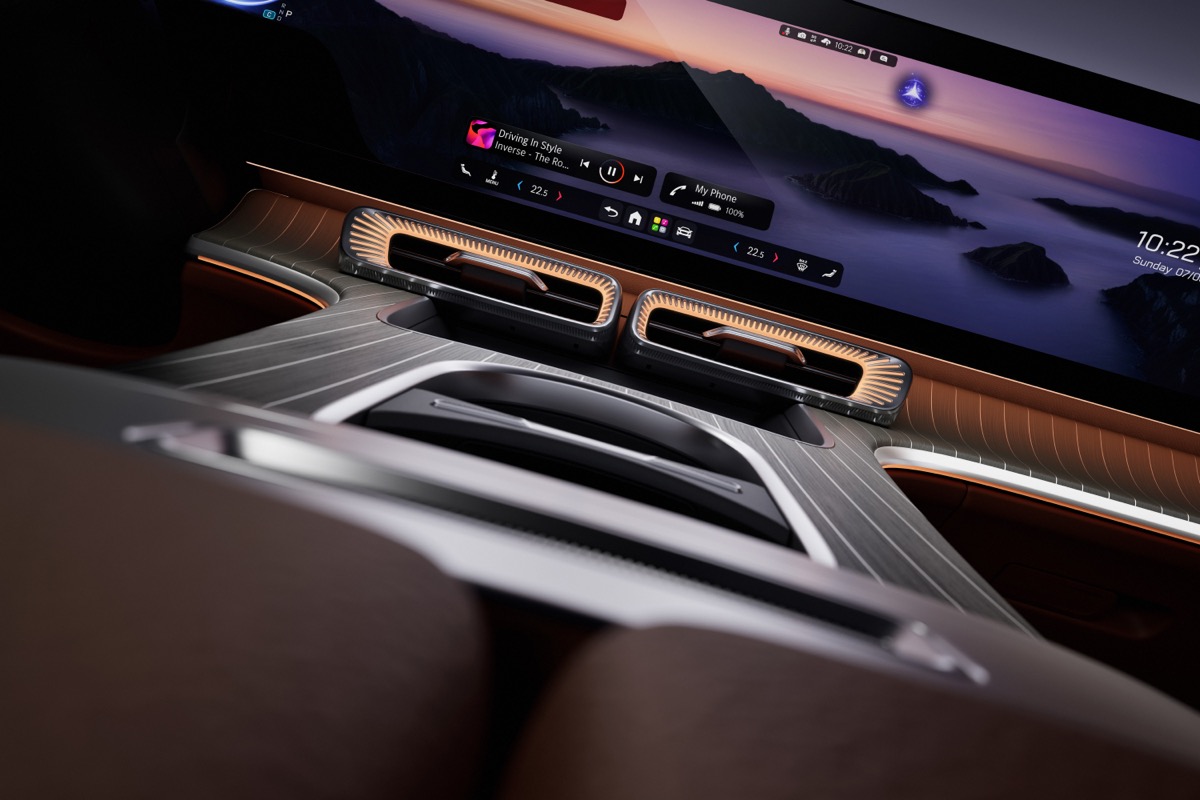
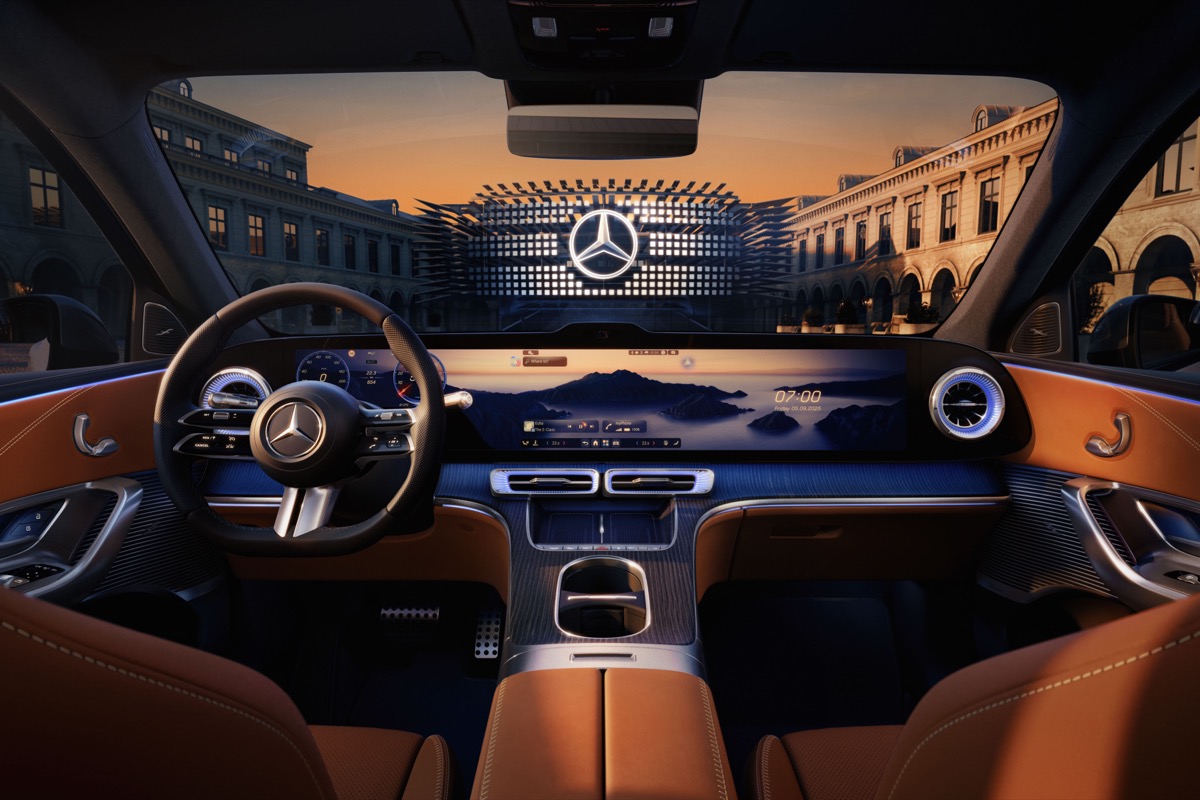
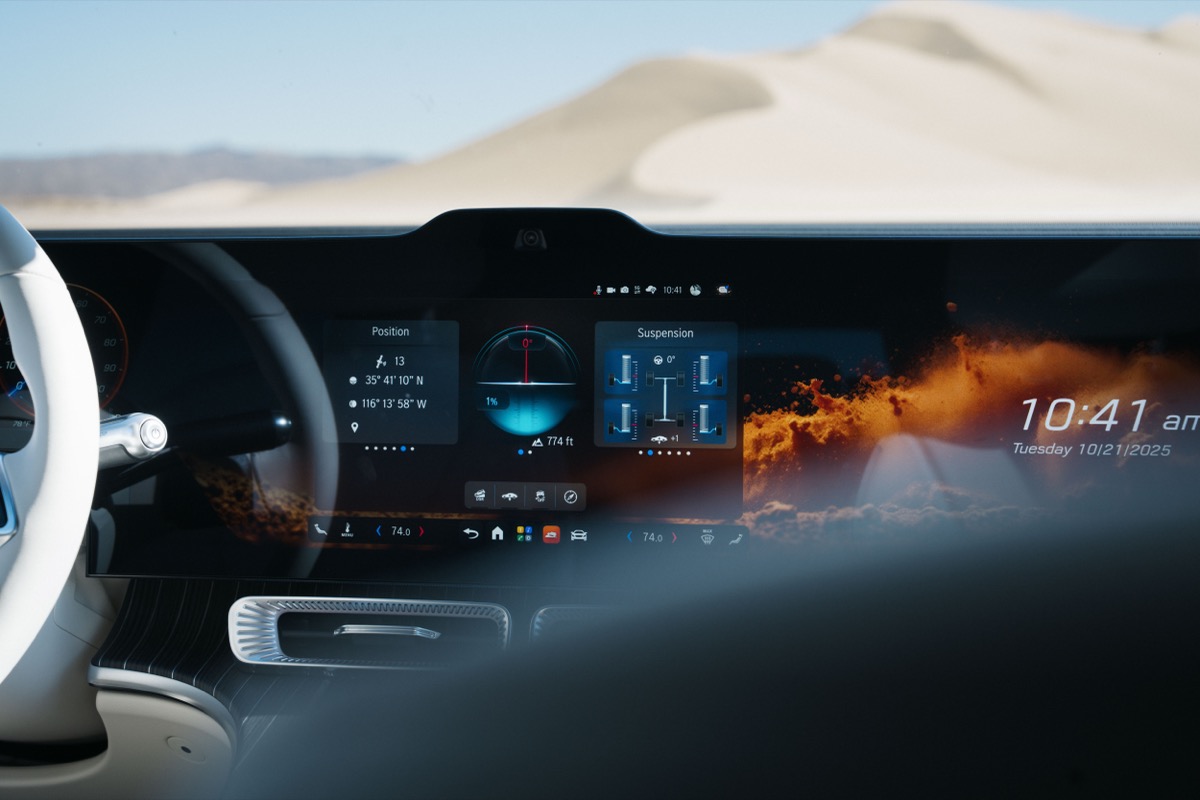
Inside, the GLC with EQ Technology becomes a showcase for the new Mercedes. In top versions, the available MBUX Hyperscreen measures 39.1 inches - the largest continuous display Mercedes has ever installed in a production vehicle. It stretches almost from pillar to pillar and creates the impression not simply of a dashboard, but of a full digital wall.
In more accessible versions, a Superscreen setup is expected with three separate zones: a digital instrument cluster, a central multimedia screen and a front-passenger display. This approach has already become the new norm in the premium segment. The passenger also receives a digital space of their own, and the vehicle becomes not only transportation, but a connected lounge.
Both systems run on the new MB.OS operating system. For Mercedes, this is crucial. In the past, German manufacturers often won on materials, engineering and comfort, but lost ground in software speed, interface simplicity and the feeling of digital ease. Now the software platform has become the main battlefield.
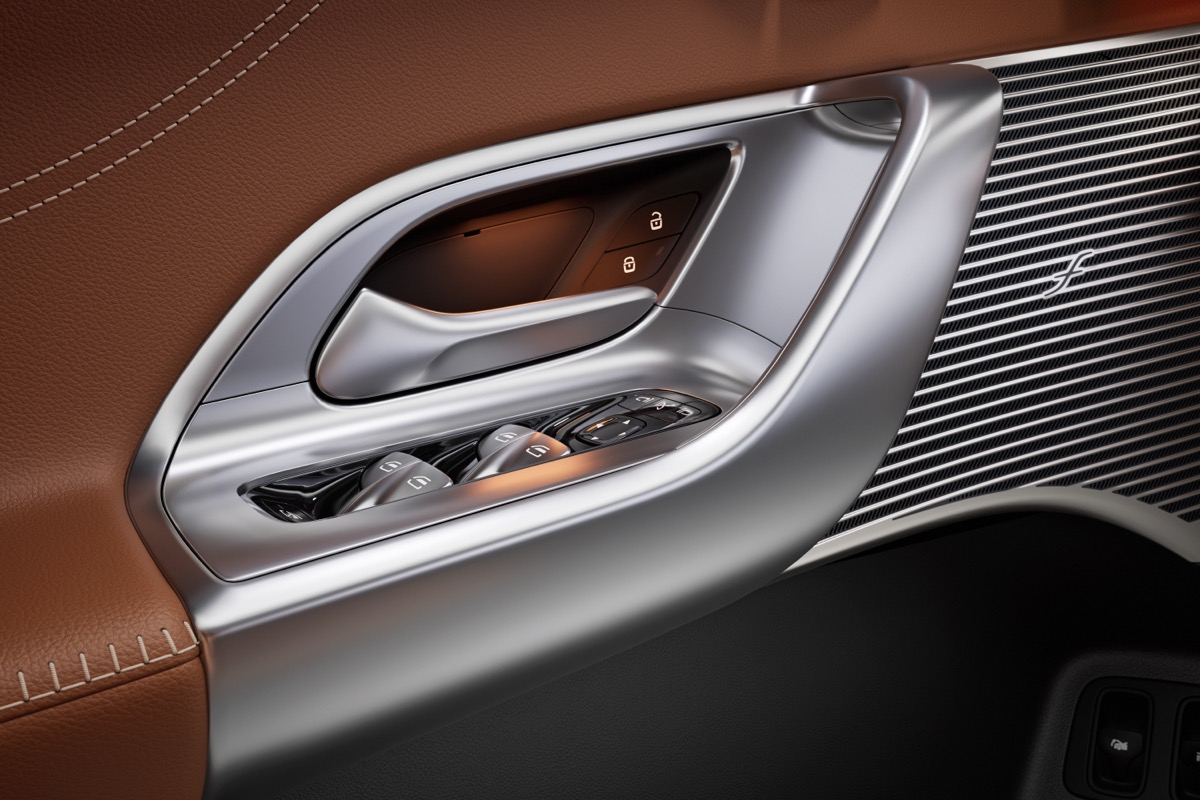
The new GLC will offer advanced driver-assistance systems, including traffic-jam assistance and automated lane changes in permitted conditions, as well as air suspension, rear-axle steering, matrix LED headlights, massaging seats and other options intended to preserve the traditional Mercedes feeling: quietness, comfort, smoothness and expensive confidence on the road.
Artificial intelligence as a new level of luxury
The most interesting part of the new GLC is not only the battery and not only the screen. Mercedes is positioning artificial intelligence as a new level of interaction with the car. The voice assistant in MB.OS is meant to be more than a set of commands such as “call home” or “set the temperature to 22 degrees.” It is designed as a more natural assistant, capable of understanding complex requests and using different data sources.
Mercedes describes a multi-agent approach: depending on the task, the assistant can draw on different AI systems and services, including ChatGPT, Microsoft Bing and navigation capabilities based on Google technology. This should allow drivers to use natural language. For example: “Find a good Italian restaurant that is open now, on my route and has an outdoor terrace.”
If the system works smoothly in real life, it could change the usual way people interact with a car. The driver would not need to open several apps manually, check opening hours, read reviews, compare the route and then send the address to navigation. The car should gather the context, suggest options and integrate the decision into the journey.
The AI assistant will also be able to explain the vehicle itself. An owner could ask whether the car can be plugged into a household outlet, how charging works, which drive mode to choose or what a specific warning means. For a complex electric vehicle, this matters. The more functions a car has, the greater the risk that the owner simply will not use them. A good assistant can turn complexity into understandable service.
But Mercedes will have to prove this in practice. Automotive AI is useful only when it is reliable, fast and not annoying. If the system makes mistakes, responds slowly or gives answers that are too general, the buyer will quickly return to using a phone. For Mercedes, this is not a marketing toy, but a real test of digital maturity.
Why this model matters so much
German premium brands are facing similar problems. Electric vehicles are growing, but not as smoothly as manufacturers expected a few years ago. The Chinese market has become far tougher: local brands have rapidly improved quality, development speed, software and pricing aggression. Tesla continues to apply pressure with efficiency and charging infrastructure. Against this background, Mercedes, BMW and Audi can no longer rely on badge strength alone.
Mercedes has already begun adjusting its strategy. New electric models must be more efficient, more technologically convincing and closer to the traditional taste of the brand’s customers. The CLA with the new electric architecture is meant to show progress in efficiency, but the GLC with EQ Technology will be the major mainstream-premium test. This is not a niche model. It is the electric version of an SUV needed by families, business buyers and those who want one vehicle for everyday life.
If the GLC is convincing, Mercedes can restore confidence in its electric lineup. If not, the problem will be much larger than the failure of one model: it will undermine the brand’s broader strategy in the premium EV segment.
Price and market launch
Official pricing will depend on the market, trim level and launch timing. The GLC with EQ Technology is expected to occupy the same price territory as the BMW iX3, Audi Q6 e-tron and Porsche Macan Electric, although Mercedes will likely separate versions by equipment level and power output.
Sales are expected to begin with the all-wheel-drive GLC 400 4Matic with EQ Technology, followed by the rear-wheel-drive GLC 300+. For buyers in North America, the key questions will not be only the European WLTP range figures, but the final EPA estimates, access to fast charging, equipment packages, warranty, residual value and the real price after options.
On paper, the new electric GLC looks exactly like the kind of important EV Mercedes needed to build next: long range, fast charging, classic premium design, powerful digital architecture and an attempt to turn AI into real convenience rather than a fashionable word. But the final verdict will depend on two things: execution quality and price. In the premium segment, buyers are willing to pay for the best. But only if the car truly feels like the best.