
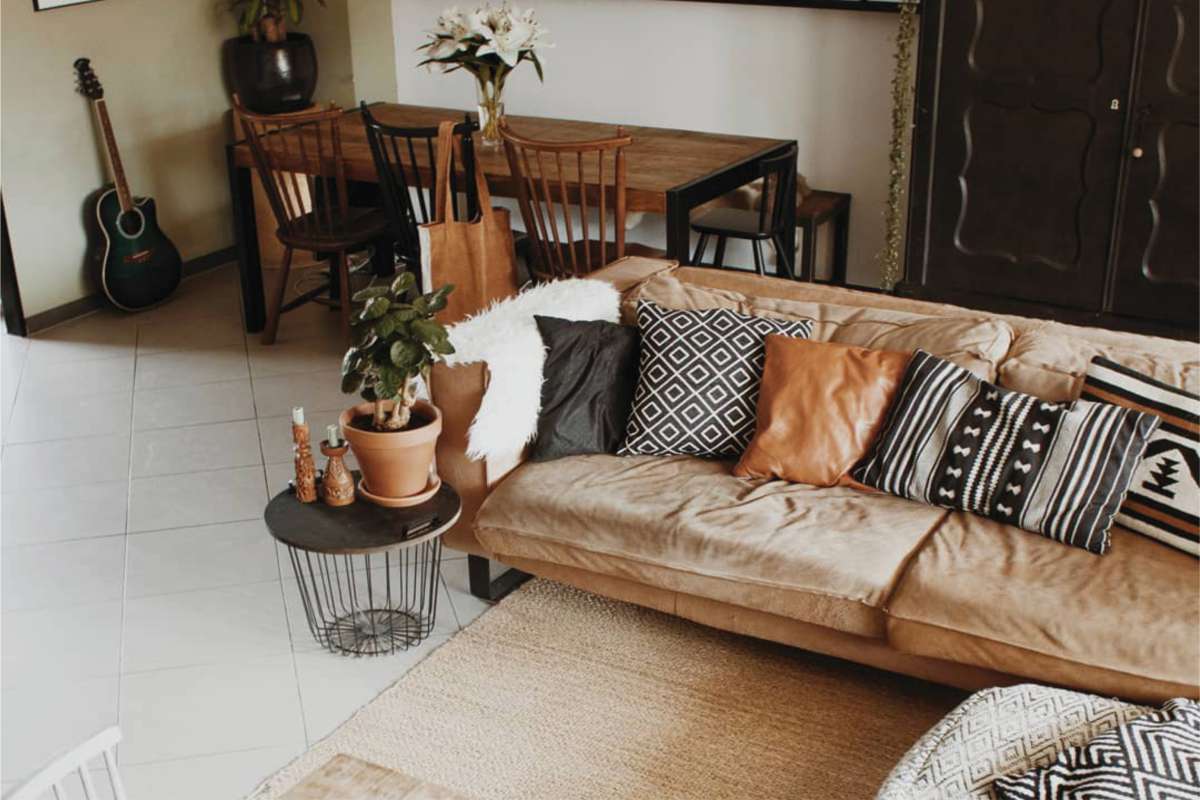
12 reasons to add ethnic motifs to the interior
The modern interior often suffers not from a lack of beautiful things, but from a lack of character. Perfectly painted walls, the right sofa, a neutral rug, carefully arranged décor - everything may seem to be in place, yet the space can still feel too smooth, impersonal and similar to hundreds of other homes. This is exactly where ethnic motifs can help: not as theatrical styling and not as a random collection of souvenirs, but as a way to bring depth, warmth, graphic energy and a sense of living history into the home.
Designers are increasingly using ethnic details in contemporary projects, while furniture and home accessory brands offer more and more pieces inspired by craft traditions from different cultures. The key is to use them thoughtfully, not literally and not excessively. One patterned rug, a woven chair, a ceramic vase, a wooden side table, cushions with a handmade texture or a wall hanging can make a space more interesting without turning it into an ethnographic museum.
An atmosphere of comfort
Natural materials, warm tones, handmade textures and simple ornaments create something many modern interiors lack: a sense of being lived in. Ethnic motifs work especially well in spaces that feel too cold, sterile or hotel-like.
Wood, linen, wool, rattan, clay, leather and metal with patina visually soften an interior and make it feel more human. They add not only decoration, but also tactility: these are objects one wants to touch, examine and use. That is what turns an interior from a picture into a home.
Graphic strength
Ethnic patterns often have strong graphic power. Geometric ornaments, repeated lines, contrasting rhythms and symbolic motifs can be a beautiful addition to interiors that are too soft, airy or monochrome.
For example, a light living room in beige and milky tones may look calm but slightly flat. Add a rug with a clear pattern, a few cushions with ornament or a piece of wall textile, and the space immediately gains structure. Graphic detail pulls the interior together, adds expression and makes the composition feel more complete.
Irony and a living accent
Sometimes an interior is too perfectly composed: everything matches, every line is correct, every object is selected without error - and precisely because of that, the space lacks life. An ethnic accent can add a touch of irony and soften excessive strictness.
It might be an unusual figurine, handmade ceramics, a rug with an expressive pattern, a poster, a mask, a woven basket or several decorative cushions. The main rule is not to overload the room. One unexpected piece often works more powerfully than ten small objects placed without a clear idea.
Natural compatibility
Contemporary design is moving more and more toward naturalness. Natural materials, calm shades, sustainability, tactile design and honest textures are all highly relevant. That is why ethnic motifs pair so organically with wood, stone, linen, cotton, wool, rattan, leather, ceramics and metal.
They work especially well in interiors that already have a base of natural materials. An oak floor, linen curtains, a leather armchair, a stone countertop or a wooden dining table becomes an excellent background for objects with an ethnic aesthetic. This combination looks not accidental, but natural and expensive.
Originality without unnecessary noise
Objects with ethnic character often have the individuality that mass-produced décor lacks. Even a small detail can become the focal point of a room: a carved side table, a ceramic lamp, a handmade rug, a woven mirror or a decorative bowl.
At the same time, ethnic style does not have to be bright or loud. The most successful interiors often use it quietly: in texture, silhouette, material, hand-shaped irregularity and natural colour. This approach adds originality without breaking the overall harmony of the home.
Neutral colour possibilities
Many people avoid ethnic motifs because they imagine only bright colours, heavy patterns and overly active decoration. In reality, ethnic aesthetics can be very restrained. Sand, terracotta, ivory, graphite, brown, olive, ochre and black-and-white tones can fit easily into almost any modern palette.
If the interior is already calm, it is best to start with neutral ethnic elements: a rug in natural tones, earthy ceramics, linen cushions with a delicate pattern, woven baskets or wooden accessories. This will add character without creating visual noise.
Many ways to use them
Ethnic motifs are not limited to patterned textiles and African figurines. The possibilities are much wider: wallpaper, wall panels, tiles, rugs, ceramics, lighting, furniture, woven elements, paintings, posters, vases, mirrors, decorative dishes and even hardware.
The ethnic theme can also be brought delicately into table setting. Handmade-style dishes, ceramic plates, patterned napkins, wooden boards, woven placemats and metal candleholders create a beautiful atmosphere for dinner. This works especially well in homes where the interior itself is fairly neutral and the mood changes through details.
A calming effect
Subtle patterns, natural colours and organic materials can have a calming effect. This is why ethnic motifs work well in bedrooms, relaxation areas, living rooms, home offices and reading corners.
The key is to choose elements that are not too active. A soft rug with a muted pattern, a linen bedspread, a ceramic lamp, a wooden bench at the foot of the bed or a few cushions with a delicate ornament will create a sense of depth without overwhelming the space. In the bedroom, ethnic style should not shout; it should breathe.
Room for hand-made pieces
Ethnic aesthetics are closely connected with craft, so they naturally open the door to hand-made objects. Macramé, wall hangings, decorative cushions, painted ceramics, textiles with simple ornaments, woven baskets or self-designed posters can become not just decoration, but a personal part of the interior.
The main thing is not to turn the home into an exhibition of craft projects. One or two handmade pieces look much stronger when there is space around them and a calm base behind them. Then hand-made décor is perceived not as a random craft, but as a unique design detail.
A stylish addition to eclectic interiors
Eclectic interiors are loved for freedom, individuality and the ability to combine different periods, forms and moods. Ethnic accessories fit beautifully into such spaces because they add another cultural layer.
A modern sofa, a vintage side table, an abstract painting, a rug with Moroccan or kilim-inspired motifs, handmade ceramics and a metal lamp can work surprisingly well together. But eclectic style requires taste: objects should speak to one another through colour, material, scale or mood. Otherwise, instead of stylish layering, the result is simply chaos.
Relevance
Ethnic motifs are relevant again not because fashion loves the exotic, but because modern homes often lack individuality, tactility and connection to craft. After a long period of sterile minimalism, interiors increasingly want to feel warmer, more human and deeper.
It is important to remember, however, that the best ethnic accent is one that feels respectful and appropriate. Culture should not be turned into caricature, and the home should not be overloaded with random souvenirs. A considered choice works much better: a quality rug, beautiful ceramics, real textile, a handmade object or furniture with expressive texture.
Ethnic motifs help an interior find its voice. They add history, warmth and character to a home. Used with subtlety, they do not conflict with contemporary design; they make it more alive, more personal and more memorable.