
How to choose mens shorts: 5 Yes and 3 Never
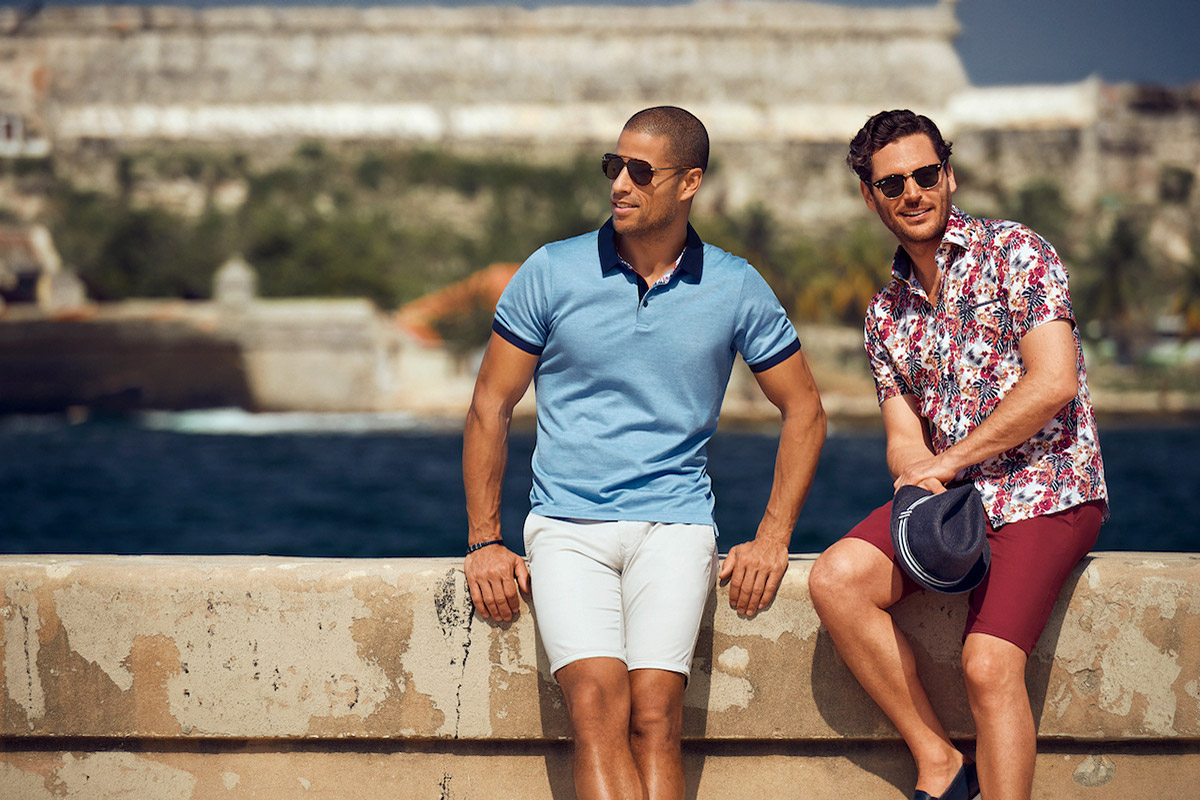
What should mens shorts look like if you want them to fit well, feel modern and not turn a summer outfit into a random collection of things? At first glance, shorts seem like the simplest part of a wardrobe: buy them, put them on and go. But this is exactly where men often make mistakes. Too long, and they make the body look heavy. Too wide, and they look sloppy. Too tight, and they feel inappropriate. Too many pockets and decorative details, and the outfit instantly moves toward cottage weekend, fishing trip or teenage style.
Keep a few rules in mind when shopping for shorts, and choosing the right pair becomes much easier.
1. The right cut
The most important thing is to understand which cut suits your body and your lifestyle. Let us be clear from the start: we are talking about casual everyday shorts. These are not gym shorts, not swim trunks and not utilitarian hiking gear. These are shorts you can wear to meet friends, walk around the city, travel, stop by a café and, in some workplaces, even go to the office if the dress code allows it.
The safest options are chino shorts and modern Bermuda shorts. Chino shorts are neat, body-conscious shorts, usually slightly tapered, with side and back pockets. Imagine classic chinos shortened into a summer format. They are versatile and easy to wear with T-shirts, polos, linen shirts, lightweight jackets and most summer shoes.
Bermuda shorts are looser, straighter and slightly longer. In the right version, they look like a relaxed take on classic men’s trousers. A good pair should not look baggy, but calm and elegant. They can be worn with a shirt, loafers, minimalist sneakers or sandals. The key is that Bermuda shorts should hold their shape and not look like stretched-out house shorts.
Cargo shorts also deserve a separate conversation. Old-fashioned wide cargo shorts with huge stuffed pockets rarely improve an urban outfit. But modern cargo shorts have returned in a cleaner and more considered form: with neat pockets, a good fit, a calm colour and the right length. This version can work in a casual wardrobe if the rest of the outfit is not overloaded and does not turn into tourist gear.
2. The right colour
The safest foundation is navy, beige, stone, olive, khaki, charcoal, black and various shades of grey. These colours are easy to combine with white, blue, black, green and linen shirts, T-shirts and polos. They look mature, calm and flattering on most men.
You do not have to be afraid of more interesting muted shades: terracotta, brick, burgundy, mustard, dark green, dusty blue or off-white. In summer, these colours feel livelier than basic black, but they do not require advanced styling skills.
Bright red, yellow, turquoise or neon shorts are a different level of risk. They can work on vacation, near the water or in a very relaxed outfit, but in the city they quickly begin to argue with the rest of the wardrobe. If you choose a bright colour, everything else should be as simple as possible: a white T-shirt, a plain shirt, understated shoes and minimal accessories.
3. The right length
Length is one of the most important details. Shorts that are too short can look deliberate and are not always appropriate. Shorts that are too long visually shorten the legs and make the silhouette heavier. The modern rule is simple: for most men, shorts should end slightly above the knee - roughly 3 to 7 centimetres above it. In North American sizing terms, this often corresponds to an inseam of about 5 to 9 inches, depending on height and proportions.
Taller men can usually wear shorts closer to the knee or just a few centimetres above it. Shorter men are usually better served by shorts that sit more clearly above the knee and do not have heavy cuffs, which helps the legs appear longer. Shorts that fall below the knee almost always look dated and disrupt proportions.
If you are unsure, choose a length that ends about two fingers above the knee. It is a safe, modern and versatile starting point.
4. The right width
Shorts should neither cling to the leg nor hang like a sack. The ideal fit leaves a little air between the fabric and the thigh while keeping the silhouette clean. For the city, slim or regular fit works best - not skinny and not shapeless oversized.
If your legs are thin, very wide shorts will only emphasize that. Choose chino shorts with a neat fit and a slightly tapered line. If your legs are larger or athletic, avoid overly narrow models: they will pull across the fabric and look uncomfortable. In that case, straight Bermuda shorts or regular-fit shorts with enough room in the thigh will work better.
Pay attention to the waist and seat as well. Shorts should not sag, bunch up or require a belt only to keep them from falling down. A good pair holds its shape on its own and allows you to sit, walk and move without feeling as if the fabric has a life of its own.
5. The right material
Material determines not only appearance, but comfort. For city wear, the best options are cotton, cotton twill, linen, linen blends, seersucker, lightweight denim and modern fabrics with a small amount of elastane. The main requirement is that the fabric should breathe and hold its shape.
Cotton is the most universal choice: comfortable, practical and easy to care for. Linen is ideal for heat, but it wrinkles more, so it works best in relaxed outfits. Seersucker is excellent for humid summer weather: its textured surface helps the fabric stay away from the body. Denim can work on cooler days, but denim shorts should look neat - without torn fringe, excessive distressing or the impression that someone cut up old jeans at the cottage.
Technical fabrics can also be a good choice if they do not look too sporty. Many modern shorts combine lightness, stretch, quick-drying properties and a city-appropriate appearance. This is especially useful for travel.
What shoes to wear with shorts
There are no complicated rules here, but the shoes should match the level of the outfit. Chino shorts and Bermuda shorts look good with minimalist sneakers, canvas sneakers, loafers, espadrilles, leather sandals and clean slip-ons. Technical running shoes are better left for workouts unless the entire outfit is built around an athleisure style.
Socks deserve attention too. With sneakers, no-show socks or short neat socks usually work best. Tall socks can look stylish, but they require confidence, the right outfit and good proportions. Sandals with socks are only for those who know exactly why they are doing it. Otherwise, it is better not to take the risk.
What to avoid
1. Too many decorative details
Ten pockets, heavy distressing, patches, chains, contrast zippers and unnecessary drawstrings rarely make shorts look better. When there are too many decorative details, the outfit becomes noisy and untidy. The simpler the shorts, the more expensive and grown-up they usually look.
2. An overly loud print
Print is not forbidden. A fine stripe, small geometric pattern, subtle check or quiet micro-pattern can look interesting and pair easily with a plain T-shirt or shirt. But large tropical flowers, aggressive geometry, cartoon graphics and overly bright checks quickly turn shorts into beachwear or homewear.
If the shorts have a print, everything else should stay calm. If you are unsure, choose a solid pair. It will last longer and look appropriate in more situations.
3. Breeches and capris
Breeches and capris are the most dangerous compromise. They no longer look like proper shorts, but they do not work as trousers either. This length ends around the calf, visually cuts the leg and makes the silhouette shorter and heavier. They do not help much in the heat, and they almost always weaken the style.
If you want a more covered option, choose lightweight linen trousers, summer chinos or clean relaxed trousers. If you want shorts, let them end above the knee. It is simpler, more modern and far more flattering to the proportions.
Good men’s shorts are not about fashion for fashion’s sake. They are about proportion, fabric, colour and appropriateness. The right pair should look easy, but not careless; relaxed, but not like homewear; modern, but not like an attempt to look like a teenager. Those are the shorts that become a true summer essential.