
Where is it better to buy real estate for investment today
Samana Bayport is not simply a new cruise port. For the Samaná Peninsula, it is an infrastructure project that can change the entire investment map of the region. Where there was once one of the most beautiful yet undervalued corners of the Dominican Republic, a new point of attraction is forming for tourists, businesses and real estate buyers. These are the most interesting moments in a market: when the potential is already visible, the infrastructure is already being launched, but prices have not yet fully reflected the scale of future change.
For many years, Samaná remained a special region of the country. Unlike Punta Cana, development here was more organic and restrained - without aggressive mass construction and without the feeling of an endless all-inclusive corridor. That is exactly where its value lies. Samaná is mountains, bays, waterfalls, palm trees, beaches, jungle and a more European, boutique atmosphere of travel. Today, the situation is changing: Samana Bayport is becoming the infrastructure trigger that moves the region into a new investment category, both for private buyers and for larger investors.
What Samana Bayport is and why it matters
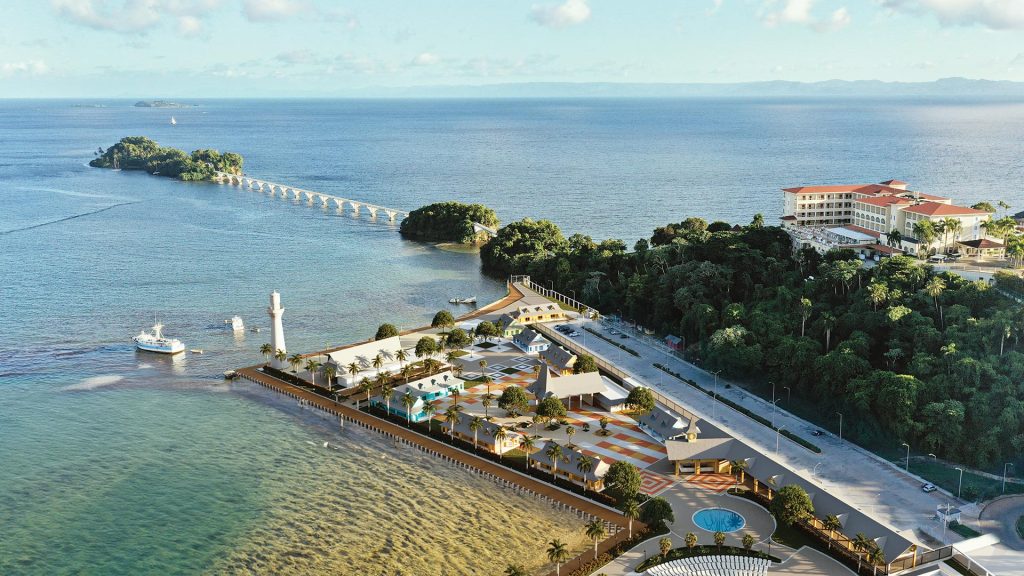
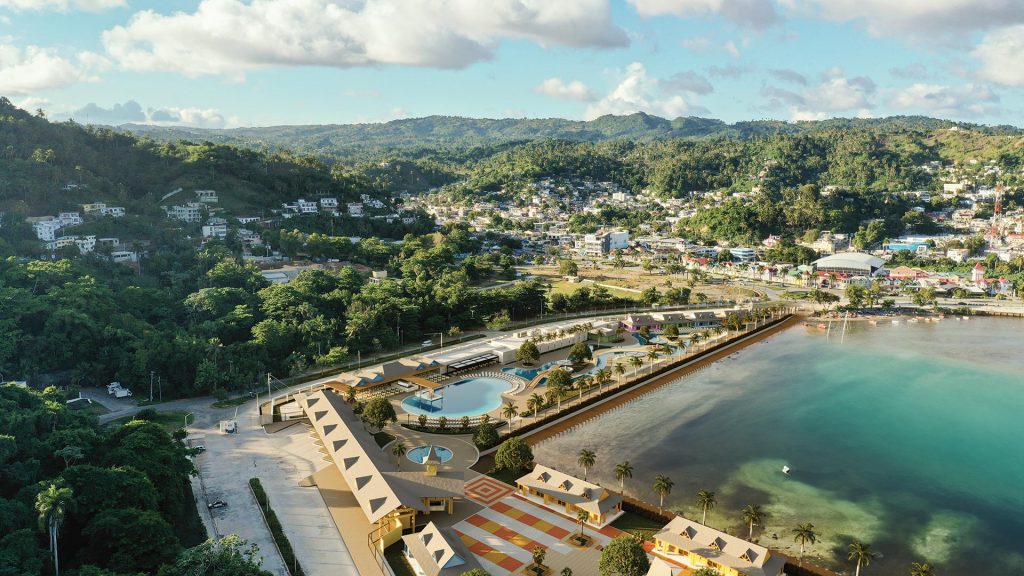
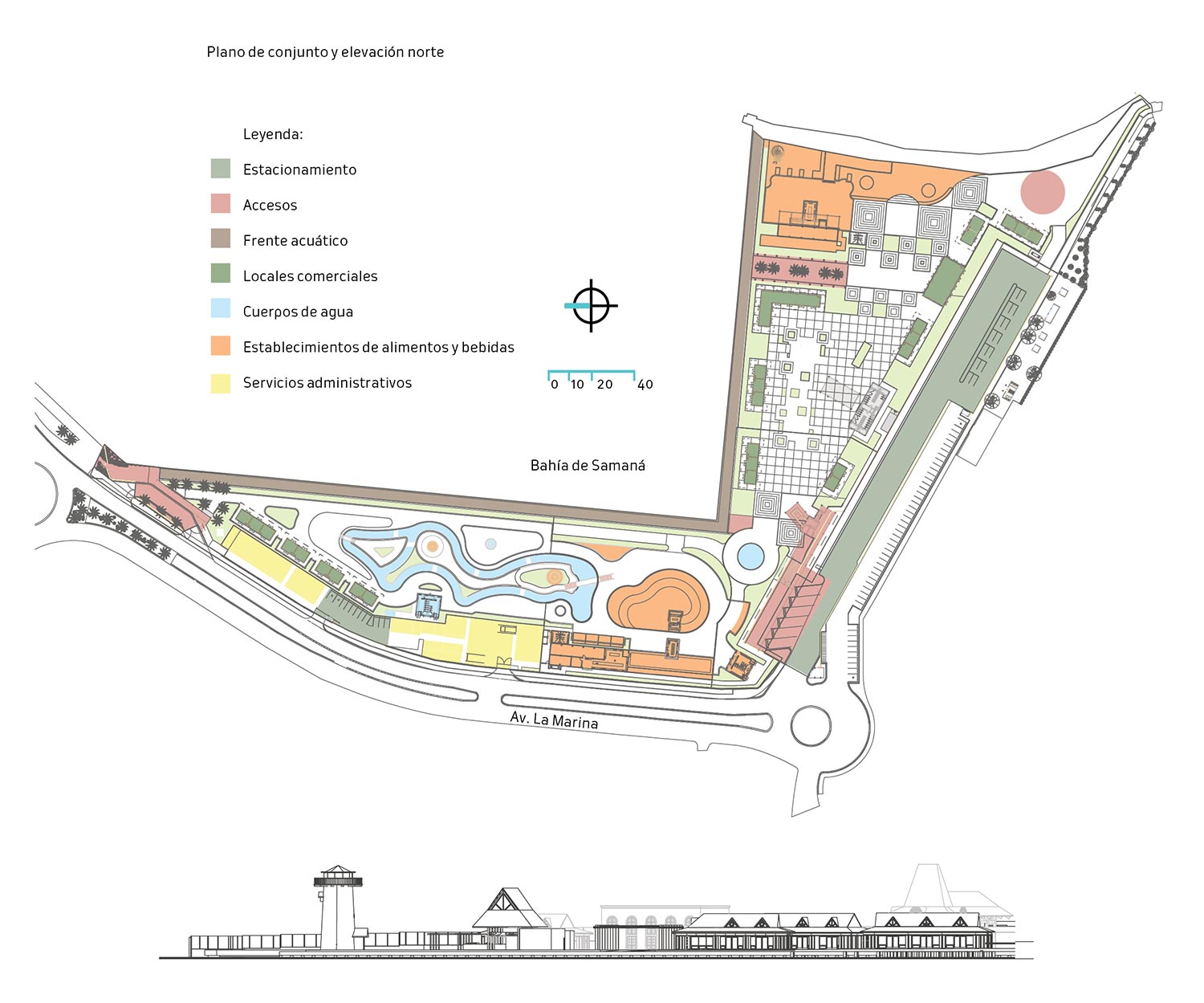
Samana Bayport is a modern cruise port complex designed to receive large international ships and develop full-scale tourism, commercial and service infrastructure. The project is being created as a new gateway into the region for cruise passengers, tour operators, restaurants, shops, excursion companies, transportation and the hospitality sector.
The key importance of the port is that Samaná gains regular and more predictable access to mass cruise tourism. According to public information about the project, Bayport is designed to accommodate up to three cruise ships simultaneously and potentially up to 10,000 passengers per day once it reaches full capacity. For a region that has long developed calmly and selectively, this represents a major increase in demand for services, excursions, retail, food, transportation and real estate.
How the cruise port effect works
Global practice in the Caribbean, the Mediterranean and Mexico shows a clear development model around new cruise hubs.
The first stage is infrastructure launch. The port begins receiving ships, regular tourist traffic appears, local businesses adapt to new demand, and investors begin looking closely at nearby locations.
The second stage is growth in commercial real estate. The first properties to benefit are those that work directly with tourist flow: cafés, restaurants, shops, excursion offices, transportation rental points, wellness services and small service-oriented formats. Spaces and land plots within convenient driving distance of the port, and in places where cruise passengers are actually taken, become especially interesting.
The third stage is growth in residential real estate. When tourist traffic becomes more stable, developers, investors and private buyers become more active. Demand grows for apartments and villas suitable for short-term rental, housing for staff, entrepreneurs and those who first visit for a day on a cruise and later return for a full vacation.
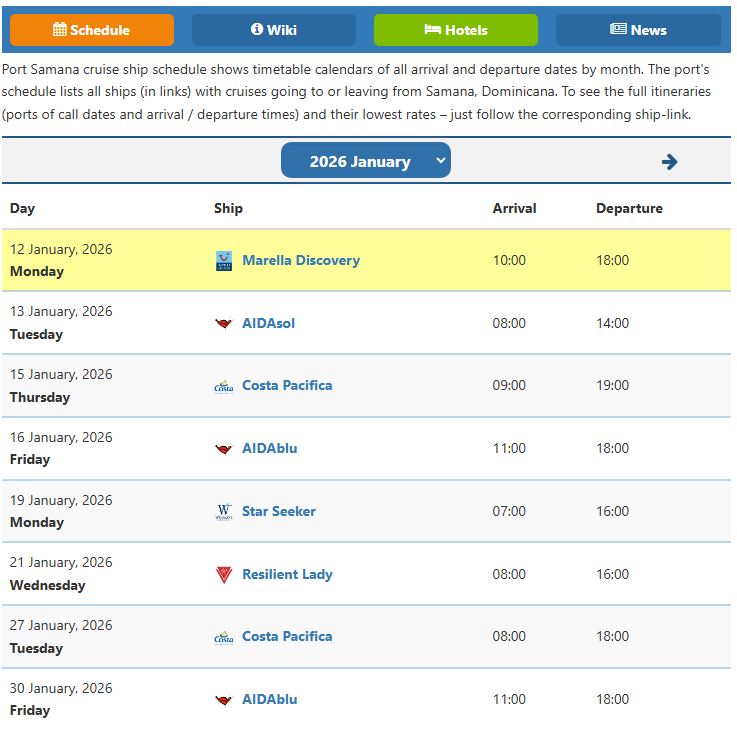
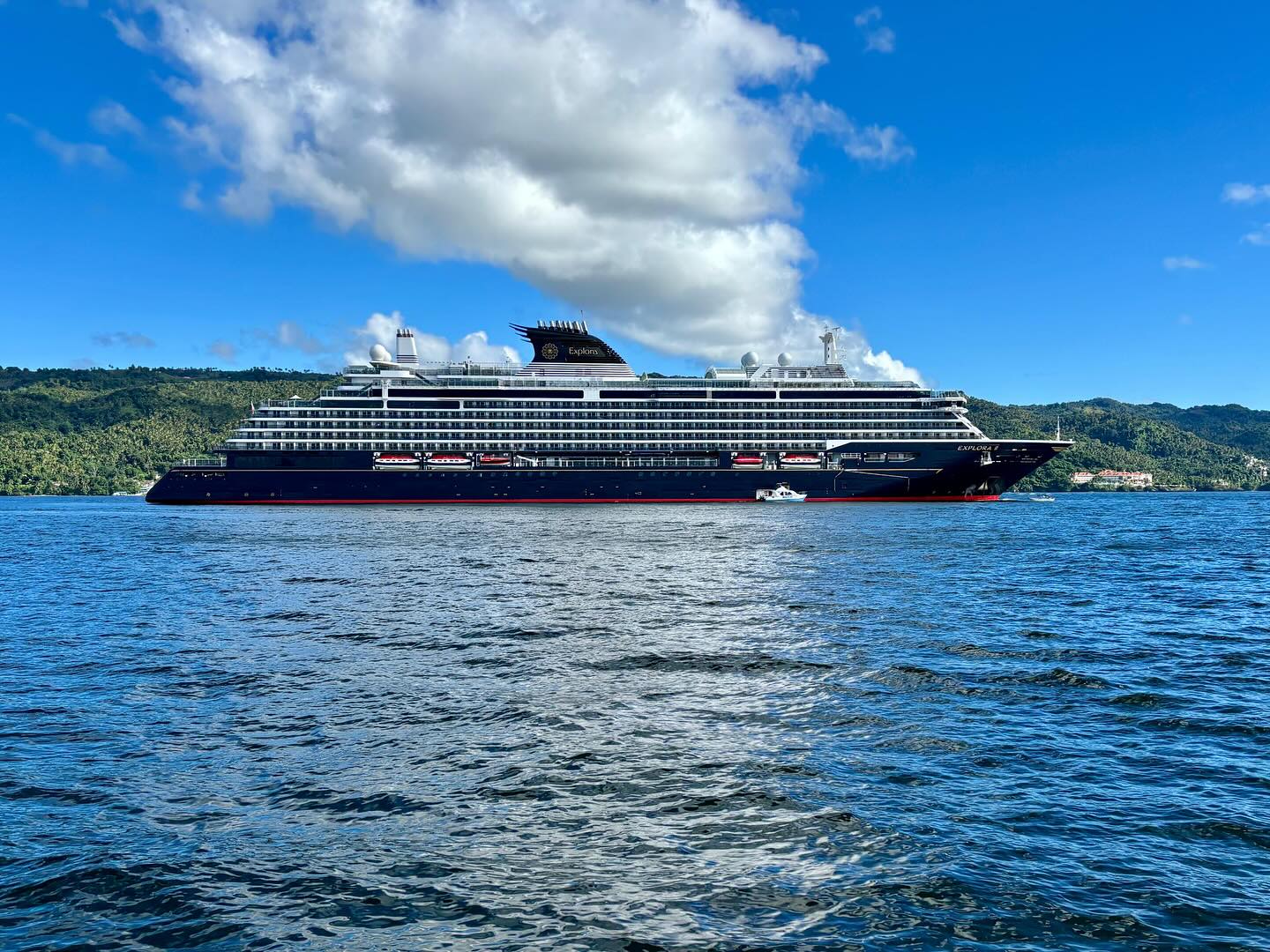
Samaná is now in a transition phase: the infrastructure has already begun operating, the first ships are already arriving, but the market has not yet become so obvious that all of the best opportunities have disappeared. Historically, such periods are often among the most interesting for investors.
Commercial real estate is the first beneficiary
Commercial real estate usually reacts fastest to the launch of a cruise port. The reason is simple: cruise tourists have limited time and concentrate in predictable tourist routes. They want to eat, shop, book an excursion, rent transportation, spend time by the water and receive service quickly and without complicated logistics.
That is why the most promising formats include shops, cafés, restaurants, excursion offices, service points, transportation rentals, tourism services, wellness concepts and small commercial spaces in high-traffic locations. Where the flow becomes dense and repeatable, commercial rent can grow faster than residential real estate.
But it is important not to make a mistake with location. Not every commercial property automatically benefits from the port. The winners are properties located on the real tourist route, with the right format, visibility, parking or transfer accessibility, and a clear business model.
Las Terrenas as a key growth point
Las Terrenas is becoming one of the main beneficiaries of the Samana Bayport development. The town is located less than 30 minutes from the port and already has what many new tourist destinations lack: restaurants, shops, beaches, an international community, established infrastructure and a special atmosphere that combines Caribbean nature with a European way of life.
Las Terrenas may become one of the main destinations for excursion traffic from cruise ships. Then the familiar tourism mechanism begins to work: a person arrives for a few hours, sees the beaches, restaurants, mountains and bays, and later returns not as a cruise passenger, but as an independent tourist, renter or real estate buyer.
The strongest demand is expected for quality apartments and villas close to the sea, views, infrastructure and convenient beach access. Practice shows that the higher the quality of the property and the better it is managed, the more stable demand tends to be. At the same time, more accessible options also remain in demand, especially among people who come for longer stays, work remotely or consider the Dominican Republic as an alternative to more expensive destinations for winter living and retirement lifestyle.
A boutique development model as a competitive advantage
The main difference of Samaná is that it is not developing according to the mass-resort model, but according to a more boutique logic. For an investor, this matters. Mass destinations produce volume faster, but with that volume come high competition, standardized projects and pressure on pricing. Boutique markets develop more slowly, but quality product in such locations often has stronger individuality and more limited supply.
Samaná offers exactly this combination: natural landscapes, bays, mountains, waterfalls, jungle, beaches and a feeling of rarity. It is impossible to endlessly replicate identical complexes here without destroying the very value of the region. This is why the best projects in the right locations may gain an advantage not only from demand, but also from the limited supply of quality property.
Current status of the project
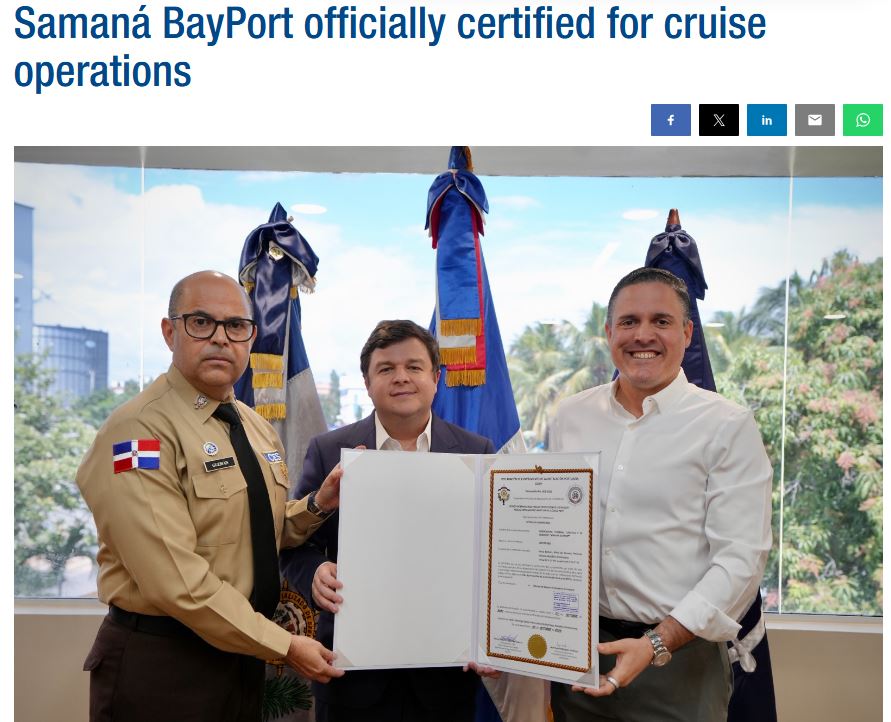
Samana Bayport has already moved from concept to real launch. The first phase of the port has opened, and the terminal has begun receiving cruise ships. Public reports about the project indicate that the complex is being developed in phases, with further infrastructure expansion and the ability to receive up to three ships simultaneously once it reaches full designed capacity.
For the real estate market, this is critical. Investors usually pay more when everything is already obvious: the port is fully operational, tourist flow is stable, commercial rents have risen, and the best plots and projects are already taken. The most interesting moment often comes earlier - when the infrastructure has already been confirmed, the first results are visible, but the market has not yet fully repriced the assets around it.
Conclusion
Samana Bayport is a turning point for the Samaná real estate market. It does not guarantee automatic growth for every property, and it does not remove the need to choose the project, developer, location and financial model carefully. But it creates exactly the type of infrastructure change that can significantly strengthen demand for commercial and residential real estate within the port’s area of influence.
Early entry by investors in a market with limited supply may mean stronger rental potential, rising values for quality assets and a shortage of good properties over the next several years. The biggest opportunities in real estate often appear not when the returns are already obvious to everyone, but when infrastructure is just beginning to change the rules of the game.
Today, Las Terrenas looks like one of the most interesting and still undervalued markets in the Caribbean. It already has nature, lifestyle, an international audience and infrastructure. Now it is also receiving a new port-driven impulse that can accelerate the development of the entire peninsula.
Our company exclusively represents several major developers in Las Terrenas and offers both residential and commercial real estate. Among the projects are properties with strong investment models, designed for high rental income and potential payback in the medium term. Specific returns depend on entry price, property format, occupancy, expenses, management and market conditions, so we select opportunities individually - according to your finances, goals and risk level.
If you are considering investment in Samaná or Las Terrenas, now is the right time to study the market carefully. Infrastructure changes like this do not happen every year, and the best positions are usually taken by those who enter before the potential becomes obvious to everyone.