
Maserati Ghibli: the Italian answer to the big German sedan
Maserati Ghibli was not simply a new model for the brand. It was an attempt to enter a segment long dominated by German premium sedans. Before that, Maserati remained a rarer, more emotional and more niche marque - with the Quattroporte, GranTurismo and a sporting aura that attracted enthusiasts, but did not turn the brand into a volume player. The Ghibli was meant to change the scale: offer a more accessible entry into the world of Maserati, preserve Italian charisma and compete with business sedans bought not only with the heart, but also with reason.
Ghibli became Maserati’s second four-door sedan alongside the flagship Quattroporte. Officially, it was positioned below the Quattroporte, but its real purpose was to bring a different audience to the brand: people who might otherwise have looked at a BMW 5 Series, Mercedes-Benz E-Class, Audi A6 or Jaguar XF, but wanted something less predictable and more emotional.
A model with a name and a history
The name Ghibli was not new for Maserati. It had already been used for dramatic Maserati coupés in different eras, and the word itself refers to a hot desert wind. For an Italian brand, the name was almost perfect: movement, drama, southern temperament and a hint of dangerous beauty.
But the 2013 Ghibli was a very different kind of car. It was not a two-door grand tourer, but a modern sporting luxury sedan. That was the intrigue: Maserati tried to transfer the emotional quality of its coupés into a more practical four-door car suitable for daily driving, business meetings, travel and family use.
Design: not just another sedan
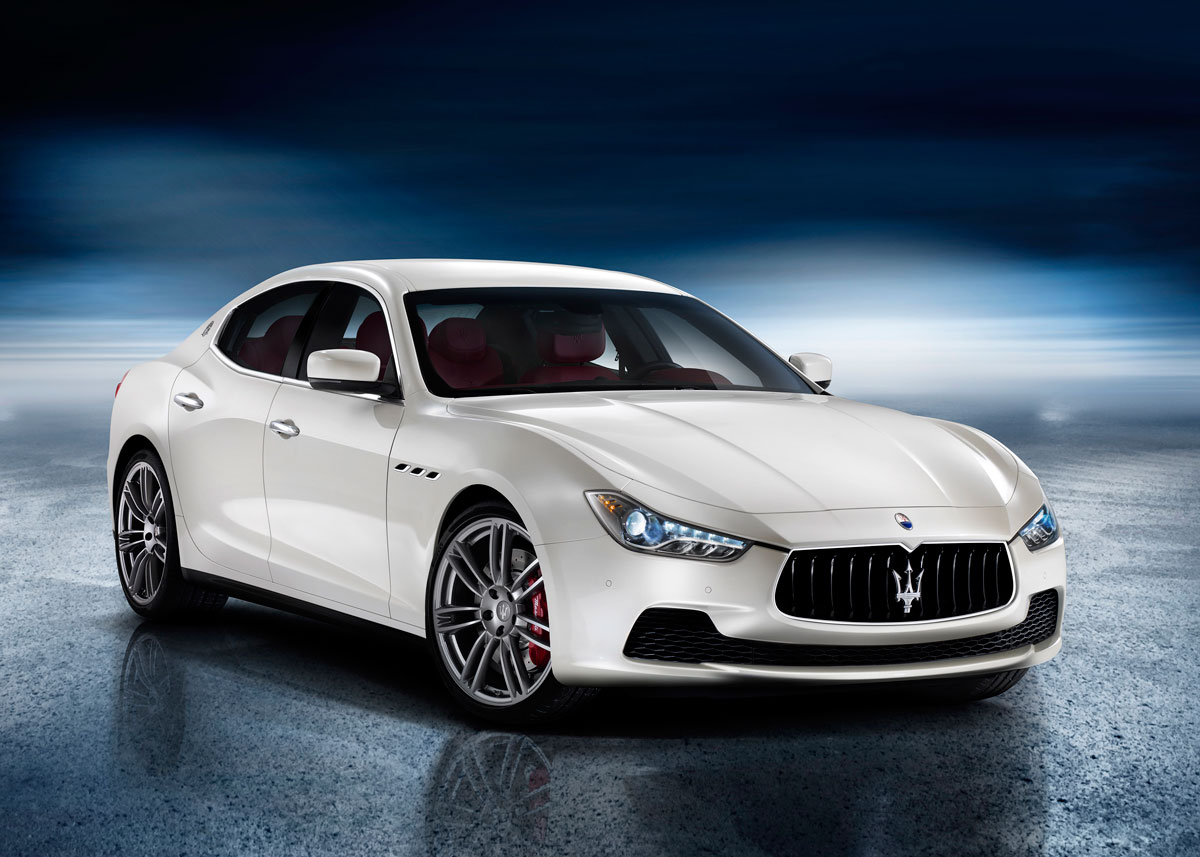
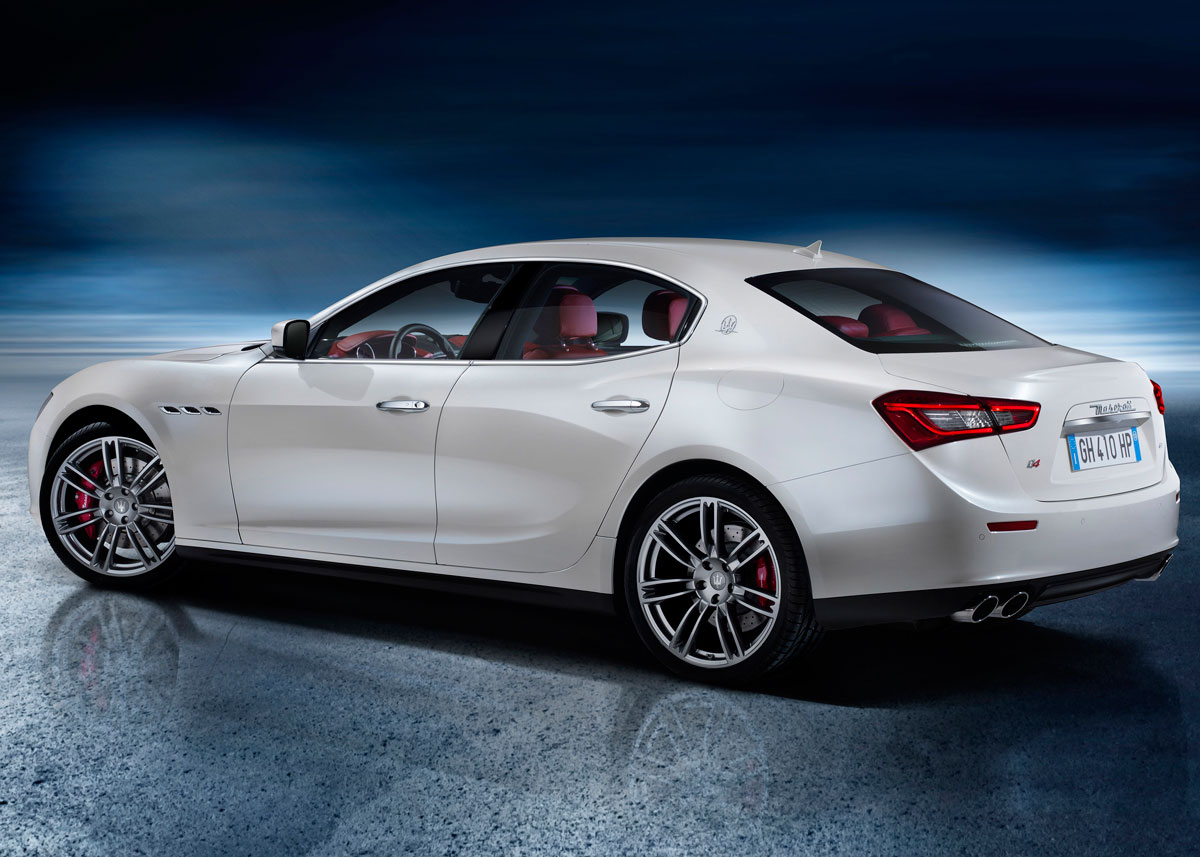
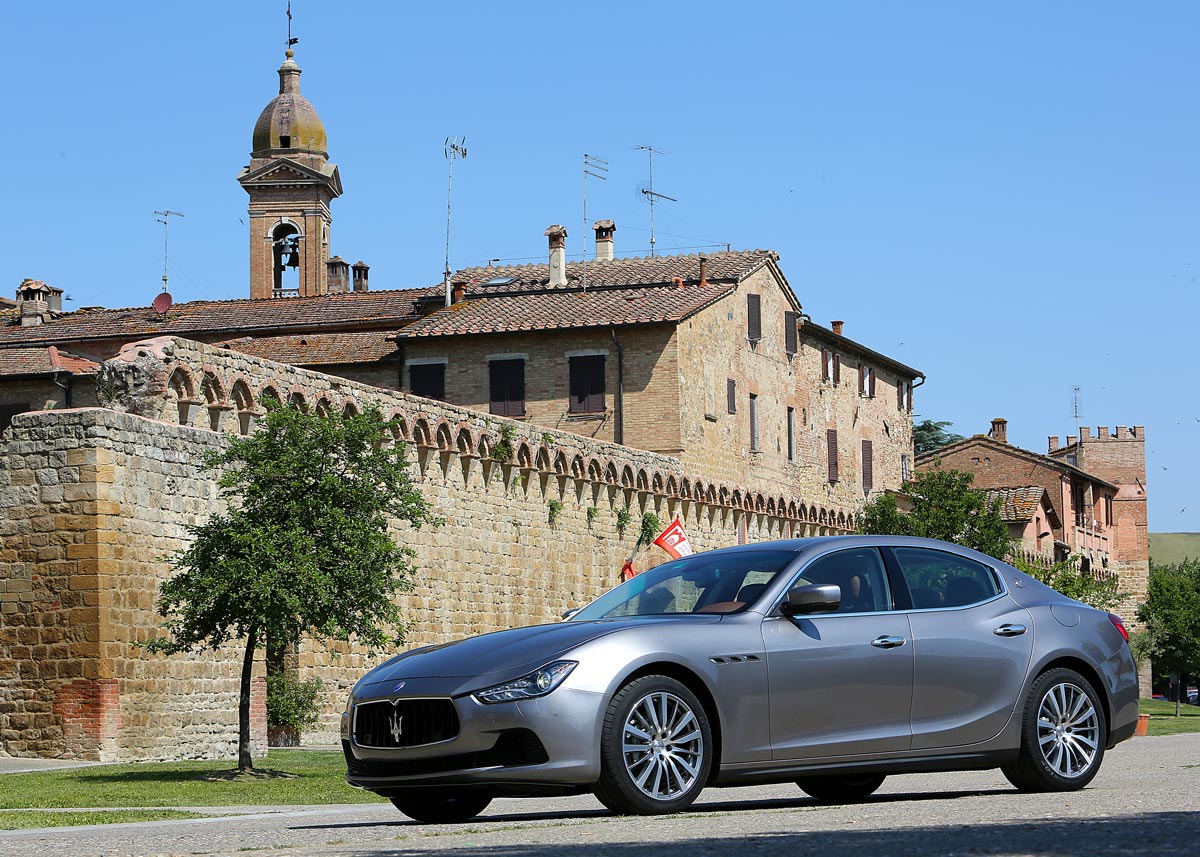
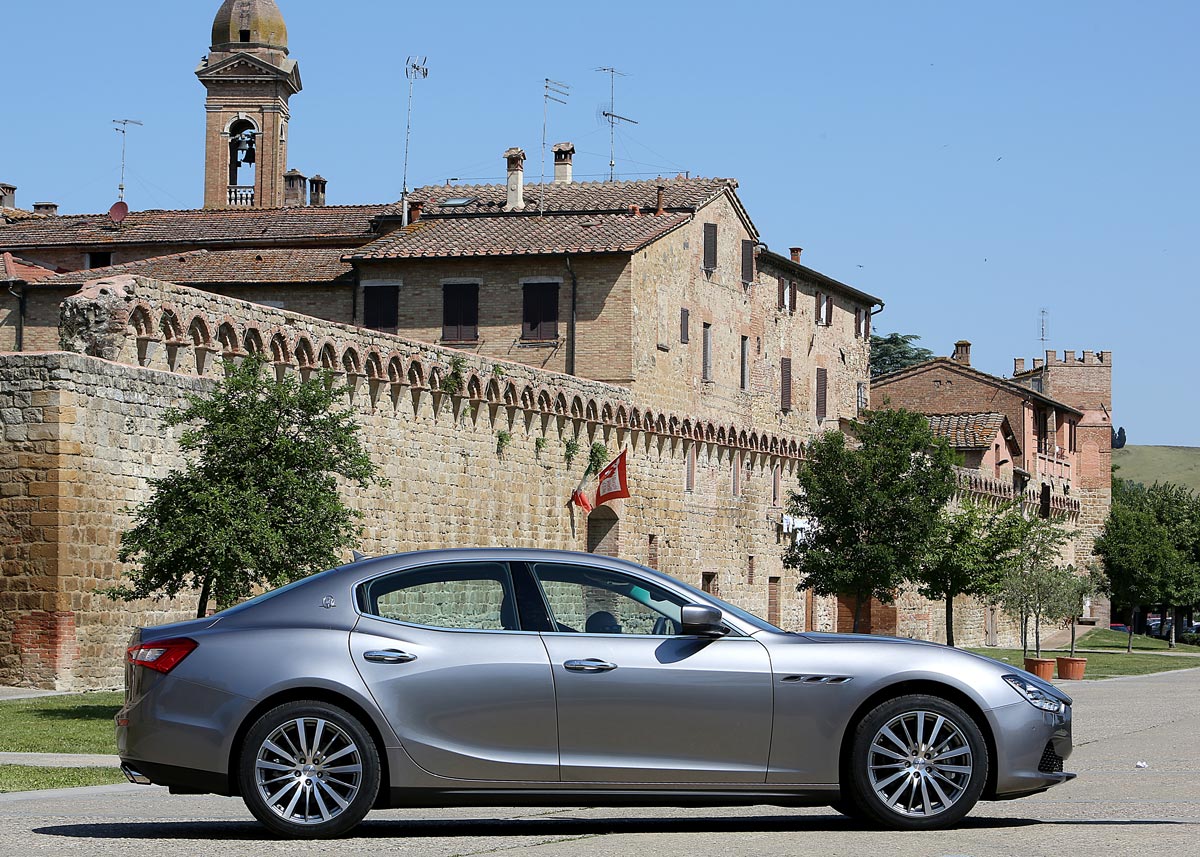
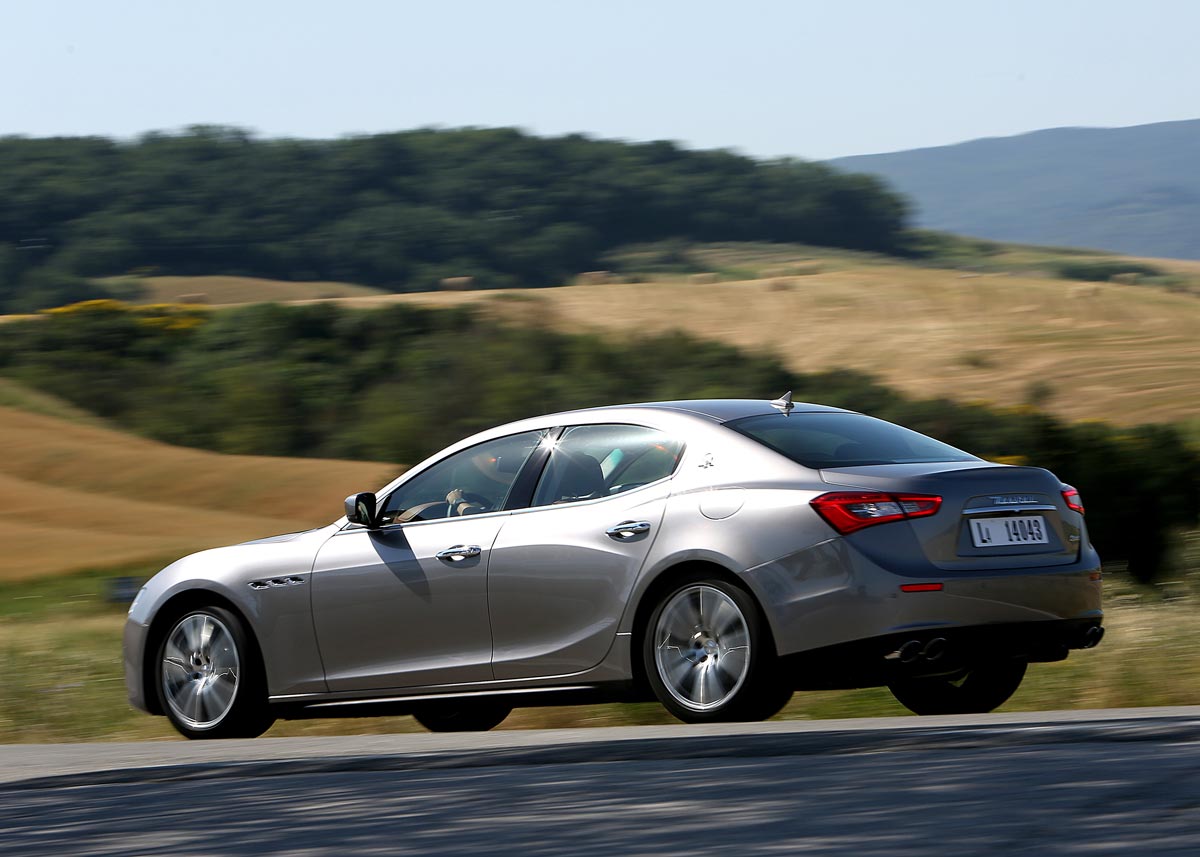
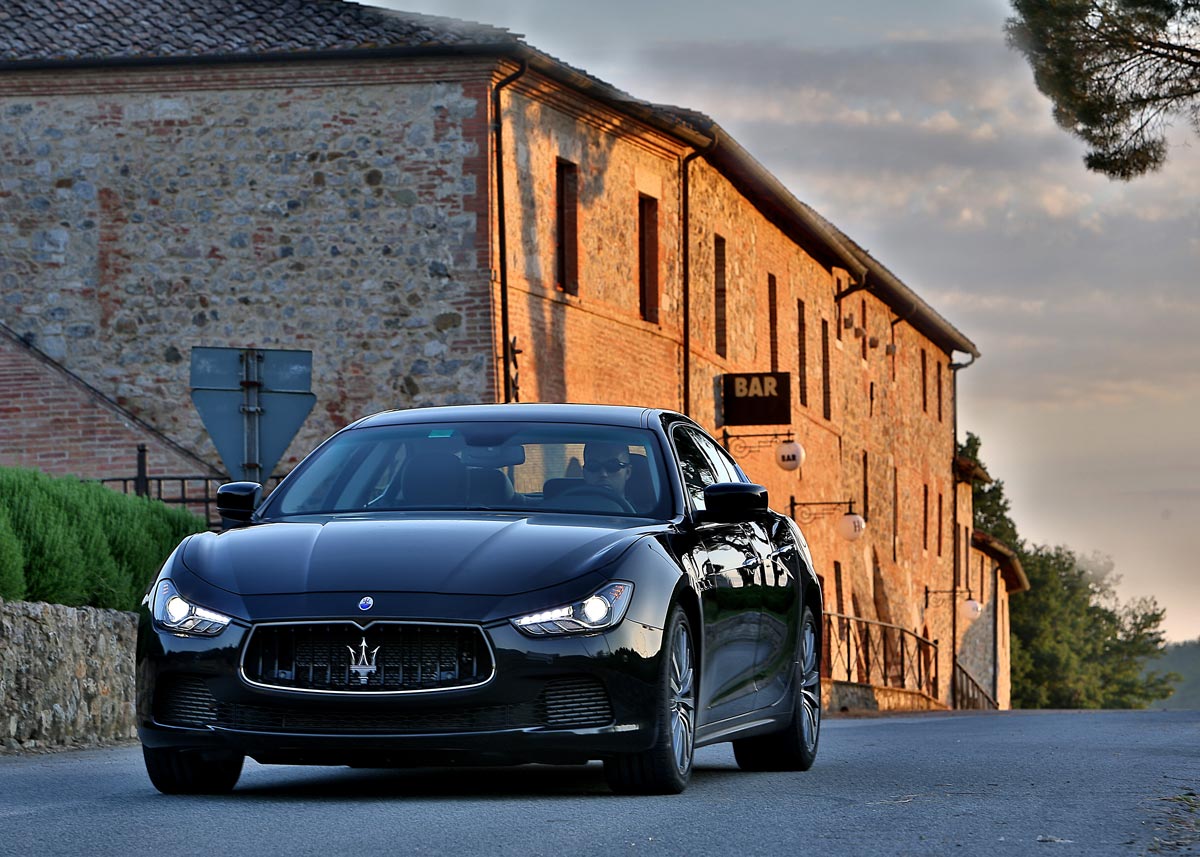
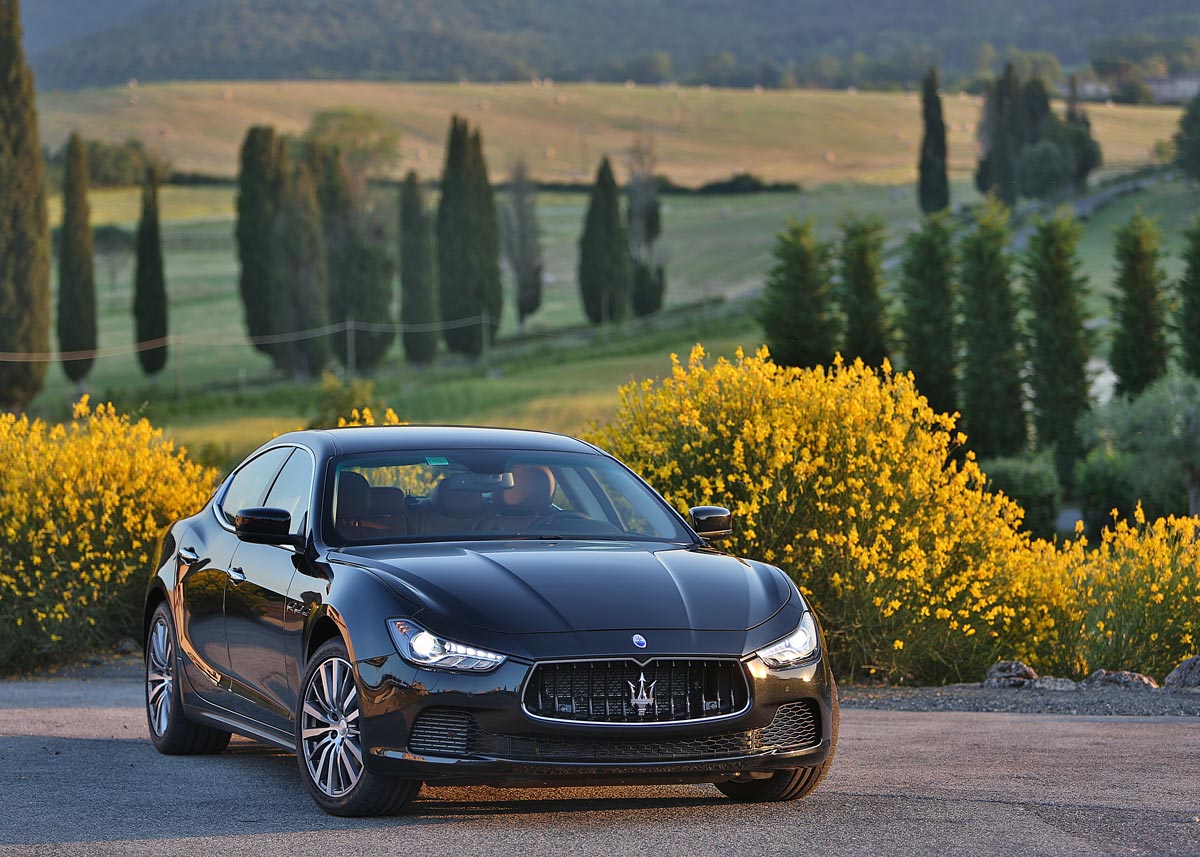
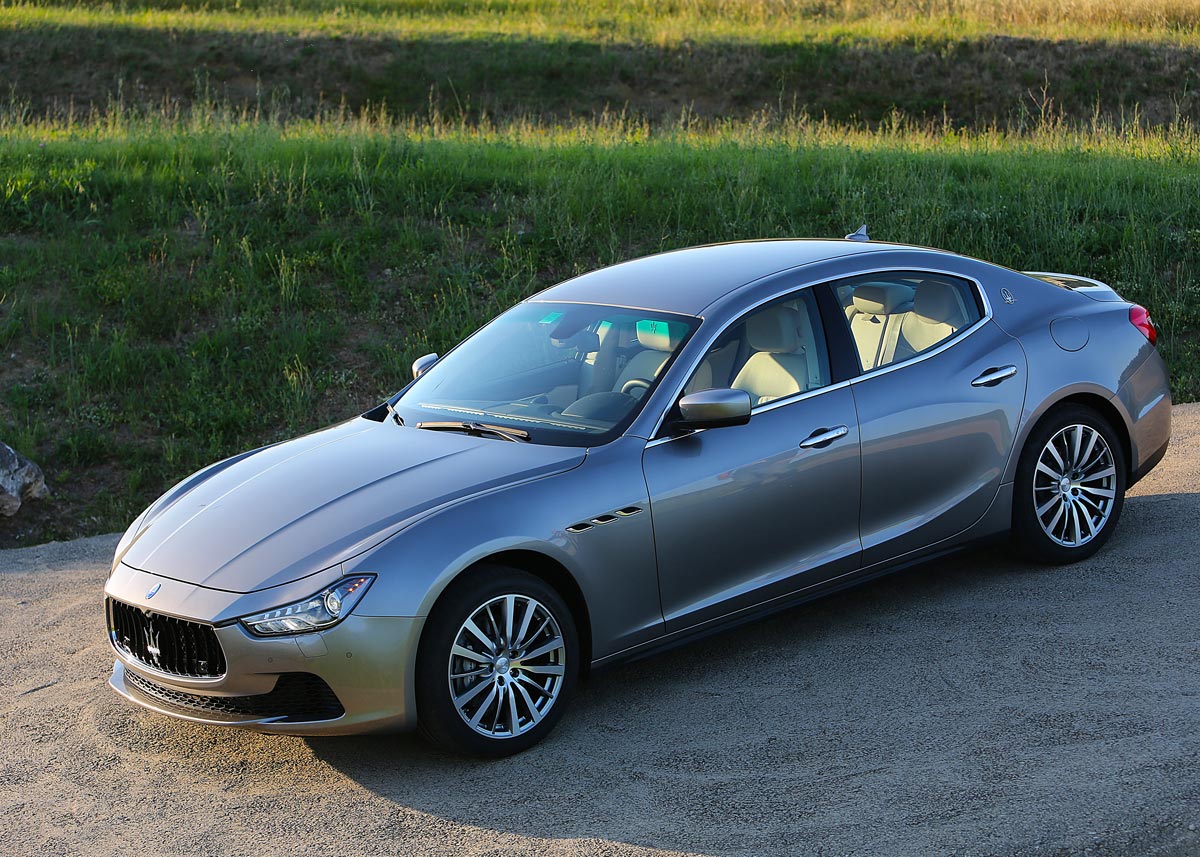
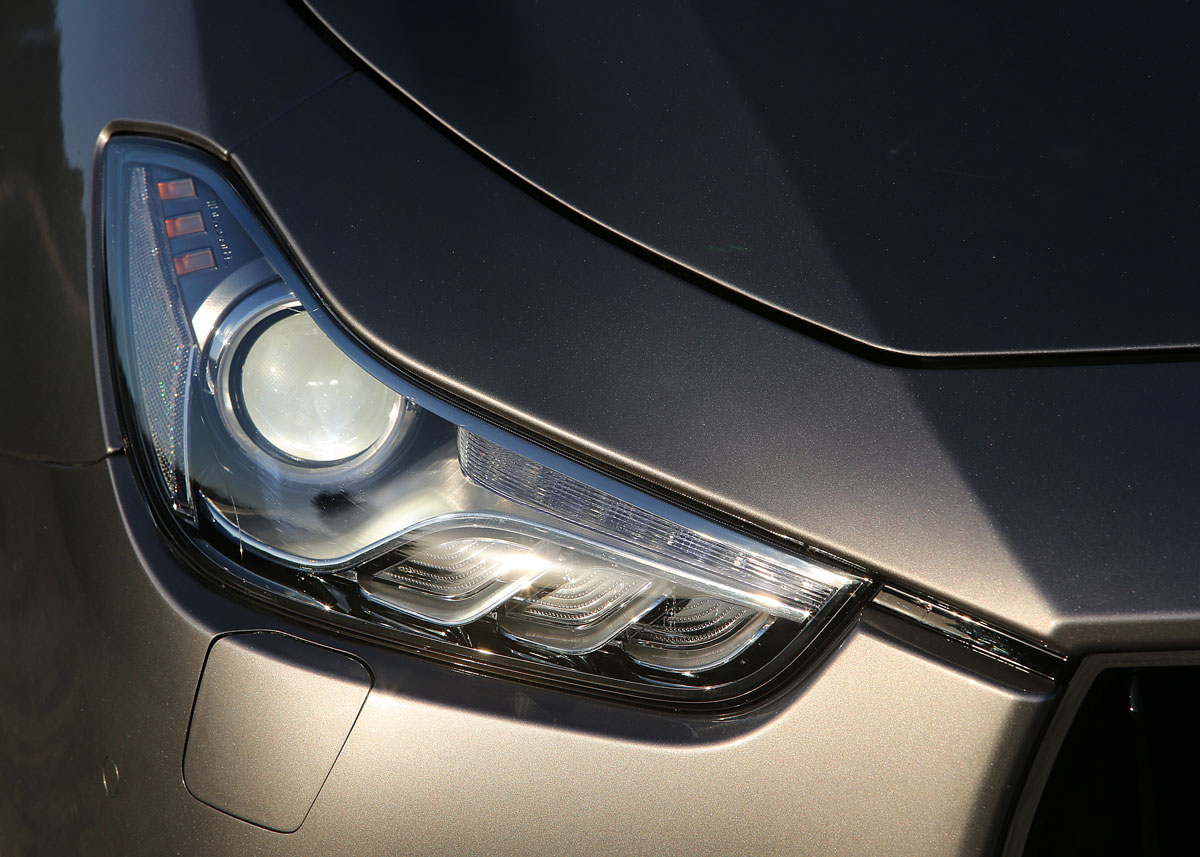
The Ghibli’s greatest advantage from the first glance was its appearance. In a segment where many cars looked restrained and corporate, Maserati offered a more expressive language. A long hood, aggressive grille, narrow headlights, muscular fenders and a fast profile created the image of a car that did not want to disappear in an office parking lot.
The Ghibli looked lower, more emotional and more athletic than many of its rivals. It did not have cold German rationality. Instead, it offered Italian theatricality, but without becoming excessive. This was a sedan that was meant to say something different about its owner: not “I chose the most logical option,” but “I chose a car with character.”
The interior also tried to combine a sporting atmosphere with a luxury feel: leather, wood, soft surfaces, an expressive centre console and the signature Maserati clock on the dashboard. Over time, however, the cabin became one of the most debated parts of the model. Admirers valued its style and atmosphere, while critics pointed to uneven quality in some materials and components, especially compared with German rivals. That was part of the Ghibli’s character: it was not flawless, but it felt alive.
Engines: V6, diesel and all-wheel drive
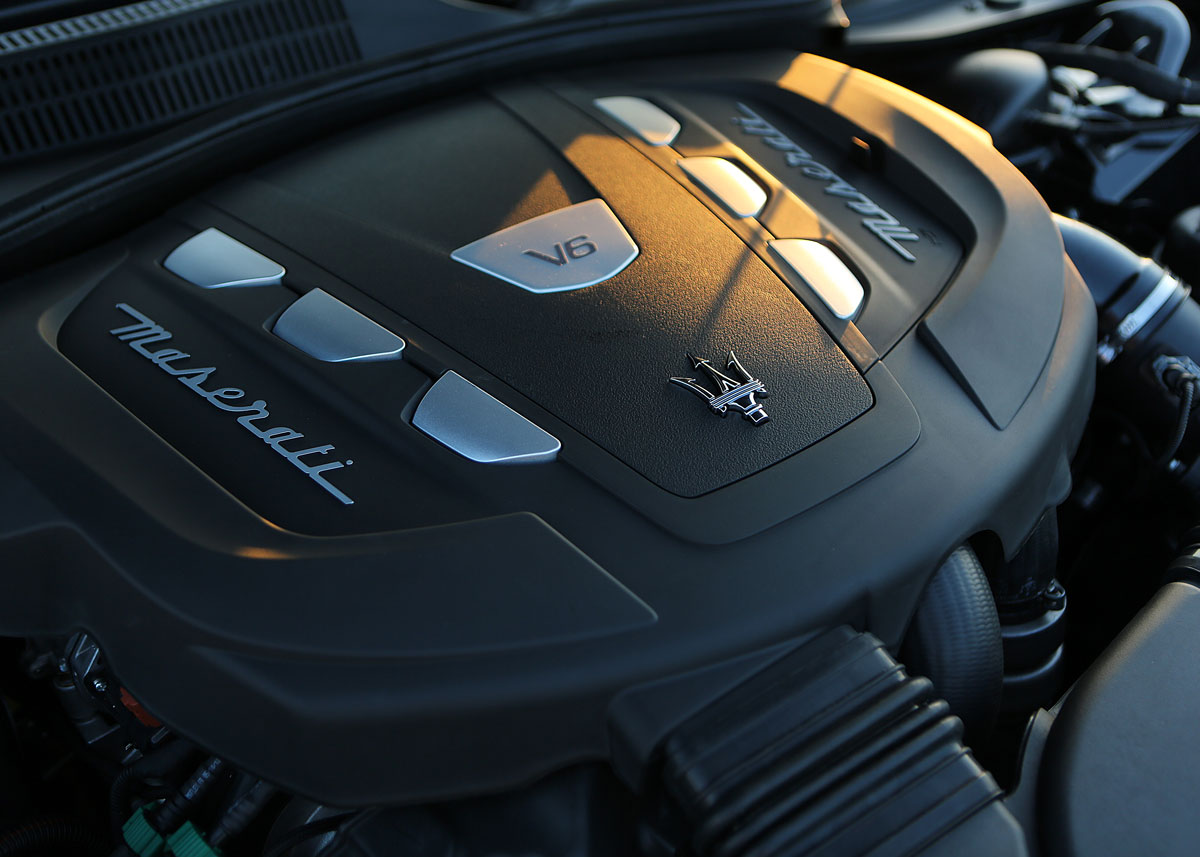
For the Ghibli, Maserati prepared a powertrain lineup intended to make the model attractive in different markets. The main role belonged to the 3.0-litre twin-turbo V6 petrol engines, developed by Maserati and assembled by Ferrari. These engines gave the car exactly what people expected first from a Maserati: strong acceleration, an expressive sound and a sense of mechanical passion.
The Ghibli S offered a more powerful version of the V6, while the Ghibli S Q4 added intelligent all-wheel drive. For markets with cold climates, including North America, Q4 was especially important: it allowed Maserati to compete with all-wheel-drive German sedans and made the car more confident in snow, rain and changing road conditions.
Another important step was the diesel. The Ghibli Diesel became the first production Maserati ever offered with a diesel engine - a decision that made particular sense for the European market, where long-distance range, efficiency and high torque were valued at the time. For purists, the idea of a diesel Maserati sounded almost provocative, but from a commercial perspective it was understandable: if the brand wanted to grow, it had to play by the rules of the segment.
All versions used the ZF 8-speed automatic transmission, one of the best solutions of its time: quick, smooth and versatile enough for both comfortable driving and a more active style.
Character on the road
The Maserati Ghibli was never just a car about numbers. Yes, it was quick, especially in S and S Q4 form, but its point was not only acceleration. It was meant to create a sense of occasion every time the driver pressed the start button. The sound of the V6, the seating position, the long hood ahead, the more emotional steering feel - all of this worked toward the image of a car chosen not only by the mind.
At the same time, the Ghibli was not trying to be the most precise sporting sedan in the class. BMW had its strengths, Mercedes-Benz had its own, and Audi had its own. Maserati played a different instrument: atmosphere, style and rarity. It could be the less rational purchase, but the more memorable one.
Why the Ghibli mattered to Maserati
The Ghibli became a key model in Maserati’s attempt to increase sales dramatically and move beyond a narrow circle of brand loyalists. Before its arrival, Maserati was a marque many people loved from a distance: beautiful, sonorous, Italian, but not always practical for everyday life. The Ghibli was meant to bring Maserati closer to the real premium-sedan buyer.
In that sense, the model did play an important role. It brought people into showrooms who had not previously considered Maserati seriously, expanded the brand’s presence in North America and became one of the most recognizable Maserati models of its era. Later, the Levante crossover joined that strategy, but it was the Ghibli that helped Maserati announce broader ambitions.
Imperfect, but full of character
Over time, it became clear that the Ghibli was a complicated car. It was loved for its design, sound, emotion and rarity. It was criticized for uneven interior quality, maintenance costs, steep depreciation on the used market and certain compromises linked to the platform and corporate components of the Fiat Chrysler era.
Yet that very contradiction makes the Ghibli interesting. It was not a sterile product designed to score the maximum number of points in a comparison chart. It was a Maserati in a more accessible and practical format: not the most rational, not the most flawless, but recognizable, emotional and beautiful in its own way.
The result
Maserati Ghibli became an important chapter in the brand’s history. It gave Maserati new scale, opened the door to the premium business-sedan segment and tried to prove that Italian emotion could live not only in coupés and supercars, but also in a four-door car for everyday life.
It should not be judged only as a competitor to German sedans. In pure rationality, it did not always win. But the Ghibli offered something harder to measure: style, sound, rarity and the feeling that the car was chosen not because it was expected, but because the owner wanted something alive. That is its place in Maserati history - not perfect, but charismatic; an attempt to bring Italian luxury closer to everyday life.