
Las Vegas. The birth of a legend
Almost everyone has heard of Las Vegas, even those who have never been there. In the popular imagination, it is a city of casinos, neon signs, spectacular shows, giant hotels, and endless entertainment. But one thing about Las Vegas is still more astonishing than any advertisement: it stands almost in the middle of the desert. How did a world capital of entertainment rise from the harsh landscape of the Mojave?
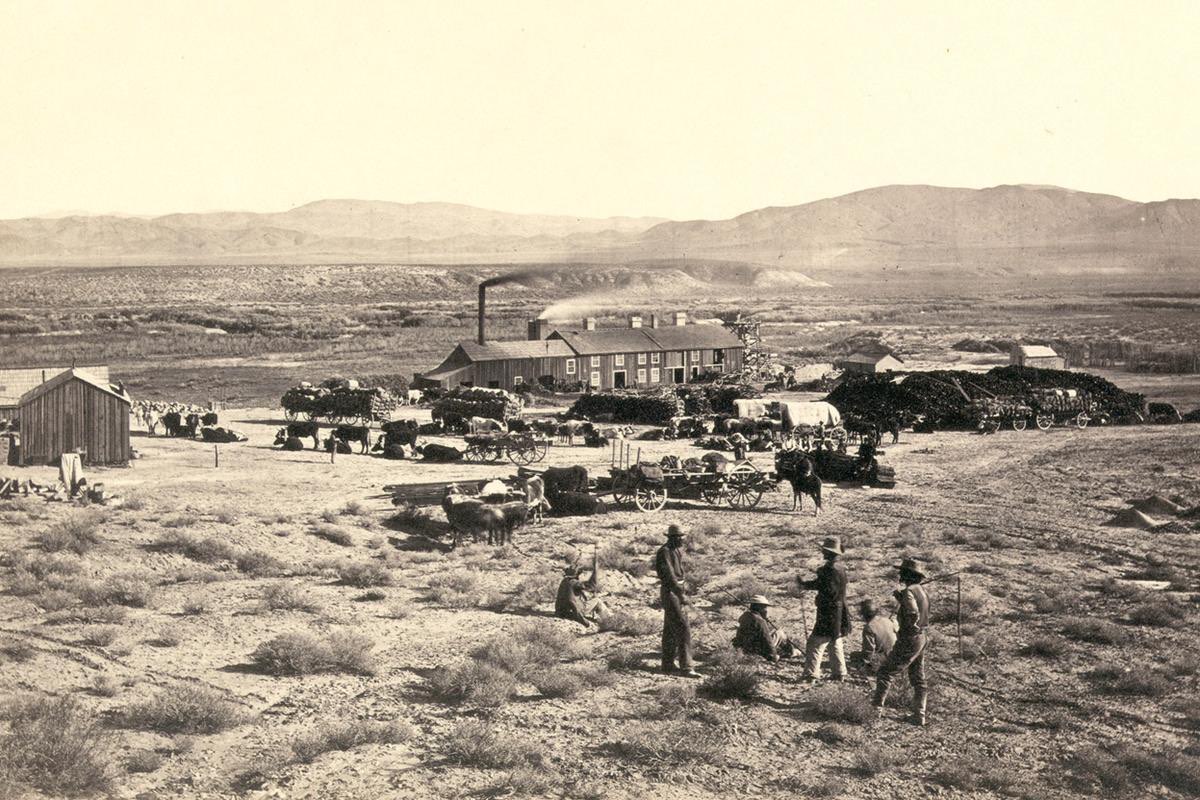
The story of Las Vegas began long before casinos and slot machines. Archaeological evidence shows that people lived in the area of today’s Las Vegas Valley thousands of years ago. By the time the first Europeans appeared in the region, it was home to the Southern Paiute people, whose small community still exists in Las Vegas today.
The main reason people had stopped in this part of the desert for centuries was water. In the middle of the dry Mojave landscape, there was an oasis created by natural springs, now known as Las Vegas Springs, or Big Springs. Thanks to these springs, grass grew here, animals grazed here, and caravans could rest here. Today, the historic spring site west of downtown Las Vegas is preserved as Springs Preserve.
One of the first American explorers to describe the Las Vegas Valley was Jedediah Smith. His expedition passed through the area in 1827, and he noted the oasis as a convenient place to replenish supplies on the way to California. In 1829, a trading caravan led by Antonio Armijo followed a route that later became part of the Old Spanish Trail between Santa Fe and Los Angeles. Spanish-speaking travellers gave the valley the name Las Vegas - “the meadows.” In the desert, the name sounded almost miraculous: a place where water and green grass suddenly appeared among stone and sand.
During the following decades, the Las Vegas Valley served as an important stop for trading caravans. In 1844, an expedition led by the American officer and explorer John C. Frémont mapped the area, and his name would later be given to the main street of old Las Vegas - Fremont Street.
In 1855, Mormon missionaries arrived in the valley. They built a fort and attempted to establish a permanent settlement, but the effort was short-lived. By 1857, the Mormons had left amid the conflict between the Utah Mormon community and the federal government of the United States. In the following decades, ranches, farms, and small settlements existed in the area. Agricultural crops were grown in the desert valley, livestock was raised, and the local springs remained the region’s greatest treasure.
The decisive turning point was the railroad. In the early twentieth century, a railway line was being built to connect Salt Lake City with Southern California. Steam locomotives needed water, and the Las Vegas Valley, with its springs, was an ideal point along the route. On May 15, 1905, the railroad company held an auction of town lots, and that date is considered the birth of Las Vegas. It is no coincidence that the city still has a hotel and casino called Main Street Station, a name that recalls its railroad origins.
From its earliest years, Las Vegas attracted workers, merchants, travellers, and residents of Nevada mining towns. Wherever men with money, free time, and limited supervision gathered, saloons, gambling rooms, brothels, and other questionable entertainments quickly followed. The old downtown area around Fremont Street became a place where the Wild West gradually turned into a new American business.
In the early twentieth century, Nevada’s attitude toward gambling was deeply conflicted. In 1910, gambling was banned in the state, but the ban did not eliminate it; it merely pushed it underground. Card tables disappeared from signs, but not from life. Games continued in private clubs, saloons, and back rooms. Within a few years, the authorities began softening the rules, and by 1931 Nevada made a historic decision: gambling was legalized.
That decision coincided with another event that changed the future of Las Vegas. In 1931, construction began nearby on the Colorado River on the massive dam now known as Hoover Dam. The enormous project attracted thousands of workers from across the country. After exhausting shifts, people wanted food, alcohol, entertainment, and gambling. Las Vegas received customers, money, and a powerful push toward growth.
After the dam was completed, the city became one of the first major consumers of the inexpensive electricity produced by the new hydroelectric plant. Electricity helped create the image of Las Vegas that would later become legendary: neon signs, bright façades, glowing hotels, casinos, and night streets. In this way, a desert railroad town began turning into one of the most recognizable cities in the world.
In the 1930s, the gambling business in Nevada became increasingly formalized. Licences appeared, taxes were introduced, new rules were created, and with them came the first entrepreneurs who saw gambling not merely as a vice, but as an industry. In Reno and Las Vegas, casinos, slot machines, card games, roulette, blackjack, and other entertainments developed quickly. Corruption and shadow money did not disappear: the emerging industry was profitable, and therefore attracted not only honest businessmen but also criminal organizations.
At first, most casinos were located downtown, around Fremont Street. But soon it became clear that Las Vegas was too small for its own ambitions. The automobile age was changing America, and travellers increasingly arrived not by train but by highway from Southern California. The road to Los Angeles became the city’s new axis of development.
In 1941, hotelier Thomas Hull opened El Rancho Vegas on Highway 91, outside the old downtown core. It was the first major successful hotel-casino on what would become the Las Vegas Strip. Unlike the old gambling halls, El Rancho offered not only gaming but a full resort experience: a hotel, restaurant, pool, entertainment, and a vacation atmosphere. This was the beginning of the casino resort model that would later define Las Vegas.
After the Second World War, the city entered a period of rapid expansion. Organized crime money played a major role in this growth. The most famous symbol of that era was the Flamingo, opened in 1946. The project was connected with mob money and with Benjamin “Bugsy” Siegel, who dreamed of building a new kind of luxury casino in the desert. At first, the Flamingo struggled financially, but the idea itself proved prophetic. It was followed by Sahara, Sands, Riviera, Tropicana, and other legendary hotel-casinos.
By the 1950s, Las Vegas had already understood that gambling alone was not enough. The city began selling not casinos, but a lifestyle: shows, music, restaurants, service, glamour, and a feeling of freedom. Frank Sinatra, Elvis Presley, Bing Crosby, and many other stars performed here. Las Vegas became a stage on which America allowed itself to be brighter, riskier, and more relaxed than in everyday life.
During the same decade, nuclear weapons testing began at a site not far from the city. Today it seems almost unbelievable, but in the 1950s atomic explosions became part of the tourist image of Las Vegas. Visitors could watch distant flashes and mushroom clouds, and hotels even used the atomic theme in their advertising. It was an era when fear of the future strangely coexisted with fascination with technological power.
In the 1960s, Las Vegas gradually began to move away from direct mob influence. Journalistic investigations, pressure from authorities, and the arrival of major legitimate investors all played a role. One of the most important figures was Howard Hughes - billionaire, aviator, engineer, and one of the most eccentric men in America. In 1966, he moved into the Desert Inn and then bought the hotel, followed by several other properties in the city. His money helped change the reputation of Las Vegas: it began to shift from a mob town into a more respectable centre of entertainment and investment.
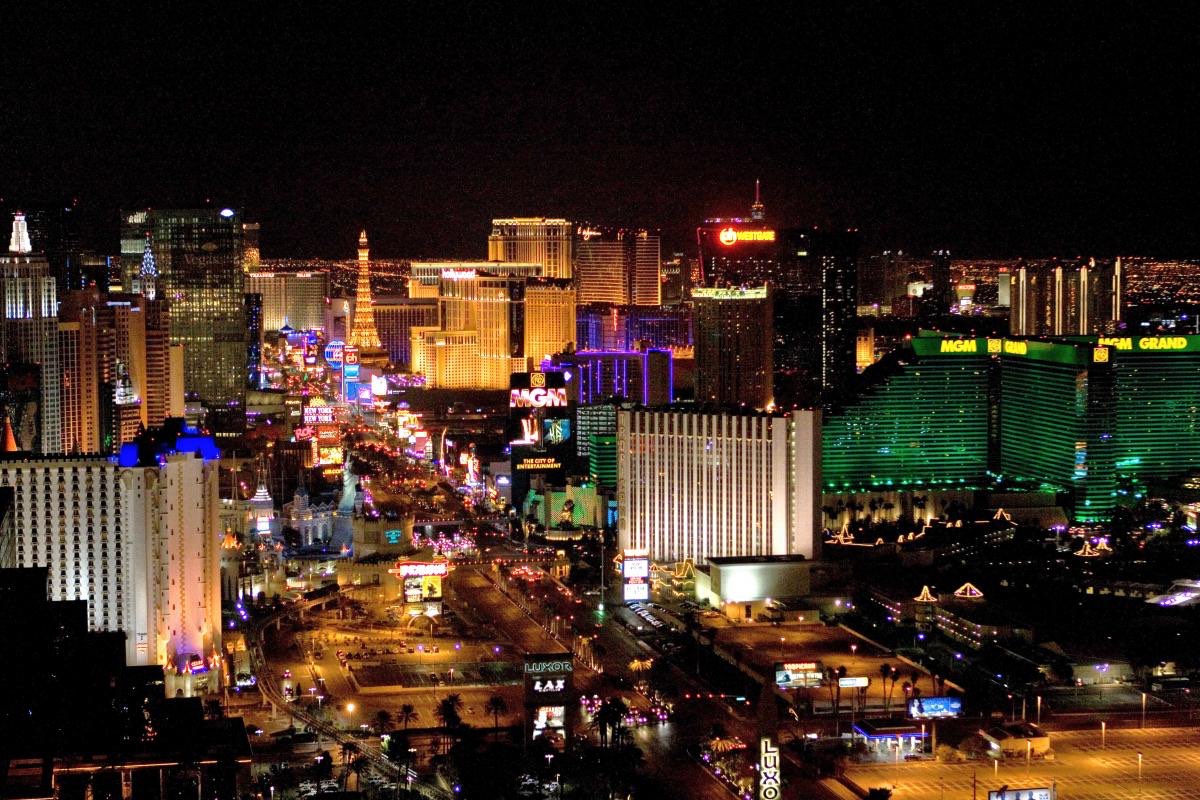
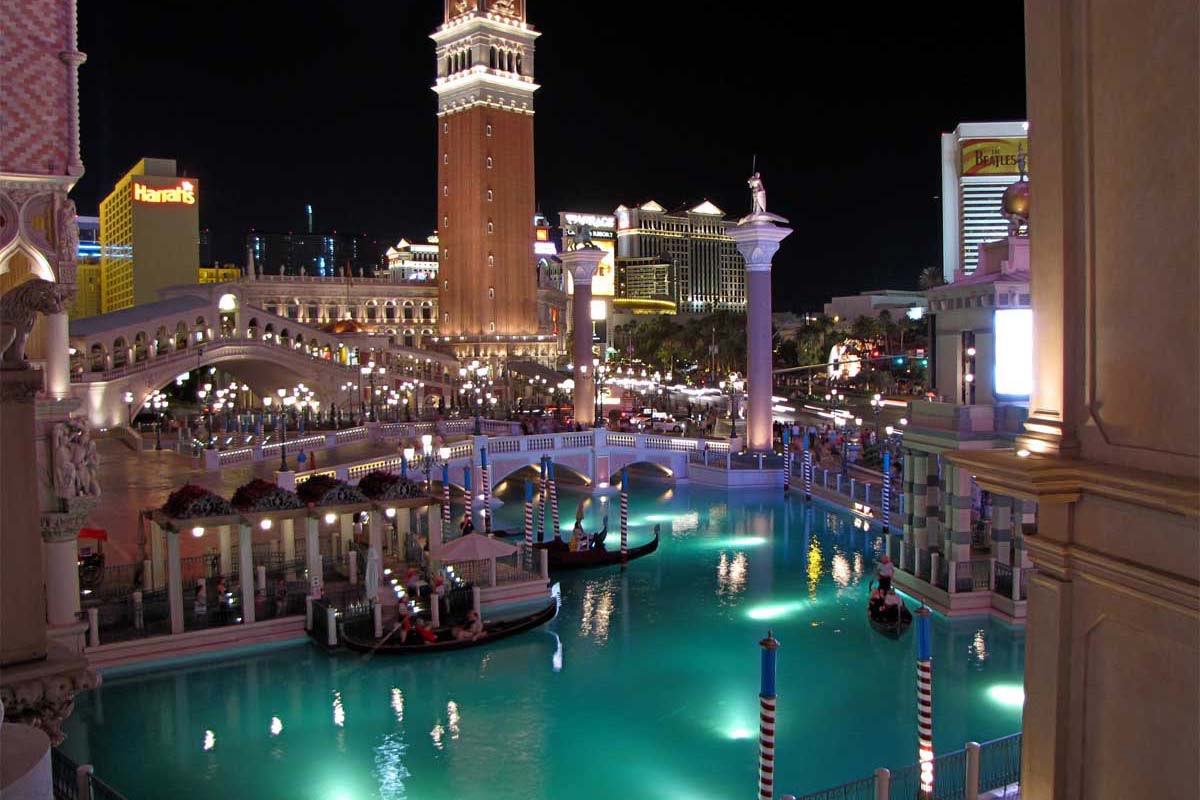
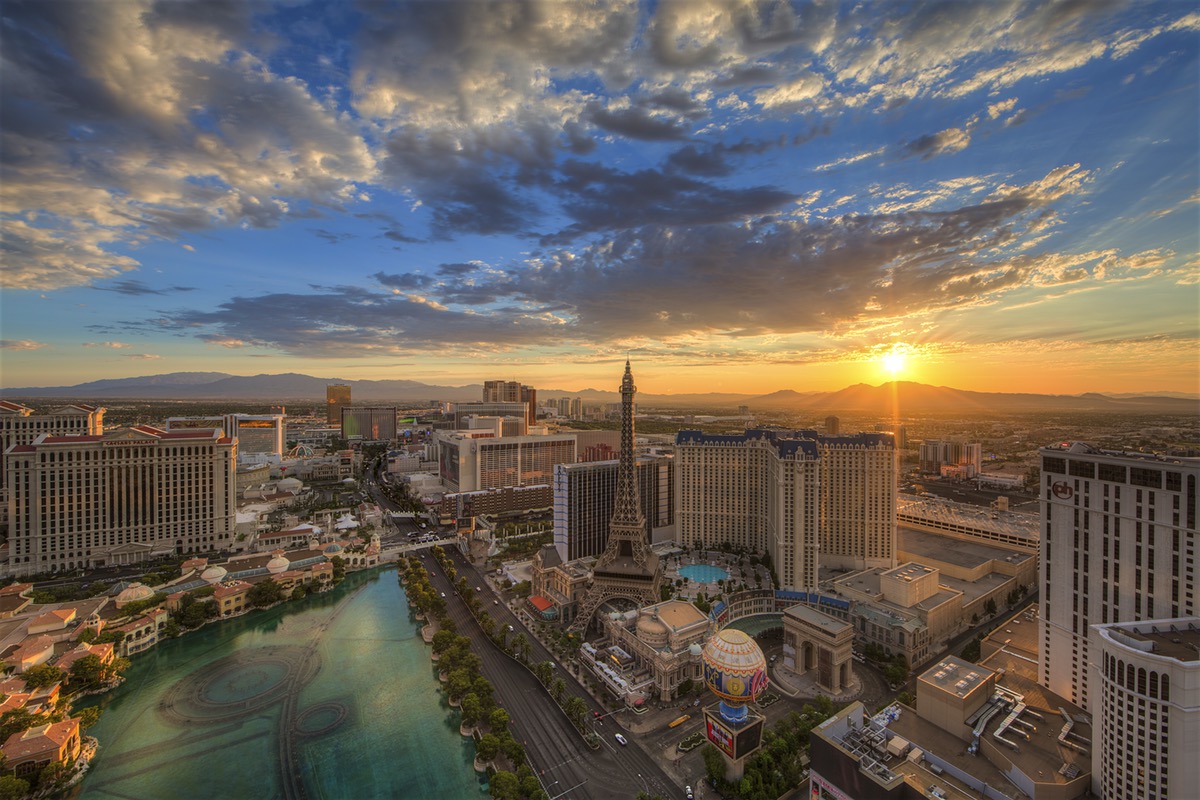
Meanwhile, the Las Vegas Strip continued to grow. Technically, it is not located within the City of Las Vegas itself, but in the adjoining areas of Clark County. Yet it became the main symbol of the entire metropolitan area. The Strip filled with themed hotels, enormous casino resorts, shopping galleries, restaurants, theatres, and attractions. The concept became ever larger: a casino no longer merely offered games; it created an entire artificial world.
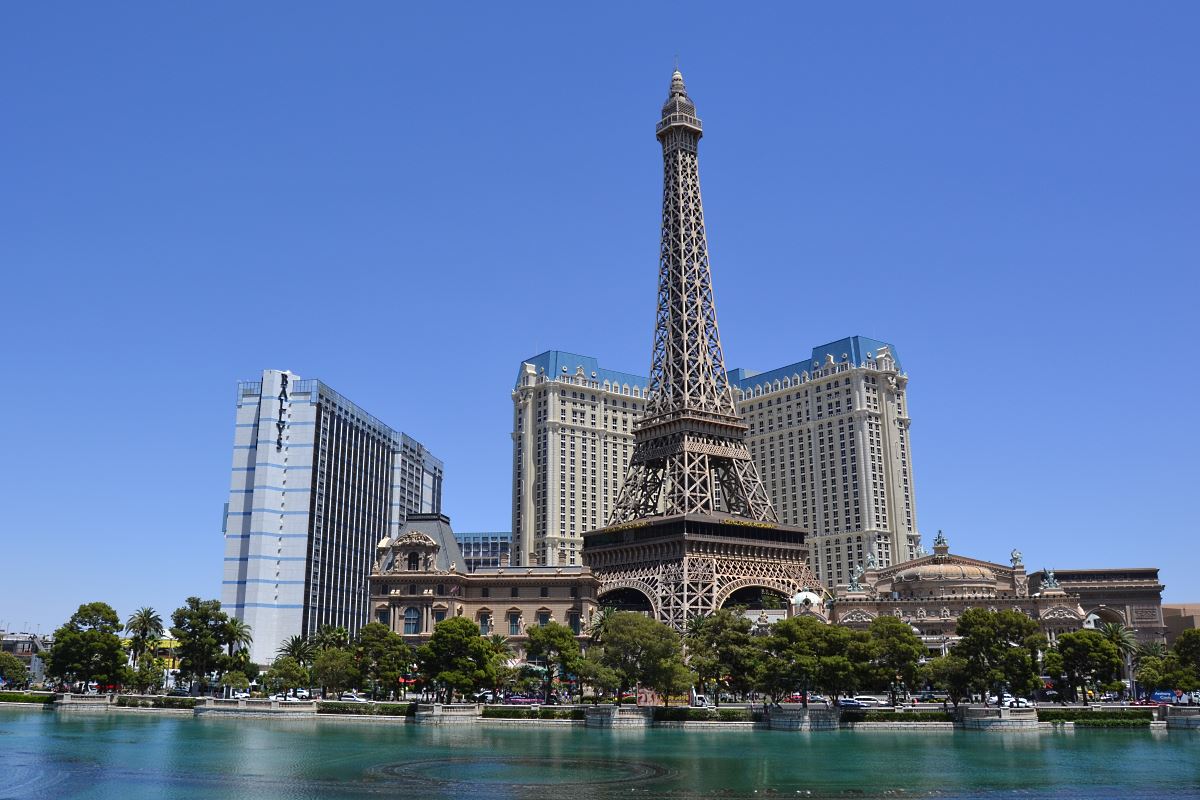
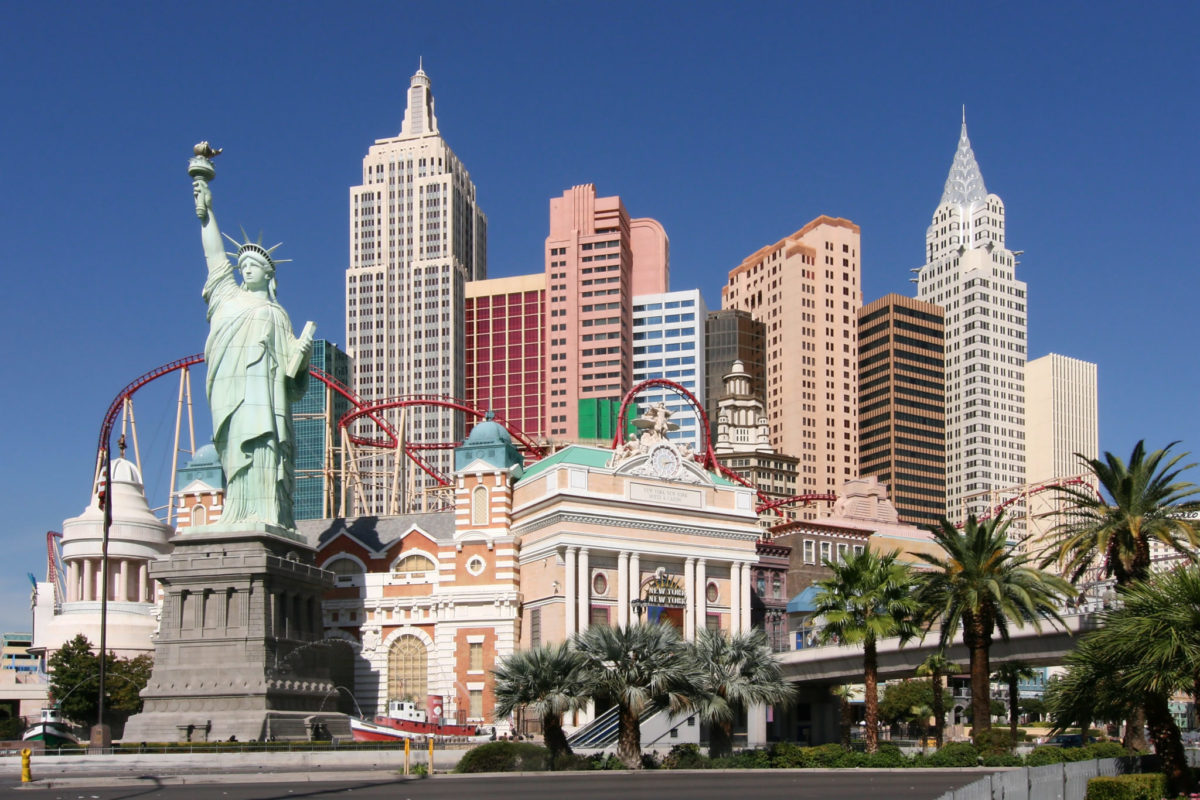
Themed resorts played a major role in shaping the city’s image. The Last Frontier used the aesthetics of the Old West, while other hotels built their identities around luxury, exoticism, European cities, ancient civilizations, or fantasies of the future. Las Vegas learned how to turn architecture into stage scenery - and stage scenery into business.
The city also changed socially. During the era of segregation, many hotels and casinos restricted access for African Americans, even while Black musicians often performed on their stages. An important symbol of change was the Moulin Rouge, opened in 1955 as an integrated hotel-casino that welcomed guests regardless of race. Later, segregation on the Strip gradually began to disappear.
Fremont Street did not vanish either. The old downtown continued to develop, competing with the Strip through its historic character, neon, and more compact urban atmosphere. In 1956, the 15-storey Fremont Hotel opened there. Later, the Fremont Street area would become a destination in its own right - an older, more urban, and more nostalgic face of Las Vegas.
In the 1970s, Las Vegas continued to grow rapidly, but it also faced new competition. In 1978, gambling was legalized in Atlantic City, giving many East Coast players an alternative closer to home. Las Vegas had to reinvent itself again, placing ever greater emphasis on scale, shows, family resorts, international tourism, conventions, restaurants, and a kind of experience that could not be easily copied.
The ability to reinvent itself again and again became the true secret of Las Vegas. It began as an oasis, then became a stop on a trading route, a railroad town, a working centre of the Hoover Dam era, a capital of legalized gambling, a mob-influenced city, a neon stage for postwar America, a corporate resort destination, and finally a global capital of entertainment.
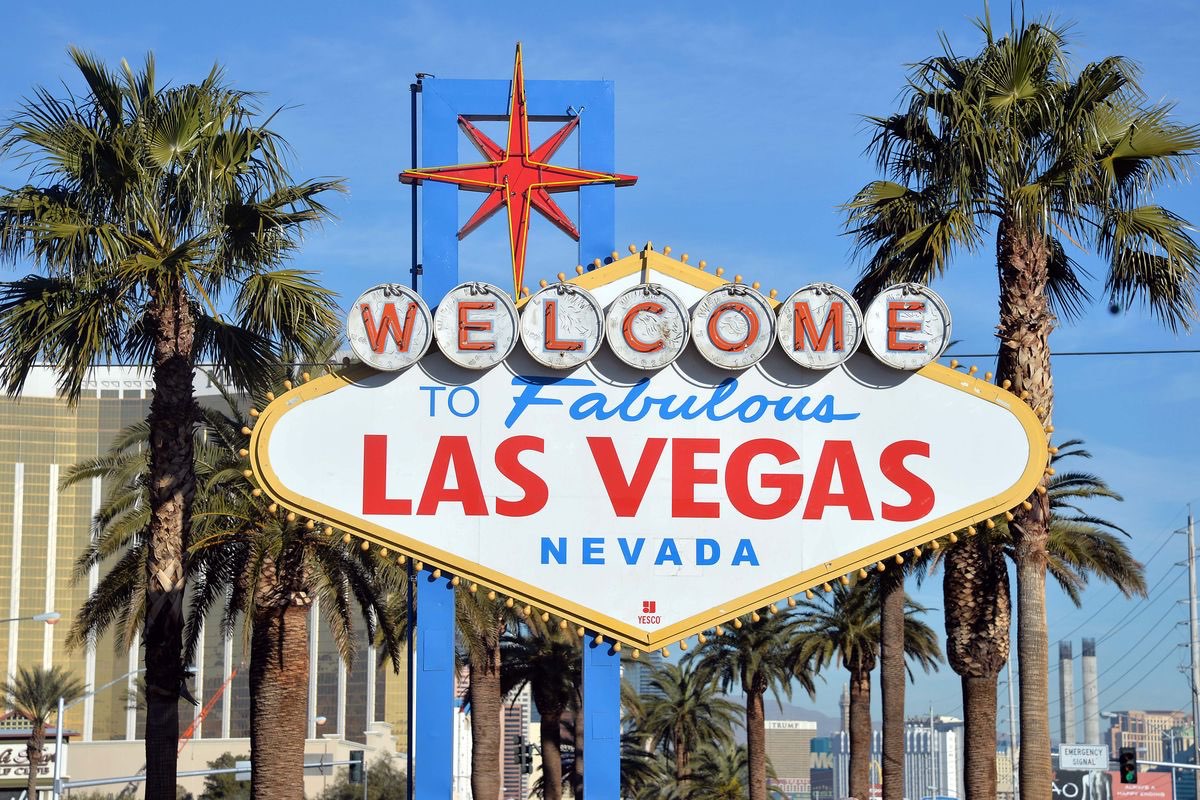
Today, Las Vegas is rightly considered one of the most recognizable travel destinations in the world. The Las Vegas Strip remains one of the most visited attractions in the United States, rivalled only by icons of American urban culture such as Times Square in New York. But behind the glow of the casinos and the façades of giant hotels lies a deeper story: a story of water in the desert, railroads, risk, ruthless business, ambition, and the astonishing ability of a city to turn the impossible into a spectacle.