







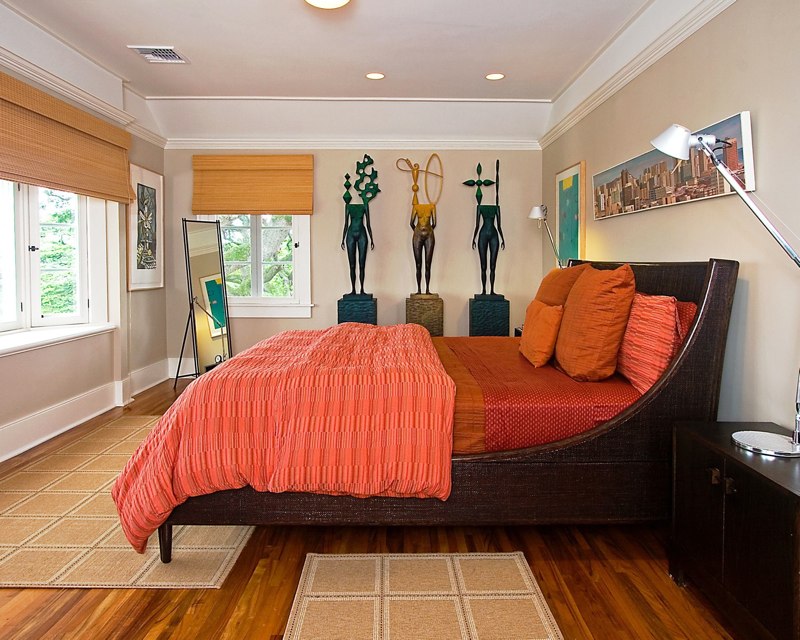
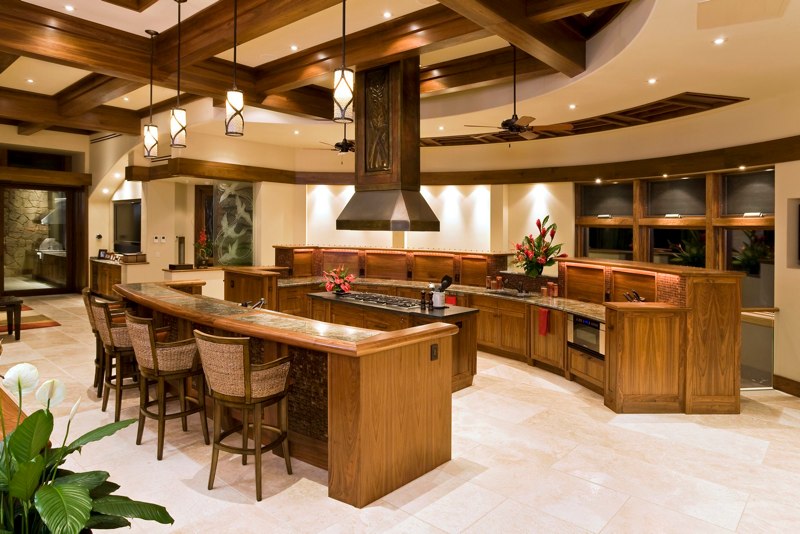
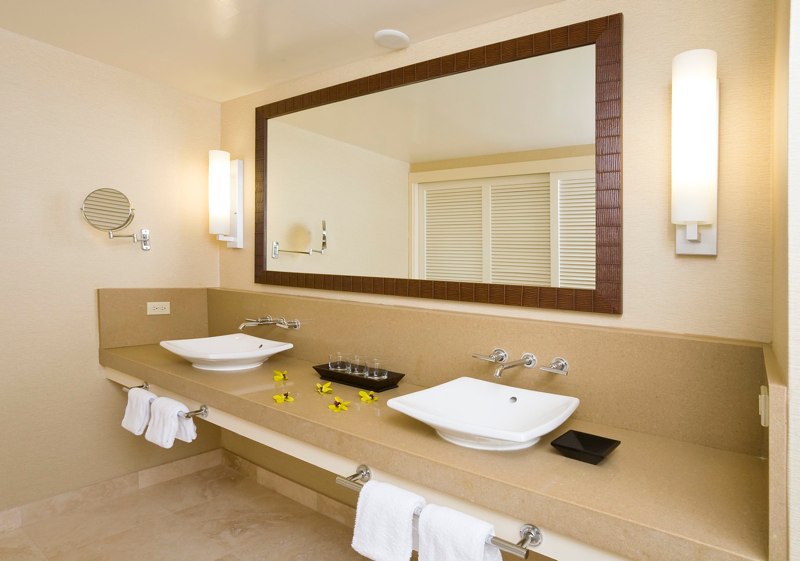
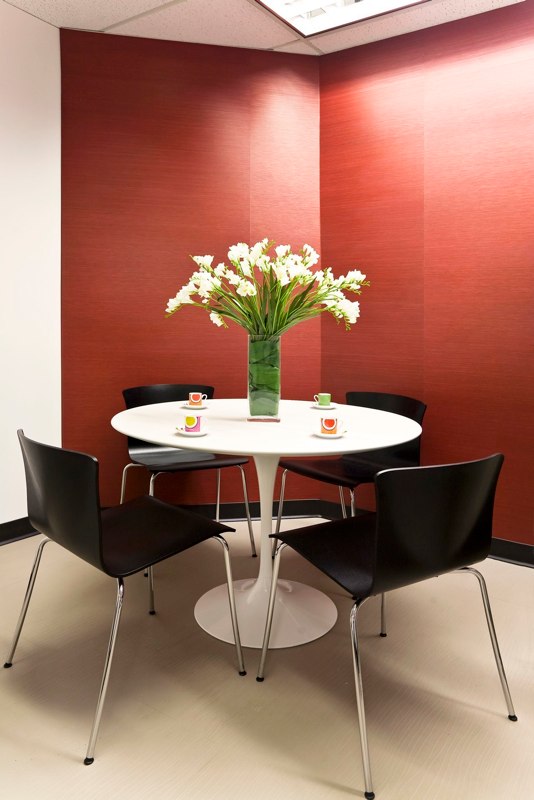
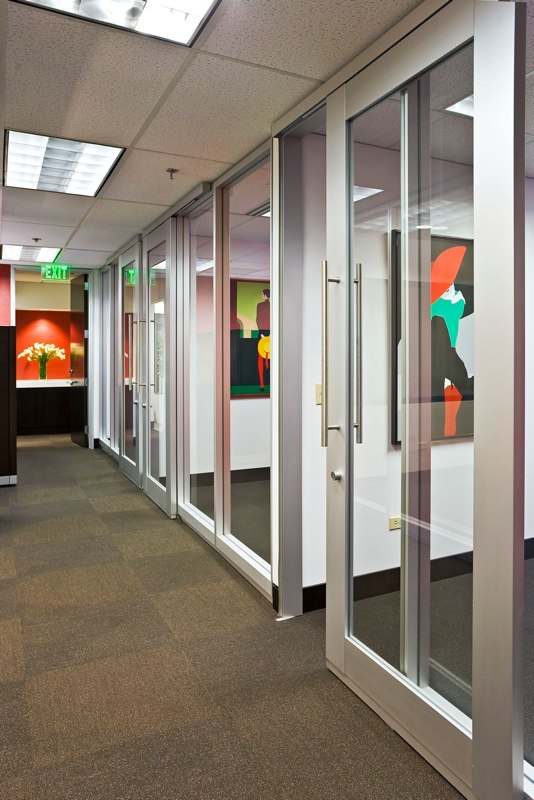
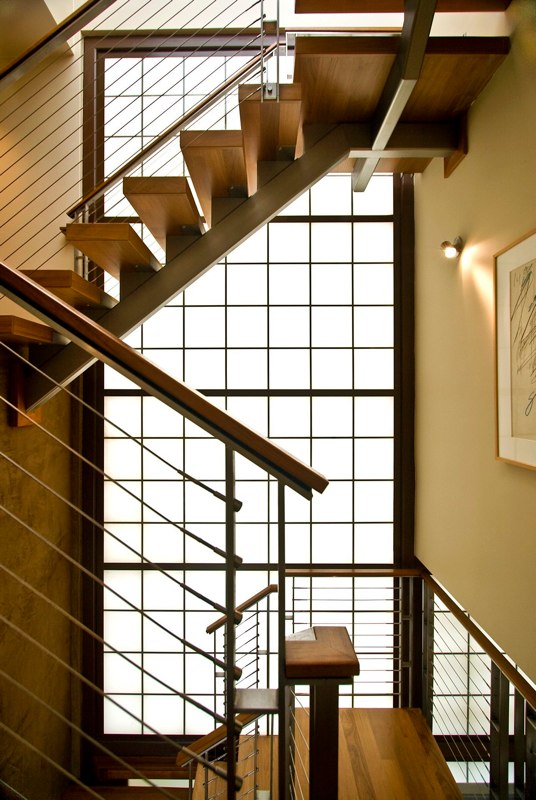

How to photograph houses for sale
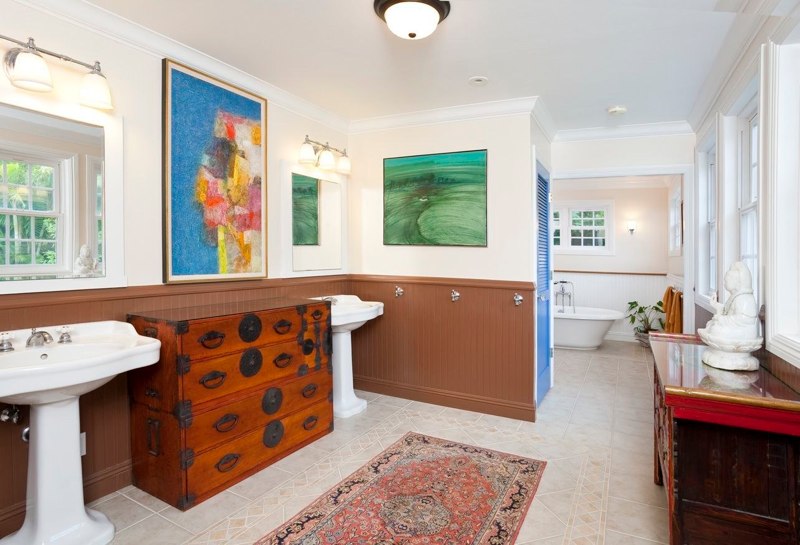
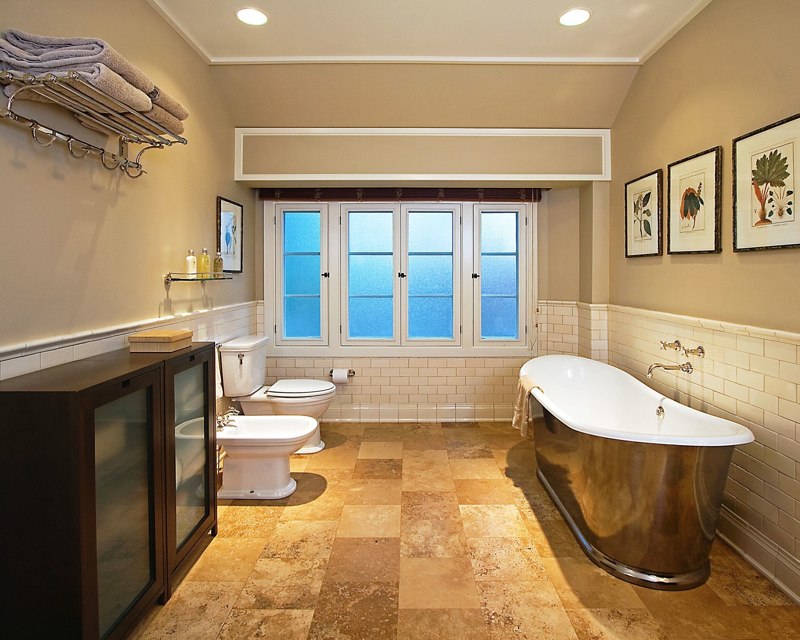
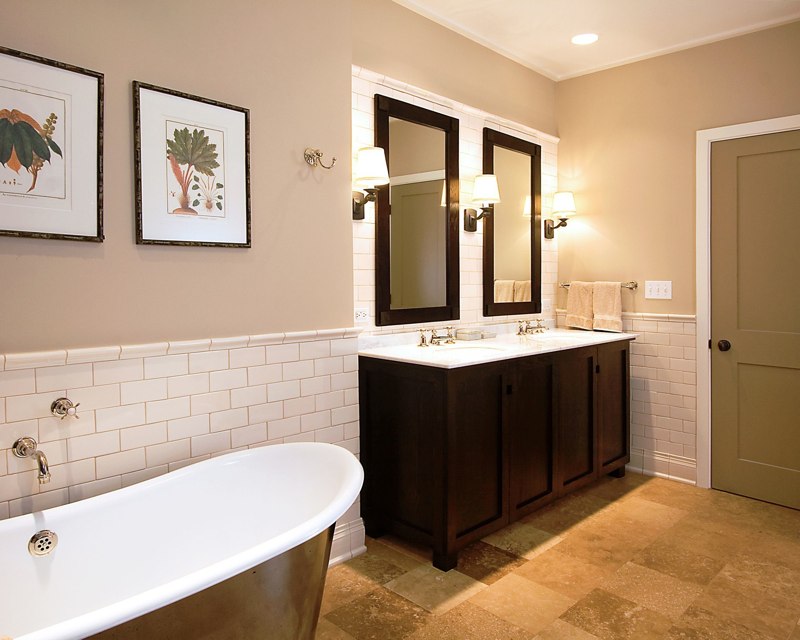
High-quality photography is one of the most important factors in successfully advertising any product. This is especially true in real estate: for a seller, the goal is not simply to sell a house, but to present it in a way that allows buyers to see its value, atmosphere, and potential - and to feel that it is worth paying more for. That is why photographing façades and interiors has long stopped being an amateur add-on to a listing. In the United States and Canada, real estate photography has become a professional industry of its own, with standards, competitions, specialists, and recognized names.
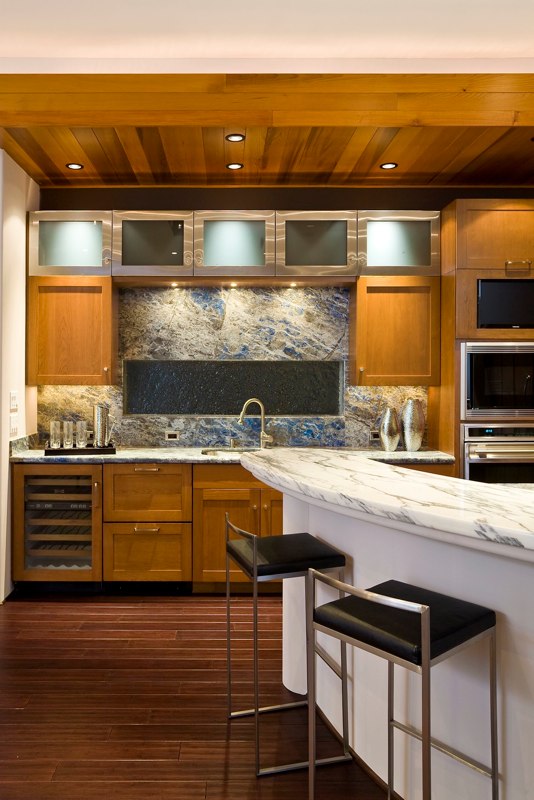
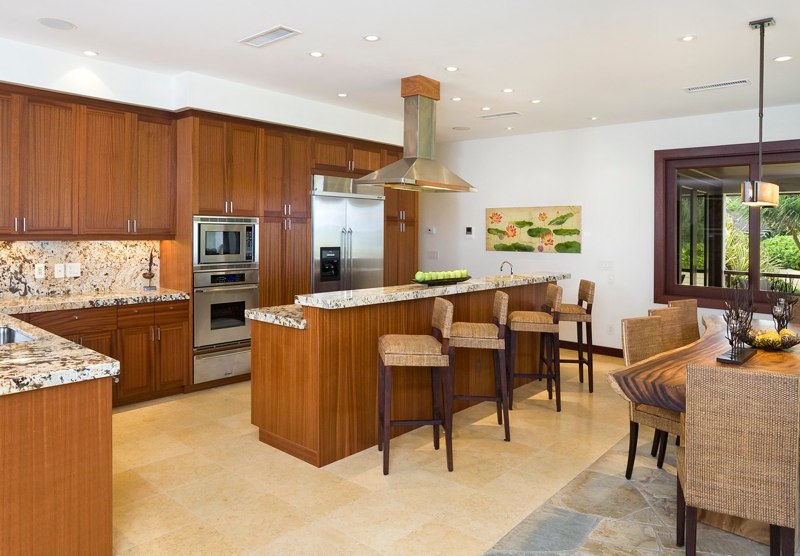
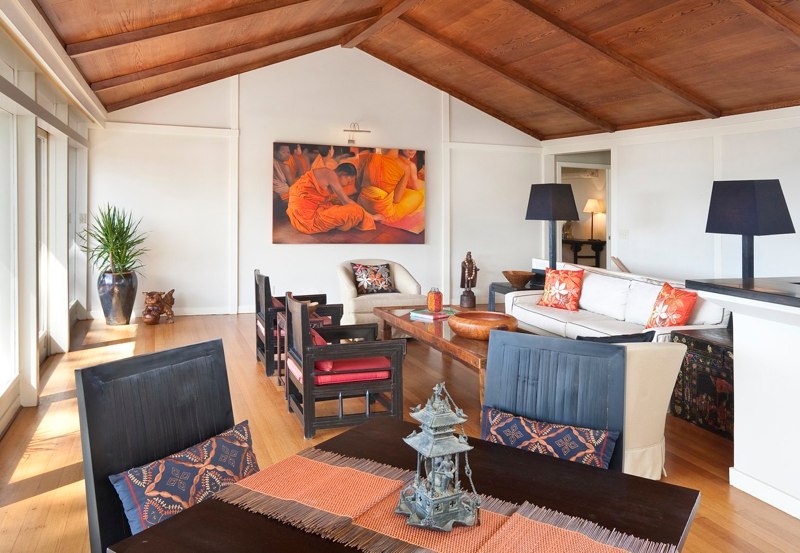
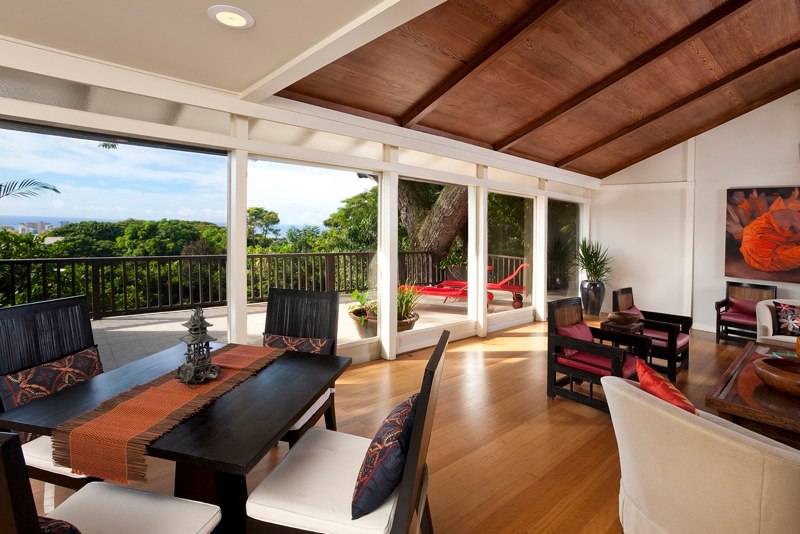
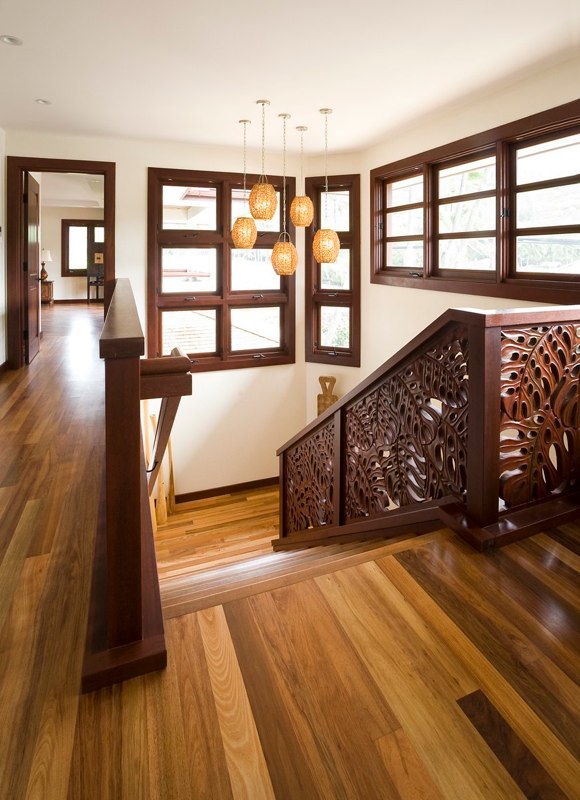
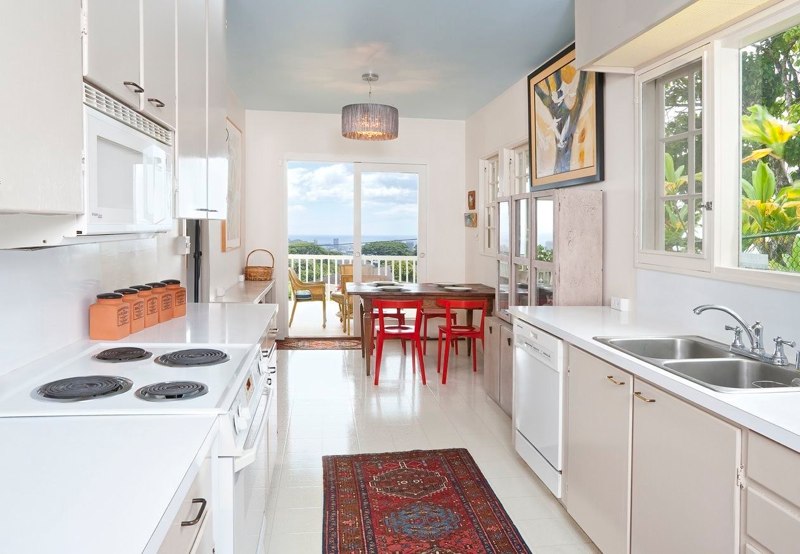
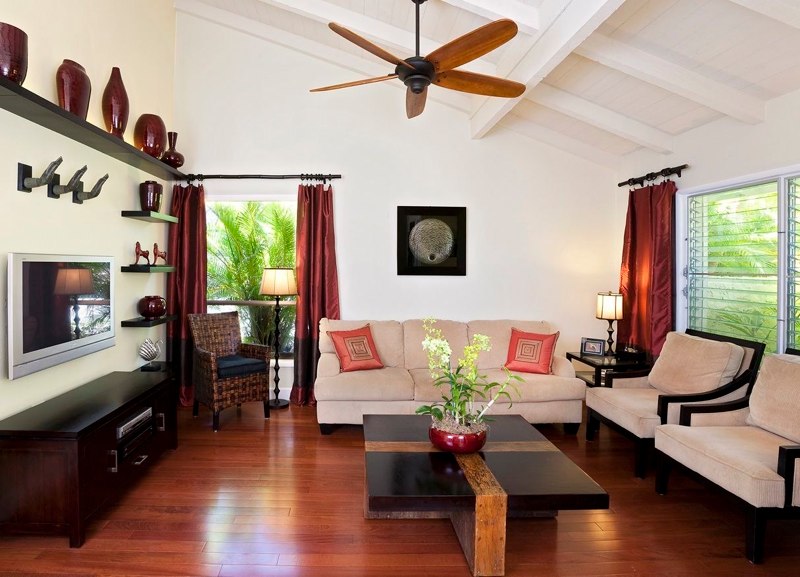
One of the well-known professional platforms in this field is Photography For Real Estate, or PFRE, which brings together photographers specializing in property photography. Within the industry, such contests and rankings matter because they judge more than a beautiful picture. They recognize the ability to present space in a way that is attractive, accurate, and visually persuasive. One of the notable winners of the Top Real Estate Photographer title was Dave Rezendes of Honolulu, Hawaii, who received this recognition in 2011.
How to photograph homes: what works and what does not
If you are selling real estate - whether your own property or a client’s - the advice of professional photographers can help you produce much stronger images. A good photograph should not merely document a room. It should explain the space, emphasize light, scale, atmosphere, and the home’s strongest qualities.
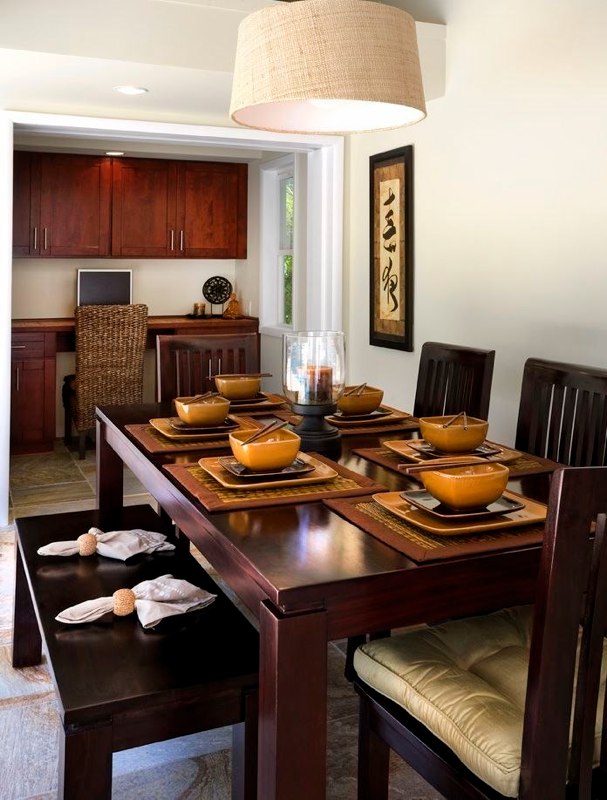
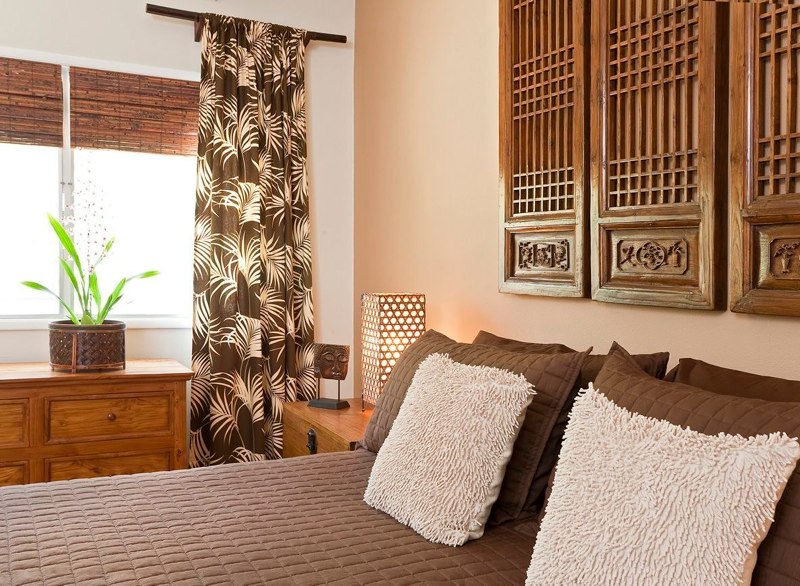
- Sometimes details communicate the feeling of a home better than a wide-angle shot of an entire room.
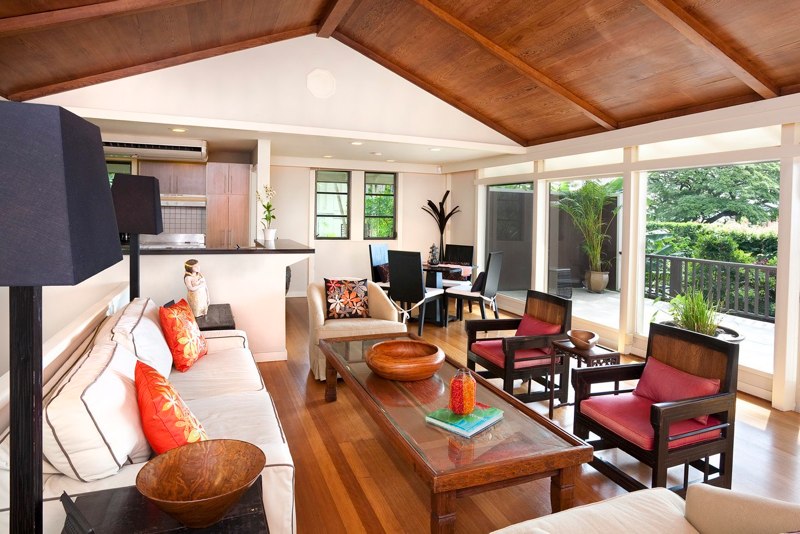
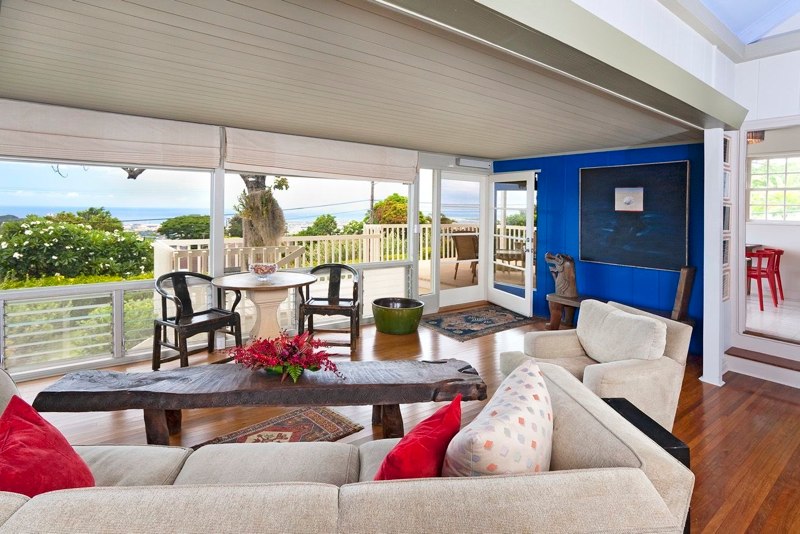
- Pay attention to perspective and composition. If a room looks flat or uninspiring, you may need to move furniture slightly, remove visual clutter, or change the camera position.
- Shooting from too high or too low can distort perspective and make the space look unnatural.
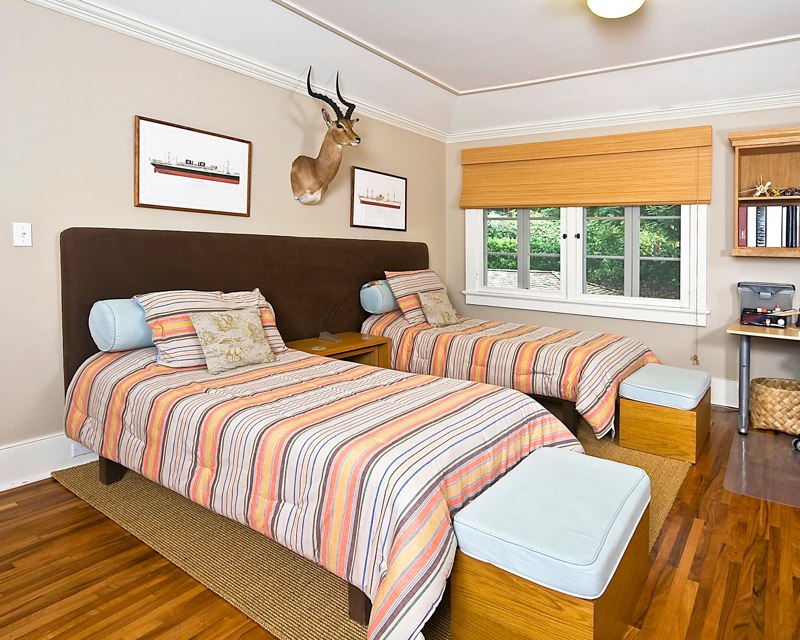
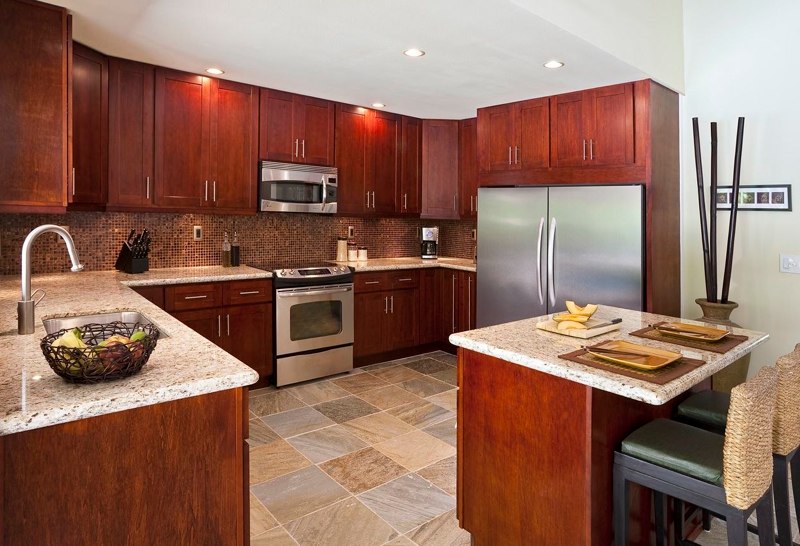
- Watch the small things: wrinkles on bedspreads, crooked chairs, open cabinet doors, unnecessary objects on countertops, and marks on glass.
- Keep wires, chargers, extension cords, pipes, garbage bins, and other technical distractions out of the frame.
- Use personal items carefully. A family photograph in a beautiful frame can add warmth, but too many personal objects make the space feel like someone else’s home rather than a future buyer’s possibility. The image should feel lived-in but not cluttered, polished but not sterile.
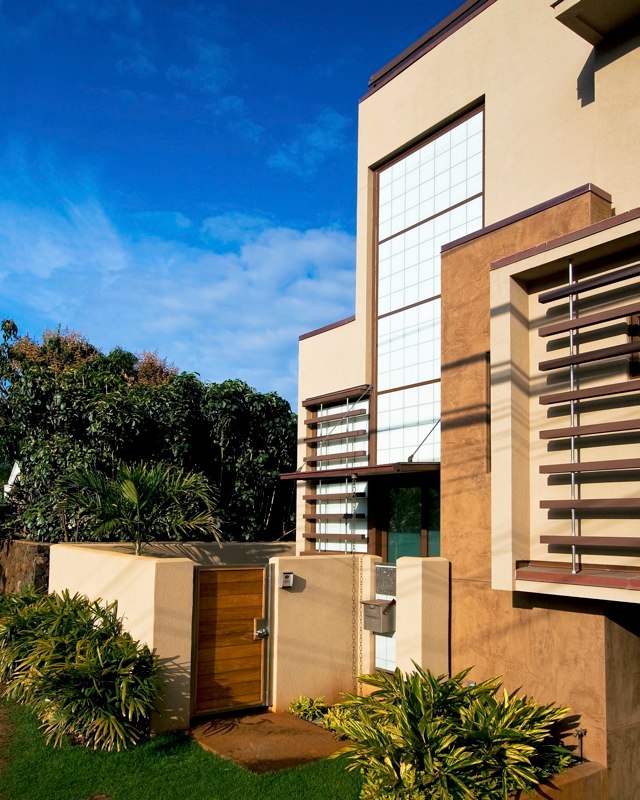
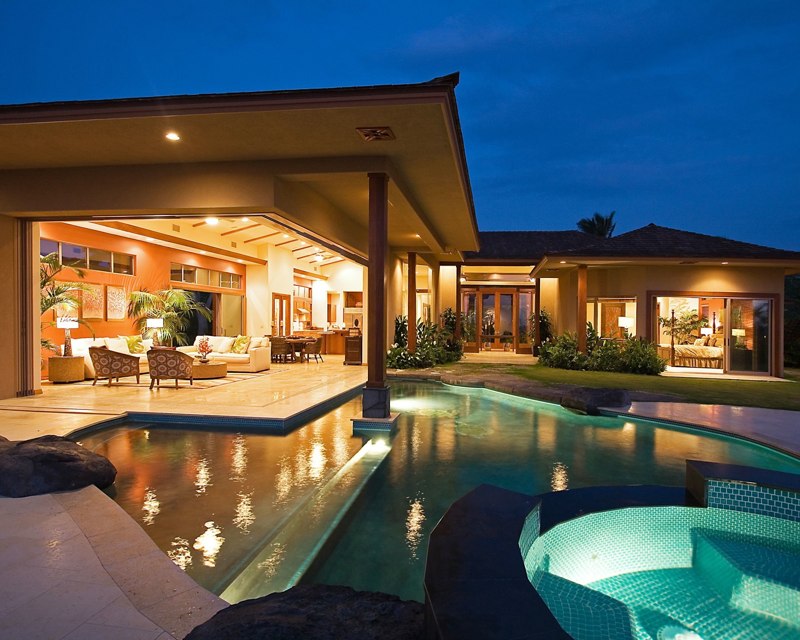
- Do not photograph the exterior at noon under harsh overhead sun, or when the façade is completely in shadow. The best light is often early in the morning or closer to sunset, when the house looks more dimensional, warmer, and more valuable.
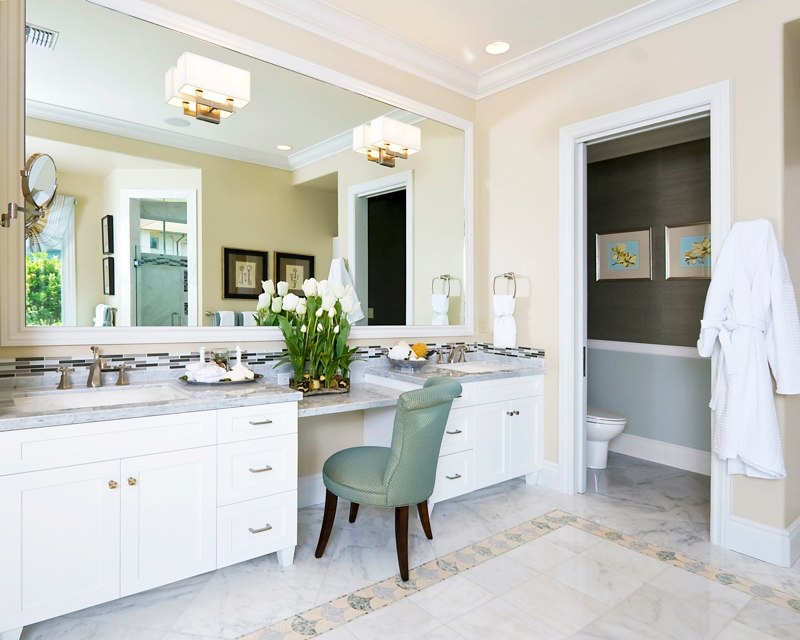
- Make sure neither you, nor your camera, tripod, flashes, or other equipment are reflected in mirrors, windows, glossy furniture, or glass cabinet doors.
In real estate, photography starts selling before the buyer ever crosses the threshold. Poor images can make even a good home look cheaper, while strong visual presentation creates the kind of first impression that makes someone want to book a showing.