
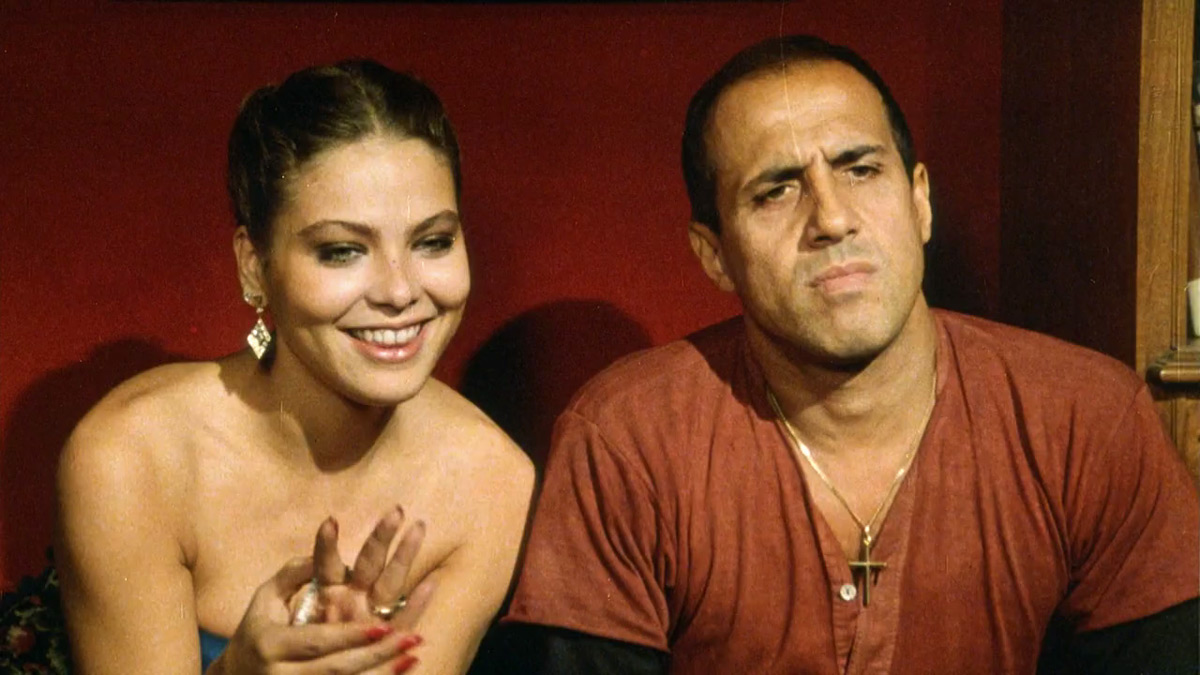
Behind the scenes of the movie The taming of the Scoundrel
In January 2018, one of the most famous Italians in the world - the remarkable singer, composer, actor, director, and television host Adriano Celentano - turned 80. Even in his mature years, he has not lost his magnetism or charm, and the films starring him remain popular around the world. The Taming of the Scoundrel is one of the most famous among them. Yet not everyone knows that Soviet audiences never saw several scenes that were cut by censorship. And only recently did Adriano Celentano and Ornella Muti give an official answer to the question of whether the two leading actors had a romance in real life.
The title of the film is a reference to Shakespeare’s comedy The Taming of the Shrew, in which the main character, Petruchio, tries to win over the strong-willed Katharina. In the film, the gender roles are reversed: it is the heroine who sets out to conquer a reclusive, gloomy farmer with a difficult temper. But this is not the film’s only allusion to a well-known story.
The name of the main character, Elia, refers to the biblical prophet Elijah, known for his uncompromising nature, who opposed a woman while trying to bring reason to a weak and impious king who had fallen under the influence of his cunning wife Jezebel. The name of the female lead, Lisa, also echoes this biblical motif. The film even contains a direct reference in the line: “Elia? That was the name of one of the prophets, I think… Maybe you can predict the future too?”
The biblical motif also appears in the scene where Elia talks to the crows, urging them to fly away to an abandoned plot of land. In the Bible, ravens brought food to the prophet Elijah. Celentano’s character says: “You have to know how to talk to crows. They’re not like people. You can come to an agreement with them.” His dialogue with the priest about the harvest forecast is also a hint at the biblical story in which Elijah foretold a famine.
The most famous scene in the film is Celentano’s fiery dance as he crushes grapes with his feet. And this episode was not accidental. The film is set in the small Italian town of Voghera, which has indeed been famous since ancient times for its winemaking traditions. The methods of harvesting grapes and producing wine in this area changed very little for nearly 1,000 years. For that reason, the scene of crushing grapes by foot was not really an exaggeration.
To this day, local residents still consider the vineyards the area’s main attraction, since almost the entire population would traditionally take part in the grape harvest every year. Wines from this region are known around the world. Voghera lies on the road from Portofino to Milan - the very route taken by the heroine. And the same gas station where Ornella Muti’s character both undressed and drove away without paying actually existed and has survived to this day. It is located about an hour’s drive from Voghera.
The film was released in Soviet cinemas in 1983 and enjoyed incredible popularity, ranking 11th in attendance among all foreign films. However, censors cut several scenes from the movie, some of them quite harmless. One example is the hunting scene, in which Elia refuses to shoot ducks and instead aims at the hunters themselves, shooting the guns out of their hands.
Soviet viewers were also not shown the scene in which Elia’s cow gives birth, or the restaurant fight between Lisa and her friend. Naturally, the seduction scene involving Elia did not pass censorship either: in it, Ornella Muti appeared half-naked in bed with Celentano. As a result, the episode looked rather strange in the Soviet version: Lisa says, “I still have a few hours left to conquer you!” - and immediately afterward suddenly calls her boyfriend, asking him to come and pick her up.
Later, the full version of the film appeared on television, but even today the shortened version is still shown more often.
The Celentano-Muti pairing looked so striking on screen that, immediately after the film’s release, everyone began talking about a real-life romance between them. Both actors were married, but Ornella soon left her husband and, according to rumours, expected Celentano to do the same. By that time, he had already been married for almost 20 years. Such rumours often follow actors, and at the time few people paid serious attention to them. But many years after the premiere, the scandal flared up again: Celentano admitted that they had indeed had a brief affair. The actress was not satisfied with the status of a mistress and expected him to divorce and propose to her, but he never left his wife.
In 2015, Ornella Muti confirmed the story, although Celentano’s decision to speak publicly about it outraged her: “I would never have admitted it. Adriano Celentano talked about our affair many years later without even asking me. He did it after so many years of silence - silence we had kept for the sake of our spouses and especially for our children… Yes, we had an affair, it is true. But I was stunned by his confession. I would have liked to know in advance that he was going to talk about it and reveal our secret. But that is so typical of men. They simply do not care.”