

The most original dishes from different regions of Russia
The cuisine of a large country rarely fits into one familiar set of symbols. Beyond borscht, blini, pelmeni and pies lies another gastronomic map entirely: steppe, northern, Volga, Siberian, Far Eastern, Caucasian, Finno-Ugric, Turkic, Mongolian and European by origin. It is in regional dishes that food most clearly reveals itself not merely as flavour, but as climate, history, migration, lifestyle and the memory of place.
Across Russia’s regions, culinary traditions were shaped by what nature provided and daily life required. In the steppe, people needed nourishing food that could be prepared without a kitchen or tableware. In forested and northern areas, simple products that warmed and sustained were prized. Along the Volga and in the Urals, festive tables were built around elaborate pies. In the Far East, local food absorbed the influence of neighbouring Asian traditions. And in Kaliningrad, the taste of old East Prussia can still be felt.
These dishes are interesting not only because they seem exotic. They show how diverse the cuisine of one country can be when viewed not from the centre, but through regional cooking, family recipes and local ingredients.
Republic of Kalmykia - Kyur
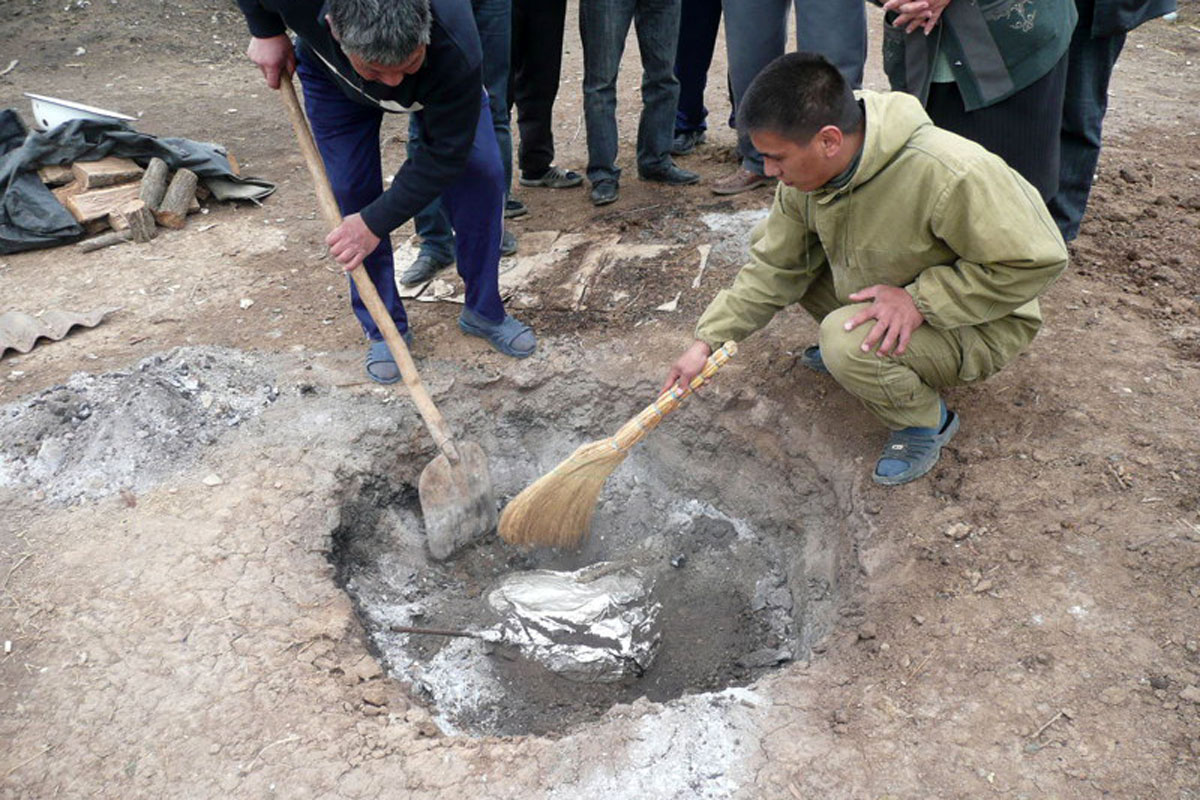
Kyur is one of the most expressive dishes of Kalmyk cuisine. It is difficult to imagine it in an urban restaurant without some degree of stylization: this is food of the steppe, open air and pastoral life. Classic kyur is made from lamb placed inside a cleaned sheep’s stomach and baked in the ground using the heat of a prepared pit. The idea is simple and ingenious: the meat slowly cooks in its own juices, preserving flavour, fat and aroma without the need for additional cookware.
Kyur is believed to have emerged as a practical dish for Kalmyk shepherds who spent long periods in the steppe. There is no restaurant delicacy in it, but there is the powerful logic of nomadic cooking: maximum nourishment, minimal equipment, deep flavour and full use of the animal. This is not a light snack, but a dish built on respect for meat, fire and the circumstances in which it was born.
Republic of Udmurtia - Perepechi
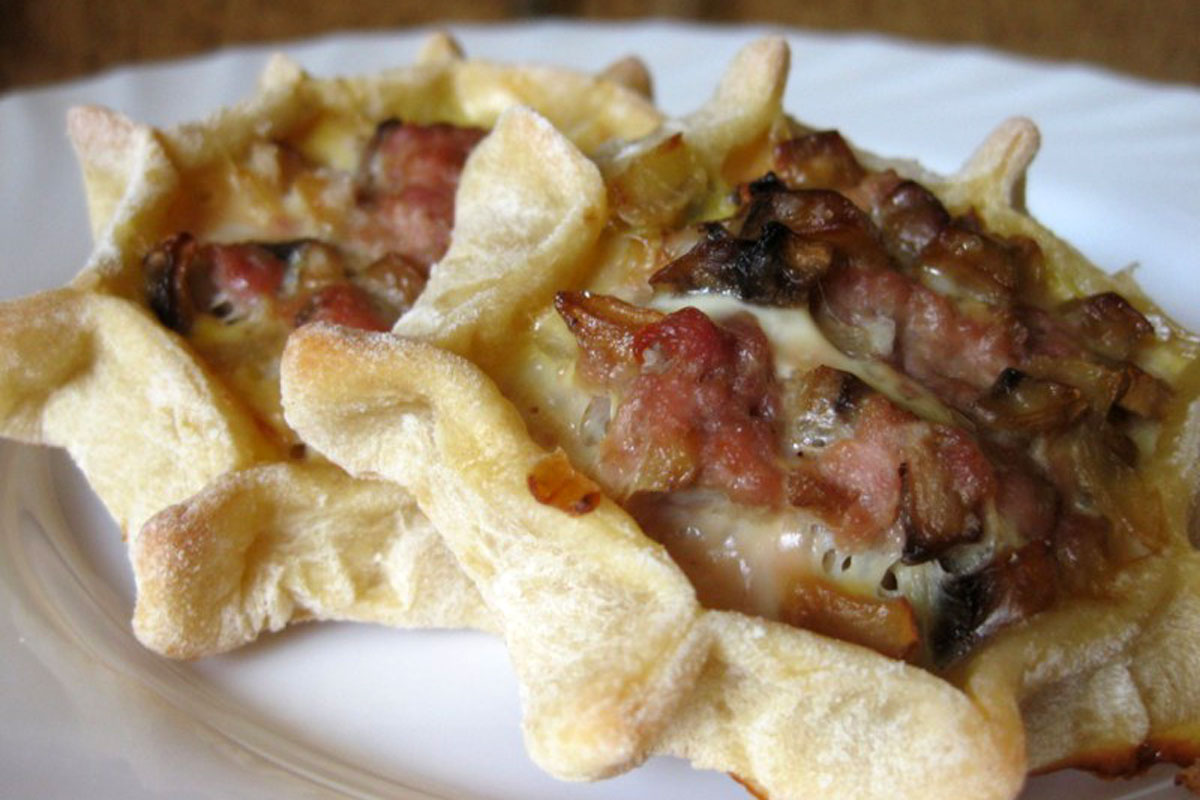
Perepechi are one of the most recognizable dishes of Udmurt cuisine. They are small open pies or tartlet-like baskets made from unleavened dough, often with rye flour, and filled with meat, mushrooms, vegetables, egg, cabbage or potato. The filling is usually topped with egg or a mixture of egg and milk, and the perepechi are served hot.
Their charm lies in domestic simplicity. Perepechi do not try to be luxurious, and that is exactly why they work so well: crisp dough, warm filling, soft egg topping and the feeling of village cooking, where everything is made by hand and eaten immediately. The dish became widely known outside Udmurtia after the Buranovskiye Babushki performed at Eurovision in 2012, when perepechi unexpectedly became one of the region’s gastronomic symbols.
Republic of Bashkortostan - Gubadia
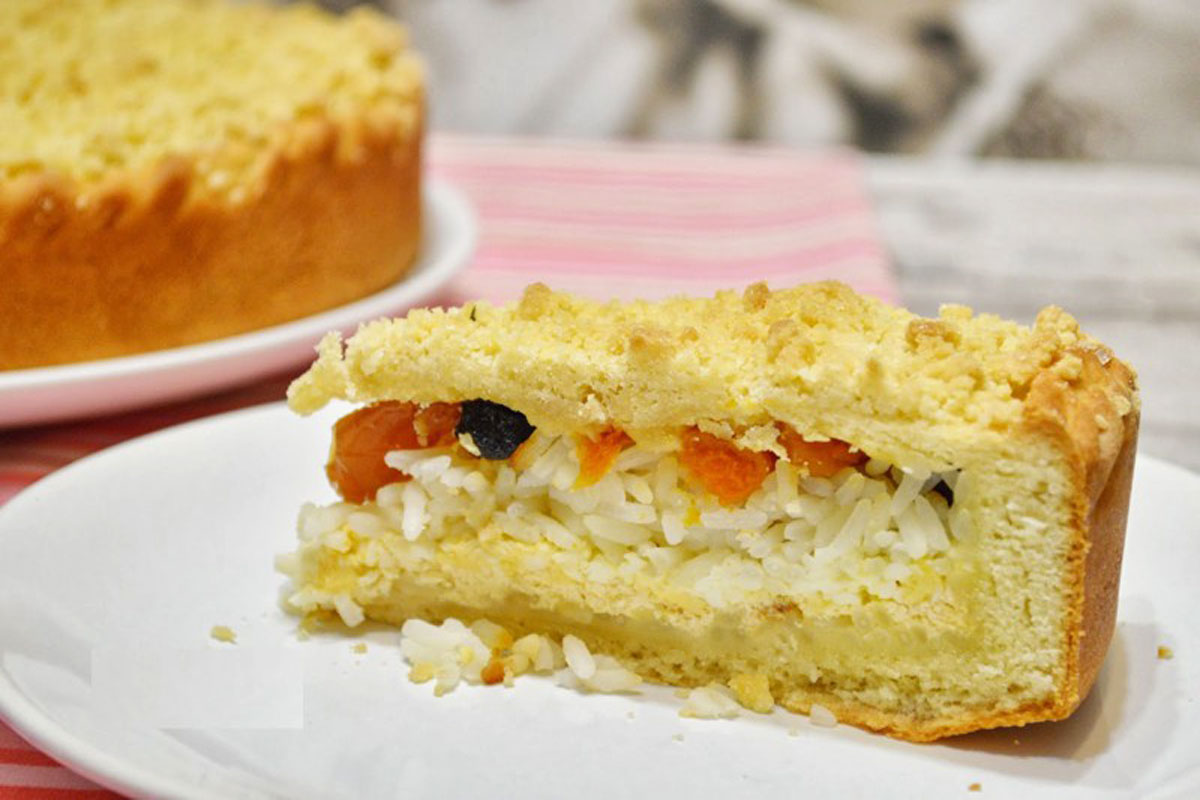
Gubadia is a festive layered pie found in Bashkir and Tatar cuisine, and it holds a special place on the ceremonial table. It is not everyday baking, but a dish for an occasion: weddings, family celebrations and large gatherings. Its strength lies in the complex architecture of the filling, where ingredients are not mixed together but arranged in layers.
Traditional gubadia may include rice, eggs, dried cottage cheese or kort, raisins, dried apricots, prunes and, in the meat version, minced meat with onion. The dough may be yeast-based or unleavened, but in either case the pie is rich, filling and highly expressive. There is a meat gubadia, served hot as a main dish, and a thinner sweet version with cottage cheese and fruit filling.
Gubadia is interesting because nothing in it feels accidental. Each layer contributes its own flavour and texture: rice gives softness, dried cottage cheese adds a characteristic sweet-and-sour depth, dried fruit brings festive sweetness, and meat provides richness. This is a dish that does more than feed people; it gathers them around the table.
Republic of Mordovia - Bear’s Paw
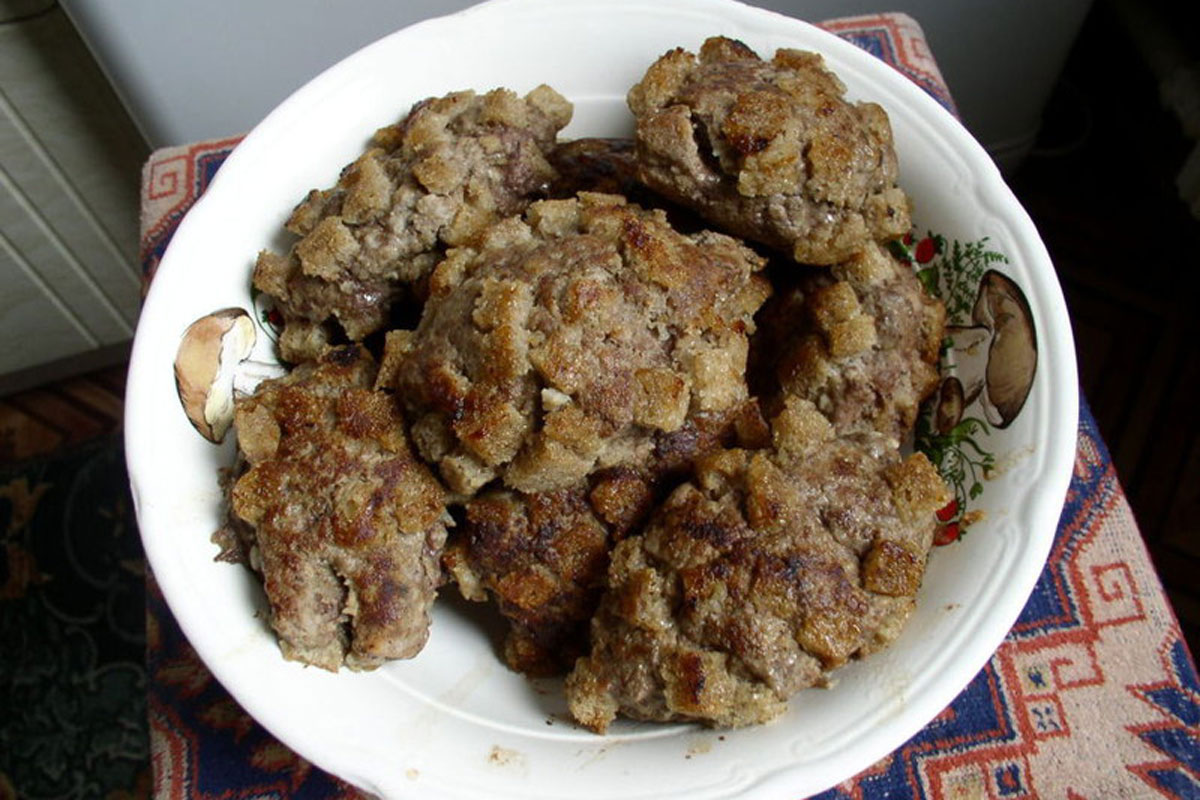
Bear’s Paw is one of the most memorable dishes served in restaurants in Mordovia that specialize in national cuisine. The name sounds almost like a fairy tale and refers to an old legend: a young hunter supposedly had to prove his maturity by killing a bear, then brought a roasted bear’s paw to his bride.
In modern cooking, bear meat is not used. The dish is made from minced meat, usually a combination of beef, pork and liver. In shape, it resembles a large cutlet or patty, with rye croutons placed on top to symbolize the bear’s claws. The result is hearty, slightly theatrical and very memorable.
Bear’s Paw is a good example of how a legend becomes a gastronomic image. What matters here is not only taste, but story, presentation, name and a sense of local character.
Sakhalin Region - Sakhalin-style burdock stem salad
For many people in European Russia, burdock is just a weed by the fence. On Sakhalin, young burdock stems can be a familiar ingredient, especially in a cuisine that reflects Korean, Japanese and Far Eastern influences. Here, people know how to see food where someone else might see only a wild plant.
The young green stems are usually soaked to remove excess smell and roughness, then boiled, peeled, cut and cooked with vegetable oil, soy sauce, garlic, onion, spices and sesame or seeds. The result is a dish with an unusual texture, light vegetal bitterness and an Asian touch of flavour.
This salad is interesting not for exoticism alone, but for a different culinary logic: using what is local, seasonal and wild, what grows nearby and can become part of the table when handled correctly.
Republic of Buryatia - Buuzy
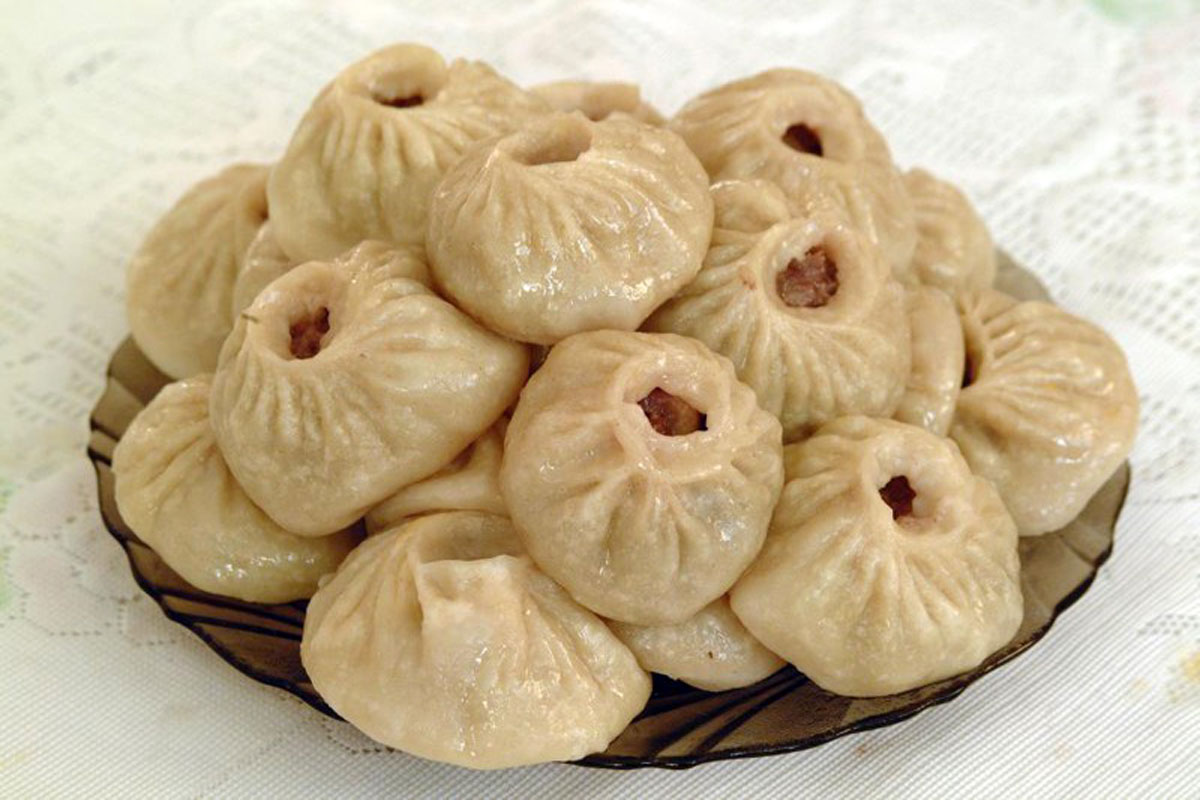
Buuzy, also known as pozy, are the central dish of Buryat cuisine and one of the strongest symbols of the region. At first glance they resemble manti, khinkali or Chinese baozi, but in Buryat tradition they have a distinct character of their own. They consist of dough, meat filling, onion, broth inside and the essential method of steaming.
The shape of buuzy is not accidental: they are often compared to a yurt. A small opening is left at the top, allowing steam to circulate and helping preserve the juicy broth inside. Buuzy are eaten by hand: first one carefully bites into the bottom, drinks the hot juice, and then eats the rest. A knife and fork are unnecessary here; they would only destroy the proper ritual.
Buuzy are food of gathering. Families make them together, prepare them in large batches, serve them hot and eat them slowly. They contain the simplicity of steppe cooking, but also a precise technique: the dough must hold under steam, the filling must remain juicy, and the broth must not escape too early.
Astrakhan Region - Fried pike-perch
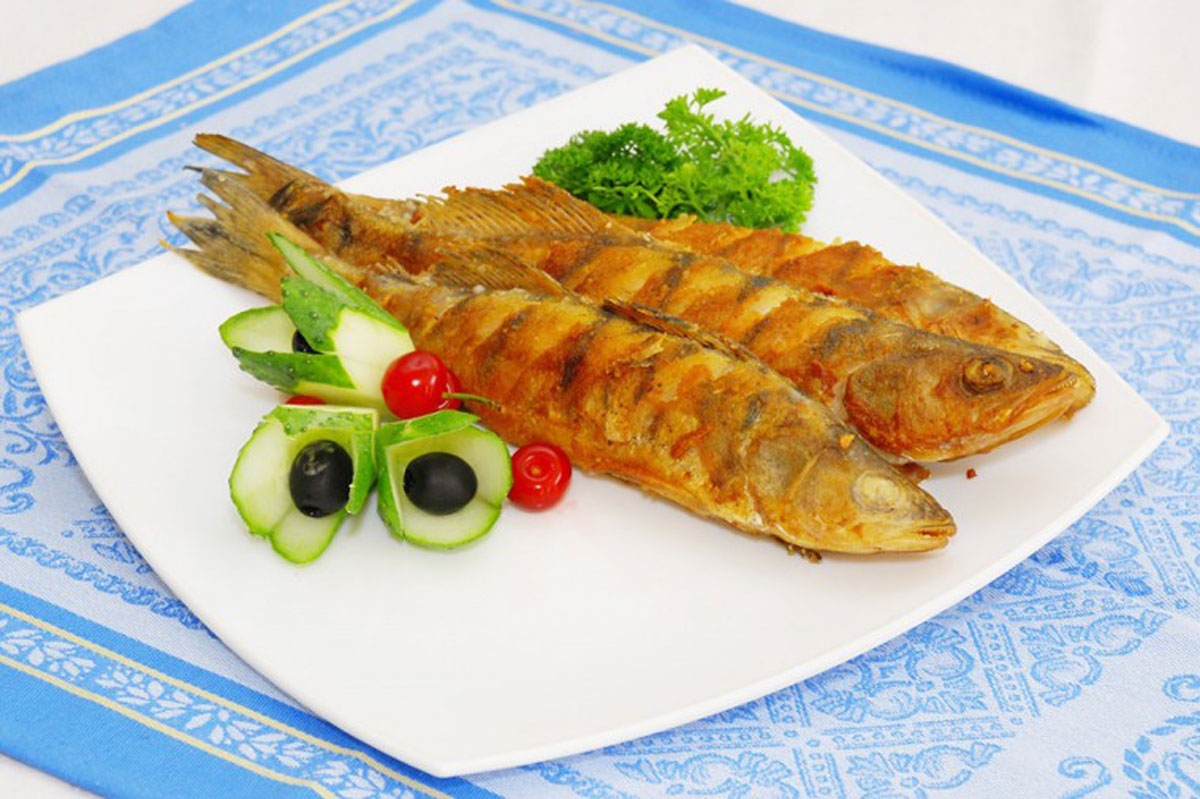
Astrakhan cuisine is unthinkable without fish. The Volga, its delta, the Caspian and old fishing traditions have made the local table especially rich in fish dishes. Pike-perch is valued here for its delicate white flesh, clean flavour and lack of a strong muddy smell when properly prepared.
Fried pike-perch is a simple, homestyle and very understandable dish. The fillet is marinated with salt, pepper and sometimes a little mayonnaise or sour cream, then dipped in flour and egg batter and fried in a pan until golden. The key is not to dry out the fish and to preserve its tenderness.
There is no complicated restaurant technique in this dish, but there is the honest logic of local cooking: fresh fish, a hot pan, a crisp crust and a flavour that does not need unnecessary decoration.
Kaliningrad Region - Königsberger Klopse
Königsberger Klopse are one of the dishes in which Kaliningrad’s past appears especially clearly. Until 1946, the city was called Königsberg and was part of East Prussia, so the local gastronomic memory is connected not only with Russian food, but also with German cuisine.
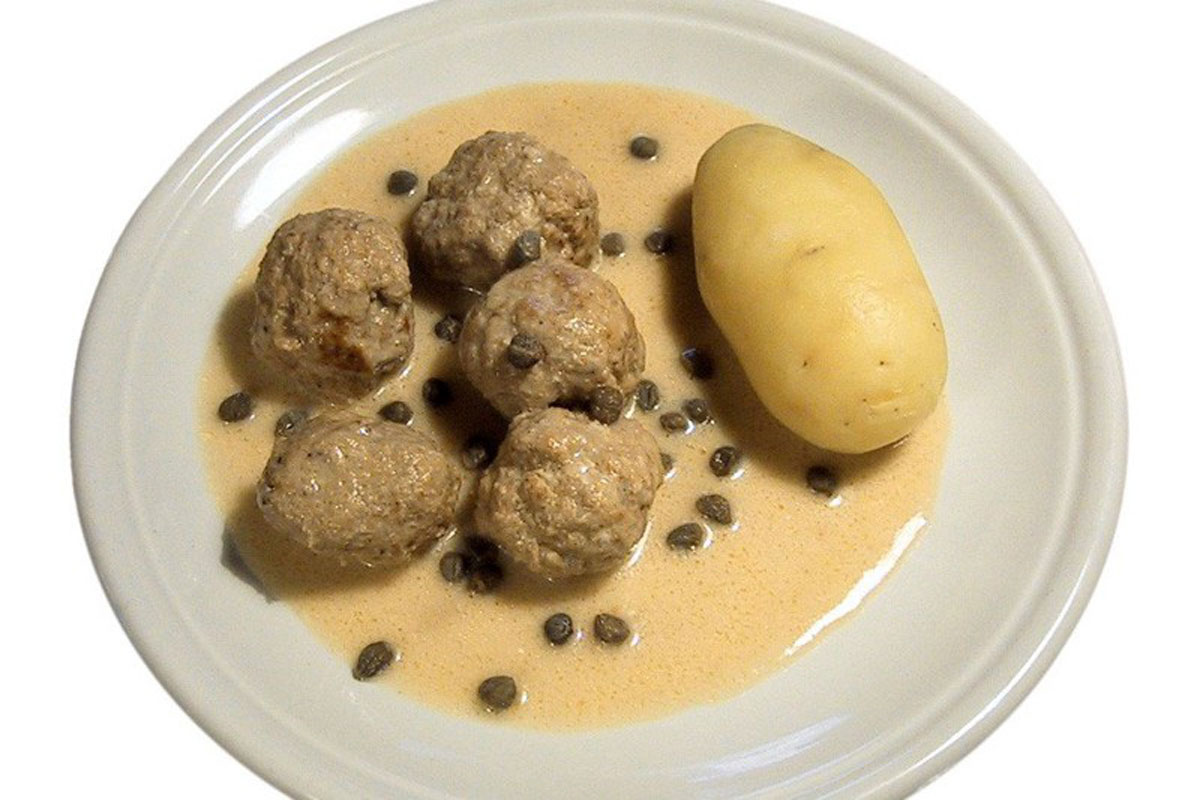
Klopse are meatballs or small patties usually served in a pale sauce with capers. In the classic version, the flavour is built around tender meat, a delicate salty-sour sauce and calm, almost homely European restraint. In Germany, Königsberger Klopse are still regarded as one of the well-known specialities of East Prussian cuisine, while in Kaliningrad they have become part of the local restaurant identity.
Königsberger Klopse are a reminder that a region’s cuisine does not always match its present administrative borders. Sometimes what remains on the plate has survived changes of era, name and political map.
Why regional cuisine matters
Regional dishes are valuable not only because they are unusual. They preserve the memory of how people lived: what they herded, caught or grew; who they traded with; whose techniques they borrowed; how they celebrated and what they served to guests. Kyur tells of the steppe and shepherds. Perepechi speak of the village oven and home baking. Gubadia reflects the festive table of the Volga and Ural regions. Buuzy carry the spirit of nomadic culture, steam and juicy meat. Klopse reveal the European past of Kaliningrad.
This is the real luxury of gastronomy: not rare ingredients or complicated presentation, but authenticity. Sometimes the most interesting dish is not the one that looks perfect in a photograph, but the one that carries a landscape, a history and the human habit of making something delicious from what the land has given.