
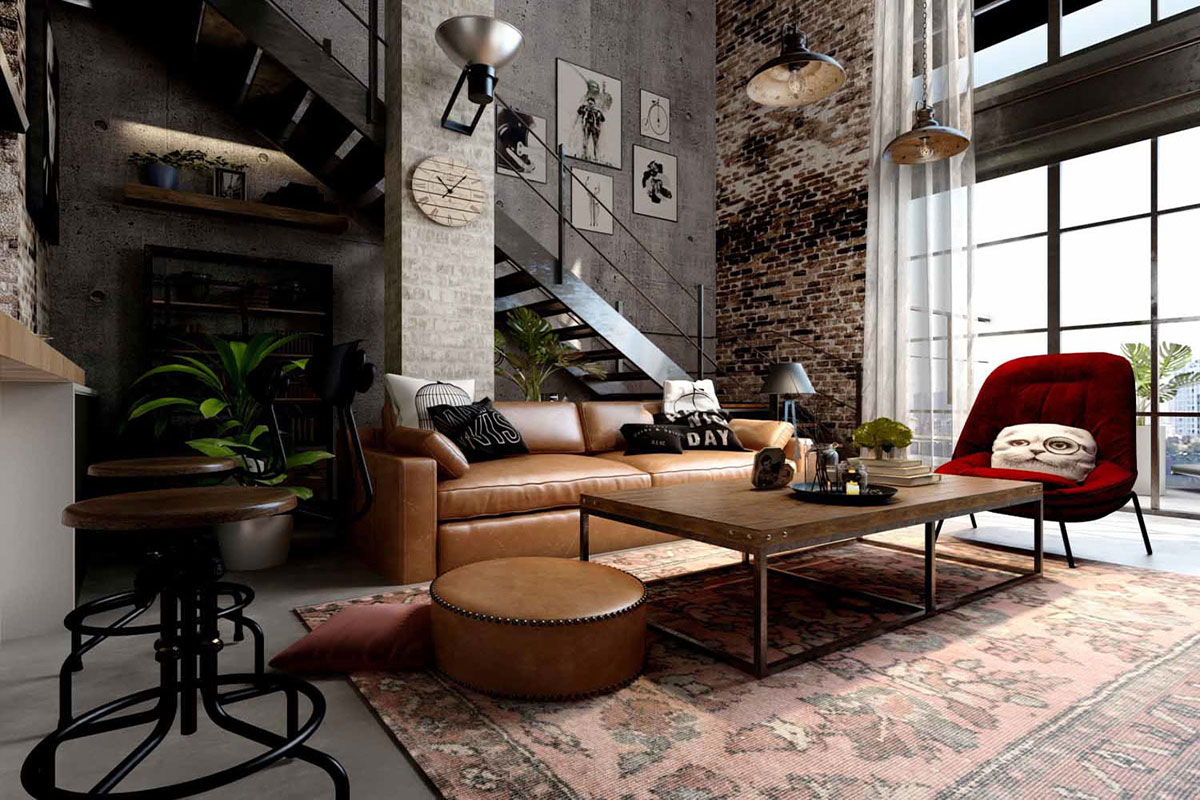
5 tips that designers usually forget
Wood in an interior
Natural wood in the interior is a trend that never goes out of style. But how should this material be used - and, more importantly, how can we make sure that wood in the home serves us beautifully for as long as possible?
Natural wood in the home is both a timeless classic and an ever-relevant design statement. For centuries, people have built houses from wood, made furniture and everyday objects from it, and today it is almost impossible to imagine an interior without this material, regardless of style.
It is hardly surprising that in the modern world, tired of concrete cities and constant noise, we increasingly want to surround ourselves with natural materials. Wood could long ago have been replaced by cheaper and more practical composites or plastics, yet our hands still reach for the warm surface of real timber. Wood can be used in the home in countless ways, and what is especially interesting is that even in its most traditional forms, it continues to offer endless opportunities for original ideas.
Wooden Finishes in the Interior
Wood can be called one of the most popular materials in construction, and since most homes today are still built from concrete, glass, and brick, it has firmly established itself as a leading material for interior finishing. This includes, first of all, wooden floors and wall panels, less often ceilings or exposed wooden beams, and, of course, windows and doors.
Inspiration can be found everywhere: it is enough to replace just one element of the traditional approach. For example, modern technology makes it possible to cut floorboards along curved lines, recreating the natural contours of living wood; aged timber can be unexpectedly paired with radically different materials; and when it comes to windows, wood does not have to be limited to the frames - wide window reveals can also be made from it.
Wooden staircases also deserve special mention. As a material, wood offers almost limitless possibilities for these structures. Spiral staircases, straight-flight staircases, and airy bolt-supported designs can all be realized in wood, allowing almost any architectural idea to come to life.
Wooden Furniture and Decorative Elements
What could be more familiar than wooden furniture? But what about a tabletop made as a mosaic of glued timber ends tinted in different colours, or a mirror frame that looks as though it were assembled from boards weathered by seawater and wind after a shipwreck? Yes, something similar may already have been done before, but unusual colours, new methods of treating wood, contrasts of texture and form, deliberate brutality or, on the contrary, refined elegance can all give familiar ideas a completely new sound.
When working with wooden furniture and decorative elements, the trend toward environmental responsibility remains highly relevant. It is no longer enough simply to say that “wood is an eco-friendly material.” Today, the focus is also on reuse and recycling: wooden pallets, cable reels, and wine crates are being given a second life, just like parts of old furniture that have already served their original purpose.
Wood in a Child’s Room
Some people use wood in children’s rooms very willingly, while others, for some reason, worry about the child’s health. Yes, at a certain age children try to put almost everything into their mouths, but with a thoughtful choice of wood treatments, this option can actually be one of the safest. The natural quality of the materials surrounding a child lies at the heart of many leading educational approaches. So feel free to bring out wooden toys and children’s furniture - but carefully check the substances used to treat the wood. Every product should have the appropriate safety documentation.
Wood in the Bathroom
Until recently, wood was used in bathrooms with great caution: moisture and hot steam not only damage the structure of the material, but also create ideal conditions for mould and other fungi to grow. Modern wood-treatment products, however, are changing this perception.
In addition to providing reliable protection that is safe for us, modern treatments allow wooden finishes and bathroom furniture to be given different shades and colours, to emphasize the natural grain more actively, to create an eco-style interior, or to highlight a loft aesthetic with details that appear deliberately “unfinished.”
Wood in the Kitchen
Who said wood has no place in the kitchen? Yes, parquet flooring will require a little more attention, but if it is properly treated during renovation, it will create almost no additional problems in everyday use. Furniture should be protected from moisture and from irritants such as grease and cleaning products. Special attention should be paid to countertops, cutting boards, wooden utensils - in short, all surfaces that will come into contact with food. They must be treated properly; otherwise, there is a high risk of rapid bacterial growth. At the same time, the products used for this purpose should be exclusively natural.
Wooden dish-drying shelves can look unexpectedly stylish, as can various kitchen utensils made from the same material - not merely as decorative accents, but as functional objects. Designers continue to create collections of practical wooden tableware, proving that this material can be both beautiful and useful in the kitchen.
Living Wood in the Interior
Carefully sanded and lacquered boards look beautiful, but with such a living material as wood, one sometimes wants to give it as much freedom as possible. Almost any interior - especially in a country home - can be enriched with an untouched wooden element: a piece of driftwood, a branch, a stump, or perhaps even an entire tree. Homes built around a living tree have a special atmosphere and a powerful sense of nature at their core. Such a project is extremely difficult to realize - but is this not exactly what we seek when we try to move closer to nature?